
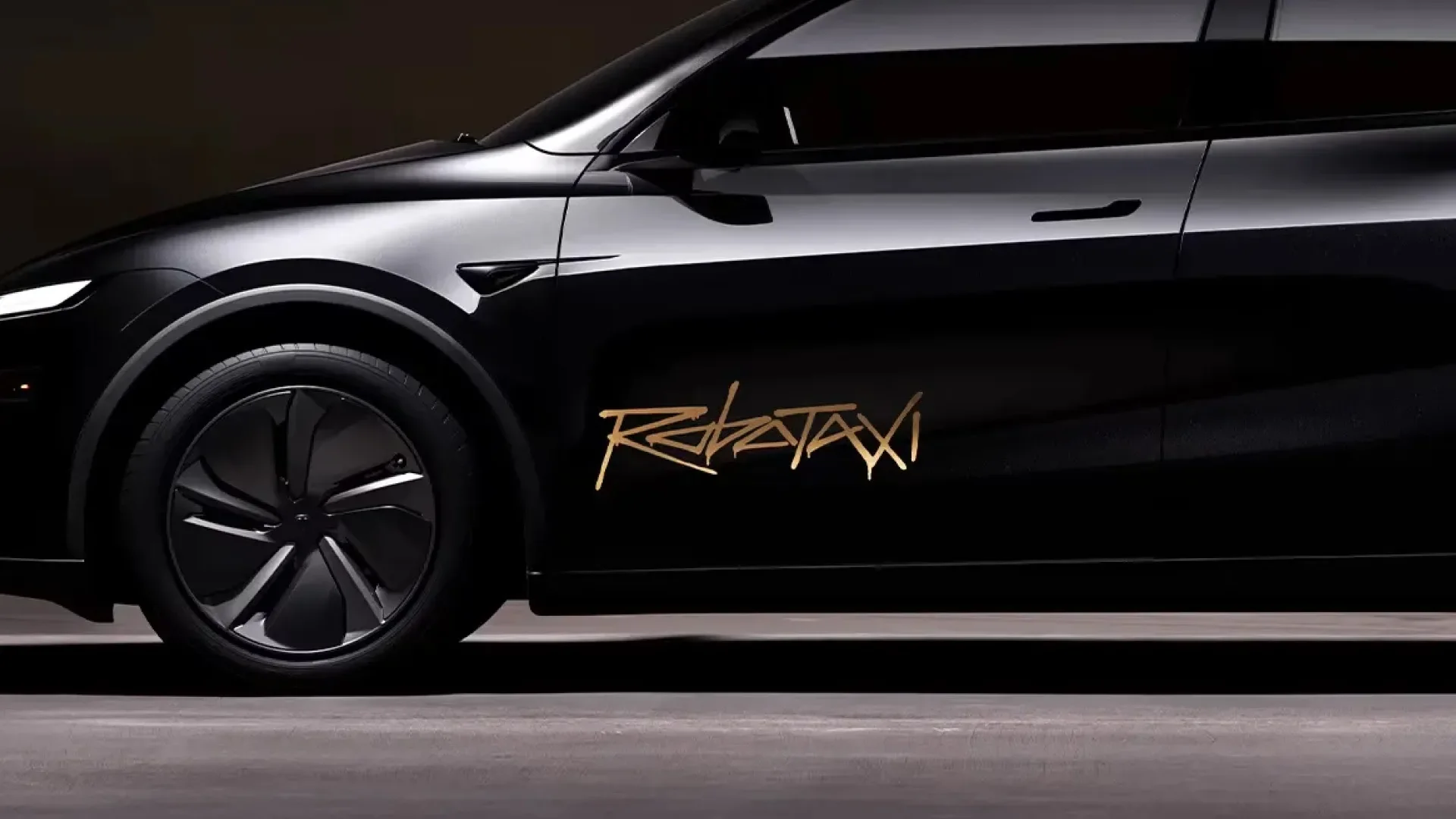
Tesla Robotaxi Unleashed: Wide Access Signals Autonomous Dominance
Inside the Expansion That's Set to Transform Urban Mobility
Tesla's Robotaxi service has gone live for all iOS users, unlocking ride-hailing in the Bay Area and autonomous rides in Austin, Texas. Users across regions like Dallas-Fort Worth, North Carolina, Boston, and even Canada report instant access upon downloading the app. This broad rollout underscores confidence in recent tech upgrades, paving the way for massive fleet growth and safer roads ahead.
Key Takeaways
Tesla's Robotaxi network now accessible to any iOS user, with immediate service in key areas like the Bay Area and Austin.
Fleet expansion targets 500 vehicles in Austin and 1,000 in the Bay Area by year-end, driven by production capacity of over 2 million cars annually.
Latest Full Self-Driving (FSD) version delivers intervention-free drives and multiple times safer performance than average U.S. drivers.
Data shows spikes in miles between critical interventions, supporting wider deployment to cut insurance costs and save lives.
Competition heats up with Waymo expanding to new cities and Zoox launching in San Francisco, but Tesla's AI-driven approach and manufacturing edge position it for faster scaling and lower costs.
Tesla vehicles handle highways seamlessly, unlike some rivals limited to urban zones due to design constraints.
Pricing in Austin starts around $1 per mile, undercutting competitors at $2.50–$3 per mile, with potential for further reductions as fleets grow.
Expansion to 8–10 U.S. metro areas by year-end, including tests in smaller spots like Harrisburg, Pennsylvania, to influence policy.

Tesla's Robotaxi Push Gains Momentum: Arizona Unlocks Statewide Access
Regulatory Wins Fuel Autonomous Ride-Hailing Growth
Tesla's latest permit in Arizona marks a critical advancement in scaling robotaxi services, enabling paid autonomous rides across an entire state and positioning the company for broader U.S. deployment amid improving software capabilities.
Key Takeaways
Tesla obtained a Transportation Network Company permit from Arizona authorities, allowing legal operation of paid robotaxi services without city-specific limits.
The approval process was expedited, with the application submitted and granted within days, highlighting efficient navigation of regulatory requirements.
This development supports plans to reach multiple new metro areas nationwide by the end of the year, leveraging existing vehicle fleets.
Initial launches will incorporate safety monitors and teleoperators to ensure reliability, with software updates driving toward unsupervised operations.
Similar statewide frameworks in places like Texas could enable quick expansions to cities such as Dallas and Houston.
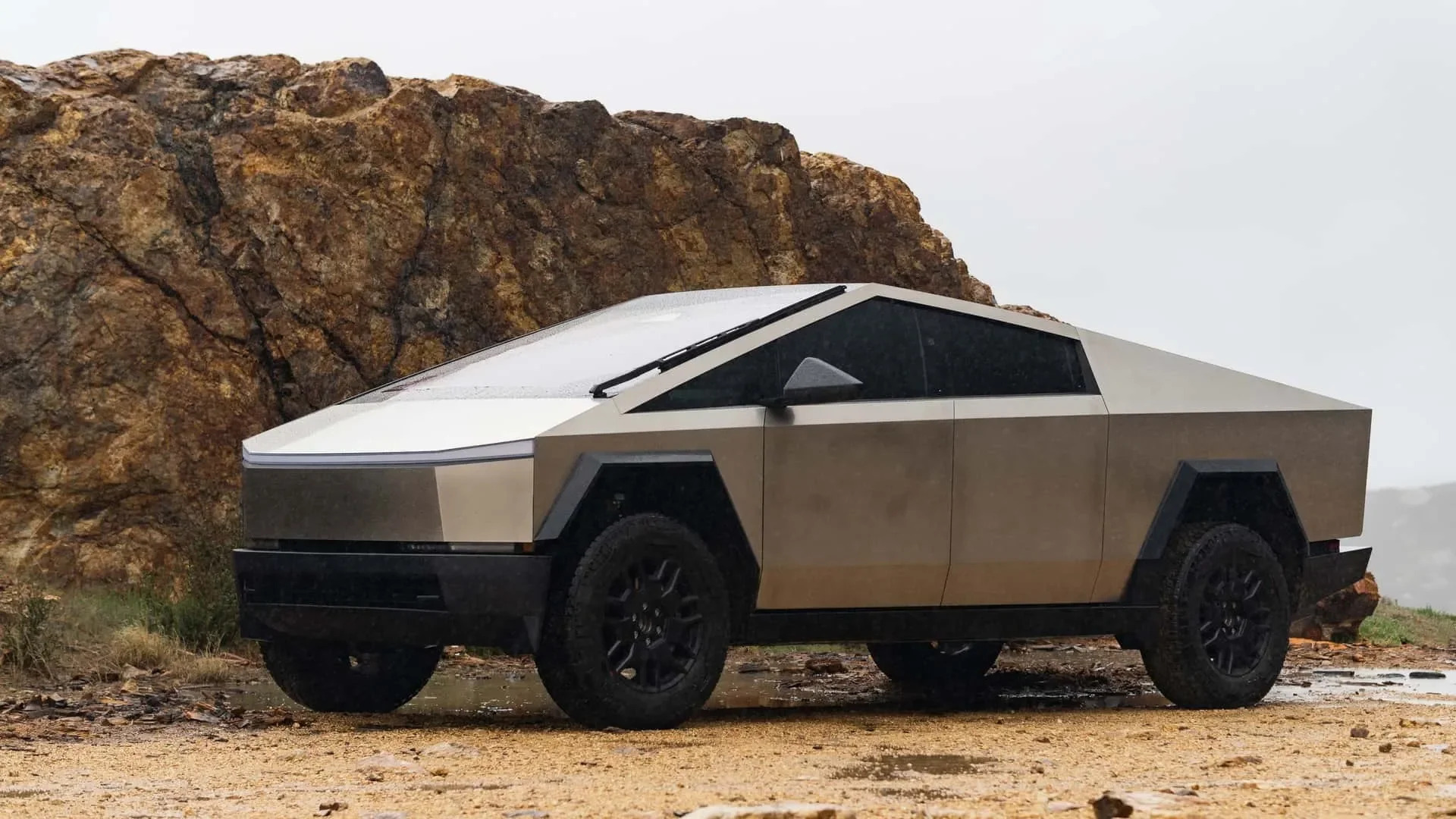
Cybertruck Tackles Austin's Urban Jungle
Navigating Traffic Mayhem and Tech Hurdles in Tesla's Electric Powerhouse
Austin's roads throw everything at drivers—construction zones, hefty tolls, and unpredictable obstacles. Yet, Tesla's Cybertruck slices through it all, showcasing how advanced electric vehicles handle real-world demands without breaking a sweat.
Key Takeaways
Cybertruck manages complex traffic scenarios like blocked roads and uphill climbs independently, reducing driver stress in dense urban areas.
Austin's toll system hits hard with charges around $1.50 for short stretches, reflecting high demand on metro infrastructure.
Navigation systems sometimes lag behind rapid road updates, leading to minor detours in construction-heavy zones.
The vehicle excels in spotting poor driving from others and parking efficiently, even in crowded spots.
Overall, zero-intervention drives highlight the reliability of Tesla's tech in everyday chaos.
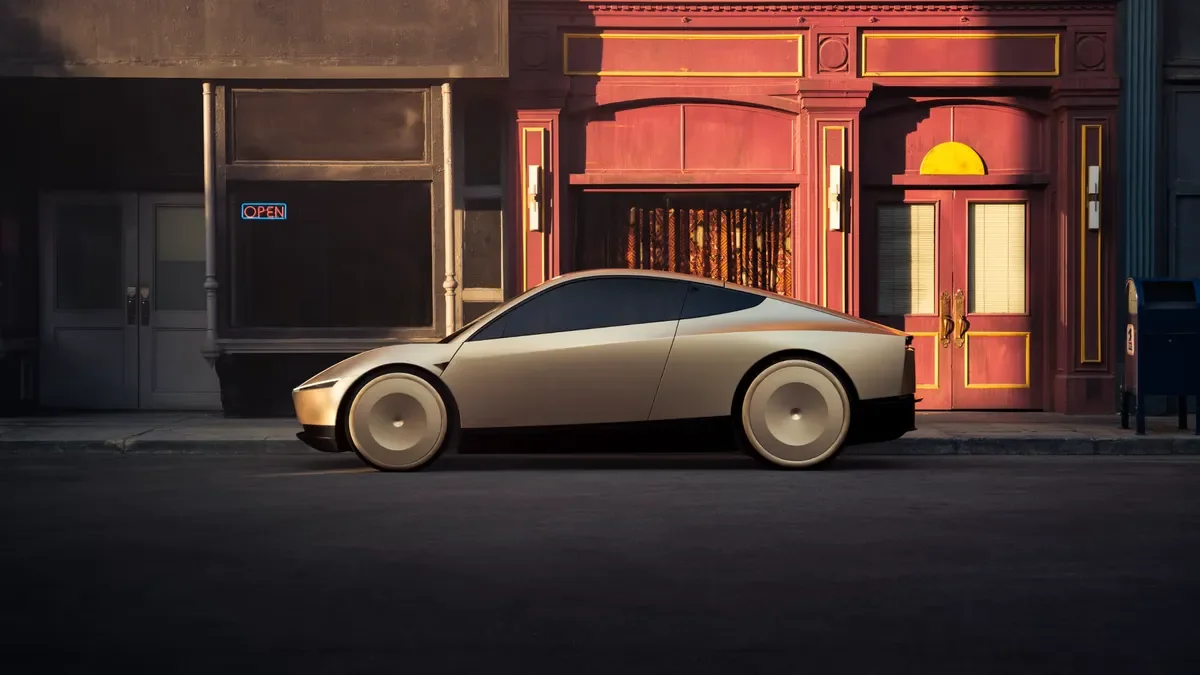
Tesla's Robotaxi Edge: Scaling Autonomy to Every Corner
Why Small Cities and Global Streets Are Tesla's Next Frontier
Tesla is pushing boundaries with Robotaxi trials in unlikely spots like Harrisburg, Pennsylvania, while Cybertrucks equipped with the latest Full Self-Driving software handle urban drives in Europe. These moves highlight a scalable approach to autonomy that could reshape transportation economics worldwide, outpacing rivals limited by hardware and mapping constraints.
Key Takeaways
Tesla's Robotaxi network is expanding into smaller markets like Harrisburg, leveraging massive vehicle production to enter areas competitors ignore.
Full Self-Driving version 14 enables vehicles like the Cybertruck to navigate diverse environments, from U.S. suburbs to European cities, without specialized sensors or pre-mapped routes.
Unlike companies relying on lidar and high-definition maps, Tesla uses camera-based AI trained on billions of miles of real-world data for broader, faster deployment.
This technology promises to lower transportation costs below 50 cents per mile, boosting local economies in underserved regions by reducing friction for travel and commerce.
Global scalability means Tesla can upgrade millions of existing vehicles via software, creating a ride-hailing fleet that transforms affordability and accessibility everywhere.
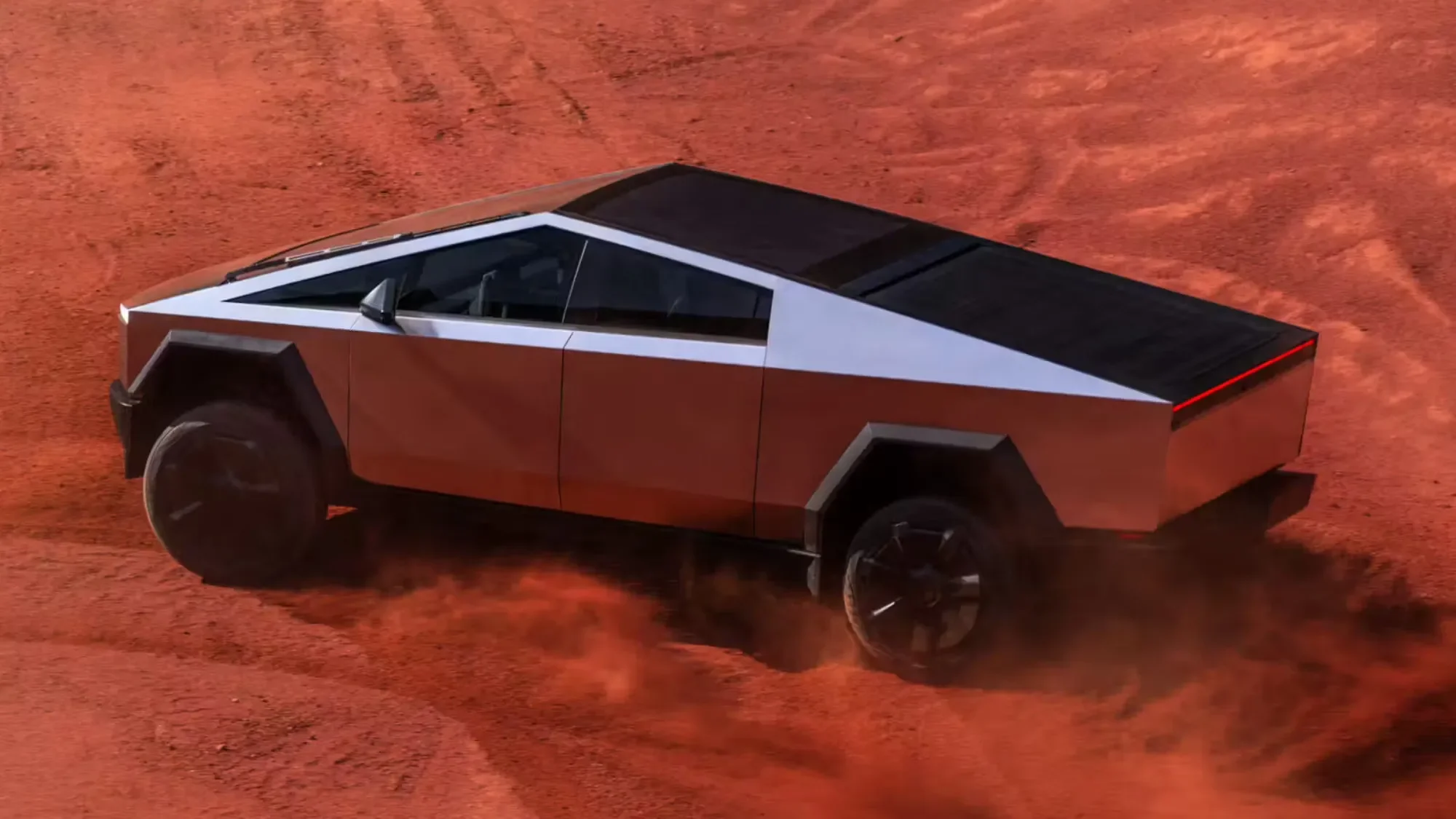
Tesla's Cybertruck Hits Peak Autonomy with FSD v14.1.7
Revolutionizing Roads: From Parking Lots to Profit Machines
Tesla's latest Full Self-Driving update delivers seamless, assertive navigation in real-world conditions, unlocking massive potential for robotaxis and transforming vehicle utility from idle assets to round-the-clock earners.
Key Takeaways
FSD v14.1.7 enables hands-off driving in the Cybertruck, handling everything from parking lot exits to highway merges with minimal intervention.
Mad Max mode prioritizes speed and efficiency, selecting optimal lanes and exceeding speed limits to minimize travel time.
Hardware 4 vehicles like the Cybertruck are poised for unsupervised autonomy soon, eliminating the need for driver attention.
Self-driving tech could multiply vehicle utility by 5x or more, turning personal cars into revenue-generating units.
Robotaxis promise profits of up to $2 per mile, driven by low operating costs around 50 cents per mile without human drivers.
Tesla's production scale gives it a massive edge over competitors like Waymo, which struggles with supply chain dependencies and complex sensor suites.
Widespread adoption may drive down ride costs below $1 per mile long-term, reshaping urban travel and reducing reliance on short-haul flights.
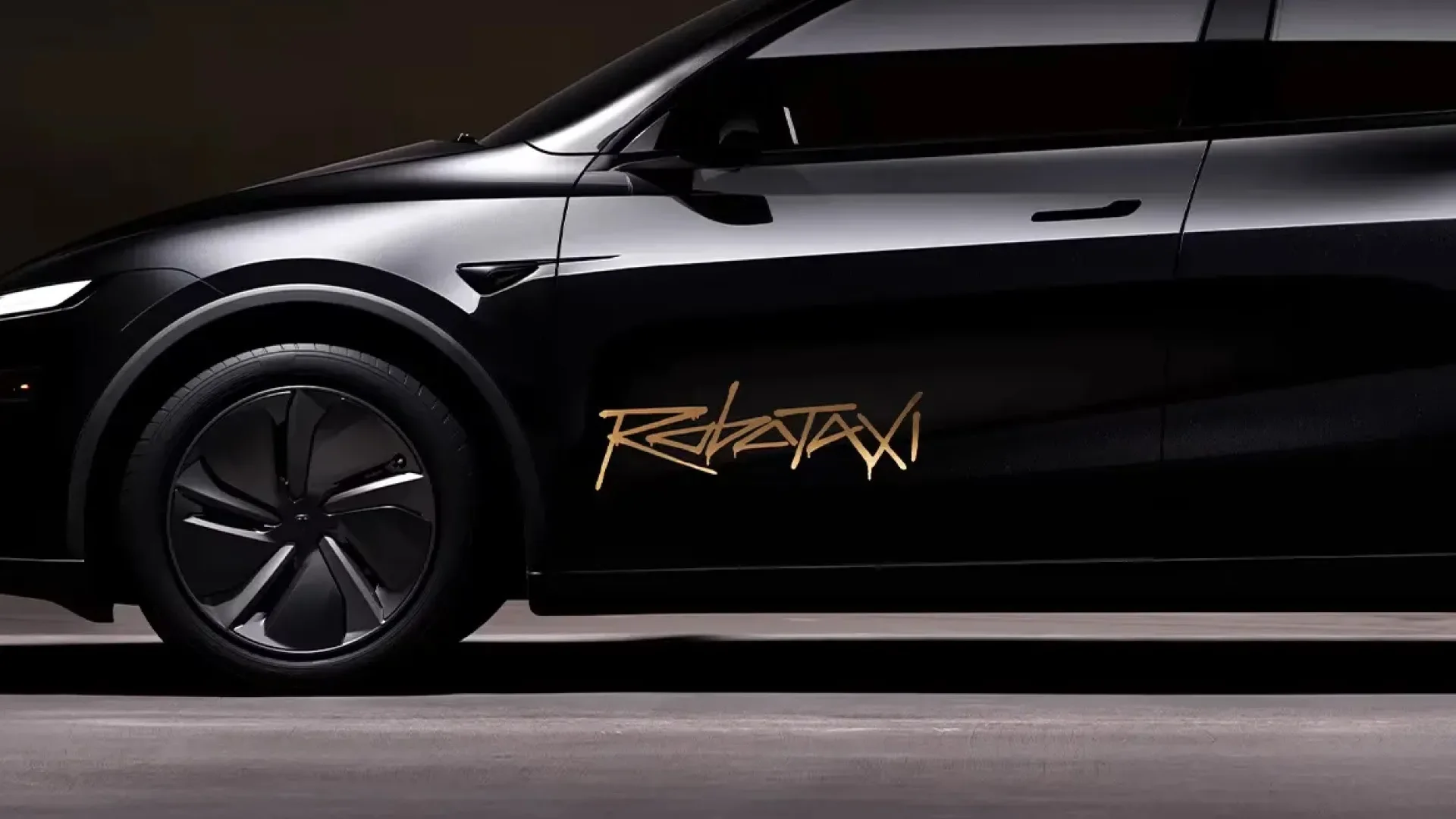
Tesla's Robotaxi: Half the Price, Twice the Future
A real-world ride reveals V14's assertive smarts navigating Austin's chaos—while the network scales up to crush Uber.
Tesla's robotaxi service in Austin is delivering rides for $15 on an 11-mile trip—half the cost of Uber—while showcasing FSD V14's newfound edge in handling pedestrians, construction, and split-second decisions. The real game-changer? Vehicles that prioritize safety without sacrificing speed, all backed by data that's proving this tech is ready for prime time.
Key Takeaways
Robotaxi fares hit $15 for an 11-mile Austin route, undercutting Uber's $30 by 50%, making autonomous rides the budget-friendly choice for urban travel.
FSD V14 brings assertive lane changes and real-time rerouting around obstacles, turning potential hazards into seamless maneuvers.
Vehicles demonstrate heightened awareness, braking preemptively for encroaching traffic and yielding politely to pedestrians, enhancing passenger comfort.
Network scaling is the main bottleneck: 11-minute wait times and local-road routing add 20 minutes versus Uber's highway efficiency, but adding 500 cars could flip the script.
Technical performance shines in complex scenarios like four-way stops and cone-lined detours, with no unsafe moments despite minor hesitations.
Highway access remains limited, keeping ETAs longer, but once unlocked, it promises unbeatable speed and reliability at current pricing.
Tesla's Autonomous Rental Revolution
Redefining Mobility in the Age of Autonomy
Tesla's latest rental offering signals a shift toward flexible, on-demand transportation that could upend traditional car ownership and rental models.
Key Takeaways
Tesla now offers short-term rentals for models like the Model 3 or Model Y, covering charging, maintenance, and insurance for a hassle-free experience.
This program lays the groundwork for a subscription-based transportation system, where vehicles can be summoned via app and returned autonomously.
Self-driving technology enables vehicles to operate without human intervention, maximizing their utility and reducing idle time compared to conventional cars.
Tesla's direct control over sales, service, and fleet management gives it a competitive edge over legacy automakers reliant on dealership networks.
Future expansions could include long-term subscriptions, ride-hailing, and even package delivery, dramatically boosting revenue per vehicle.
Competitors like Waymo face scalability challenges due to higher costs and smaller fleets, while Tesla leverages millions of existing vehicles for rapid deployment.
This model could lower transportation costs globally but may displace jobs in driving and logistics sectors.

Tesla's Stealth Play: From Cybercab to Global AI Supremacy
Why the Future of Driving, Manufacturing, and Intelligence Hinges on Bold Bets and Brutal Realities
Tesla stands on the brink of transforming transportation with vehicles that could eliminate the need for human drivers entirely. Yet, hurdles like regulation and market demand might force adaptations, such as adding steering wheels to robotaxis. Meanwhile, AI's explosive growth promises superhuman capabilities in every field, but it also sparks geopolitical tensions and societal shifts that could redefine economies worldwide.
Key Takeaways
Tesla's Cybercab production line will likely produce vehicles with optional steering wheels and pedals to meet regulatory demands and boost output, potentially creating a sub-$30,000 autonomous car.
Manufacturing innovations like the unboxed process double efficiency, allowing Tesla to flood markets with low-cost vehicles while preparing for full robotaxi fleets.
Regulatory approval for unsupervised self-driving remains the biggest barrier, with initial Cybercab deployments limited to a few thousand units starting mid-2026.
AI advancements could enable superhuman performance in any domain by 2027, accelerating breakthroughs in medicine, manufacturing, and beyond.
Geopolitical risks, including tariffs on Chinese EVs and chip sales, point to a decoupled world where the U.S. relies on domestic players like Tesla to maintain tech leadership.
The path to singularity involves painful transitions, with job displacements offset by potential universal basic income and unprecedented productivity gains.

Tesla's Cybercab Hits Public Roads: Accelerating Toward an Autonomous Revolution
Why Legacy Automakers Are Braking While Tesla Charges Ahead
Tesla's push into fully autonomous vehicles is gaining momentum with the Cybercab now testing on public streets, signaling production readiness by mid-2026. This comes amid broader EV market challenges, including the end of federal tax credits, which are forcing competitors to scale back while Tesla builds its edge in profitable, self-driving tech.
Key Takeaways
Tesla's Cybercab prototype has begun public road testing in California, starting with sightings in Los Altos near the company's engineering headquarters.
Production is on track for Q2 2026 at Gigafactory Texas, supported by a hiring surge in manufacturing and engineering roles.
Regulatory exemptions from NHTSA could allow Tesla to produce and sell vehicles without steering wheels or pedals beyond the current 2,500-unit annual limit.
Legacy automakers like GM are laying off thousands due to slowing EV demand and the loss of tax incentives, highlighting Tesla's unique position in the market.
Tesla's integrated ecosystem—spanning vehicles, software, charging, insurance, and service—positions it to offer affordable, hands-off mobility solutions under $500 monthly.

Tesla's Robotaxi Revolution: Accelerating Autonomy in Austin and Beyond
Redefining Urban Mobility with Self-Driving Tech at Scale
Tesla's rapid rollout of its Robotaxi network in Austin marks a pivotal shift in autonomous transportation, blending AI-driven expansion with practical strategies to navigate regulatory landscapes. This development unlocks new ways for everyday users to experience self-driving vehicles, from city-wide coverage to affordable personal ownership models that could outpace fleet operations.
Key Takeaways
Tesla's Robotaxi network in Austin expanded from a small South Austin area to cover about 80% of the city in just four months, now including high-traffic zones like the Domain in the northwest and a large portion of east Austin.
Current challenges include long wait times due to a limited fleet of around 18-20 vehicles, far short of the 50-100 needed to service the expanded area effectively.
The network uses standard Model Y vehicles, which Tesla produces at a rate of over 1.2 million units annually, enabling quick scaling once safety data supports it.
Regulatory limits cap production of steering-wheel-free vehicles at 2,500 per year without exemptions, pushing Tesla toward models with optional steering wheels and pedals to comply with federal and state rules.
Future strategy focuses on selling low-cost autonomous vehicles (around $20,000 to build) on subscription plans of $400-600 monthly, including maintenance, insurance, and self-parking features, potentially generating more revenue than robotaxi fleets in the next 3-5 years.
Advanced AI in the latest Full Self-Driving (FSD) software allows seamless operation across diverse U.S. environments, setting the stage for unsupervised autonomy that lets vehicles handle everything from parking to service visits independently.

Tesla's Cybercab Pivot: Unlocking Mass-Market Autonomy
Revolutionizing Affordable EVs with a Regulatory Twist
Tesla's upcoming Cybercab is set to reshape the electric vehicle landscape by blending cutting-edge autonomy with practical design adaptations, potentially delivering a sub-$30,000 car that drives itself without constant supervision. This move addresses production bottlenecks and regulatory hurdles, paving the way for high-volume sales starting in 2026.
Key Takeaways
Tesla plans to equip the Cybercab with a steering wheel and pedals if needed, allowing it to bypass strict U.S. regulations that cap driverless vehicle sales at 2,500 units per year.
This design flexibility positions the Cybercab as an affordable EV option below the Model 3's price point, targeting under $30,000 to expand market reach.
Production ramps up mid-2026 on a new assembly line with capacity for around 800,000 units annually, but regulations in the U.S., Europe, and China limit demand for fully driverless models without controls.
Tesla's advanced autonomy tech is nearing completion, enabling unsupervised full self-driving (FSD) capabilities that could make the Cybercab a game-changer for everyday commuting.
By adding traditional controls, Tesla avoids idle factories and maximizes output, drawing from past pivots like the Model Y to meet safety standards while pushing innovation.
Tesla’s Self-Driving Breakthrough: Conquering Manhattan’s Chaos
Why Version 14 Could Redefine Urban Mobility
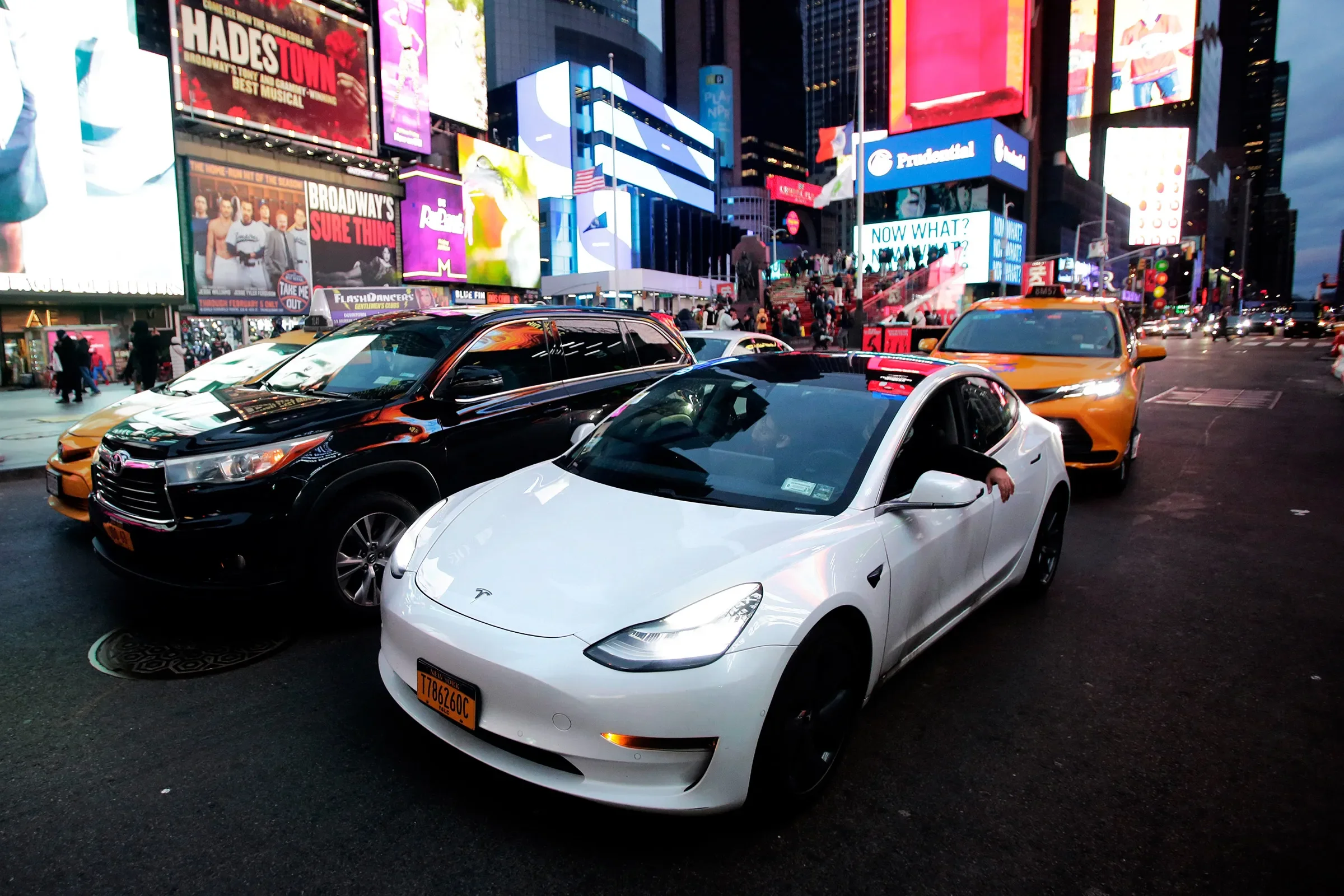
Manhattan’s streets are a gauntlet of unpredictable pedestrians, aggressive cabbies, and relentless traffic. Yet, Tesla’s Full Self-Driving (FSD) Version 14 is navigating this chaos with the confidence of a seasoned New Yorker. This isn’t just incremental progress—it’s a leap toward a future where cars don’t just drive but think and react like the best human drivers. For tech enthusiasts, this is a pivotal moment: Tesla’s FSD is proving itself in one of the world’s toughest driving environments, raising questions about the future of transportation, urban living, and vehicle ownership.
Key Takeaways
Manhattan Mastery: FSD Version 14 handles New York City’s chaotic streets with near-human precision, navigating complex scenarios like lane changes, emergency vehicles, and construction zones.
New Yorker Instincts: The software mimics the assertive, quick-decision driving style of native New Yorkers, cutting drive times and boosting efficiency.
Drop-Off and Pickup Progress: Version 14 executes smooth curbside drop-offs and pickups, though parking in complex garages still needs refinement.
User Education Gap: Tesla’s lack of clear tutorials and fragmented update process hinders mainstream adoption, despite the software’s capabilities.
Robotaxi Potential: With further localization and unsupervised driving, Tesla could transform urban mobility, slashing costs like parking (up to $800/month in Manhattan).
Hardware Challenges: Fragmentation across hardware versions (e.g., HW3 vs. HW4) creates confusion, requiring clearer communication from Tesla.

Tesla's Autonomous Empire: Why the Game Is Already Over
Revolutionizing Mobility and Labor in Ways We Can't Ignore
The shift to fully autonomous vehicles and humanoid robots isn't just on the horizon—it's accelerating faster than most realize, with profound implications for industries, jobs, and economies. This transformation promises cheaper, safer transport and ultra-efficient labor, but it also signals massive disruptions that societies aren't prepared for. Here's what tech enthusiasts need to know about the impending changes.
Key Takeaways
Tesla's self-driving technology positions it to dominate global transportation, potentially rendering ride-sharing giants uncompetitive by the decade's end.
Humanoid robots, built on the same AI frameworks as autonomous cars, will handle repetitive tasks in factories within five years, expanding to complex jobs like cooking by 2040.
Over a billion vehicles worldwide mean the transition to autonomy will be gradual, but the total market opportunity is enormous.
Widespread adoption of robots could drive labor costs below $5 per hour, creating deflationary pressures that might counterbalance recent excessive money printing.
Governments lack the foresight and structure to proactively address job losses affecting millions, leading to reactive economic adjustments.
Competitors in self-driving tech lag far behind, with production capacities limited to thousands of units annually compared to Tesla's scale.
Humanoid Robots and Robotaxis: The Transportation Revolution Is Here
Why Autonomous Vehicles Are Poised to Upend Ridesharing and Redefine Mobility
The age of autonomous transportation is no longer a distant dream—it’s unfolding now, faster than most realize. Self-driving technology, led by advancements in AI and robotics, is set to transform how we move, with robotaxis at the forefront. These driverless vehicles promise cheaper, safer, and more convenient rides, threatening to disrupt traditional ridesharing giants like Uber. The implications are massive, from reshaping urban mobility to redefining vehicle ownership. Here’s what you need to know about this seismic shift.
Key Takeaways
Rapid Rollout: Supervised autonomous driving systems are expected to reach widespread use by late 2025, with unsupervised systems potentially following by mid-2026.
Robotaxi Scaling: Driverless ridesharing services are expanding in cities like Austin and could soon spread to new regions like Arizona, with safety observers likely removed within months.
Market Disruption: Robotaxis offer lower costs, greater privacy, and enhanced safety, positioning them to outcompete traditional ridesharing platforms.
Regulatory Hurdles: Insurance and liability frameworks remain critical barriers to fully unsupervised driving for personal vehicles.
Consumer Behavior Shift: Early adopters in areas like the Bay Area already prefer autonomous rides over human-driven options, signaling a broader trend.
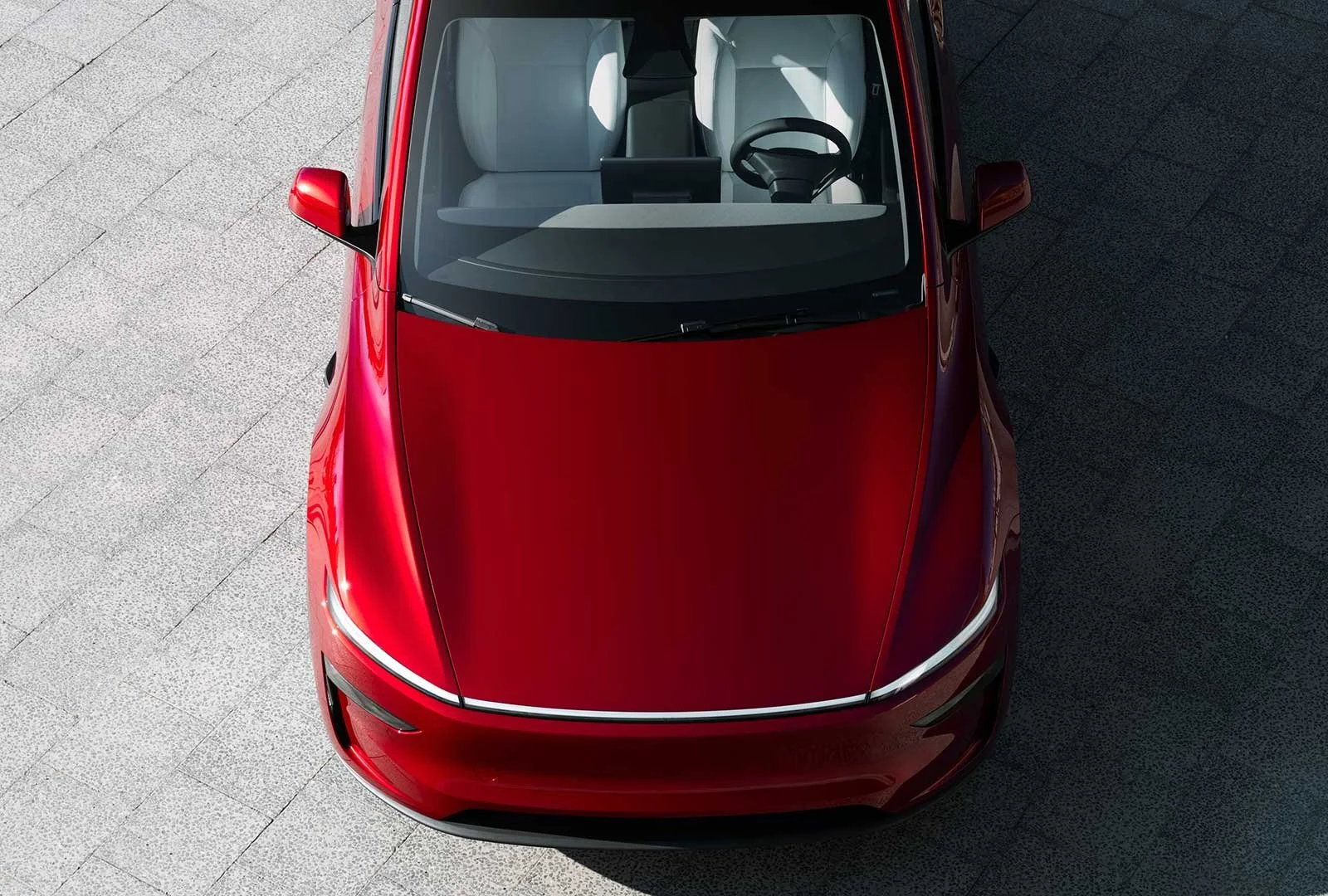
Tesla’s Autonomous Revolution: The Dawn of Robotaxis and Beyond
Why Tesla’s FSD v14 Could Redefine Transportation Forever
Tesla’s latest advancements in autonomous driving technology are poised to reshape the automotive and transportation industries. With Full Self-Driving (FSD) version 14, the company appears to have cracked the code on unsupervised self-driving, a milestone that could transform millions of vehicles into autonomous assets. This breakthrough isn’t just about cars—it’s about a seismic shift in how people move, how cities function, and how businesses compete in a rapidly evolving market.
Key Takeaways
Unsupervised FSD Breakthrough: Tesla’s FSD v14 demonstrates near-human or superhuman driving capabilities, enabling vehicles to navigate complex scenarios without driver intervention.
Massive Fleet Potential: With 3–4 million Tesla vehicles worldwide potentially upgradable to unsupervised FSD, the company could deploy a vast robotaxi network.
Cost and Scale Advantage: Tesla’s ability to produce affordable vehicles (around $30,000) with advanced AI gives it a significant edge over competitors like Waymo.
Market Disruption: The expansion of Tesla’s robotaxi network could challenge ride-hailing giants like Uber by offering lower-cost, driverless services.
Regulatory and Data Hurdles: While the technology is advanced, Tesla must accumulate extensive data and secure regulatory approval to scale unsupervised driving.
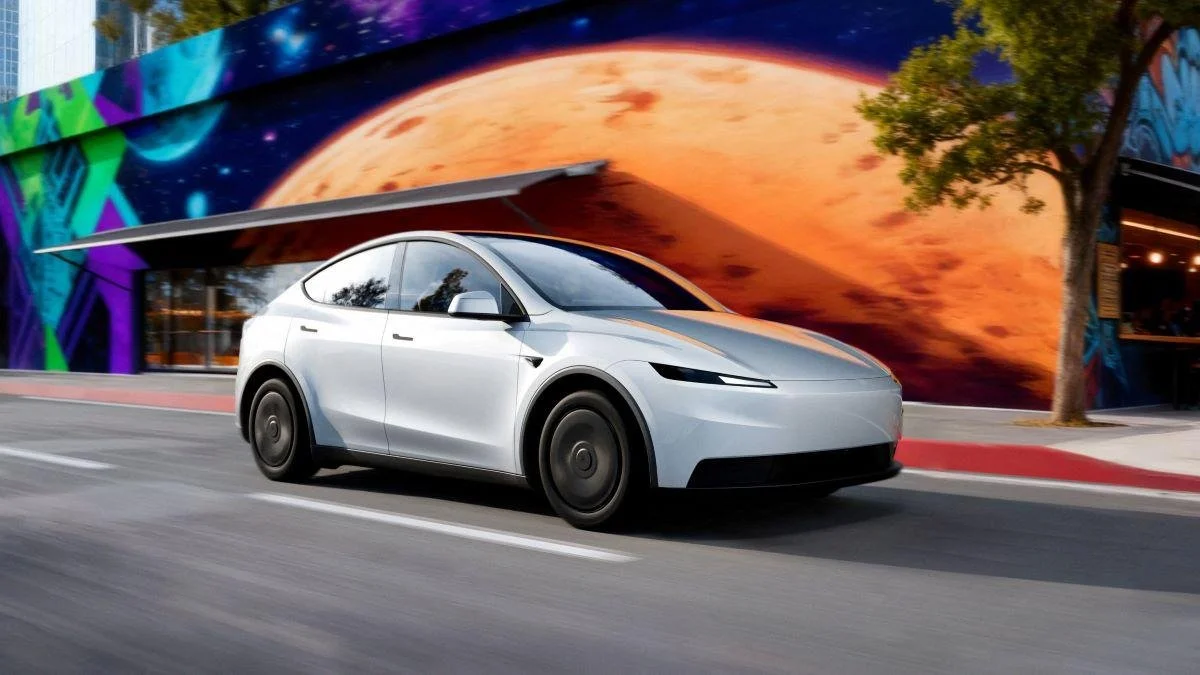
Tesla's Affordable EV Gambit: Model 3 and Y Standards Hit the Road Under $40K
Stripped-down powerhouses with 300+ mile range promise to shake up the mass-market EV race—but will they truly democratize electric driving?
Tesla's latest move drops two entry-level versions of its flagship sedans and SUVs, blending cost-cutting with core performance to target everyday buyers. These standards pack real-world efficiency gains and seamless tech integration, setting the stage for broader EV adoption amid a crowded market.
Key Takeaways
The Model 3 Standard starts at $36,990 with 321 miles of EPA-estimated range, rear-wheel drive, and 0-60 mph in 5.8 seconds, making it a nimble daily driver for urban commuters.
The Model Y Standard kicks off at $39,990, offering the same 321-mile range in SUV form, with 75 cubic feet of cargo space and a 3,500-pound towing capacity for family haulers.
Both models trim luxuries like premium audio, heated rear seats, and advanced driver aids to hit affordability targets, but retain essentials such as a 15.4-inch touchscreen, heated front seats, and access to the Supercharger network.
Deliveries begin in December 2025 for most U.S. markets, with immediate ordering available online—positioning Tesla to rebound from recent sales dips.
Battery tweaks deliver up to 160 miles of charge in 15 minutes, emphasizing practical fast-charging that rivals gas station stops for road trips.

Tesla's Affordable EV Gambit: Stripped-Down Speed at a Steep Price
Unveiling the Future of Reusable Rockets and Global Connectivity
The latest Starship test flight has once again redefined what’s possible in space exploration. From a flawless launch to daring reentry experiments, this mission showcased the resilience of SpaceX’s ambitious rocket and its role in shaping the future of interplanetary travel and global internet access. Tech enthusiasts, buckle up—this flight delivered groundbreaking insights into reusable rocket technology, thermal protection systems, and the power of Starlink’s connectivity.
Key Takeaways
Successful Hot Staging and Separation: Starship executed a precise hot staging maneuver, with the Super Heavy booster and Starship separating cleanly, marking a significant step toward reliable reusability.
Raptor Engine Reliability: All 33 Raptor engines on the Super Heavy booster and six on Starship performed nominally, with a successful in-space Raptor relight demonstrating critical deorbit capabilities.
Payload Deployment Milestone: Eight Starlink simulators were deployed, paving the way for future missions to carry up to 60 advanced V3 Starlink satellites, boosting network capacity by 60 terabits per second per launch.
Thermal Protection Testing: Intentional removal of heat shield tiles tested Starship’s resilience under extreme reentry conditions, providing valuable data for future iterations.
Starlink’s Real-Time Data Power: Starlink’s connectivity enabled uninterrupted HD video and telemetry during reentry, overcoming plasma interference to deliver critical engineering data.

Tesla's Epic Comeback: Record Deliveries Signal a New Era in EVs
Why Tesla's Q3 2025 Could Redefine the Auto Industry's Future
Tesla stands on the brink of its largest quarter yet, with delivery numbers poised to shatter records and margins climbing back toward healthier levels. As EV demand evolves without federal tax credits, the company is shifting gears toward affordable options and advanced autonomy, even as rivals like BYD face their first sales dips in years. This moment highlights Tesla's resilience in a volatile market, offering fresh opportunities for growth through software and innovative vehicles.
Key Takeaways
Tesla's Q3 2025 deliveries are forecasted at 512,000 units, surpassing the previous record of 495,000 from Q4 2024.
Gross margins could rebound to around 17% or higher, thanks to high volume and minimal price cuts, driven by urgency around the expiring EV tax credit.
Competitors like BYD are experiencing their first year-over-year sales decline in five years, amid supply chain strains and reduced subsidies.
Tesla plans to introduce more affordable models, potentially stripped-down versions of the Model 3 or Y, sold at cost with profits from recurring software like Full Self-Driving (FSD).
Upcoming FSD V14 promises unsupervised driving, a massive leap that could generate thousands in annual revenue per vehicle through subscriptions.
The Cybercab, a fully autonomous vehicle without steering wheel or pedals, represents Tesla's long-term vision, though regulatory hurdles limit near-term sales.
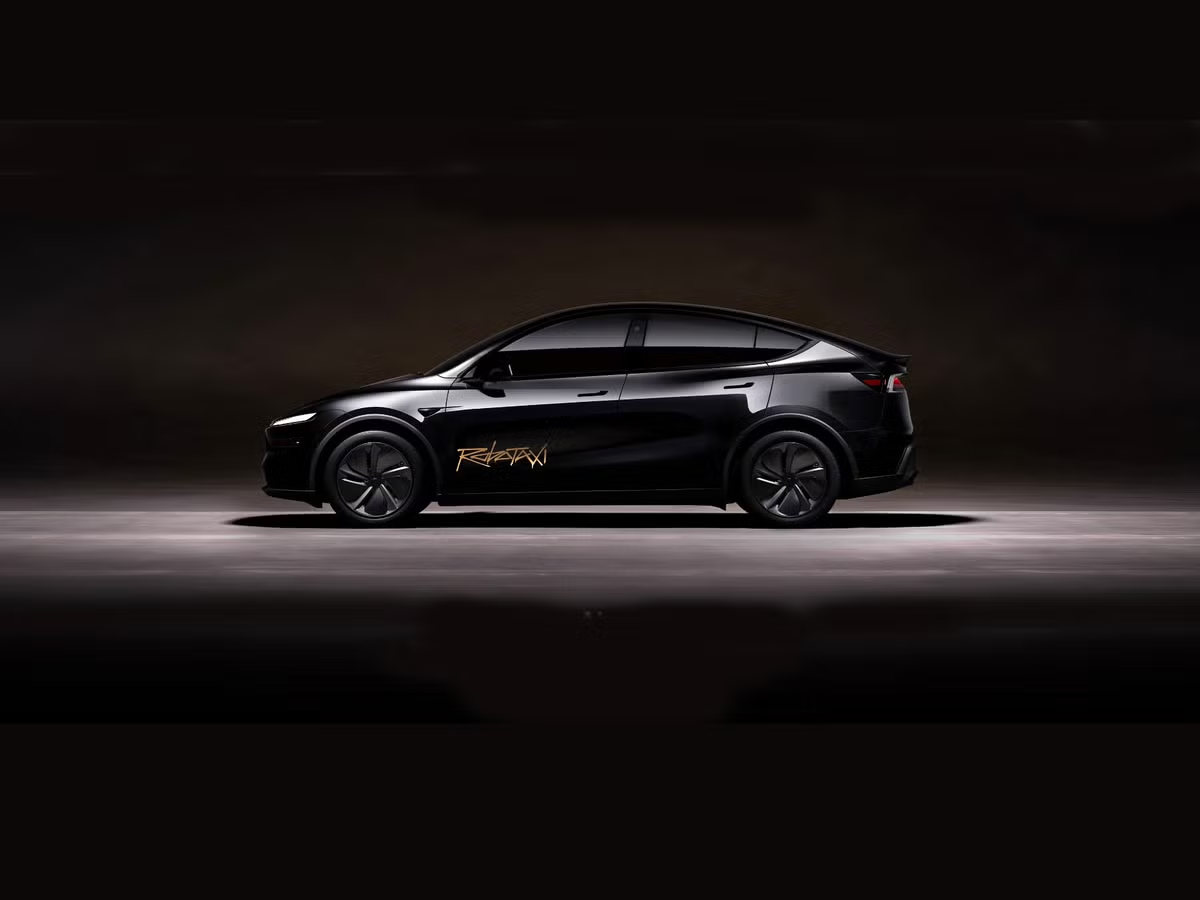
Tesla's Robotaxi Surge: Nevada Green Light Accelerates Nationwide Rollout
Unlocking Driverless Highways and Smarter AI: How Tesla's Latest Approvals Could Redefine Urban Mobility
Tesla's autonomous driving push hits a milestone with Nevada's testing approval, paving the way for rapid expansion into permissive states. This move highlights key advantages in safety tech and regulatory navigation, setting the stage for scalable robotaxi networks that could outpace rivals by integrating highways and public access sooner.
Key Takeaways
Tesla secured approval from the Nevada DMV to test robotaxis on public roads, enabling operations without a driver in permissive environments similar to Texas.
Nevada's regulations require $5 million insurance and incident reporting but allow straightforward testing, mirroring Texas's hands-off approach that favors quick scaling.
Current robotaxi services in Austin cover 173 square miles, including highways with safety operators, while Bay Area operations span 400 square miles and aim for 100 driverless vehicles by month's end.
Upcoming FSD V14 software promises 2-3x human-level safety unsupervised, with a 10x parameter boost for fewer interventions and smoother performance.
Tesla's edge over competitors like Waymo lies in public highway access and open ridership, allowing faster data collection and service growth in states like Arizona and Florida.
Profitability from robotaxis may emerge in 2+ years, starting with 3:1 to 5:1 vehicle-to-supervisor ratios yielding 20-30% gross margins per unit.
Expansion targets half the U.S. population by year-end, leveraging an app-based waitlist to prioritize high-demand regions and build a nationwide network.

Tesla’s Record-Breaking Q3 2025: Model Y Surge and FSD Ambitions
Why Tesla’s Third Quarter Could Redefine Electric Vehicle Dominance
Tesla is poised to deliver a blockbuster third quarter in 2025, with projections pointing to a record-breaking number of vehicle deliveries, driven by skyrocketing demand for the Model Y and strategic moves to capitalize on expiring U.S. tax credits. The company’s focus on Full Self-Driving (FSD) technology and production ramps signals a bold push to reclaim its edge in the electric vehicle (EV) market, even as competition intensifies. Here’s what tech enthusiasts need to know about Tesla’s trajectory and what’s fueling this comeback.
Key Takeaways
Record Delivery Projections: Analysts forecast Tesla will deliver around 488,000 vehicles in Q3 2025, potentially nearing 500,000, a new quarterly high, driven by strong Model Y demand.
Model Y Inventory Crunch: Low inventory levels, especially in the U.S., reflect surging demand, with some regions like Austin, Texas, reporting zero new Model Y stock within a 200-mile radius.
U.S. EV Tax Credit Impact: The impending expiration of the $7,500 federal EV tax credit on September 30, 2025, is spurring a rush of orders, with buyers securing binding purchase agreements to lock in savings.
Model Y L Success in China: The six-seater Model Y L has sold out for September 2025 in China, pushing delivery dates to October, highlighting robust demand in Tesla’s second-largest market.
FSD as a Game-Changer: Tesla’s advancements in Full Self-Driving (FSD) version 14, expected in late 2025, could significantly boost demand by offering safer-than-human driving capabilities, potentially transforming the company into a leader in autonomous transportation.
Production and Pricing Adjustments: Tesla is considering increasing Model Y production and prices in response to demand, balancing profitability with market expansion.