

Tesla's Robo-Taxi Edge: Slashing Prices and Paving the Path to Profit
Decoding how autonomous rides are undercutting traditional services and what it means for the future of mobility
Tesla's robo-taxi service is transforming urban travel with fares that undercut Uber by up to 50%, based on early deployments in key U.S. cities. This pricing power stems from low-cost hardware baked into millions of existing vehicles, pointing toward profitability at scale while delivering safer, more private rides. Yet, as adoption grows, it raises urgent questions about workforce displacement in a driving-dependent economy.
Key Takeaways
Tesla's robo-taxi rides average around $1 per mile, compared to Uber's $2 or more, making it a cost-effective alternative even in early stages with safety oversight.
Operating costs for autonomous vehicles could fall to $0.20-$0.40 per mile once fleets optimize, enabling profits of 40-80 cents per mile at current pricing levels.
Deployments vary by region: Austin operates with a safety rider in the passenger seat and remote monitoring, while the Bay Area requires an active driver due to stricter regulations.
Riders gain privacy, full control over in-car features like climate and entertainment, and superior safety from always-attentive systems that reduce accident risks tied to distraction or impairment.
The technology promises economic unlocks like affordable transport for underserved groups, but it risks displacing millions of drivers, necessitating proactive policy responses to manage labor shifts.
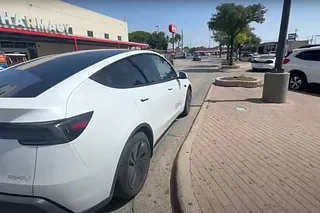
Tesla's Robotaxi Revolution: Unlocking Trillions in Autonomous Mobility
Why Self-Driving Fleets Could Reshape Transportation and Deliver Massive Profits
Tesla's push into robotaxis represents a pivotal shift in mobility, blending advanced AI with massive manufacturing scale to potentially generate enormous profits. At the core are insights into cost efficiencies that could yield up to $150,000 in annual profit per vehicle at scale, paving the way for a business valued in the trillions. This isn't just about cars driving themselves—it's about an ecosystem where data, compute, and smart economics converge to outpace competitors and transform urban travel.
Key Takeaways
Tesla's AI-driven approach to autonomy relies on cameras and massive compute clusters, enabling low-cost vehicles ($35,000 or less) compared to competitors' sensor-heavy setups costing $150,000–$200,000 per unit.
Profitability hinges on the ratio of robotaxis to human supervisors: at 3:1, fleets break even; at higher ratios like 100:1, annual profits per vehicle could hit $136,000 with Uber-like pricing.
A fleet of 1 million robotaxis could generate $136 billion in yearly net profit, leading to a 5-year ROI of $650 billion, assuming conservative costs and average ride data.
The upcoming Cybercab vehicle slashes costs further—to around $20,000 per unit—with enhanced AI hardware, potentially boosting per-vehicle profits to $155,000 annually at extreme scales.
Challenges include regulatory hurdles, safety improvements via more data and compute, and competition, but Tesla's existing factories (producing 1.2 million similar vehicles yearly) provide unmatched scaling potential.
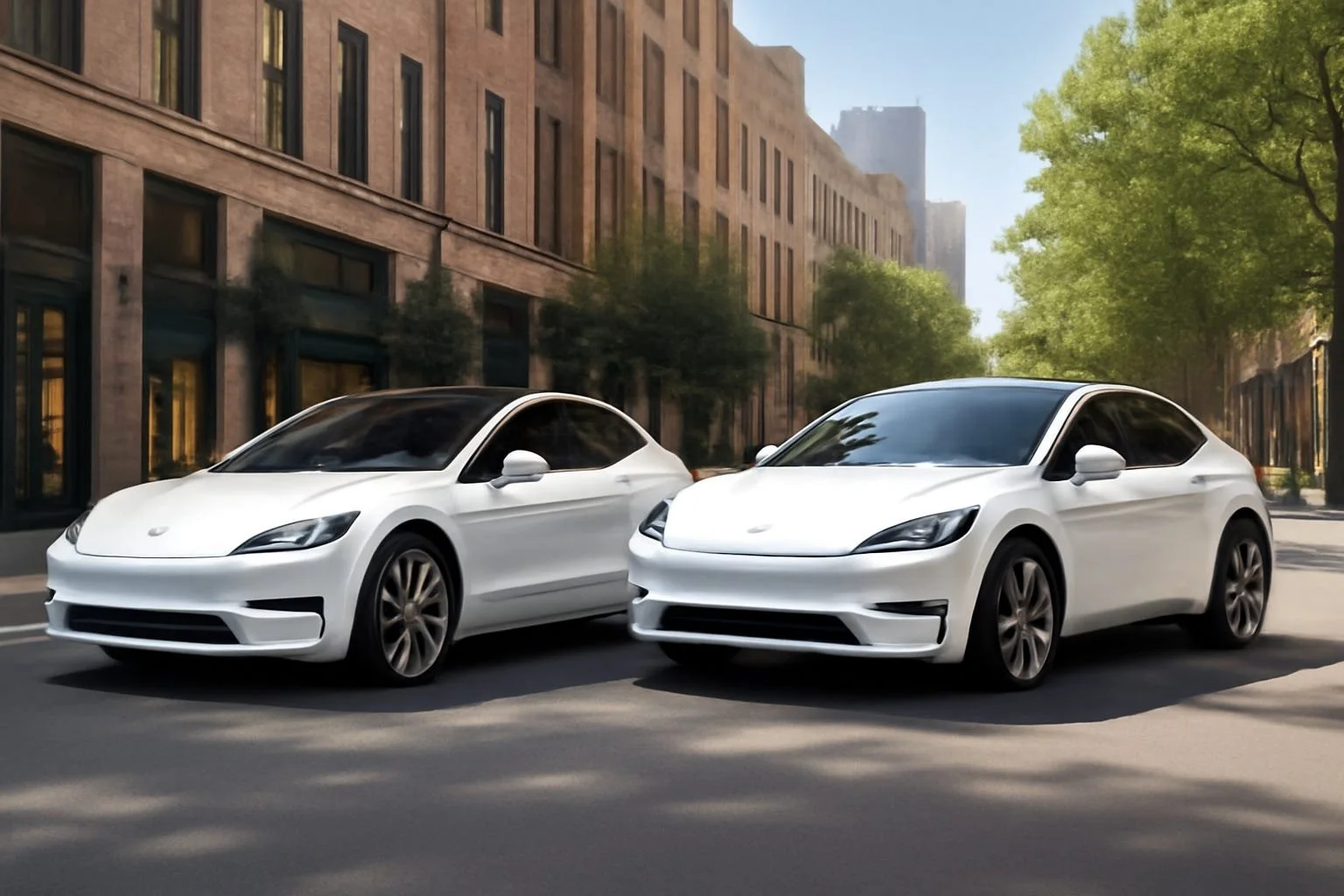
The Robotaxi Panel: 119 Rides Later
Industry insiders share unfiltered insights on pricing wars, expansion strategies, and the race to dominate autonomous transportation
Five Tesla enthusiasts who collectively logged 119 robotaxi rides gathered to dissect the emerging battleground between Tesla and Waymo in Austin. Their candid discussion reveals surprising operational challenges, aggressive expansion possibilities, and why the economics of self-driving cars might destroy traditional ride-sharing sooner than expected.
Key Takeaways
Waymo charges $5-6 more per ride than Uber in San Francisco yet captured 25% market share in just 16 months, proving customers will pay premium for driverless experience
Tesla needs 3 robotaxis per teleoperator to achieve profitability; current 1:2 ratio (one car, two operators) is economically unsustainable
Waymo's Austin operations require "hacking" the Uber app with specific preferences, creating significant user friction compared to Tesla's dedicated app
North Austin expansion faces challenges including heavy foot traffic, University of Texas campus crowds, and 90,000-person football game days
Tesla manufactures Waymo's entire global fleet equivalent every 5 hours, highlighting massive scale advantages
House passage of EV tax credit elimination accelerates Tesla's Q3 timeline, potentially spurring faster robotaxi deployment
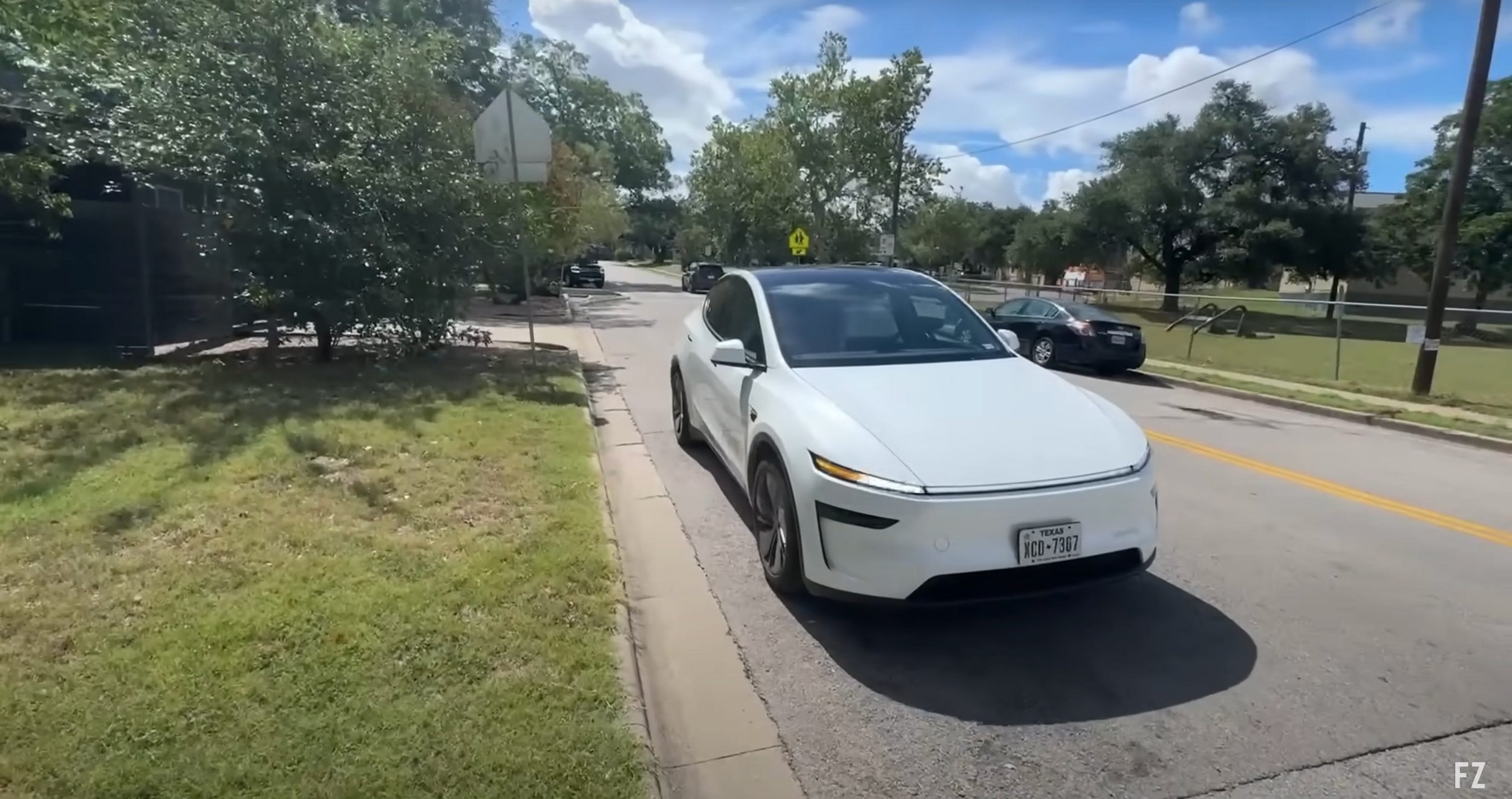
When Drop-Off Buttons Go Rogue: Inside Tesla's Robotaxi Testing in Austin
Early trials reveal both impressive capabilities and critical safety issues that need immediate attention
As Tesla's robotaxis continue their early deployment in Austin, extensive real-world testing is revealing both the remarkable progress of autonomous driving technology and some concerning edge cases that demand immediate attention. After conducting over 20 rides in Tesla's Model Y robotaxis and comparing them directly with Waymo's established service, clear patterns are emerging about the strengths and weaknesses of each approach.
Key Takeaways
Tesla's "drop me off" button exhibited dangerous behavior, stopping in the middle lane of active traffic instead of finding safe locations
The Model Y robotaxis demonstrated superior ride comfort, smoother driving dynamics, and better handling of complex maneuvers compared to Waymo vehicles
App integration creates significant friction for Waymo users in Austin, requiring specific preference settings and delivering inaccurate ETAs due to routing mismatches
Tesla vehicles successfully navigate unprotected left turns while Waymo appears to avoid them entirely, adding time to routes
Both services still operate with safety drivers, but Tesla's vertical integration provides advantages in data collection and user experience
Wait times for Tesla robotaxis currently exceed Waymo due to limited fleet size, though individual ride quality surpasses competitor offerings
Robotaxi's Most Important Question
Why Remote Operators Could Make or Break the $1 Trillion Opportunity
The secret ratio that determines whether self-driving cars print money or burn cash
Key Takeaways
The Magic Number: Tesla aims to achieve 3+ robotaxis per remote supervisor within 1-2 months, a critical threshold for profitability
The $100K Problem: Each remote operator costs roughly $100,000/year in salary and benefits, making the operator-to-vehicle ratio the biggest factor in unit economics
Manufacturing Advantage: Tesla can produce 1.2 million vehicles annually at ~$35,000 each, while competitors like Waymo build only 2,000 vehicles at significantly higher costs
The Bitter Lesson: Success depends on raw AI computing power - Tesla's massive Cortex 2 training cluster directly correlates to reduced supervision needs
Hidden Infrastructure: Tesla's existing service centers, charging network, insurance, and app ecosystem eliminate billions in startup costs that competitors face
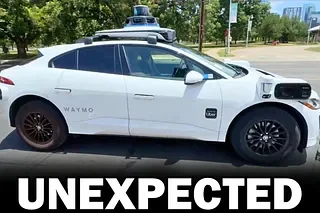
The Robotaxi Reality Check
When autonomous vehicles meet Texas barbecue, things get interesting.
Picture this: Two self-driving cars pull up to Terry Black's BBQ in Austin. One stops in the middle of the road, blocking traffic. The other glides into the parking lot. Welcome to the current state of autonomous ridesharing, where the future is already here—it just needs some work.
Key Takeaways
Waymo operates at larger scale in Austin with faster pickup times (1-3 minutes) but struggles with basic pickup/dropoff logistics, frequently stopping in active traffic lanes
Tesla's Robotaxi delivers smoother rides with more human-like driving behavior but remains limited to a smaller service area in South Austin
Integration matters: Waymo's reliance on Uber's app creates routing confusion and communication gaps between systems
Pricing dynamics reveal market expectations: Waymo charges $7-12 per ride (roughly 2x Robotaxi's introductory pricing), with consumers expecting autonomous rides to cost less than human-driven alternatives
Both services achieve core functionality: Safe arrival at destinations with minimal intervention, though execution differs significantly
The Texas factor: Autonomous vehicles must navigate unique challenges including wrong-way drivers, construction zones, and unpredictable human behavior
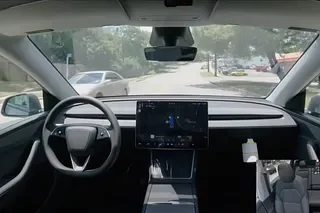
Tesla's Robotaxi Revolution
The self-driving future just arrived in Texas, and it's smoother than you think
The streets of South Austin have become ground zero for what might be the most significant shift in transportation since the Model T. Tesla's robotaxi network went live this past Sunday, marking a pivotal moment that few saw coming this soon. After years of promises and delays, paid autonomous rides are now a reality—and the implications stretch far beyond Texas.
Key Takeaways
Tesla's robotaxi service launched in South Austin with safety drivers present but no one behind the wheel, offering paid rides to a limited pool of users
Instant pairing eliminates ride rejection issues common with traditional rideshare services—if a car is available, you get matched immediately regardless of trip distance
The driving experience sets a new standard using AI trained on top 5% of drivers, delivering consistently smooth acceleration, braking, and navigation
Seamless ecosystem integration automatically syncs your Tesla account, Spotify, Netflix, and climate preferences to any robotaxi you enter
Tesla's manufacturing advantage could enable rapid expansion producing enough vehicles in 1.5 days to match Waymo's entire fleet size
The Austin metro area presents a unique opportunity for Tesla to dominate an entire region while competitors remain confined to city centers
Economic projections suggest profitability within one year with a 4,000-car fleet potentially generating $150 million annually in Austin alone

Tesla's Robotaxi Reality Check
What happens when autonomous vehicles meet the chaos of real-world driving? More U-turns than expected.
The future of transportation just pulled up to the curb in Austin, Texas. Tesla's robotaxi service is now ferrying passengers through the city streets with safety drivers still on board, offering an unprecedented glimpse into how close we really are to a driverless future. After spending a day taking 13 different robotaxi rides across Austin, from grocery stores to restaurants, the verdict is both thrilling and sobering.
Key Takeaways
• The driving feels solved - Tesla's robotaxis navigate traffic, pedestrians, and parking lots with remarkable smoothness and safety, handling 95% of situations flawlessly
• Drop-offs need work - The system sometimes stops in awkward locations, including partially blocking intersections or waiting too long after passengers exit
• Navigation hiccups happen - One ride got stuck in a U-turn lane instead of the left turn lane, adding 4 minutes to the journey before self-correcting
• The economics are game-changing - Without driver wages and with potentially lower insurance costs, robotaxis could operate at 30-50% less than traditional rideshares
• Scale is Tesla's superpower - Tesla can manufacture 1 million+ self-driving vehicles annually while competitors like Waymo's partners aim for just 10,000
• Uber faces an existential crisis - They can't get enough autonomous vehicles to compete with Tesla's manufacturing scale, forcing them to keep expensive human drivers
• Camera-only approach enables mass production - Tesla's sensor suite costs under $2,000 versus Waymo's $50,000-100,000 lidar setup
• Safety drivers likely staying through 2024 - Despite impressive performance, edge cases still require human oversight before full autonomy
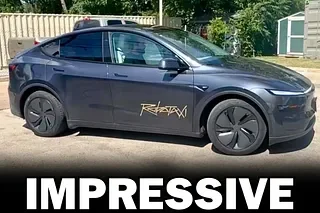
Tesla's Robotaxi Network Goes Live
First Week Impressions from Austin
In South Austin, something quietly historic is happening: Tesla’s driverless taxi service is now operational, ferrying early riders through neighborhoods, downtown corridors, and pedestrian-packed avenues. The cars? Model Ys with no hands on the wheel, backed by the latest Full Self-Driving software and supervised only by safety drivers who haven’t had to intervene.
The ride quality feels different—smoother, smarter, and more cautious than what most FSD users experience today. But the bigger story isn’t just how well the cars drive. It’s the economics, the software, and the manufacturing model that could upend the entire rideshare industry.
Inside this breakdown:
What Tesla’s app experience, ride logic, and road behavior reveal about real-world readiness
Why Hardware 4 performance is a generational leap over Hardware 3
How Tesla could make ride-hailing viable in rural markets and cheaper in cities
And the bigger question: retrofit old cars, or build a new autonomous fleet from scratch?
It’s not a concept anymore. It’s a service—and it’s picking up passengers.
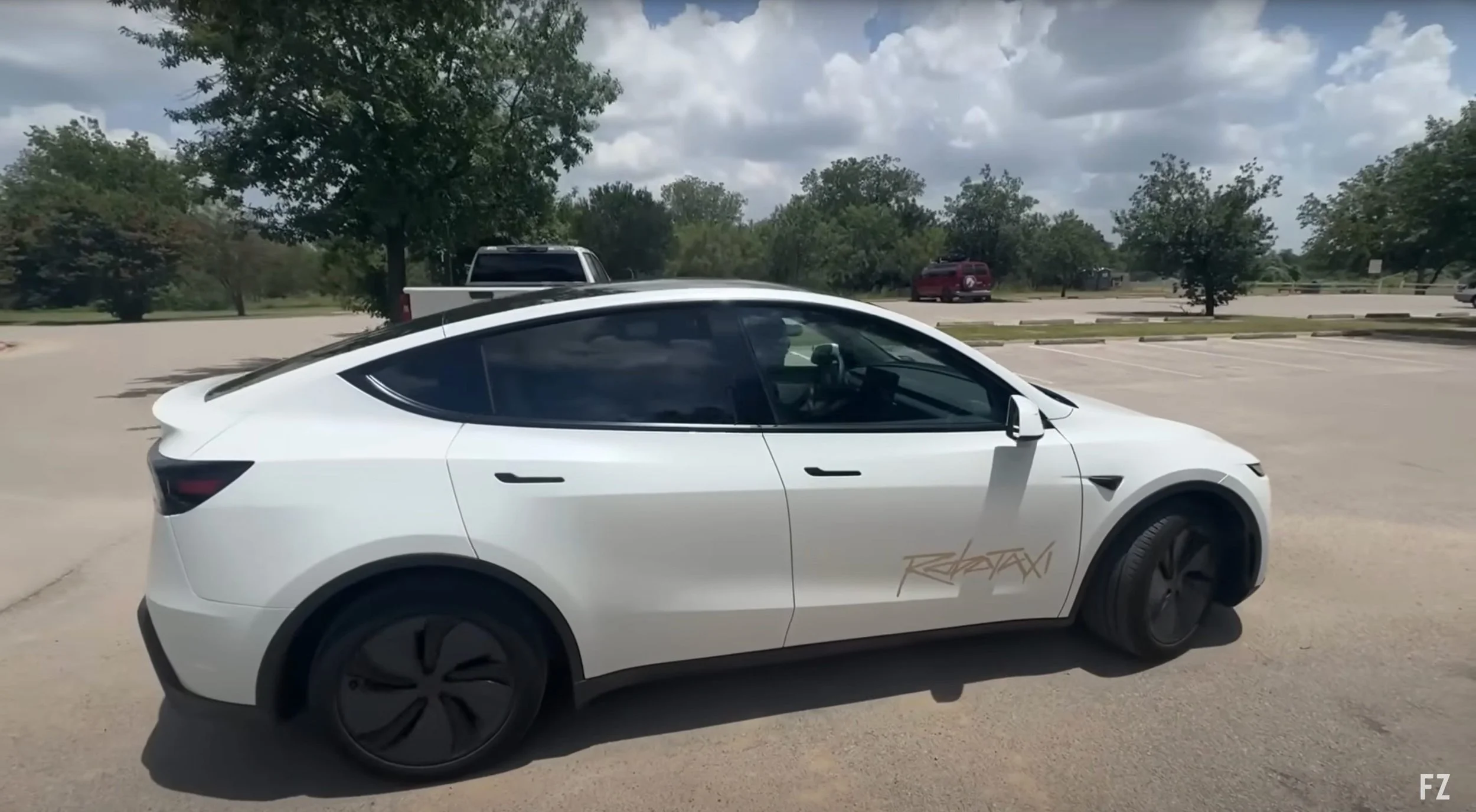
Tesla's Biggest Launch Ever
Austin Launch Marks Historic Turning Point
And it’s not just another beta test—it’s the first real deployment of a fully driverless ride-hailing network, operating in live urban traffic with no one behind the wheel.
Tesla’s robotaxi service launches in Austin, Texas with a limited early access fleet of Model Y vehicles equipped with Full Self-Driving hardware. It’s been eight years in the making—billions of dollars in AI R&D, tens of millions of miles in training data, and relentless public skepticism. But now, the cars are rolling.
This isn’t just about self-driving. It’s about reshaping the economics of transportation. Unlike Waymo or Cruise, Tesla’s bet on vision-only AI and mass-manufactured vehicles unlocks unit economics that could destroy traditional ride-hailing. Think: a $40,000 robotaxi producing $100,000 in annual revenue… with no human labor required.
In this report:
Why Tesla’s tech stack leapfrogs competitors like Waymo
How the economics flip from one-time sales to recurring revenue
What Wall Street still doesn’t understand about Tesla’s valuation
The surprising link between robotaxis and humanoid robots
The social shifts no one is talking about—especially for women and small towns
We’re not watching a demo. This is Tesla turning transportation into software, and the implications are staggering.
Tesla's RoboTaxi Network Goes Live in Austin
An Exclusive First Look
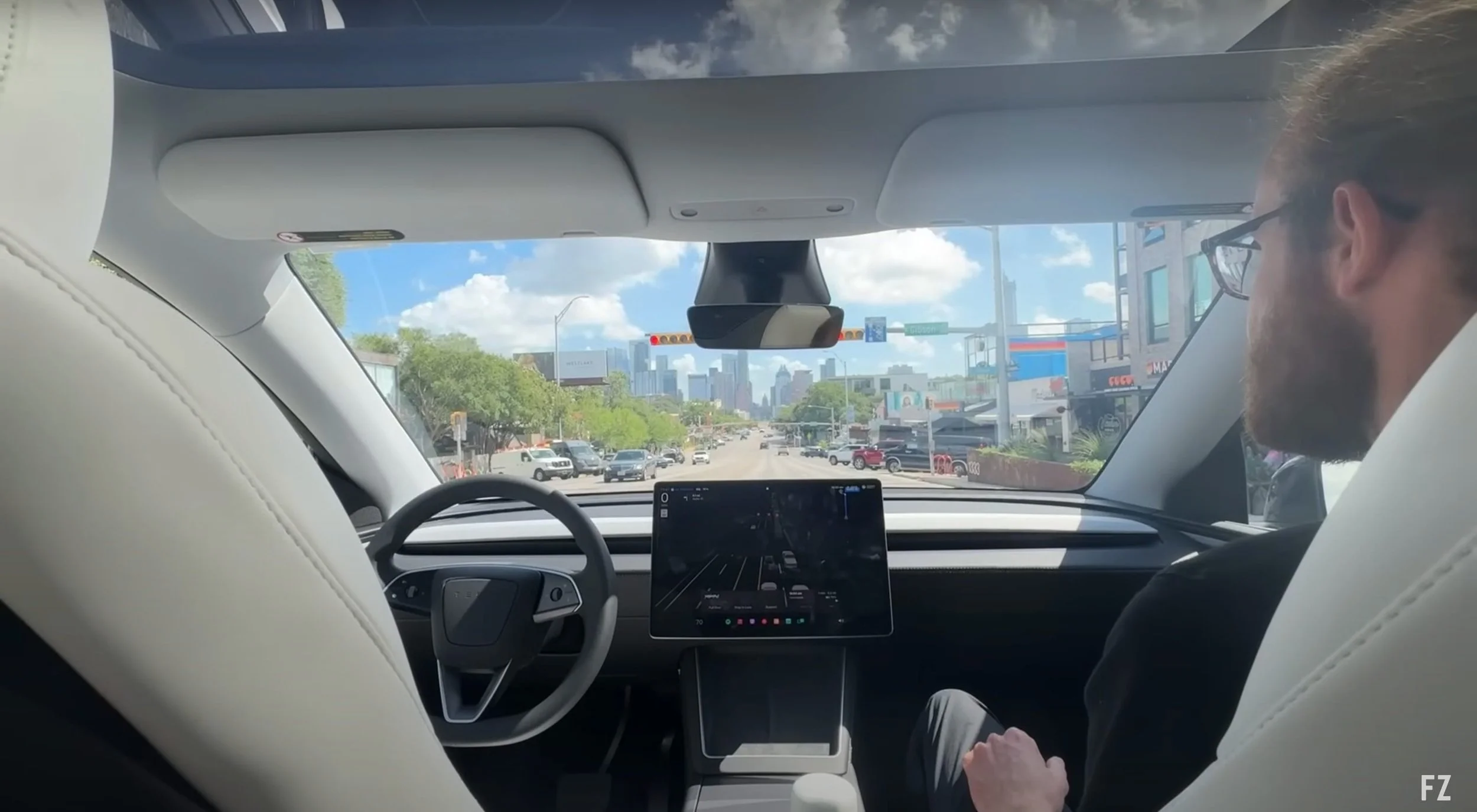
On June 22nd, Tesla flips the switch on its autonomous ride-hailing service in Austin, Texas. No driver. No steering wheel in use. Just you, a guest, and a Model Y navigating city streets on its own.
The moment marks more than a product launch — it’s the first real shot at mass-market autonomy. The invite-only program is live, the app is ready, and the cars are rolling. But this isn’t about tech alone. It’s about trust, scale, and whether Tesla’s bold, camera-only strategy can outmaneuver the sensor-heavy competition.
In this report:
What Tesla’s rollout in Austin actually looks like
How its strategy differs from Waymo and Cruise
The real reasons for safety monitors and camera restrictions
The privacy-first design that could reshape industry norms
Why the manufacturing model is Tesla’s secret weapon
The future of transportation doesn’t start in 10 years. It starts this Sunday — in a sun-drenched neighborhood in Austin, Texas.
Tesla's Trillion-Dollar Bet
Why Robotaxis Could Reshape Transportation
Tesla’s core car business is barely growing—but its stock still hovers near a trillion-dollar valuation. Why? Because Wall Street isn’t betting on more car sales. It’s betting on a future where Tesla owns the roads.
The bullish case centers on one radical idea: Tesla isn’t just a car company—it’s building an autonomous transportation platform that could collapse the ride-sharing industry, rewrite insurance economics, and reshape urban infrastructure.
In this breakdown, we explore:
How robotaxis could unlock trillions in annual revenue
Why Tesla’s vertical integration creates a moat no rival can replicate
What the U.S. Secretary of Transportation’s Tesla visit signals for federal regulation
Why Uber may not survive the shift to autonomy
And how Tesla’s insurance strategy could undercut traditional providers by 80%+
If you believe Tesla can lead the robotaxi revolution, its current valuation may seem cheap. If not, the market may be pricing in a fantasy.
Tesla's Next Chapter
Autonomous Vehicles, Mars Colonization, and the Future of Transportation
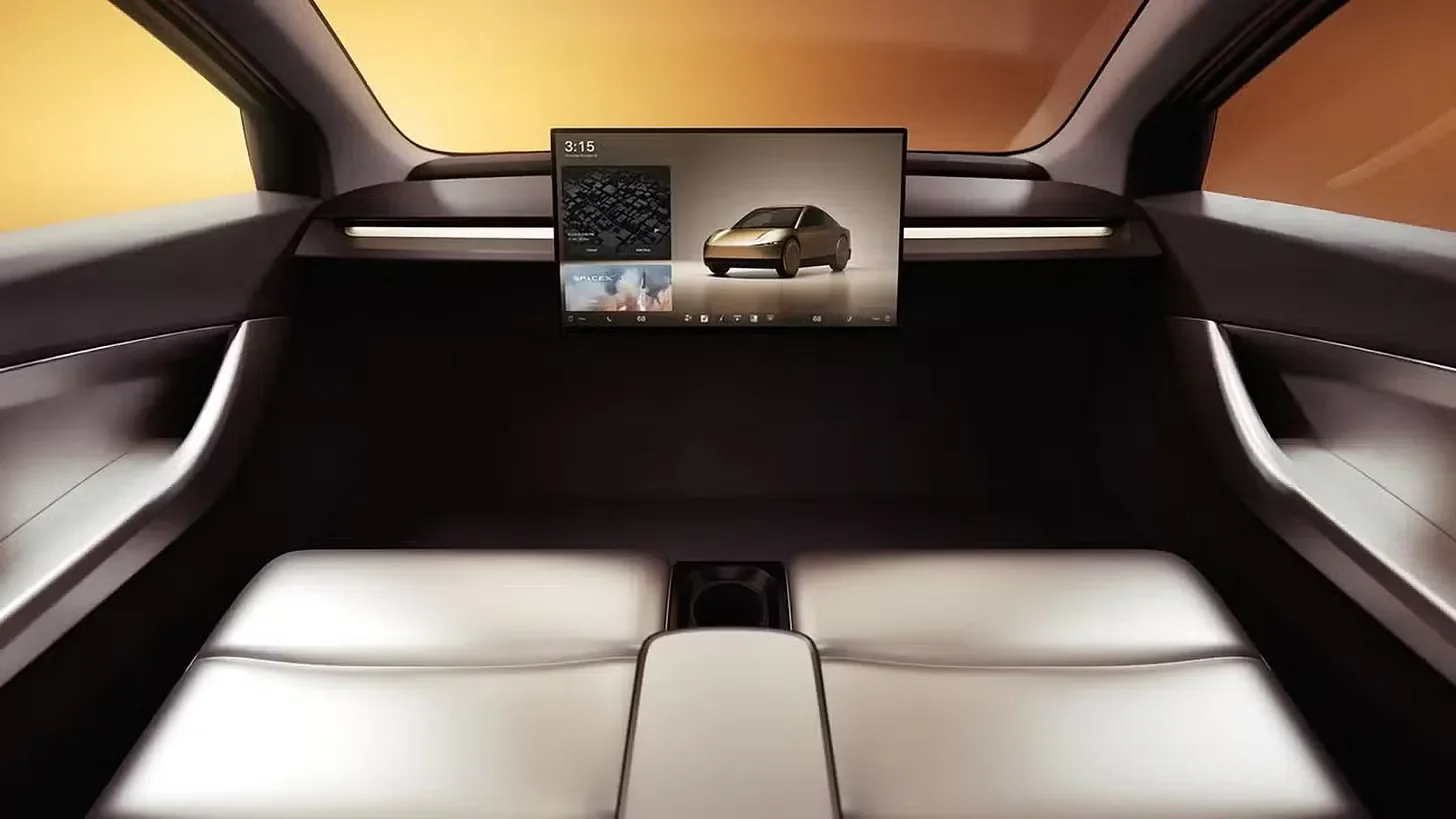
Driverless vehicles are now operating on public roads in Austin—no steering wheels, no safety drivers, and no humans behind the curtain. This isn’t a test run. It’s the inflection point.
But the real disruption goes deeper than what’s happening on city streets. We’re entering a new era where vertical integration—not ride-sharing apps—will define the future of mobility. The companies that build the vehicles, write the code, operate the fleets, and own the data will dominate. Aggregators like Uber will struggle to compete with manufacturers deploying millions of purpose-built autonomous vehicles at scale.
And that’s just Earth.
The same technologies powering autonomous taxis—electric drivetrains, AI navigation, satellite networks, and humanoid robotics—are laying the foundation for something bigger: Mars.
Here’s what we explore:
Why vertically integrated players will own the economics of autonomous mobility
The structural disadvantages traditional ride-sharing platforms face
How satellite infrastructure and AI systems built for cities will enable off-planet operations
And why the convergence of mobility, robotics, and space is accelerating faster than anyone expected
This isn’t just about transportation. It’s about the systems that will reshape civilization—on Earth and beyond.