
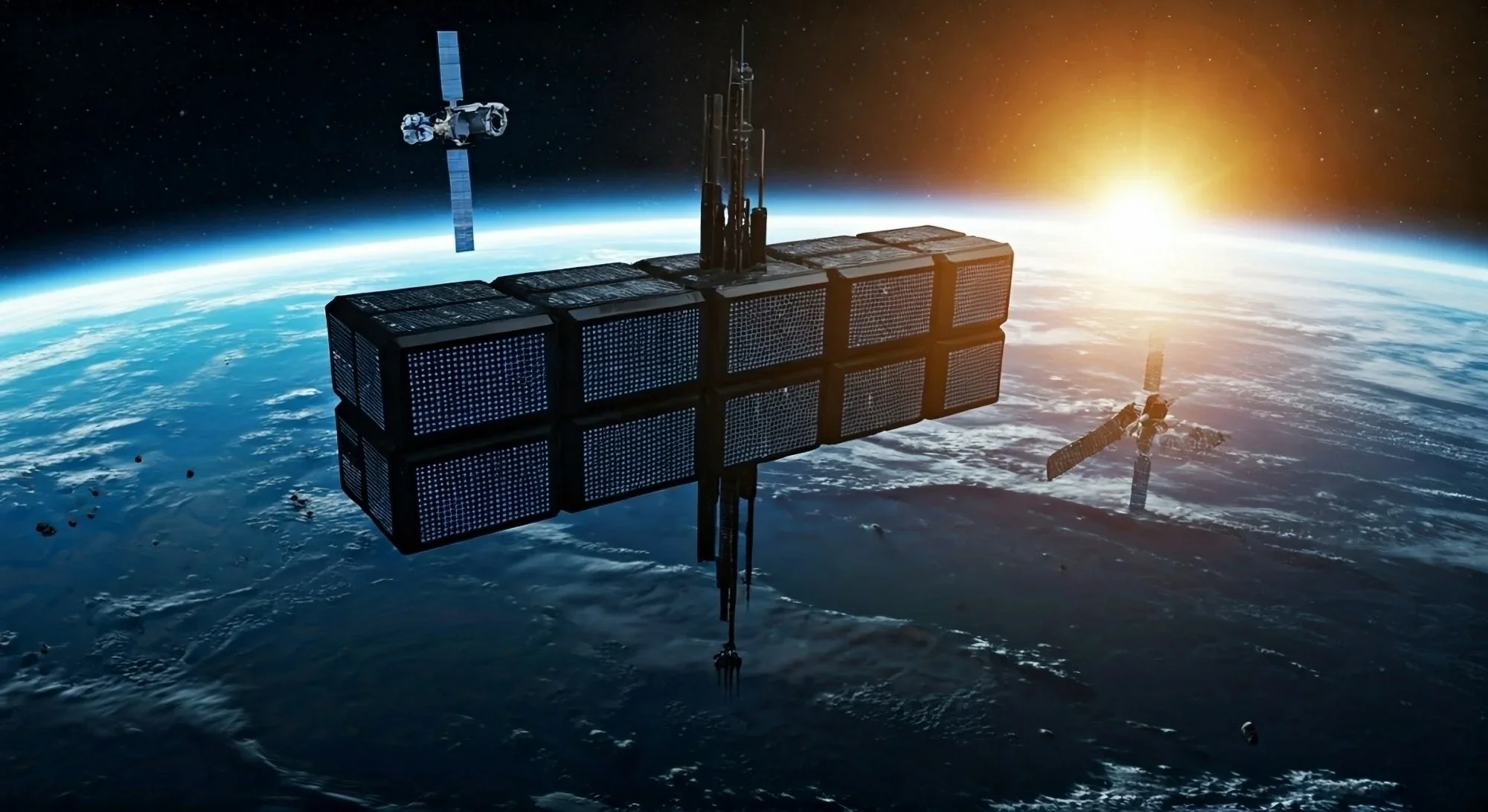
America's Orbital Empire: Securing Dominance for the Next Century
Why space infrastructure is America's unbeatable edge in resources, intelligence, and innovation.
America faces real challenges like mounting debt and shifting manufacturing landscapes, yet a massive shift is underway that positions the country to lead globally for generations. Advances in reusable rockets, satellite networks, and space-based computing are creating an infrastructure that unlocks infinite potential, from unlimited energy to rare resources, all while no other nation can keep pace.
Key Takeaways
America's lead in reusable launch technology enables cheap, scalable access to space, outpacing competitors who lag years behind.
Space-based data centers offer unlimited solar power and zero cooling costs, ideal for training advanced AI models.
Asteroid mining could eliminate bottlenecks in rare earth elements, breaking monopolies and fueling tech manufacturing.
Moon bases will serve as low-gravity launchpads, making deep space exploration and resource extraction far more efficient.
A Mars colony ensures long-term human survival, embedding American tech and values in off-world expansion.
This space ecosystem creates a self-reinforcing loop: better AI designs improved space tech, which enables more compute.
Innovations from space will improve Earth-based systems in internet access, medicine, energy, and sustainability.
Traditional metrics like GDP miss the point; space control redefines global power.
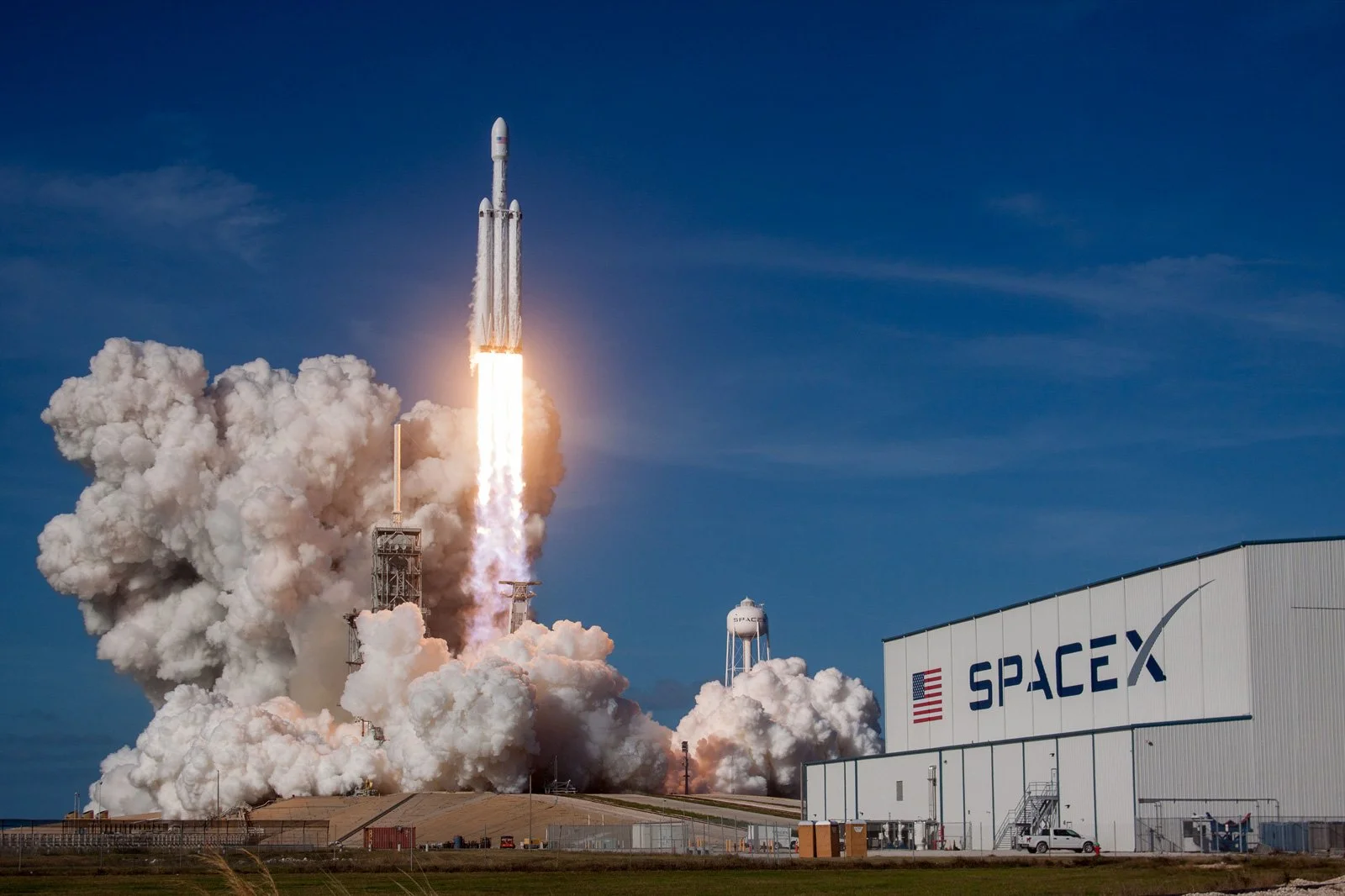
SpaceX's Sky-High Ambitions: The Dawn of a Trillion-Dollar Era
Revolutionizing Space Tech and Unlocking AI's Infinite Potential Through Massive Rockets and Orbital Data Centers
SpaceX stands on the brink of transforming not just space travel but the entire landscape of AI and computing. With a potential IPO in 2026 poised to shatter records, the company's trajectory highlights how reusable rockets and space-based AI could solve Earth's energy crises while creating unprecedented investment opportunities in private tech.
Key Takeaways
SpaceX's valuation has nearly doubled annually since 2002, reaching $350 billion in 2024 and potentially hitting $500-800 billion by 2025, driven by Starlink and emerging AI applications in space.
Starship's reusability and massive payload capacity—up to 400 tons to orbit—will slash launch costs dramatically, enabling frequent missions and making space accessible for new industries.
Solar-powered AI satellites in sun-synchronous orbits offer constant energy and efficient heat dissipation, bypassing earthly power bottlenecks for data centers and inference computing.
Investing in private companies like SpaceX requires a rigorous process evaluating market size, team capability, execution risks, and capital needs, with high rewards offsetting potential failures.
Competitors in satellite communications and AI will rely on SpaceX launches, reinforcing its dominance while fostering an open ecosystem for space innovation.
Blue Origin and Chinese rivals are advancing reusable tech, but lag behind Starship's scale and efficiency, setting up a duopoly in global launches.
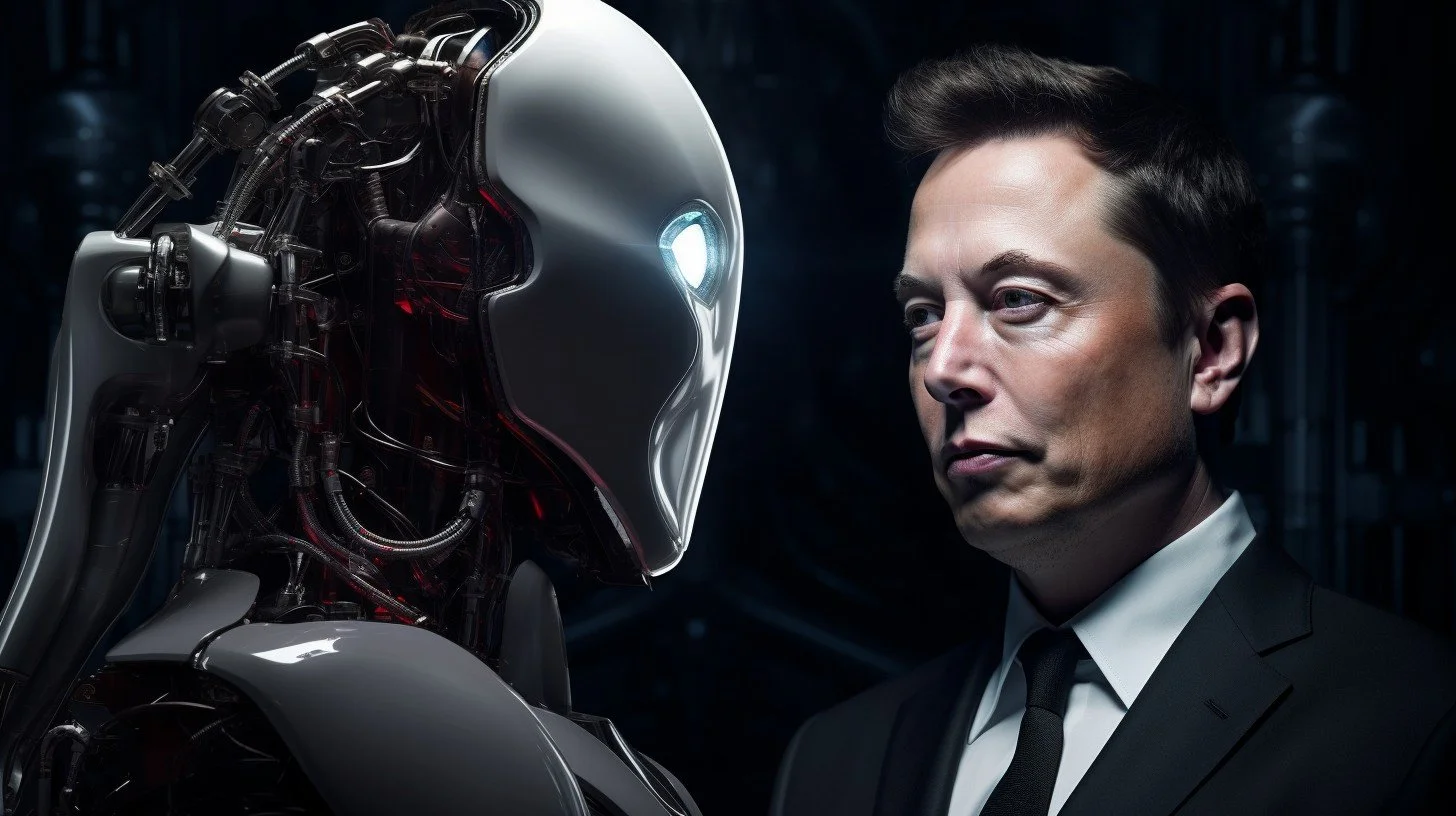
Elon Musk's Bold Leap: Cyborg Humans and the Race to Superintelligent AI
Revolutionizing Human Potential Through Tech Integration and Unmatched Innovation
Neuralink implants are restoring mobility to paralyzed individuals, while xAI's Grok 5 aims for artificial general intelligence. Tesla's Optimus robot promises superhuman abilities for those who've lost limbs, and massive data centers are fueling unprecedented AI training speeds. These developments signal a future where physical and digital worlds converge, boosting productivity and exploration.
Key Takeaways
Neuralink has implanted devices in over 10 patients, enabling rapid communication for those with severe paralysis.
Combining Neuralink with Tesla's Optimus robot could create cyborg bodies that allow users to walk, run, and perform at superhuman levels for around $60,000.
xAI, despite starting late, advances faster than competitors due to superior talent, massive hardware deployment, and real-time data from the X platform.
Grok 5, a 6-trillion-parameter model, incorporates multimodal training (text, images, video, audio) and real-time understanding, offering a 10% chance at achieving AGI.
Tesla's manufacturing efficiency hits a car every 35 seconds, with potential to reach 5 seconds, driven by physics-based optimization and chip design expertise.
Future plans include solar-powered AI satellites generating 100 gigawatts annually, expanding consciousness to explore the universe and search for alien civilizations.
AI and robotics will eventually satisfy all human needs, leading to a post-scarcity era where machines focus on their own pursuits.
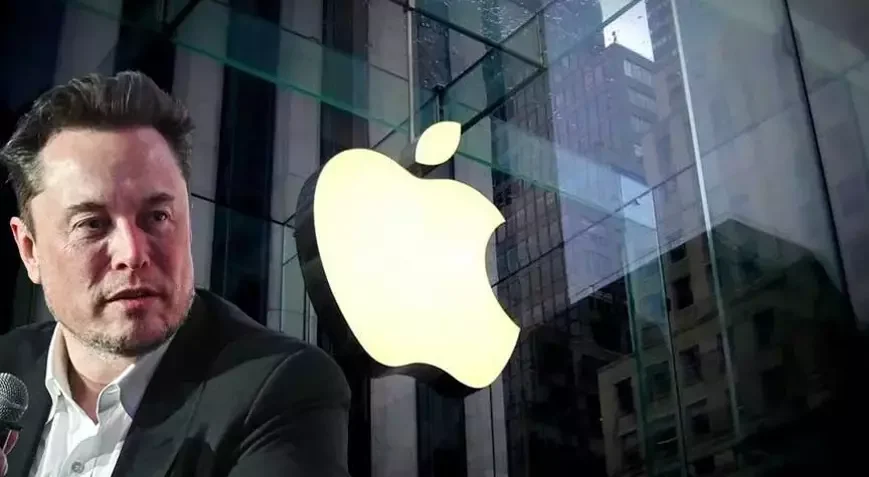
Elon Musk's Next Big Move: Acquiring Apple to Ignite the AI Revolution
Revolutionizing Personal Tech with Secure Data, Robotics, and Space Ambitions
Imagine transforming a trillion-dollar tech giant from a comfortable cash machine into a powerhouse of AI innovation. Acquiring Apple could give Elon Musk access to billions of users' private data to build personalized digital twins, automate global manufacturing, and generate massive cash flows to fuel projects like autonomous vehicles and Mars exploration—all while doubling the company's value through bold reinvention.
Key Takeaways
Apple's innovation has stalled, with products like Vision Pro underperforming and reliance on incremental iPhone updates leading to stagnant growth.
The company's true asset is its ecosystem of over a billion users' private data, which could enable secure AI-powered digital twins for personalized experiences across devices.
Musk could gain control with a 10% stake, valued around $350 billion, by leveraging his companies' combined worth, investor alliances, and banking relationships.
Shifting manufacturing from China through automation would reduce dependencies, while integrating Musk's AI like Grok could supercharge Apple's hardware.
Redirecting Apple's $110 billion annual cash flow from buybacks and dividends to R&D could double revenues, fund ambitious ventures, and attract growth-oriented investors.