
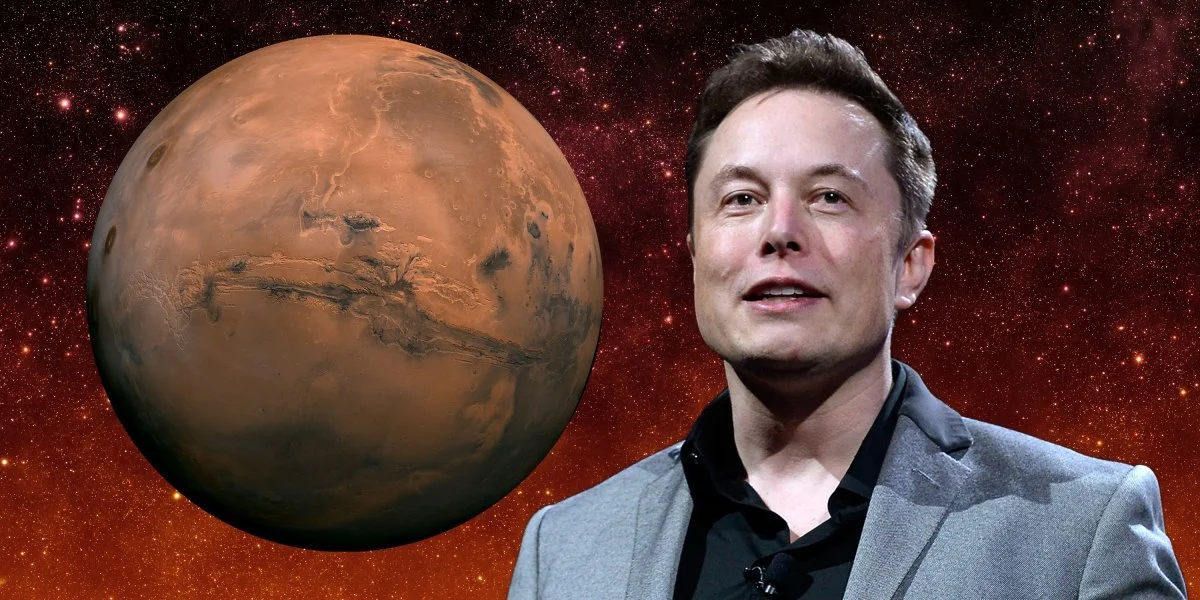
Musk's Moonshot Blueprint: AI Factories in Space and the Path to Galactic Intelligence
How xAI is rewriting the rules of compute, from Earth-orbit clusters to lunar mass drivers—and why this could unlock a million-fold energy leap for civilization.
In a world where AI progress feels relentless, the latest moves from xAI stand out: they've surged to the top in image, video, and forecasting benchmarks, while plotting orbital data centers and moon-based factories that could harness a sliver of the sun's power. These aren't distant dreams—they're blueprints for scaling intelligence beyond planetary limits, promising an era where digital emulations of entire companies drive unprecedented prosperity.
Key Takeaways
xAI has rocketed to leadership in AI capabilities, outpacing older rivals in voice, image/video generation, and forecasting, with models now producing more content than competitors combined.
Company reorganization focuses on specialized models: a versatile core for broad applications, a coding powerhouse skipping traditional compilation, and an image/video leader dominating real-time processing.
Macrohard emerges as the crown jewel, emulating full digital companies to spark an unimaginable prosperity boom, trained on massive GPU clusters scaling to a million equivalents.
Infrastructure leaps include the world's fastest AI compute deployment, open-sourced recommendation and chat systems for transparency, and X app expansions like encrypted messaging and global payments.
The ultimate vision: SpaceX-xAI synergy launches orbital compute at terawatt scales, evolving to lunar mass drivers hurling AI satellites into deep space, tapping up to a few percent of solar energy for galaxy-spanning exploration.
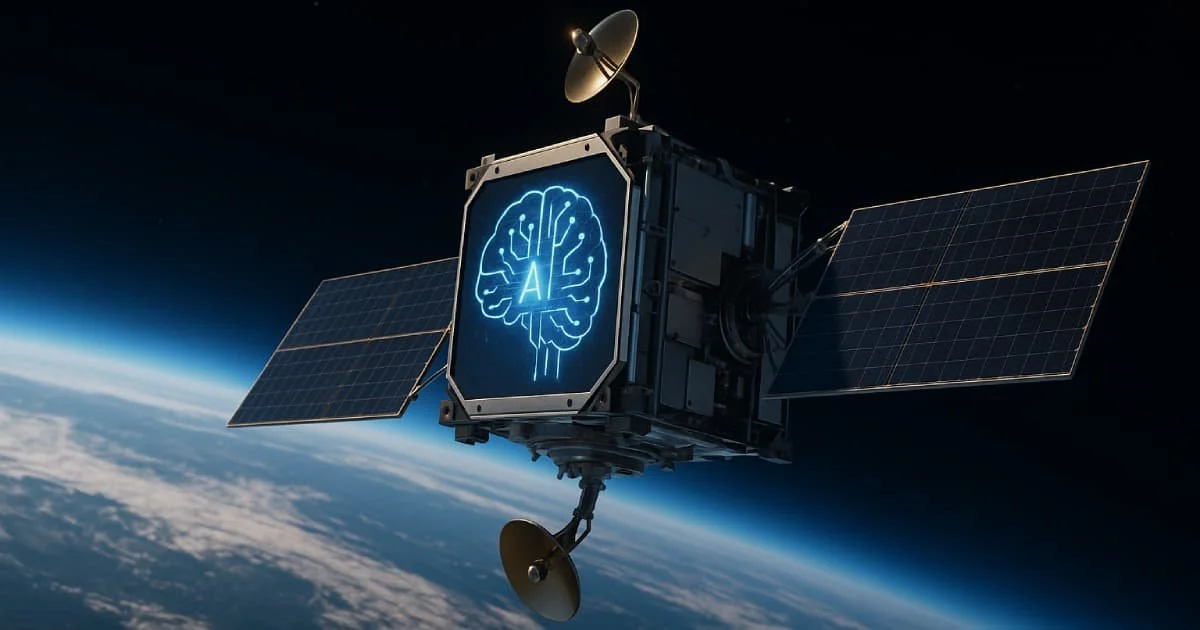
AI Satellites: Unlocking Infinite Compute in Space
Why solar-powered AI systems orbiting Earth could outpace ground-based tech by orders of magnitude—and soon.
The push for advanced AI demands unprecedented levels of energy and cooling, but Earth's resources hit hard limits quickly. Shifting compute to space taps into the sun's vast output, eliminates cooling overhead, and enables scales impossible on the planet. This shift promises terawatt-level AI capabilities, reshaping industries from drug discovery to climate modeling.
Key Takeaways
Earth's energy infrastructure caps AI growth at hundreds of gigawatts, far below the terawatts needed for next-level systems.
Space offers continuous solar power without batteries, using lightweight panels that achieve 100% capacity factor.
Radiative cooling in space eliminates bulky refrigeration, making AI hardware far more efficient and cost-effective.
Projections point to space-based AI becoming cheaper than Earth-based within four to five years.
This technology demands massive launch capacity, boosting reusable rockets and satellite networks.
Geopolitical control over space AI could define global tech leadership for decades.