
Stop Thinking Small: The Moon as the Gateway to Kardashev-Scale Energy and Compute
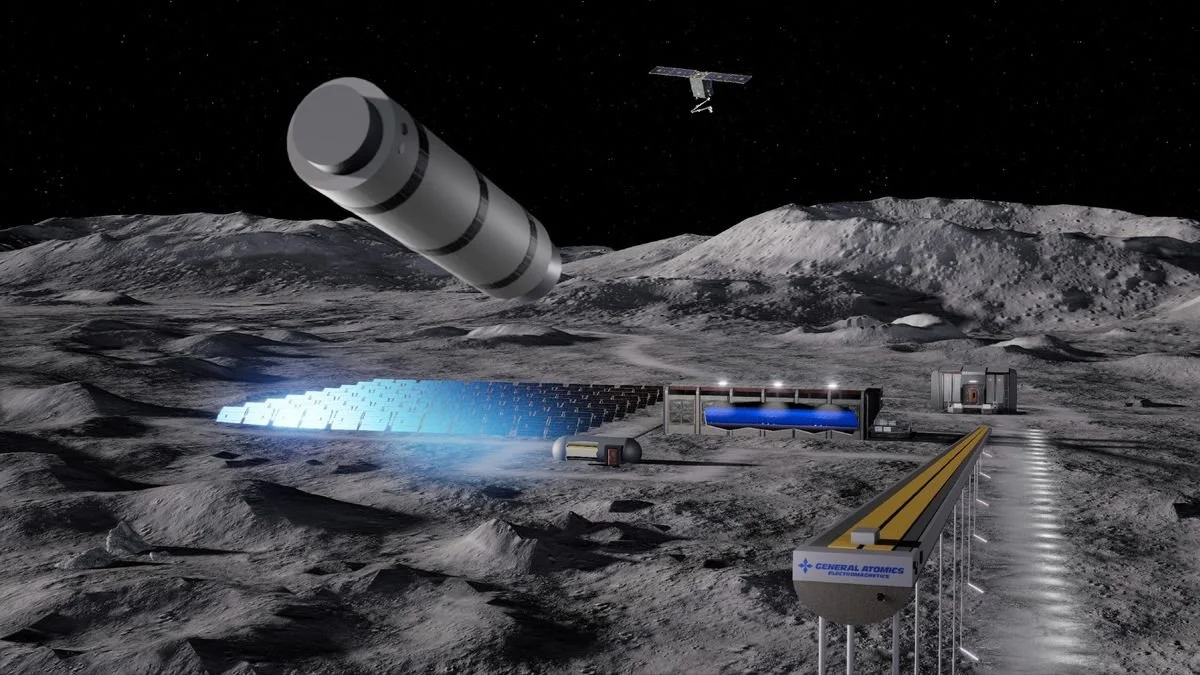
Lunar in-situ manufacturing combined with electromagnetic mass drivers creates a practical route to 1,000x energy growth and large-scale deployment of AI satellites in deep space.
Current terrestrial limits on land, materials, and launch costs cap how far energy production and computational infrastructure can scale. Shifting the bulk of manufacturing to the Moon and using its physical properties for efficient electromagnetic launches removes those ceilings. The result is a system capable of producing and deploying the massive solar arrays, radiators, and AI-optimized satellites required to push civilization measurably closer to stellar energy levels.
Key Takeaways
Global energy use sits at roughly 20 terawatts today; even a 1,000x increase remains a small fraction of the output needed for Kardashev Type II status.
The Moon’s one-sixth Earth gravity and total lack of atmosphere allow local production of heavy components like solar panels and thermal radiators with far lower energy input than lifting equivalent mass from Earth.
Electromagnetic mass drivers function as long linear motors that accelerate payloads to lunar escape velocity without onboard propellant, enabling high-volume launches of finished satellites into deep space.
In-situ resource utilization on the Moon means most of the mass for solar power systems and satellite structures comes from lunar regolith rather than Earth shipments.
AI satellites gain continuous solar power and the large radiator surfaces needed for heat rejection in vacuum—both difficult to scale when everything must launch through Earth’s atmosphere and gravity well.
Industrial-scale lunar operations create the logistics backbone that simultaneously makes routine human access to the Moon feasible and affordable.
Reusable heavy-lift rockets handle the initial delivery of specialized equipment and crews, after which lunar production takes over for bulk materials and reduces long-term Earth dependency.
AI Satellites: Unlocking Infinite Compute in Space
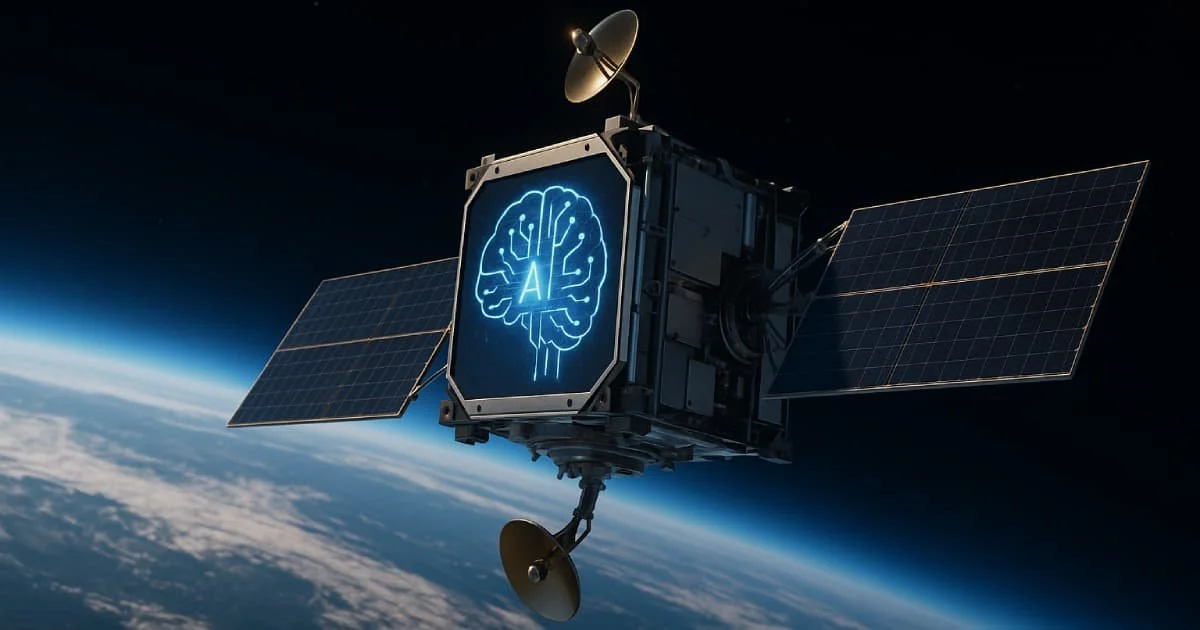
Why solar-powered AI systems orbiting Earth could outpace ground-based tech by orders of magnitude—and soon.
The push for advanced AI demands unprecedented levels of energy and cooling, but Earth's resources hit hard limits quickly. Shifting compute to space taps into the sun's vast output, eliminates cooling overhead, and enables scales impossible on the planet. This shift promises terawatt-level AI capabilities, reshaping industries from drug discovery to climate modeling.
Key Takeaways
Earth's energy infrastructure caps AI growth at hundreds of gigawatts, far below the terawatts needed for next-level systems.
Space offers continuous solar power without batteries, using lightweight panels that achieve 100% capacity factor.
Radiative cooling in space eliminates bulky refrigeration, making AI hardware far more efficient and cost-effective.
Projections point to space-based AI becoming cheaper than Earth-based within four to five years.
This technology demands massive launch capacity, boosting reusable rockets and satellite networks.
Geopolitical control over space AI could define global tech leadership for decades.