
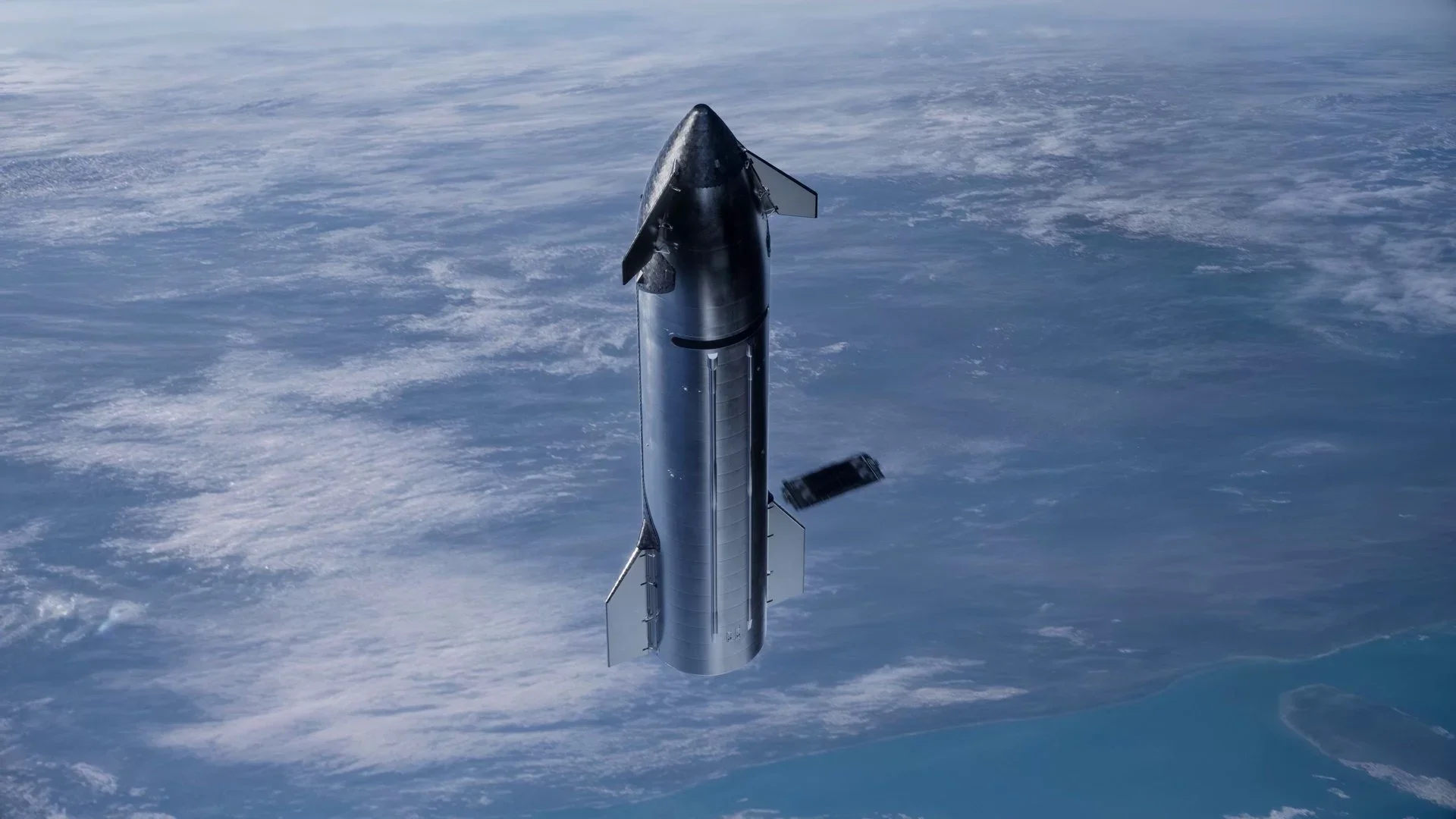
Unlocking the Stars: Starship, Orbital AI, and the Human Purpose Puzzle
Reusable rockets are set to slash space costs by orders of magnitude, opening orbital factories and AI compute clusters while automation quietly rewires human skills and identity—yet geopolitics in the Middle East and Eastern Europe supplies the friction that could accelerate it all.
SpaceX’s push toward full Starship reusability stands to repeat the shipping container breakthrough that cut ocean freight costs by 95 percent and turned global trade into an everyday reality. That single innovation let manufacturing shift to low-cost regions and built the modern supply chains powering everything from consumer electronics to pharmaceuticals. The same dynamic is now poised for orbit: cheap, frequent launches make zero-gravity factories practical for products ruined by Earth’s atmosphere or gravity, while solar-powered data centers in space could host the next leap in AI inference without terrestrial power or cooling limits.
Key Takeaways
Starship reusability could deliver a 100x to 1,000x jump in payload-to-orbit capacity, mirroring how standardized containers enabled globalization and China’s manufacturing dominance.
Orbital manufacturing becomes viable for gravity-sensitive processes such as advanced pharmaceuticals, while space-based AI inference clusters bypass Earth’s energy and heat constraints.
A successful reusable fleet at scale supports multi-trillion-dollar valuations only if it pairs with rapid earnings growth from new markets like orbital compute and global launch services.
Tesla’s near-term profit ramp may outpace SpaceX post-IPO, making the latter a longer-horizon bet dependent on two breakthroughs: full reusability and orbital AI revenue.
AI cognitive offloading already erodes routine skills—phone numbers, map reading, household chores, driving—freeing mental bandwidth for higher-order thinking but raising questions about identity and purpose.
Humans naturally invent new forms of friction through hobbies, creative arts, athletics, and philosophical structures to preserve meaning even in an age of abundance.
Geopolitical tensions, from record Russian casualties in Ukraine to Iran’s internal regime pressures, create short-term chaos that could reshape energy markets and tech supply chains while spurring innovation.
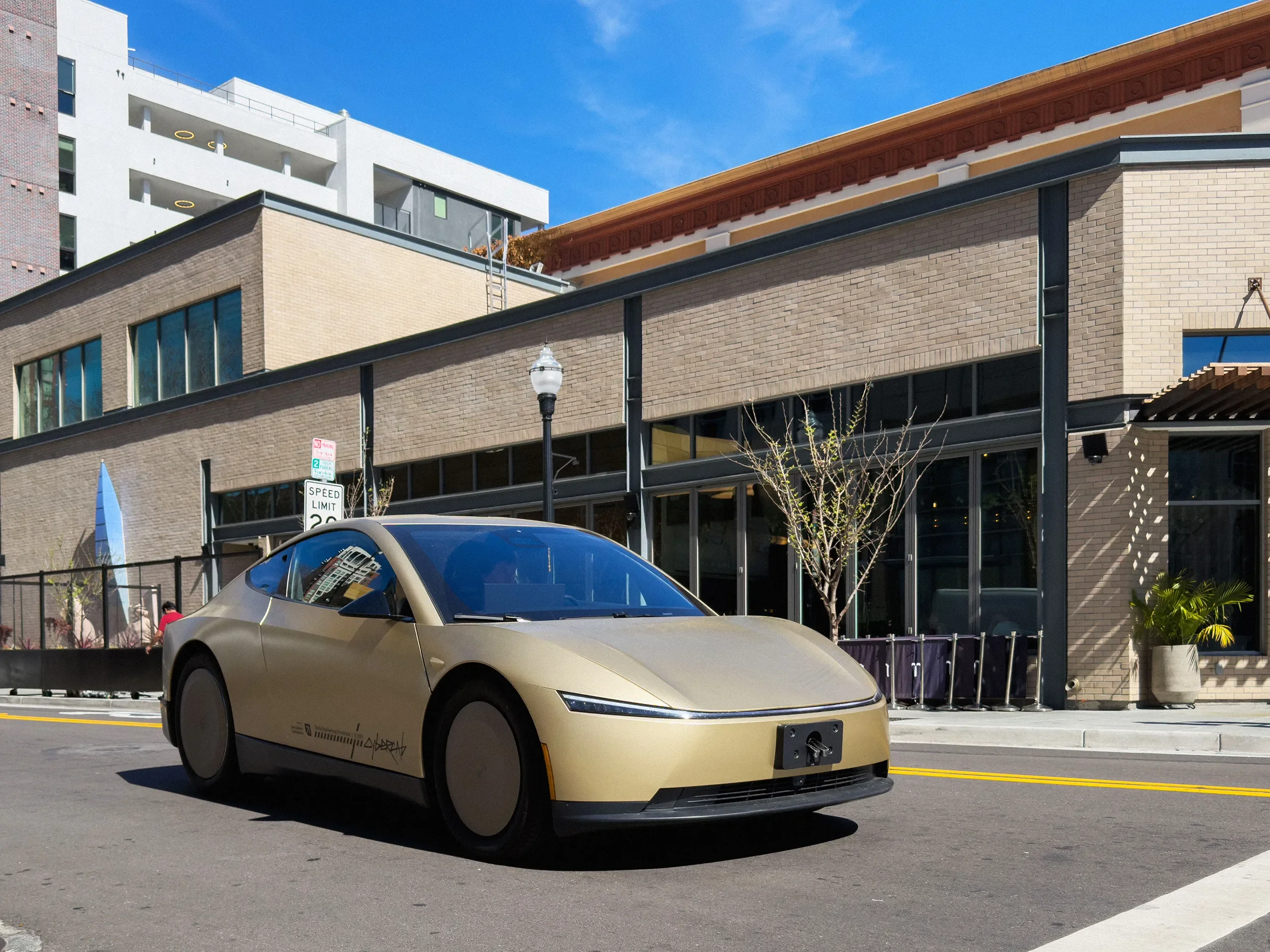
The End of Scarcity? How Radical Abundance Will Remake Cities, Purpose, and Civilization
From robo-taxis and walkable arcologies to lunar megaprojects and the human drive for status in a post-work world.
Automation and advanced robotics are steering us toward a future where material limits fade fast. Everyday movement, living spaces, and even our sense of purpose stand to change in profound ways. Cities could shrink their footprints around people instead of vehicles. New settlements will sprout in breathtaking locations once considered too remote. And in a world of plenty, the real test becomes inventing fresh reasons to strive, create, and connect.
Key Takeaways
Robo-taxis will free up vast urban real estate, creating networks of highly walkable zones packed with green walls, terraces, and integrated ecosystems rather than parking lots and roads.
Personal flight systems with bird-like energy density could eliminate the need for cars and roads altogether, turning journeys into direct, exhilarating point-to-point experiences.
Robotic construction and cheap desalination will unlock development of stunning new towns and cities on high-desert land, mountain foothills, or even ocean platforms—places chosen purely for beauty and livability.
Perfect abundance environments, like those studied in controlled animal populations, can lead to behavioral collapse and population decline, but humans counter this through endless creativity, relative status-seeking, and the constant invention of new social contracts and subcultures.
Lunar resources could fuel enormous off-world compute infrastructure, while early Mars missions may confirm microbial life is common across the solar system, strengthening ideas of panspermia.
Versatile humanoid robots and brain-computer interfaces will handle physical labor and deliver immersive new experiences—from instant skill acquisition to full-sensory simulations—while heightening global competition over autonomous systems and supply chains.
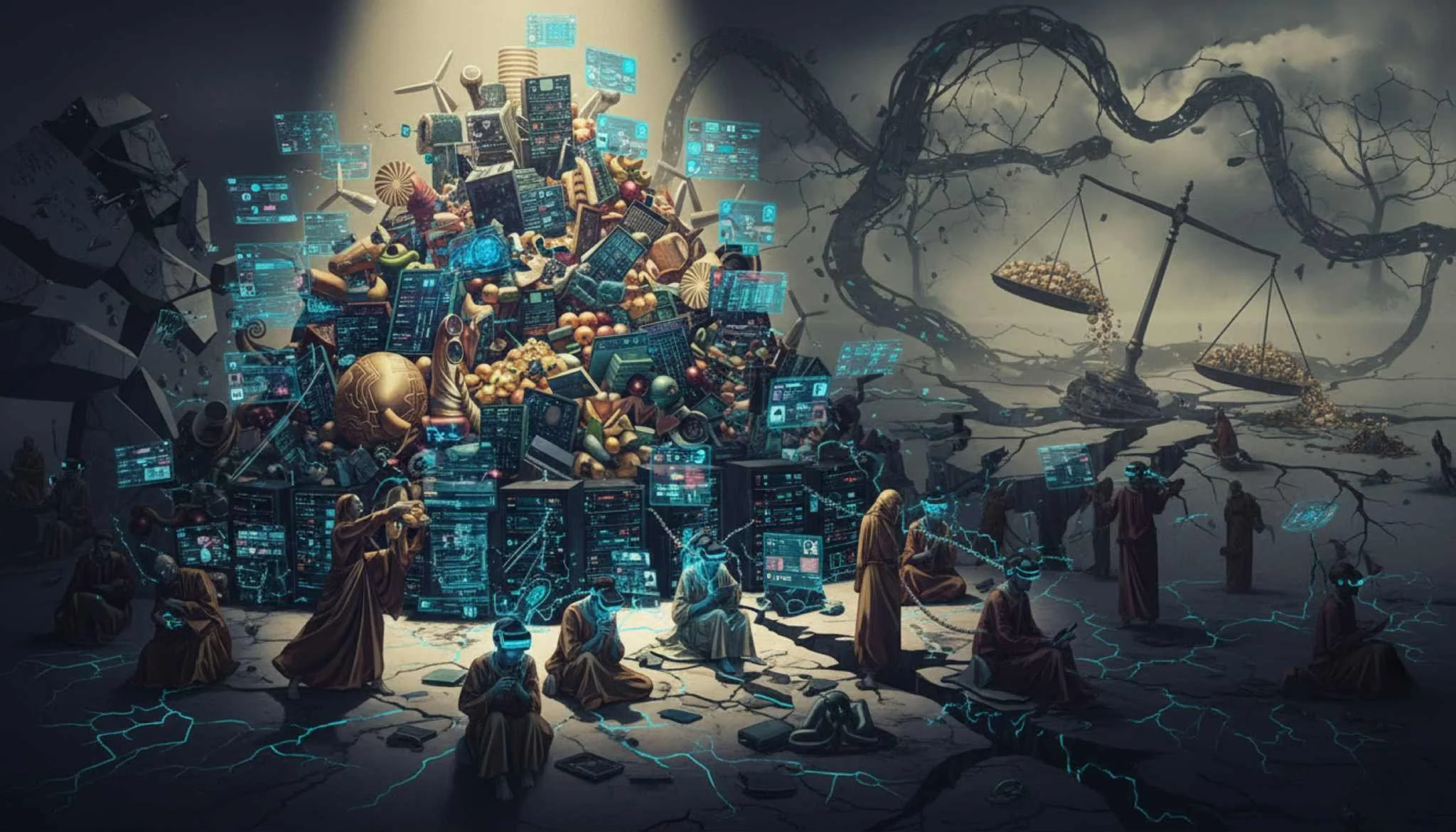
The Abundance Trap: How Unlimited Resources Could Unravel Society
Why Technological Plenty Might Lead to Human Decline
As societies push toward limitless energy, automated labor, and instant gratification through advances in AI and robotics, a counterintuitive pattern emerges. History shows that peaks of prosperity often precede population drops and social upheaval, forcing a reevaluation of what drives human behavior in a world without scarcity.
Key Takeaways
Advanced technologies have historically boosted population growth by improving food production and health, but they also trigger declines once basic needs are met, as seen in modern examples like China's fertility rates falling below replacement levels despite policy shifts.
In eras of abundance, human purpose shifts from survival to voluntary pursuits, yet experiments and historical data suggest this can lead to apathy, reduced breeding, and societal fragmentation without new structures to channel energy.
Conflicts may evolve from resource grabs to ideological clashes, with ego and historical grievances fueling disputes even when material needs are satisfied, potentially increasing tensions in a federated, tech-enabled world.
Emerging markets like India demonstrate how affordable EVs, with models offering 600+ km ranges under $30,000, could accelerate global shifts, but charging infrastructure lags, highlighting uneven tech adoption's role in population and economic dynamics.