
SpaceX Puts a Fuel-Free Lunar Railgun on Its Roadmap, Reviving a 1977 MIT Machine
A magnetic mass driver that flings cargo off the Moon on electricity alone landed in SpaceX’s S-1 filing, and the physics behind it - 22 times cheaper than escaping Earth - has had working prototypes sitting on a shelf for nearly 50 years.
Stop Thinking Small: The Moon as the Gateway to Kardashev-Scale Energy and Compute
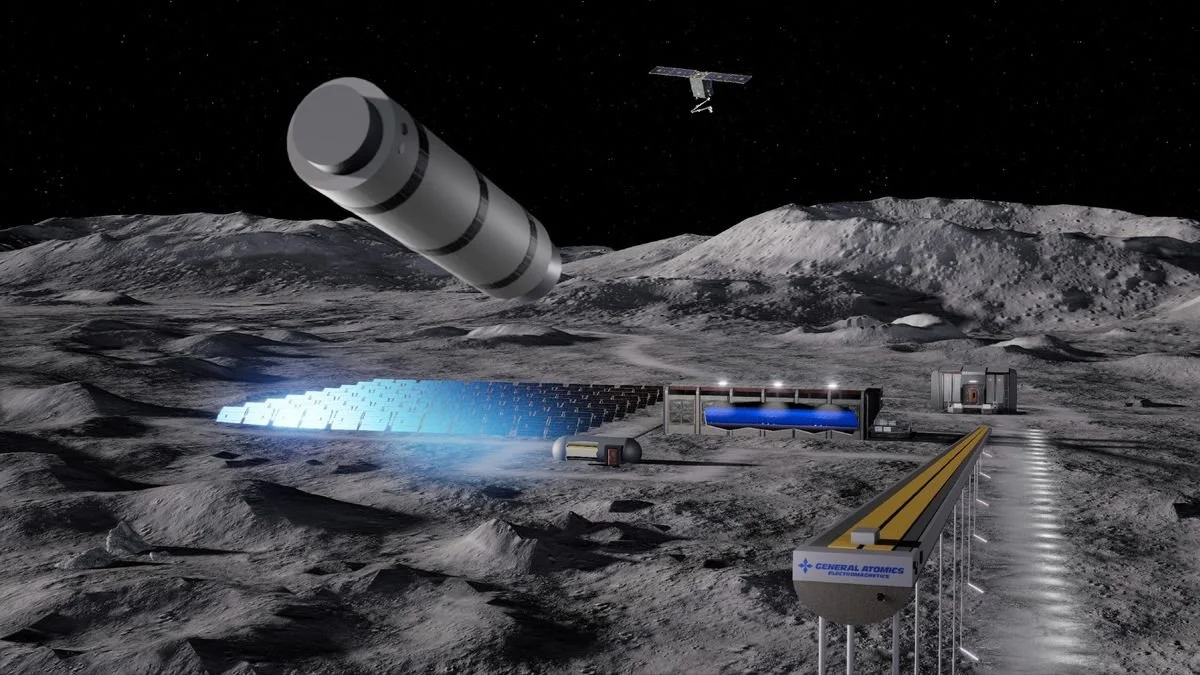
Lunar in-situ manufacturing combined with electromagnetic mass drivers creates a practical route to 1,000x energy growth and large-scale deployment of AI satellites in deep space.
Current terrestrial limits on land, materials, and launch costs cap how far energy production and computational infrastructure can scale. Shifting the bulk of manufacturing to the Moon and using its physical properties for efficient electromagnetic launches removes those ceilings. The result is a system capable of producing and deploying the massive solar arrays, radiators, and AI-optimized satellites required to push civilization measurably closer to stellar energy levels.
Key Takeaways
Global energy use sits at roughly 20 terawatts today; even a 1,000x increase remains a small fraction of the output needed for Kardashev Type II status.
The Moon’s one-sixth Earth gravity and total lack of atmosphere allow local production of heavy components like solar panels and thermal radiators with far lower energy input than lifting equivalent mass from Earth.
Electromagnetic mass drivers function as long linear motors that accelerate payloads to lunar escape velocity without onboard propellant, enabling high-volume launches of finished satellites into deep space.
In-situ resource utilization on the Moon means most of the mass for solar power systems and satellite structures comes from lunar regolith rather than Earth shipments.
AI satellites gain continuous solar power and the large radiator surfaces needed for heat rejection in vacuum—both difficult to scale when everything must launch through Earth’s atmosphere and gravity well.
Industrial-scale lunar operations create the logistics backbone that simultaneously makes routine human access to the Moon feasible and affordable.
Reusable heavy-lift rockets handle the initial delivery of specialized equipment and crews, after which lunar production takes over for bulk materials and reduces long-term Earth dependency.
Unlocking the Stars: Starship, Orbital AI, and the Human Purpose Puzzle
Reusable rockets are set to slash space costs by orders of magnitude, opening orbital factories and AI compute clusters while automation quietly rewires human skills and identity—yet geopolitics in the Middle East and Eastern Europe supplies the friction that could accelerate it all.
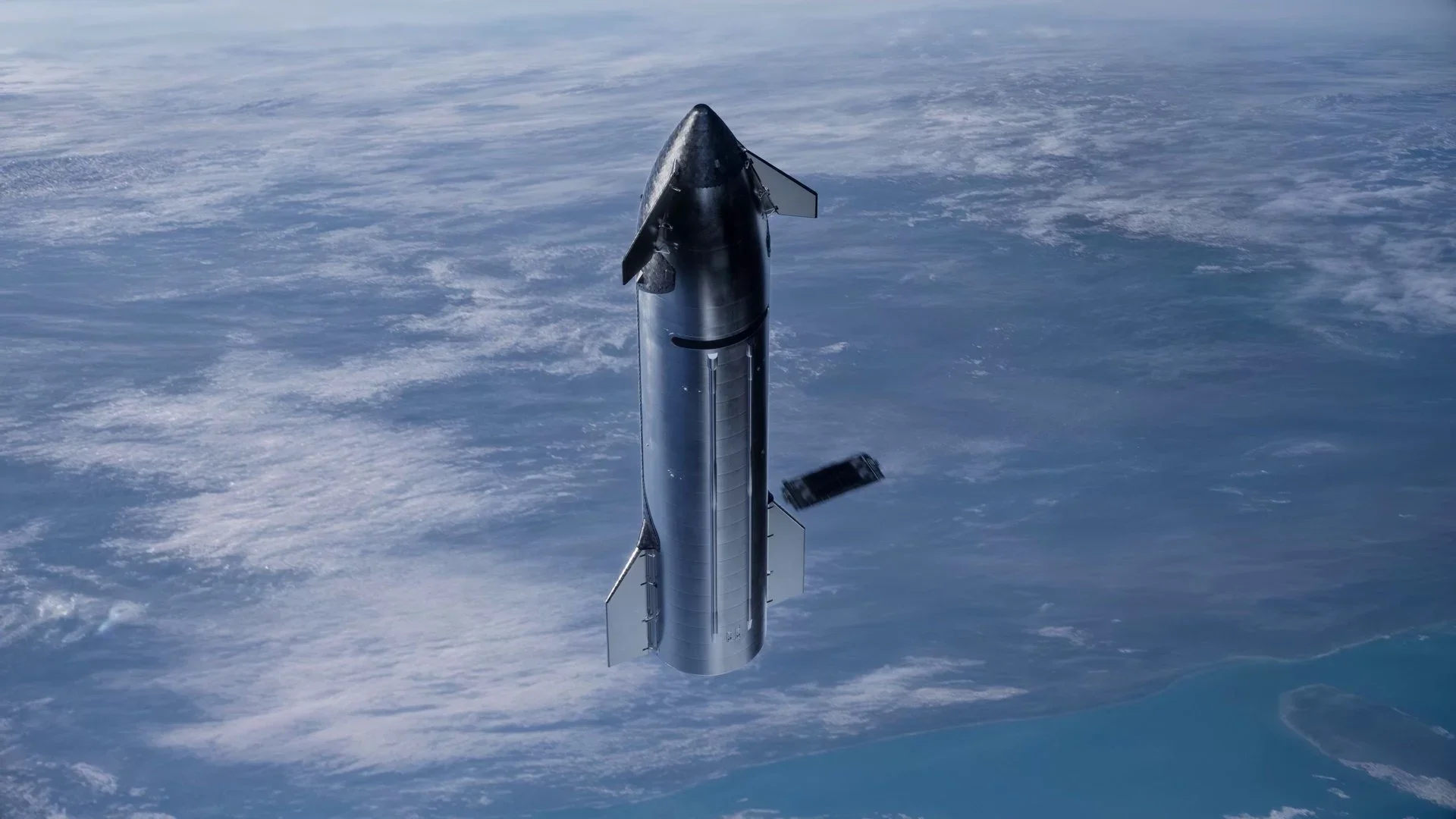
SpaceX’s push toward full Starship reusability stands to repeat the shipping container breakthrough that cut ocean freight costs by 95 percent and turned global trade into an everyday reality. That single innovation let manufacturing shift to low-cost regions and built the modern supply chains powering everything from consumer electronics to pharmaceuticals. The same dynamic is now poised for orbit: cheap, frequent launches make zero-gravity factories practical for products ruined by Earth’s atmosphere or gravity, while solar-powered data centers in space could host the next leap in AI inference without terrestrial power or cooling limits.
Key Takeaways
Starship reusability could deliver a 100x to 1,000x jump in payload-to-orbit capacity, mirroring how standardized containers enabled globalization and China’s manufacturing dominance.
Orbital manufacturing becomes viable for gravity-sensitive processes such as advanced pharmaceuticals, while space-based AI inference clusters bypass Earth’s energy and heat constraints.
A successful reusable fleet at scale supports multi-trillion-dollar valuations only if it pairs with rapid earnings growth from new markets like orbital compute and global launch services.
Tesla’s near-term profit ramp may outpace SpaceX post-IPO, making the latter a longer-horizon bet dependent on two breakthroughs: full reusability and orbital AI revenue.
AI cognitive offloading already erodes routine skills—phone numbers, map reading, household chores, driving—freeing mental bandwidth for higher-order thinking but raising questions about identity and purpose.
Humans naturally invent new forms of friction through hobbies, creative arts, athletics, and philosophical structures to preserve meaning even in an age of abundance.
Geopolitical tensions, from record Russian casualties in Ukraine to Iran’s internal regime pressures, create short-term chaos that could reshape energy markets and tech supply chains while spurring innovation.