
Blue Origin’s Money Cannot Buy SpaceX’s Flight Cadence
A billion dollars a year funded New Glenn’s first orbit, but Falcon’s reuse loop, Starlink demand, and spare capacity still define who treats low Earth orbit as routine work.
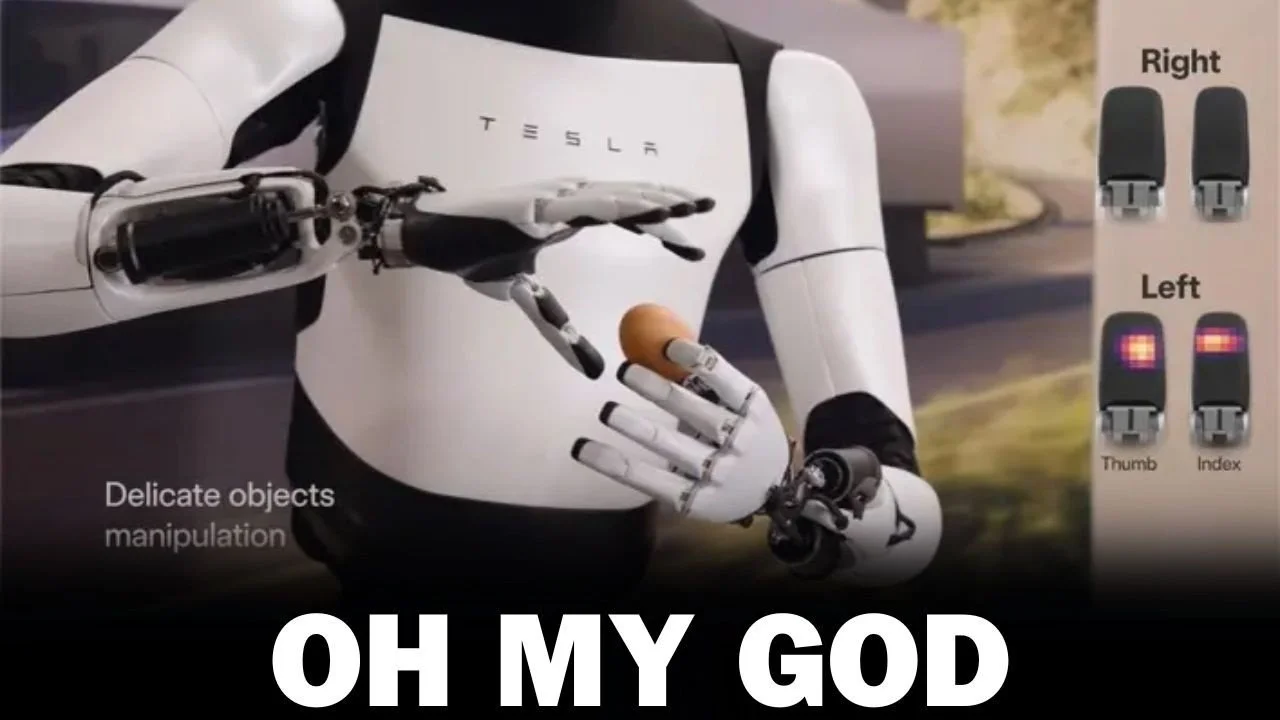
SpaceX Bets Its IPO Future on AI-1, a 70-Meter Orbital Supercomputer
A 747-wide, chip-agnostic compute satellite targeting 150 kilowatts in orbit sits at the center of the roughly $85 billion float, and the economics only close if Starship drives launch costs toward $200 per kilogram.
SpaceX’s $2 Trillion IPO Buried a Kessler Cascade Warning Investors Still Underprice
In its S-1, SpaceX flagged that a single debris-generating collision could cascade into unusable orbits and hit the business hard - while Starlink already holds two-thirds of active satellites and crash-clock margins have collapsed from months to days.
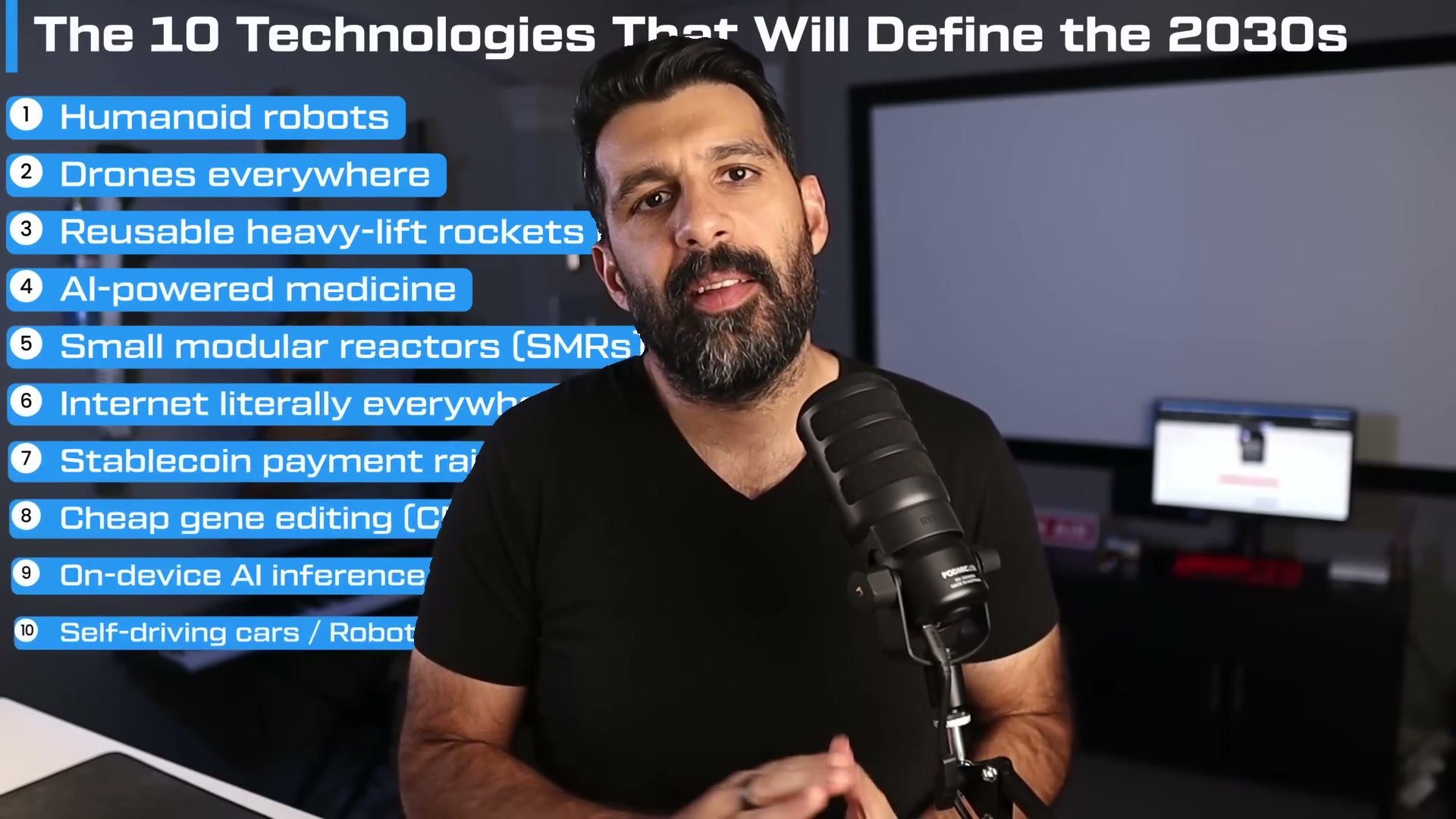
Ten Deployable Technologies Will Redefine Ordinary Life by the Mid-2030s
From robo-taxis and on-device AI chips to CRISPR, stablecoins, Starship, and humanoid labor at roughly $2 an hour, the stack that hits mass scale between 2030 and 2039 is already leaving the lab.
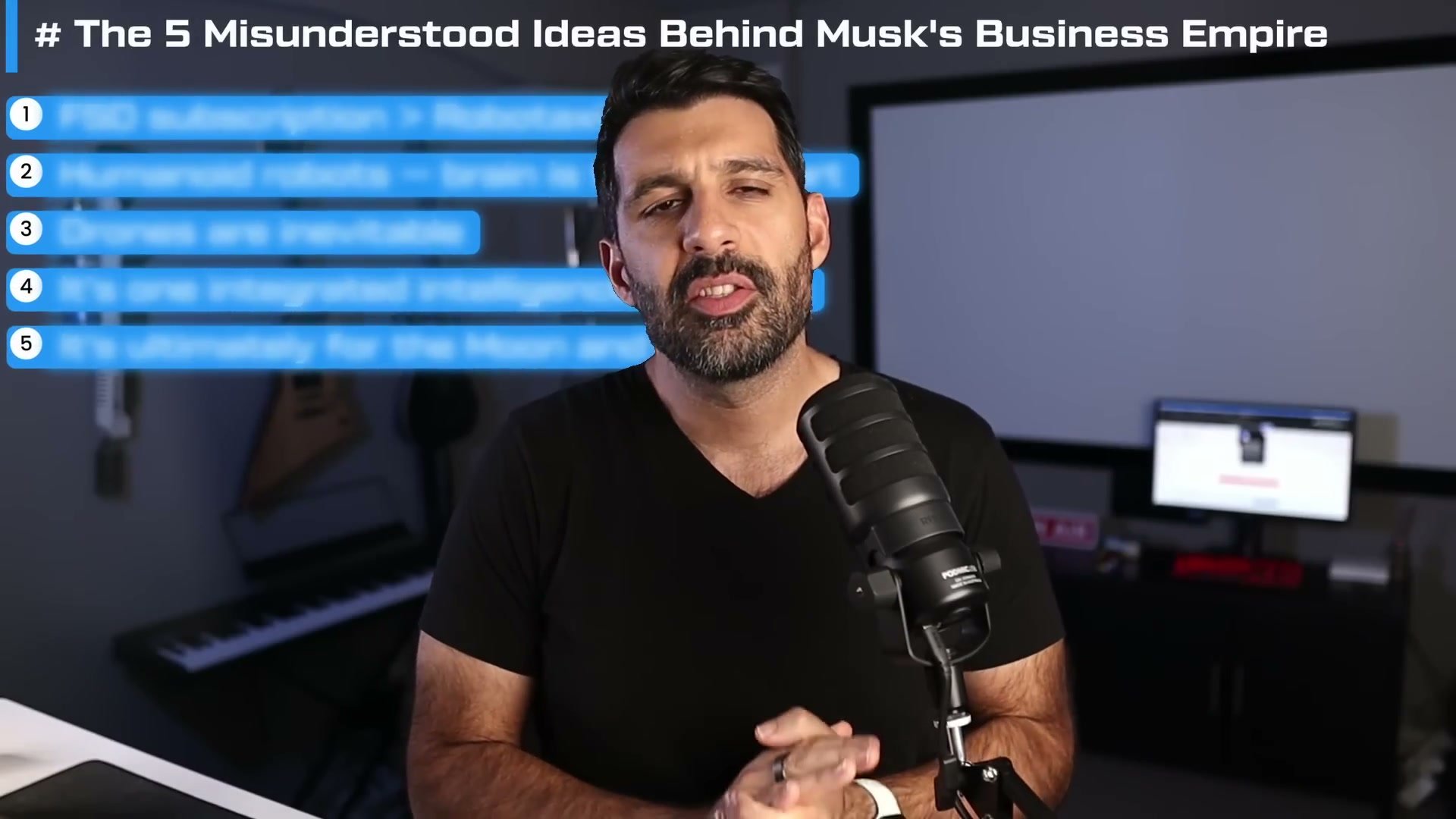
Five Misread Bets Across Musk’s Empire Point to Software Margins, Humanoids, and Multiplanetary Infrastructure
From $99-a-month FSD on cars people already own to Gen 3 Optimus on the old Model S/X floor, the stack that matters is recurring intelligence - not the flashiest hardware headline.
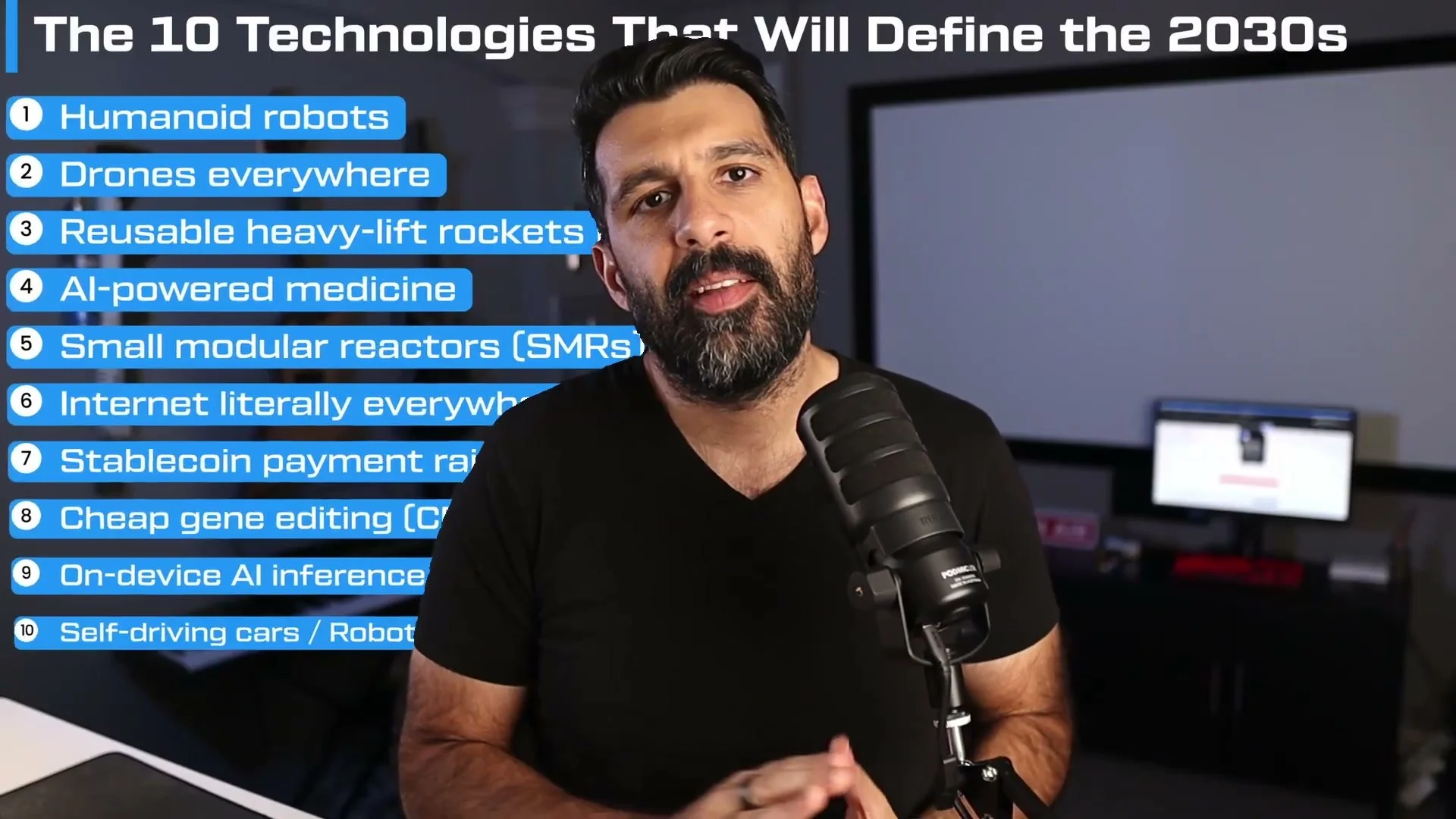
Ten Deployable Technologies Will Rewrite Ordinary Life By The Mid-2030s
From $2-an-hour humanoid labor and vision-only robotaxis to CRISPR cost curves and Starship’s 60-to-80x launch drop, the decade’s winners are specific machines hitting mass scale between 2030 and 2039.
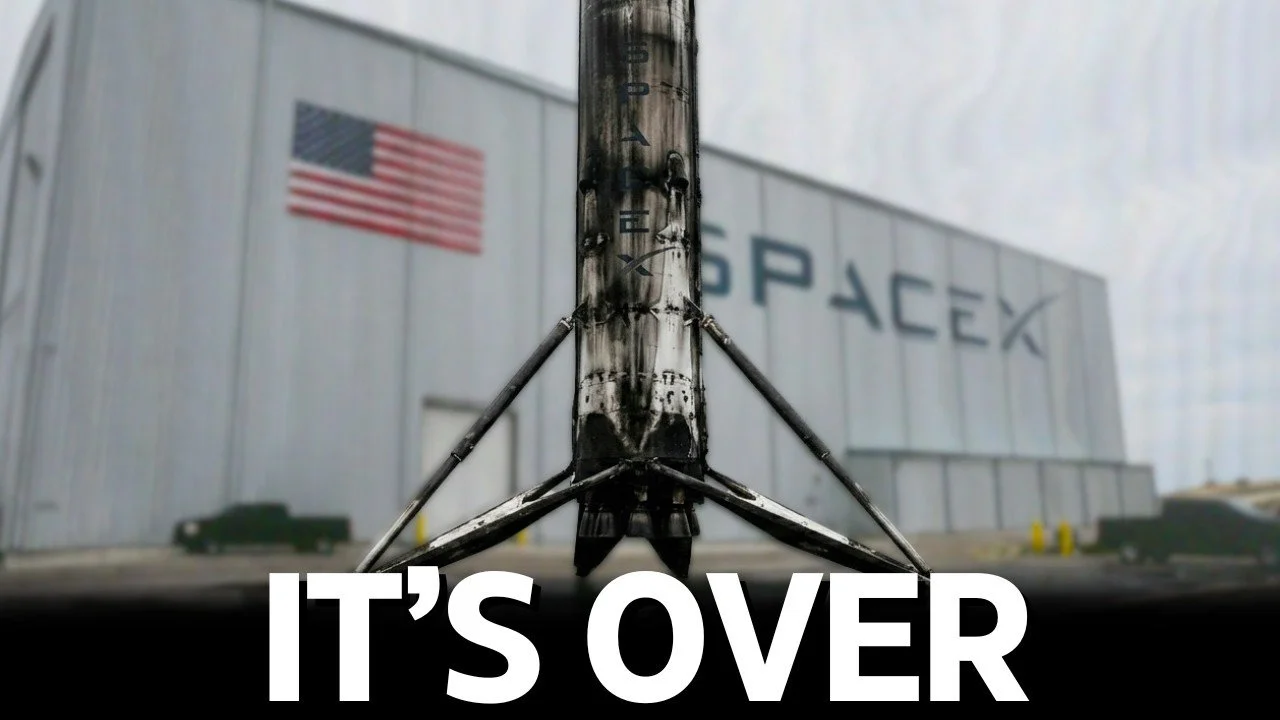
Why a Billion Dollars a Year Still Cannot Buy Blue Origin a SpaceX Flight Cadence
After New Glenn’s first orbit in 2025 and a pad-wrecking test failure in 2026, launch practice and captive Starlink demand - not founder wealth - still separate Falcon 9’s factory rhythm from Blue Origin’s early orbital path.
Five Ideas That Misread the Entire Musk Empire
FSD subscriptions, Optimus, drones, one intelligence stack, and a Moon-and-Mars endgame reframe how Tesla, SpaceX, and the rest of the complex actually fit together.
Tesla Tears Down Fremont Model S and X Lines for Optimus
A 46-day decommissioning of the original premium vehicle floor is set to free space for a humanoid line targeting as much as one million robots a year, while CyberCab rides, Starship static fire, China Model Y Performance, and Grok trials advance in parallel.
SpaceX’s S-1 Flags a Cascade That Could Kill Low Earth Orbit
With two-thirds of active satellites already Starlink, a crash clock measured in days, and filings for up to a million more craft, the company’s own IPO risk language says a debris cascade could wipe out the shell that runs the internet.
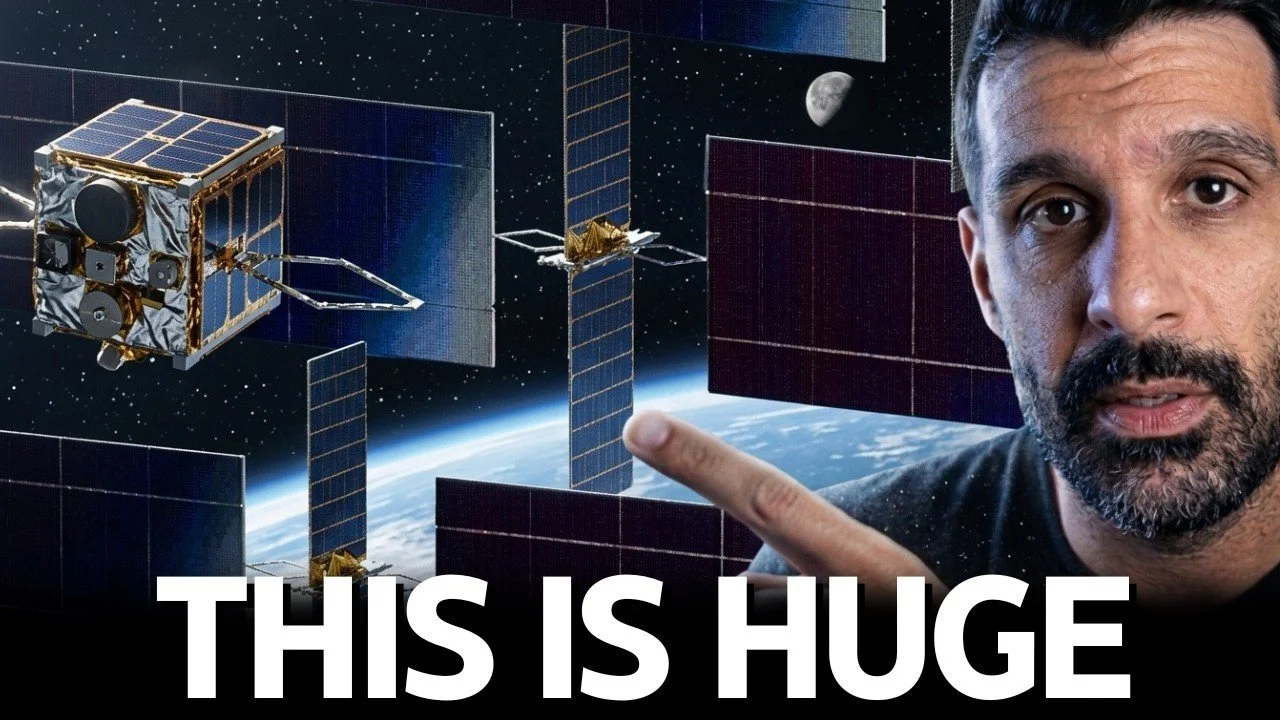
SpaceX Bets Public Markets on AI-1 Orbital Compute
A 70-meter AI satellite, an $85 billion IPO, and a thermal math problem that decides whether space compute ever undercuts Earth.
SpaceX Asks the FCC to Clear a 100,000-Satellite Starlink Network Built on Starship
The third-generation, non-geostationary system would spread up to 100,000 satellites across two very-low-orbit shells packed with beamforming and optical inter-satellite links to multiply capacity, but the entire plan hinges on regulators clearing spectrum and Starship becoming routine enough to fly
Brazil Clears Six Spectrum Bands for Starlink Direct-to-Cell — But Only Through a Carrier
Anatel’s July 2 allocation of six secondary mobile bands hands SpaceX a regulatory opening in one of its largest markets, yet a mandatory Brazilian carrier partner and 90 days of pending technical rules leave the business case unresolved.
Tesla Delivers 480,126 Cars in Q2 as 13.5 GWh Storage Quarter Steals the Story
A 25% year-over-year delivery jump blew past the ~406,000 Wall Street expected, yet shares still dropped about 7% and the real signal sat in an energy business now deploying near-record storage ahead of the July 22nd earnings update.
Musk Warns Optimus Production Will Start Extremely Slow at Fremont
Tesla is building a modular Optimus line in Fremont designed for iteration before scale, and the deliberately slow start is the strongest signal yet that the humanoid robot is a twenty-year manufacturing story rather than a near-term revenue event.
SpaceX Absorbs xAI and Bets Its $1 Trillion Revenue Target on Compute, Not Rockets
Fresh off the largest IPO in history, Elon Musk is claiming SpaceX can multiply revenue 54x by 2030 — a promise that only makes sense because the company quietly became an AI infrastructure play whose addressable market it pegs at $28.5 trillion.
SpaceX's IPO Bets Everything On One Number: The 95% Collapse In Cost-To-Orbit
A $1.77 trillion valuation that careful models can’t justify makes perfect sense once you see the cost of putting internet bandwidth into orbit fall from $6.55 to 30 cents per megabit per second, and why the same curve unlocks data centers in space.
SpaceX Signs $6.3 Billion AI Compute Lease With Reflection AI as Texas Court Clears Starbase Path
A $150-million-per-month lease of NVIDIA GB300 capacity to Reflection AI, a unanimous Texas Supreme Court win over Boca Chica beach closures, and United’s first wide-body Starlink transatlantic flight together reframe SpaceX as a multi-market infrastructure company while Tesla fights to control the
Tesla Files "Megapod" Trademark As SpaceX Preps Starfall Orbital Return Demo
A June 18 intent-to-use filing points Tesla’s energy and AI stacks at data center hardware, while SpaceX lines up a June 23 Falcon 9 test of a cargo capsule built to bring payloads home from orbit.
SpaceX Lands First Investment-Grade Ratings, Notches Above Tesla, as Robotaxi Groundwork Clears SFO
Moody’s, S&P, and Fitch all stamped the privately-held launch company investment-grade—Moody’s BA-1 sitting two notches above Tesla’s BA-3—while Tesla quietly won airport ride-hailing rights in San Francisco, shipped FSD v14 to Australia and New Zealand, and pushed its Australian Supercharger count