
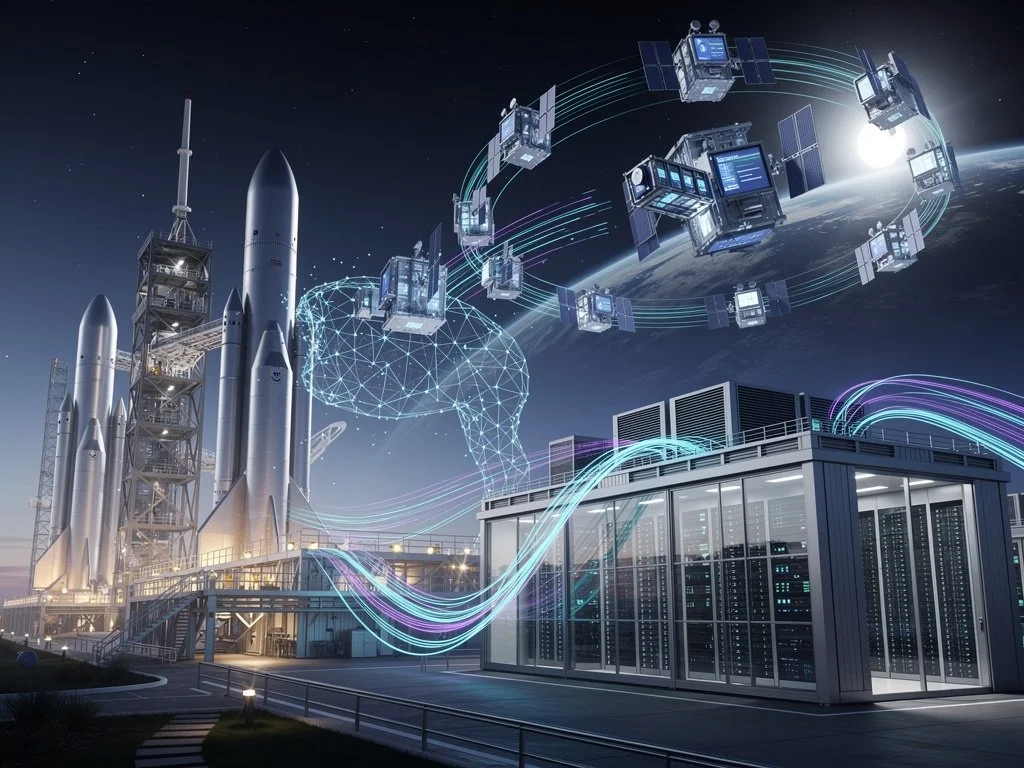
The Musk Megamerger: Building the Ultimate AI Infrastructure Empire
Revolutionizing Compute from Orbit to Earth
A massive merger between SpaceX, Tesla, and xAI could birth a $3 trillion powerhouse that dominates AI by leveraging space for unlimited energy and cooling. This isn't just consolidation—it's a strategic play to own the backbone of the AI era, from rockets to robots.
Key Takeaways
SpaceX, valued at $800 billion, might reverse merge into Tesla's $1.5 trillion structure, potentially including xAI's $230 billion valuation for a combined entity exceeding $3 trillion.
The core driver is overcoming AI's compute bottleneck through space-based data centers, offering constant solar power and passive cooling in orbit.
Synergies include SpaceX's rockets and satellites for deployment, Tesla's manufacturing for hardware scale, and xAI's models for intelligence, creating a vertically integrated AI stack.
Starship enables massive satellite launches, targeting 6,000 compute-enabled units annually, forming a global orbital network.
Risks involve regulatory hurdles, execution challenges in space tech, and geopolitical tensions, but the infrastructure moat could prove unbeatable.
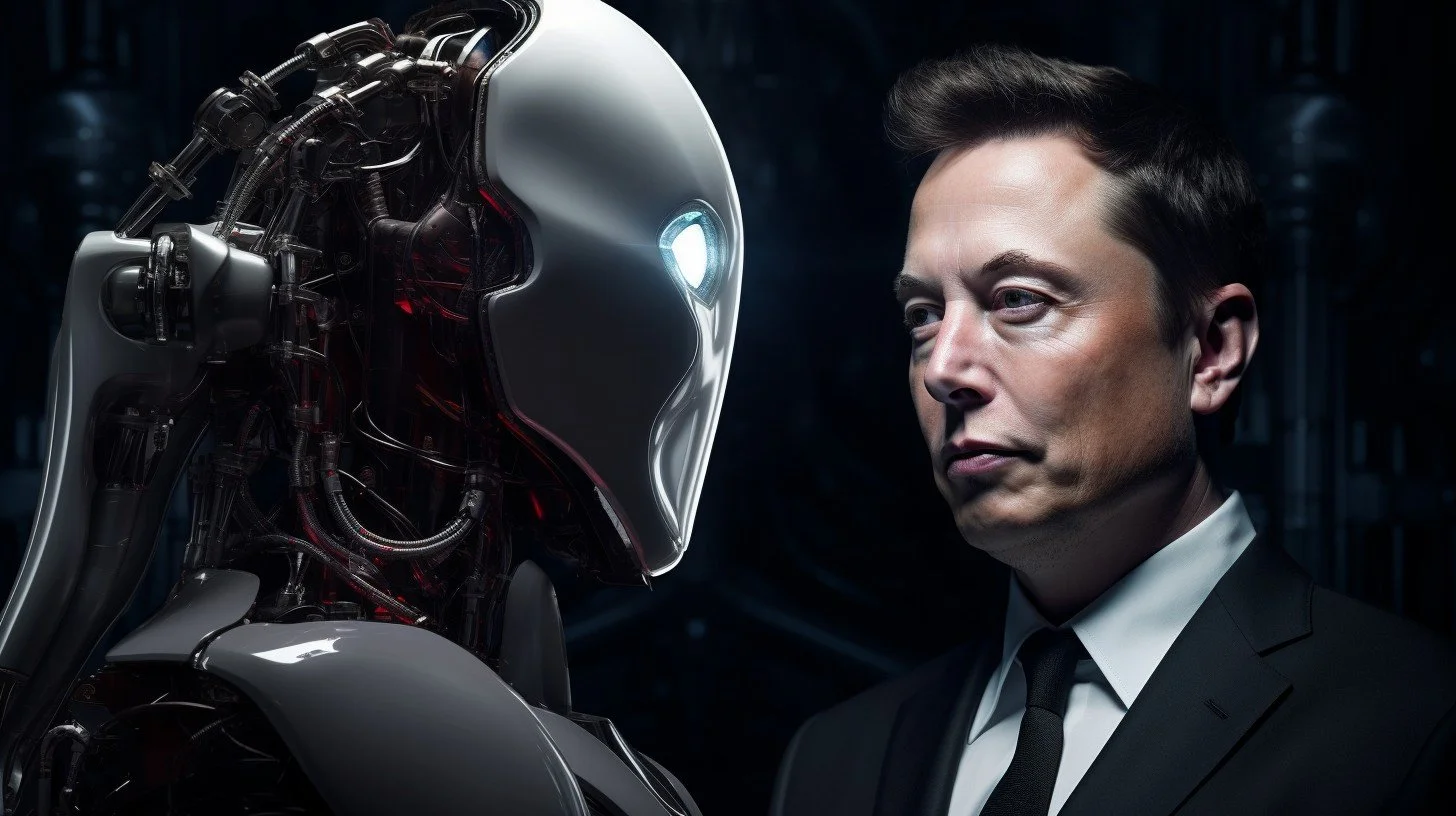
Elon Musk's Bold Leap: Cyborg Humans and the Race to Superintelligent AI
Revolutionizing Human Potential Through Tech Integration and Unmatched Innovation
Neuralink implants are restoring mobility to paralyzed individuals, while xAI's Grok 5 aims for artificial general intelligence. Tesla's Optimus robot promises superhuman abilities for those who've lost limbs, and massive data centers are fueling unprecedented AI training speeds. These developments signal a future where physical and digital worlds converge, boosting productivity and exploration.
Key Takeaways
Neuralink has implanted devices in over 10 patients, enabling rapid communication for those with severe paralysis.
Combining Neuralink with Tesla's Optimus robot could create cyborg bodies that allow users to walk, run, and perform at superhuman levels for around $60,000.
xAI, despite starting late, advances faster than competitors due to superior talent, massive hardware deployment, and real-time data from the X platform.
Grok 5, a 6-trillion-parameter model, incorporates multimodal training (text, images, video, audio) and real-time understanding, offering a 10% chance at achieving AGI.
Tesla's manufacturing efficiency hits a car every 35 seconds, with potential to reach 5 seconds, driven by physics-based optimization and chip design expertise.
Future plans include solar-powered AI satellites generating 100 gigawatts annually, expanding consciousness to explore the universe and search for alien civilizations.
AI and robotics will eventually satisfy all human needs, leading to a post-scarcity era where machines focus on their own pursuits.