
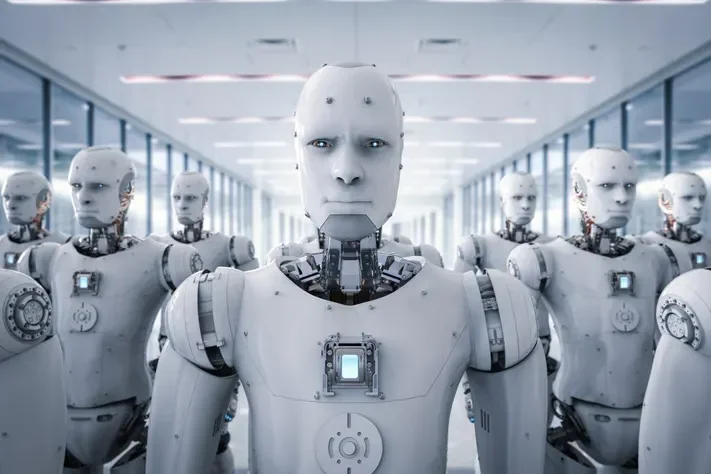
The Robot Revolution Is Here
Unlocking Abundance Through Humanoid Automation and AI
Humanoid robots stand poised to transform global economies by slashing labor costs and enabling unprecedented productivity, but the path forward demands careful navigation of job disruptions and societal shifts. This edition dives into how these machines could foster sustainable abundance on Earth while paving the way for interplanetary expansion.
Key Takeaways
Humanoid robots could triple the US workforce equivalent, allowing production of goods at scales 350 times current levels, with costs dropping to around $3 per hour for physical labor.
Transition periods may disrupt 40-50 million manual jobs in the US alone, requiring strategies like universal basic services to mitigate unrest and support retraining.
Robots excel at dangerous, repetitive tasks, from mining rare earths in extreme conditions to disaster cleanup, potentially reversing globalization by enabling localized production.
AI integration in vehicles and robots enables telepathic-like coordination among fleets, boosting efficiency in teams of machines or mixed human-robot groups.
Long-term visions include revitalizing degraded lands and communities through robot-led projects, reducing transportation friction, and achieving universal high income via abundant resources.
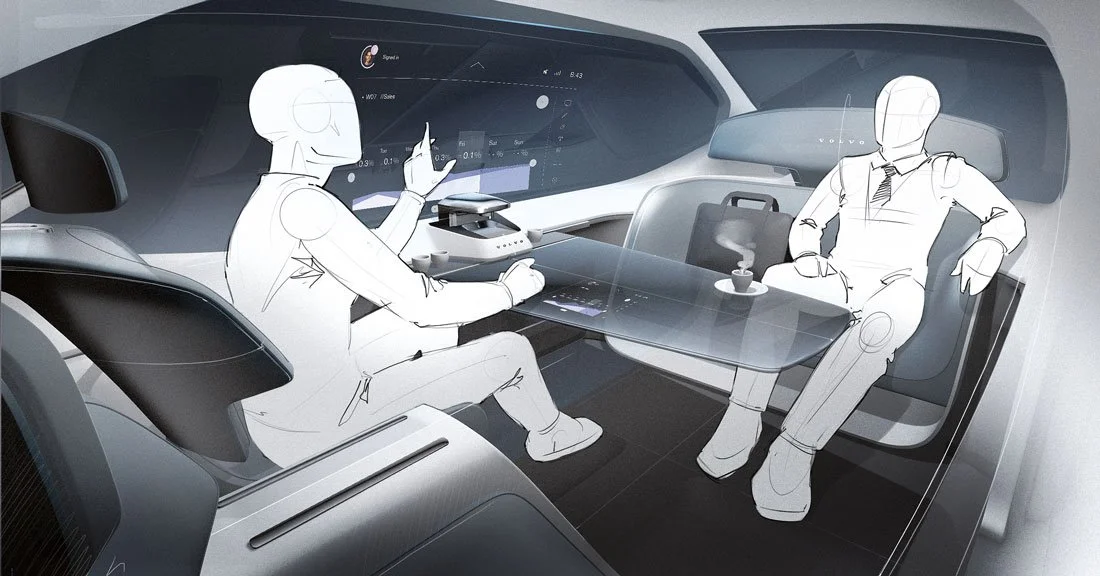
Autonomous Vehicles: Redefining Travel and Lifestyle
Revolutionizing Mobility with Self-Driving Tech
Tesla's upcoming Cybercab is set to reshape the electric vehicle landscape by blending cutting-edge autonomy with practical design adaptations, potentially delivering a sub-$30,000 car that drives itself without constant supervision. This move addresses production bottlenecks and regulatory hurdles, paving the way for high-volume sales starting in 2026.
Key Takeaways
Autonomous tech turns vehicles into movable rooms, enabling interiors optimized for work, sleep, sightseeing, partying, or RV living.
Larger vehicles like semis require higher safety standards due to potential for massive destruction in accidents, delaying full autonomy rollout.
Self-driving RVs and vans could compete in size and use cases, with third-party customization likely handling interior configurations.
Fleet models similar to airlines will allow providers to tailor vehicles for specific experiences, adding them to networks for on-demand access.
Highway autonomy already feels mature, paving the way for hybrid services on long routes that beat short flights in time and cost.
Self-driving tech lowers barriers to social outings, boosting attendance at events like sports games or conventions through convenient, fun group transport.
Accessibility improves dramatically for people with disabilities or elderly individuals, as vehicles handle navigation without traditional controls.

Humanoid Robots: The Warehouse Revolution That's About to Explode
Unlocking 20% Productivity Boosts and Infinite Scalability in Logistics
Humanoid robots are poised to transform warehouse operations by automating tedious tasks, adapting to dynamic inventory needs, and eliminating human limitations like fatigue and emotion-driven decisions. This shift could deliver immediate efficiency gains, reshape company cultures, and create barriers for laggards in the industry—insights that every tech-savvy operator needs to grasp now.
Key Takeaways
Humanoid robots enable dynamic inventory slotting, moving high-demand items closer to picking areas automatically, reducing travel time and boosting daily output by up to 20%.
By handling repetitive, physically demanding jobs without complaint, these robots free human workers for higher-value roles, improving morale and reducing turnover.
Implementation requires rethinking packaging and processes to suit robotic capabilities, such as pre-opening boxes, which minimizes errors and waste.
Early adopters will accelerate ahead, creating a competitive edge through emotion-free decision-making and 24/7 operation.
Barriers like initial setup costs and cultural resistance exist, but the potential for infinite demand makes humanoid robots a game-changer for small and large warehouses alike.