

SpaceX Puts a Lunar Mass Driver in Its Roadmap, Reviving a 1977 Physics Bet
A fuel-free electromagnetic catapult that flings cargo off the Moon using only electricity and magnets landed in SpaceX’s S-1 filing — reviving a Princeton physicist’s 50-year-old idea that turns lunar dirt into the cheapest mass in the solar system.

Virginia's Data Center Alley Hits a Political Wall as the AI Buildout Outgrows the Grid
The nation’s densest cluster of compute is now cycling backup generators as primary power and colliding with a new governor’s moratorium, exposing how permitting fights over nuclear and battery storage are throttling the AI boom’s real bottleneck: electricity.
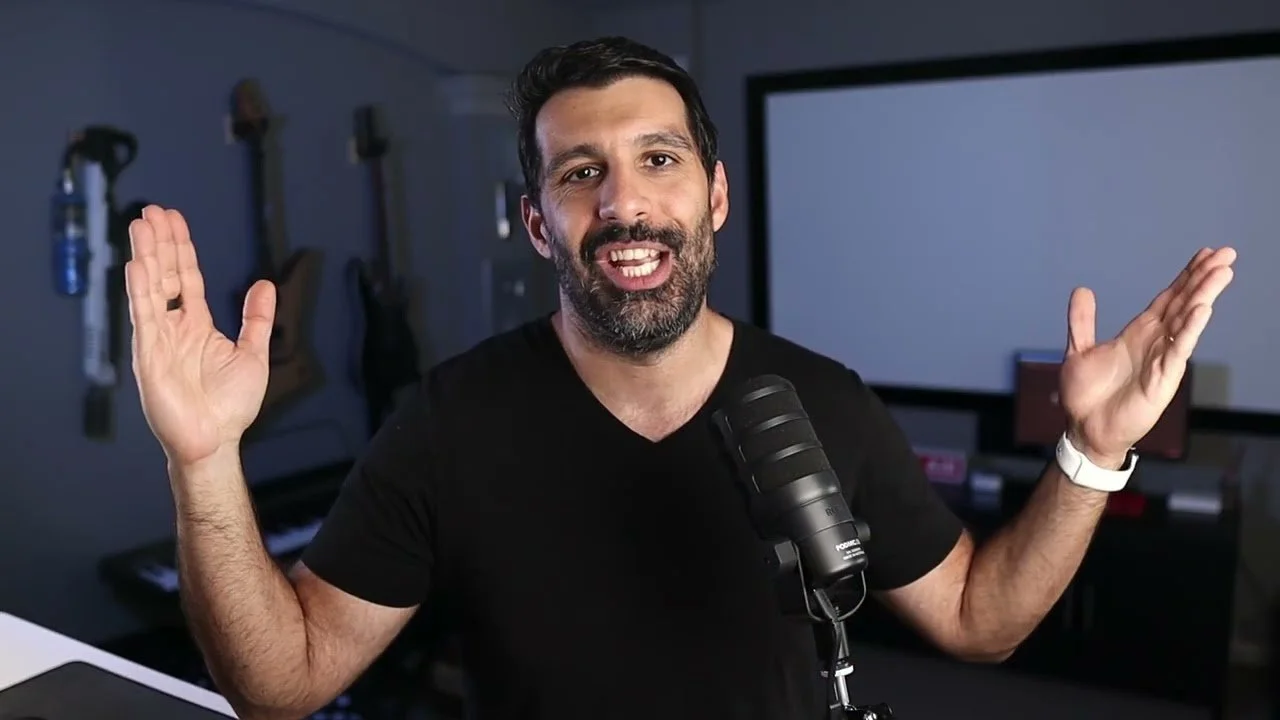
SpaceX Cracks $2 Trillion On Day One By Betting It Can Manufacture Intelligence From Sunlight
The June 12 IPO priced SpaceX as the world’s sixth-largest company because underneath the rockets sits a plan to turn never-setting orbital solar power into cognition, using the $20-a-year human brain as the floor and the sun as the ceiling.
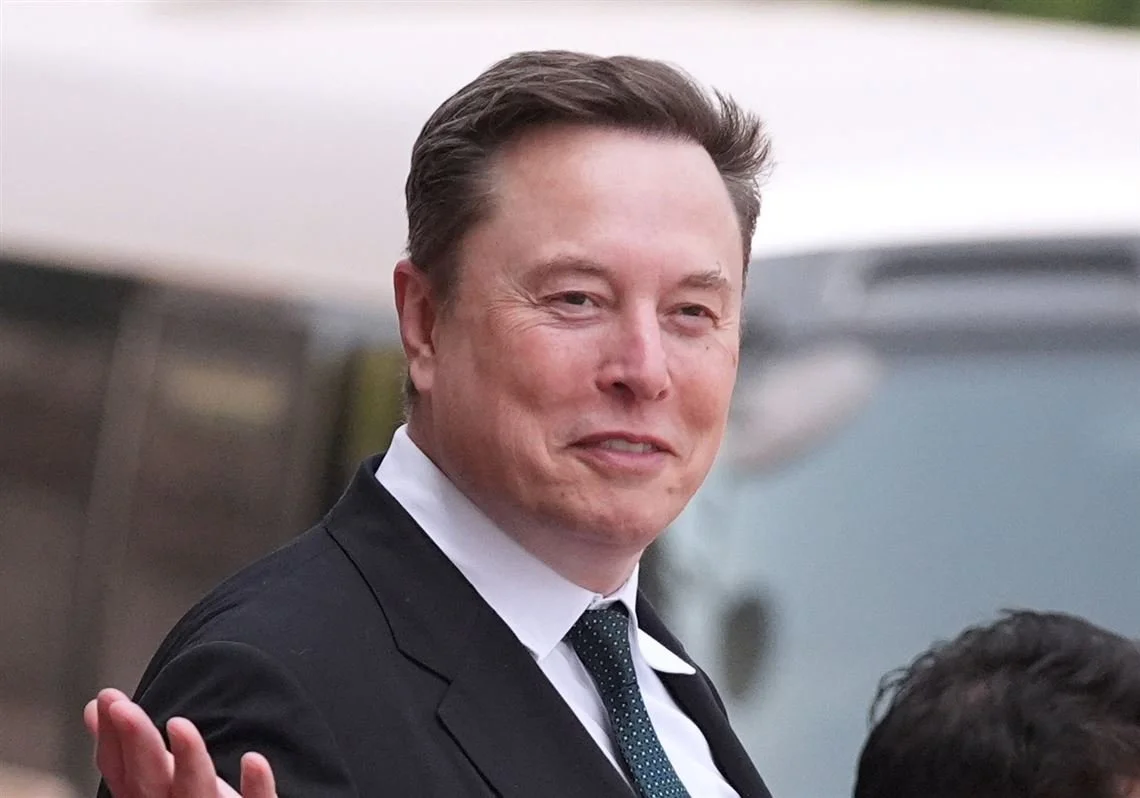
SpaceX's Record IPO: The Warehouse Vision That Could Make Mars Routine
Turning slim odds and sci-fi dreams into a practical path for anyone who wants to leave Earth
SpaceX reaching the largest IPO in history after starting in a single warehouse reveals how a clear, long-term objective can survive early doubts and technical setbacks. The real value lies in what comes next: engineering that treats multi-planetary settlement as a solvable problem rather than a distant fantasy, while giving ordinary people a concrete reason to believe the future will feel more expansive than the present.
Key Takeaways
A company founded in a modest El Segundo warehouse achieved the largest IPO ever, showing that sustained focus on ambitious technical goals can overcome initial assessments of very low success probability.
The central objective is to build systems that let anyone travel to the Moon, Mars, or other solar system destinations, moving spaceflight beyond professional crews to broader participation.
Established aerospace players produce reliable rockets yet have not directed equivalent effort toward the specific technologies required for permanent multi-planetary presence.
Earth-bound problems still require attention and resources, but large-scale projects that generate excitement about what happens next supply essential motivation that pure problem-solving alone cannot provide.
Current team capabilities support confidence that vehicles and infrastructure capable of carrying people to Mars and beyond can be delivered on a practical timeline.
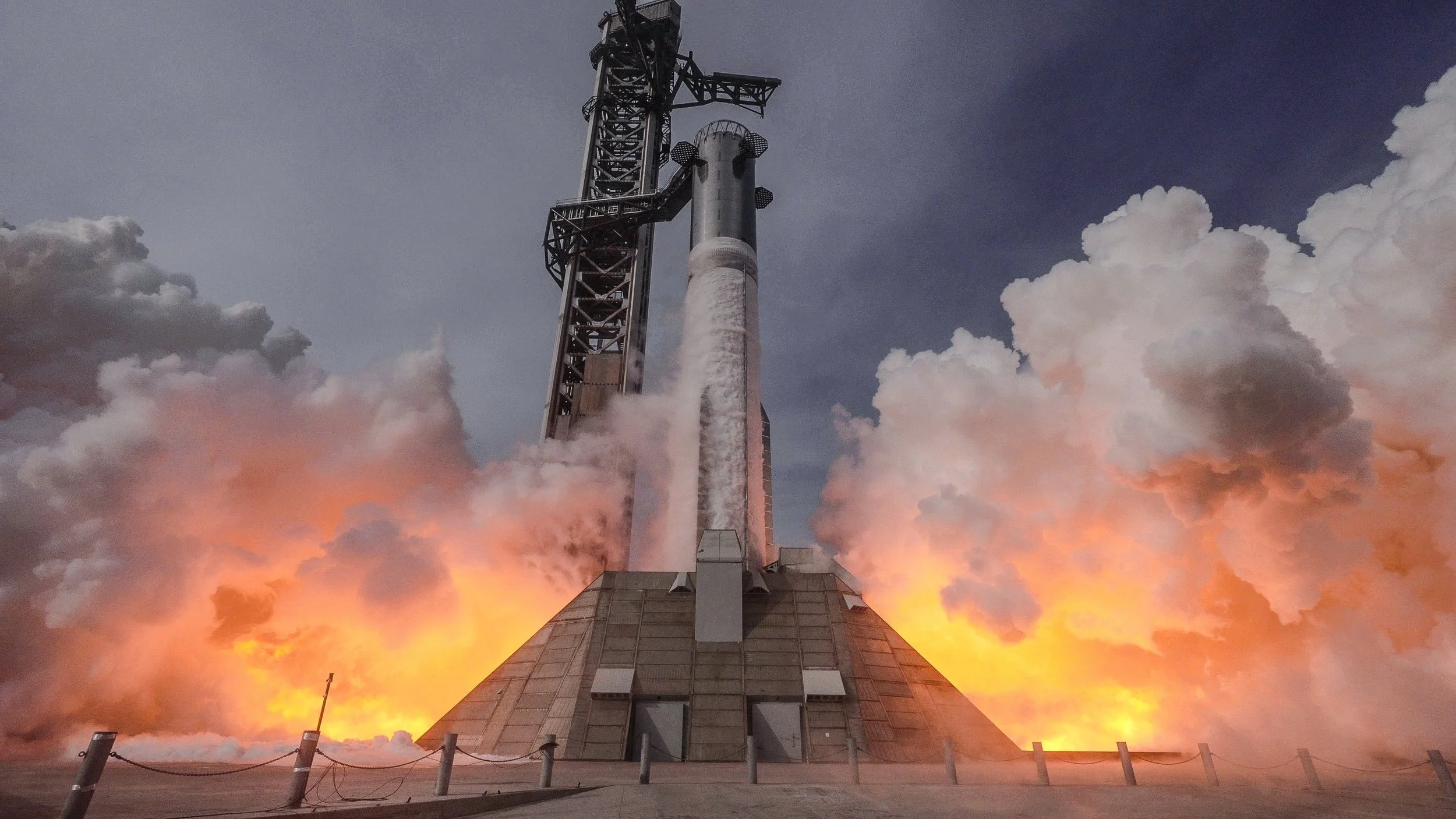
Starship Version 3: The Rocket That Turns Physics Into Progress
How SpaceX's latest booster and Raptor engines are proving full reusability isn't a dream—it's the next engineering step.
SpaceX has just pushed Starship Version 3 through its most intense ground tests yet. The first V3 booster completed a full 33-engine static fire after an initial 10-engine run, while the upgraded ship design cleared key orbital milestones in simulation and early checkouts. These tests highlight a system built for propellant transfer in space—the missing link that makes Moon landings routine and Mars missions practical. The scale, the simplifications, and the rapid learning loop show exactly how a company scales from small rockets to solar-system capability without breaking the laws of physics.
Key Takeaways
Starship Version 3 represents a clean-sheet redesign that directly fixes reliability and performance issues from earlier versions, enabling the booster to support crewed lunar landings and the first Mars city.
Raptor 3 engines feature massive simplification—fewer parts, higher integration, and improved reliability—making them cheaper, faster to build, and lighter while maintaining reusability on the level of commercial aircraft engines.
Testing follows a deliberate risk-reduction strategy: 10-engine static fires first on the new V3 booster to contain any problems before committing to a full 33-engine burn.
Orbital propellant transfer is the core technology that unlocks the entire solar system; once demonstrated, Starship can refuel in orbit and reach anywhere.
SpaceX's iterative flight-test approach delivered a successful booster catch in just five flights, proving the rapid cycle of hardware improvement and data-driven fixes.
Full reusability of both the booster and ship is the economic foundation for frequent, affordable access to orbit and beyond.