
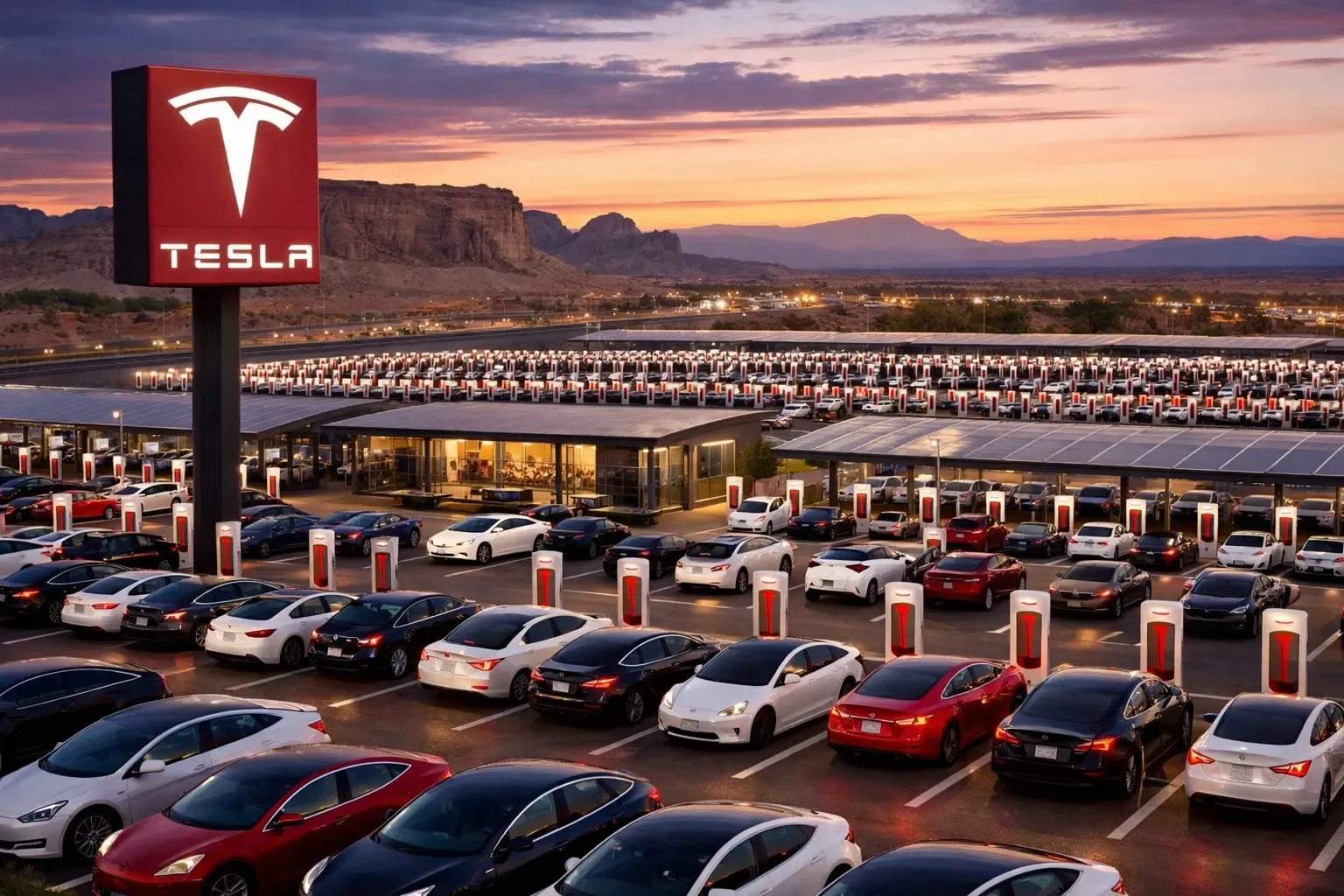
Tesla's Quiet Infrastructure Revolution: Off-Grid Chargers, Business Charging, and the AI Chip Moonshot
How Tesla is quietly building the backbone for massive energy + compute scale while the world debates geopolitics and AI backlash.
The most valuable signals right now aren't in the headlines. They're in the unglamorous but hyper-scalable infrastructure moves: massive off-grid Supercharger sites that double as potential compute nodes, a new program letting businesses host and price their own chargers, and the imminent kickoff of a gigantic in-house AI chip fabrication project. These pieces form the foundation for Tesla's energy storage dominance, fleet-wide inference, and independence from fragile global supply chains.
Key Takeaways
Tesla launched Supercharger for Business in mid-March 2026, allowing property owners to install and set pricing on Superchargers while Tesla handles hardware, software, maintenance, and network integration.
The massive Lost Hills "Project Oasis" station in California—164 stalls, 11 MW solar farm, 39 MWh battery storage—operates primarily off-grid and demonstrates a replicable model for high-utilization solar + battery sites that could host AI inference during low-EV demand periods.
Tesla's Terafab project launches March 21, 2026: a multi-billion-dollar effort to build a 2nm-class semiconductor fab targeting 100–200 billion custom AI chips annually for Dojo, vehicles, and distributed compute.
Geopolitical risks around Taiwan and advanced chip supply remain acute, but Tesla's vertical integration push reduces long-term exposure.
AI graphics breakthroughs like NVIDIA's DLSS 5 show photoreal neural rendering becoming mainstream, yet face cultural resistance that may be amplified by competing interests slowing U.S. AI progress.
Agentic AI tools (Claude Code, OpenRouter, local models) are already automating paperwork, development, and operations—shifting from scarcity to abundance mindsets in creative and professional fields.

Iran Uncaged: The Tech Eruption Set to Redefine Global Innovation
Why a Liberated Iran Could Spark the Biggest Tech Boom in Decades
The fall of Iran's regime on February 28, 2026, opens doors to explosive growth in technology, energy, and economy. With vast energy reserves, a highly educated youth population, and a diaspora of top innovators, Iran stands poised to leap into AI leadership and become a key player in powering global compute needs.
Key Takeaways
Iran's 7,000-year civilization boasts foundational contributions to algebra, medicine, human rights, and governance, setting a deep cultural base for innovation.
Pre-1979 modernization drove 9-10.5% annual GDP growth, creating a secular middle class and advanced infrastructure before the regime halted progress.
Today, 90 million people include 42% under 25 with 98% youth literacy and 70% of engineering graduates being women, rivaling developed nations.
The diaspora, exceeding 3 million, has built billions in value through companies like Uber, Intuit, and Databricks, ready to reinvest knowledge and capital.
Historical parallels with South Korea, Singapore, UAE, and Rwanda show how education, resources, and tech focus can multiply GDP by hundreds in decades.
Iran's second-largest natural gas reserves and top-tier solar potential could slash AI data center costs by 90%, attracting global tech investments.
AI tools enable Iran to skip traditional development stages, accelerating startups in healthcare, finance, and energy.
Risks like infrastructure decay and geopolitical tensions exist, but high education, organized civil society, and AI's timing differentiate Iran from past failures.
Predictions point to double-digit GDP growth, top-20 economy status in 15 years, and AI-powered sectors dominating within 25 years.
Revolutionizing Global Connectivity: SpaceX's Leap into Direct-to-Phone Satellite Tech
How Starlink Mobile is erasing dead zones and transforming emergency response worldwide
Starlink Mobile represents a breakthrough in satellite technology, delivering seamless connectivity to everyday cell phones without modifications. This innovation closes massive gaps in global coverage, empowers disaster response, and sets the stage for broadband speeds from space—potentially reshaping how billions access the internet.
Key Takeaways
Starlink operates the world's largest satellite constellation with nearly 10,000 satellites in low Earth orbit, serving over 10 million subscribers with reliable broadband.
Starlink Mobile connects unmodified cell phones directly to satellites, covering 20% of U.S. land and 90% of Earth's surface previously unserved by terrestrial networks.
The system has already reached 16 million unique users and 10 million monthly actives across five continents, with projections to hit 25 million by the end of 2026.
It enables critical features like texting, voice, and video calls in dead zones, plus lifesaving emergency alerts during disasters such as wildfires and earthquakes.
Next-generation upgrades, launching mid-2027, aim for 5G-like broadband speeds up to 150 Mbps, using advanced spectrum and Starship for rapid deployment.
Partnerships with 35 telecom operators in 32 countries ensure global rollout, focusing on hybrid networks that complement terrestrial systems.
The Robot Revolution: Reshaping Global Power Through AI and Space
Exploring how massive infrastructure builds, demographic crises, and robotic economies could redefine nations and unlock abundance.
The world stands at a pivotal moment where technology intersects with geopolitics in unprecedented ways. Rapid advancements in AI, robotics, and space infrastructure promise to upend traditional power structures, while countries grapple with internal challenges like economic instability and aging populations. This newsletter dives into these dynamics, revealing opportunities for tech-driven growth amid global uncertainties.
Key Takeaways
Economic pressures and youth demographics are fueling unrest in oppressive regimes, creating openings for pro-Western shifts that could weaken adversaries like Russia and China.
China's aggressive infrastructure investments in remote areas aim to secure unpopulated regions, but demographic collapse from past policies threatens long-term viability.
Surveillance-heavy governance stifles innovation and free speech, limiting a nation's potential compared to open systems that attract global talent.
Robotics will eliminate labor cost advantages for low-wage economies, positioning countries with strong AI ecosystems—like the US—for dominance.
Space-based AI and manufacturing could detach economies from Earth-bound constraints, making national borders less relevant as corporations lead exploration.
Allocating a portion of robot labor to public good—around 15%—could achieve sustainable abundance without relying on inefficient government taxation.
Blue Origin's Giant Leap: New Glenn Nails Historic Booster Landing
Revolutionizing Reusable Rockets and Mars Missions in One Epic Flight
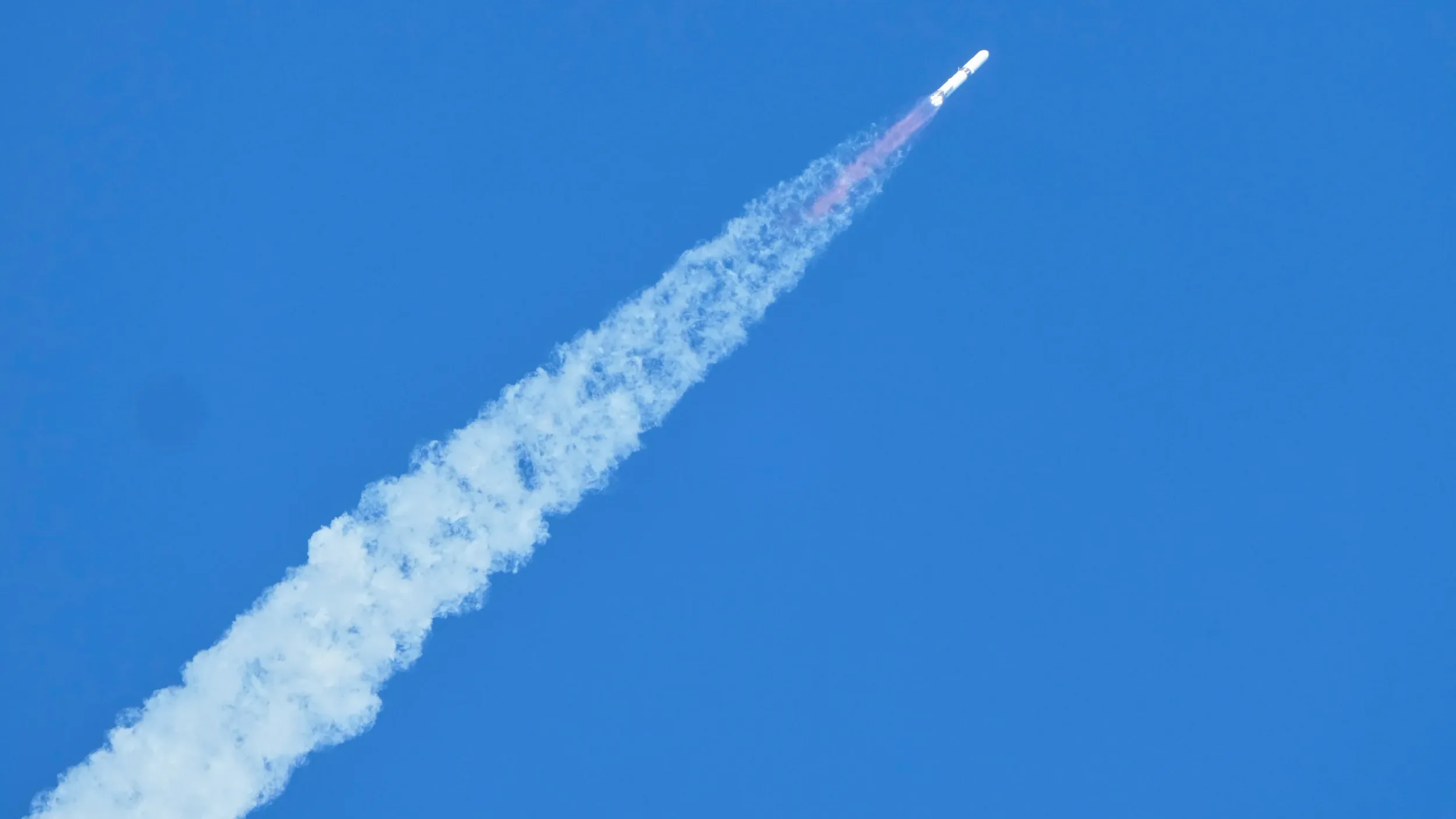
Blue Origin just pulled off a monumental achievement with the second flight of its New Glenn rocket, marking the largest rocket booster landing ever attempted. This success not only demonstrates reliable reusable technology but also propels NASA's Mars-bound satellites into orbit, setting new benchmarks for heavy-lift capabilities and cost-effective space access.
Key Takeaways
New Glenn's second test flight achieved flawless liftoff, stage separation, and second-stage ignition, confirming the rocket's robustness for heavy payloads.
The massive first-stage booster executed a precise ocean landing on a drone ship, proving reusability for boosters larger than any previously recovered.
Payload deployment included NASA's Escapade satellites, now en route to Mars to study the planet's atmosphere and magnetic fields.
Engine performance across the BE-4 and BE-3U models remained nominal throughout, highlighting advancements in methane-fueled propulsion.
This mission builds on the first New Glenn flight, extending progress in reentry and landing sequences for future commercial and scientific launches.

China's Manufacturing Muscle: The Battle for Tech Supremacy in a Divided World
Why the US must rethink dependencies on batteries, EVs, and rare earths before it's too late.
China now produces one-third of the world's manufactured goods, a figure projected to hit 50% by 2030. This dominance extends into electric vehicles, batteries, and critical materials that power everything from drones to AI data centers. As tensions escalate, the US faces a pivotal choice: deepen codependence or pursue isolation to safeguard national security and innovation.
Key Takeaways
China controls 90% of global magnet production and dominates battery supply chains, giving it leverage over EVs, renewable energy, and next-gen tech like humanoid robots and fighter jets.
EV sales in China have exploded from 5% of the market in 2020 to 50% this year, reaching 13 million units annually—driven by subsidies and a shift to domestic brands.
The US lags 10-25 years behind in battery and magnet tech; without rapid investment, assembly plants could shut down due to restricted access to materials.
AI and robotics amplify risks: cheap, Chinese-made humanoid robots could pose spying threats in homes and factories, while energy-hungry data centers rely on China's solar and storage dominance.
Negotiations highlight US vulnerabilities in pharmaceuticals, electronics, and autos; outcomes may split the world into democratic and authoritarian blocs, with Mexico, Canada, Europe, Japan, and Korea as key allies.
Europe's auto market is already infiltrated, with over 10% of new sales from Chinese brands like MG and Zeekr, often disguised as local acquisitions.
US innovation in AI chips and autonomous tech provides leverage, but internal distractions like political infighting and consumerism could erode advantages unless automation is embraced aggressively.
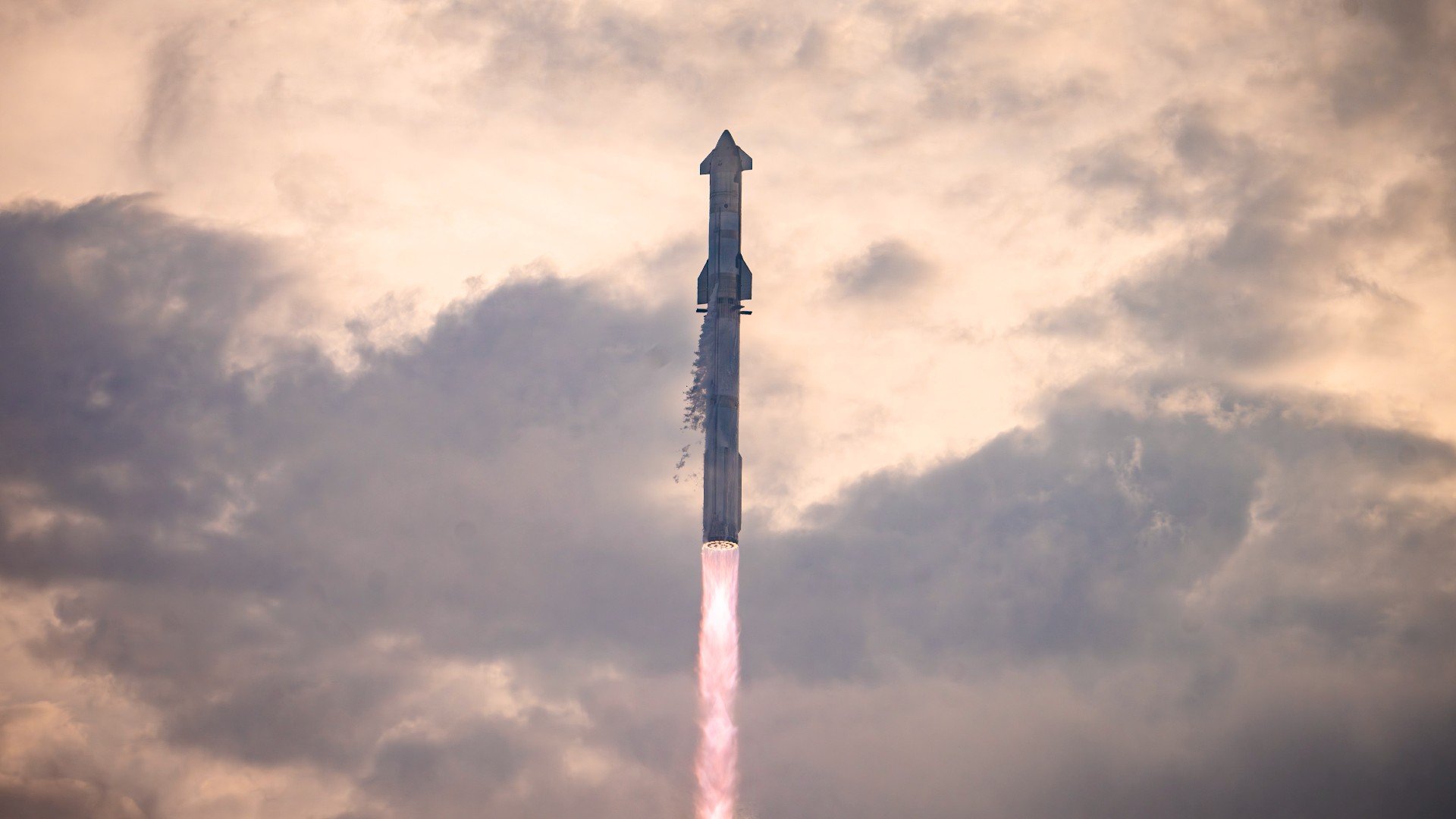
Starship’s Epic Flight 11: Pushing the Limits of Space Exploration
Unveiling the Future of Reusable Rockets and Global Connectivity
The latest Starship test flight has once again redefined what’s possible in space exploration. From a flawless launch to daring reentry experiments, this mission showcased the resilience of SpaceX’s ambitious rocket and its role in shaping the future of interplanetary travel and global internet access. Tech enthusiasts, buckle up—this flight delivered groundbreaking insights into reusable rocket technology, thermal protection systems, and the power of Starlink’s connectivity.
Key Takeaways
Successful Hot Staging and Separation: Starship executed a precise hot staging maneuver, with the Super Heavy booster and Starship separating cleanly, marking a significant step toward reliable reusability.
Raptor Engine Reliability: All 33 Raptor engines on the Super Heavy booster and six on Starship performed nominally, with a successful in-space Raptor relight demonstrating critical deorbit capabilities.
Payload Deployment Milestone: Eight Starlink simulators were deployed, paving the way for future missions to carry up to 60 advanced V3 Starlink satellites, boosting network capacity by 60 terabits per second per launch.
Thermal Protection Testing: Intentional removal of heat shield tiles tested Starship’s resilience under extreme reentry conditions, providing valuable data for future iterations.
Starlink’s Real-Time Data Power: Starlink’s connectivity enabled uninterrupted HD video and telemetry during reentry, overcoming plasma interference to deliver critical engineering data.
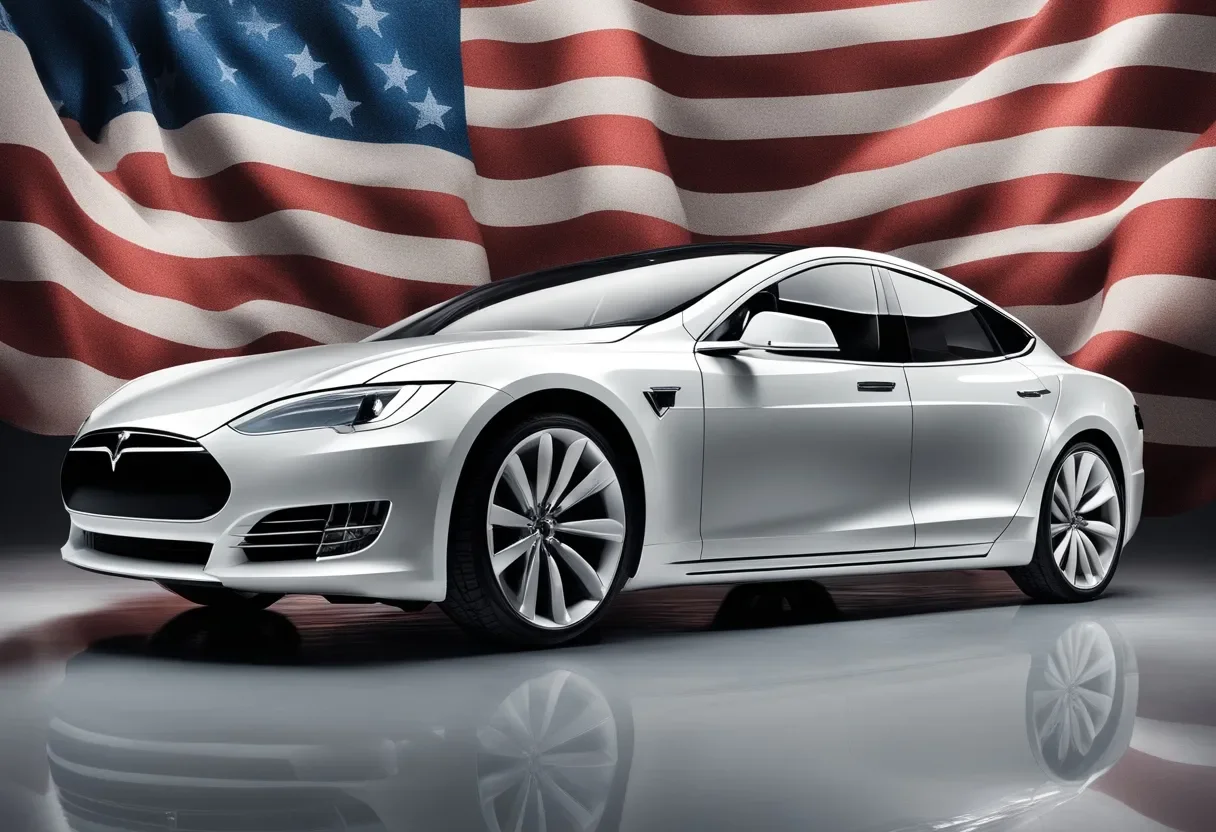
Tesla in China
Navigating Geopolitical Risks in the New Era of Global Trade
The rules of global trade are being rewritten—and for Western tech companies, the stakes have never been higher.
As the U.S.–China relationship fractures, what used to be commercial partnerships are turning into strategic liabilities. Tesla, once hailed as a rare Western success story in China, now faces rising political risk, intensifying domestic competition, and the threat of losing access to its second-largest market.
This isn’t just about cars. It’s about AI, robotics, and autonomous systems that now straddle the line between economic asset and national security concern.
The next five years will likely define which companies survive the shift—and which get caught in the crossfire.
Inside this analysis:
Why Tesla’s China play may follow the same pattern as Apple’s—and end the same way
How China’s tech self-sufficiency push threatens Western intellectual property
The new reality: software companies now need geopolitical risk strategies
And how national security is becoming a boardroom issue in every tech company
The global economy isn’t deglobalizing—it’s reorganizing. And the winners will be those who can navigate the politics as well as the product.