
Robotaxis, Humanoids, and the New Logistics Empire: How Automation Will Make Goods and Labor Nearly Free
Inside the convergence of AI robots, autonomous fleets, and centralized supply chains reshaping the global economy.
Recent breakthroughs in humanoid robots and logistics infrastructure point to a future where physical goods move as easily as data in the cloud, while autonomous labor handles repetitive work around the clock. These shifts could drive costs toward zero for transportation, storage, and manufacturing—opening massive opportunities for businesses of any size while concentrating power in the hands of a few tech giants. The pieces are falling into place faster than most realize.
Key Takeaways
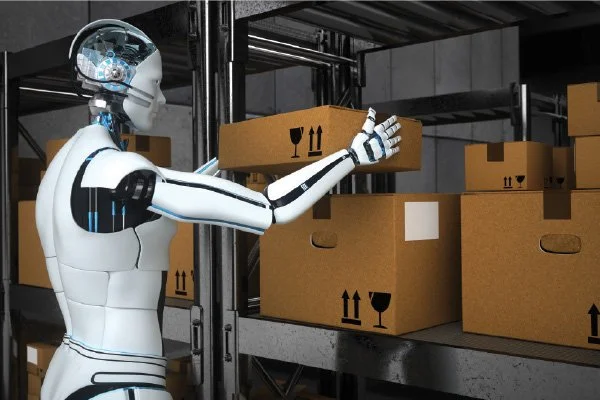
Humanoid robots are scaling production quickly, with at least one company now building a unit per day and using innovative wireless foot-charging pads that let them operate continuously without leaving their workstation.
Amazon has launched an end-to-end logistics platform that lets any business plug directly into its warehousing, shipping, and delivery network—essentially turning physical supply chains into a cloud service.
When combined with self-driving vehicles and humanoids, this infrastructure could make point-to-point movement and storage of goods extremely cheap and accessible, even for small operators with limited capital.
The result is accelerating centralization: a handful of companies could dominate labor, logistics, and data, echoing historical monopolies like railroads or oil but at global scale.
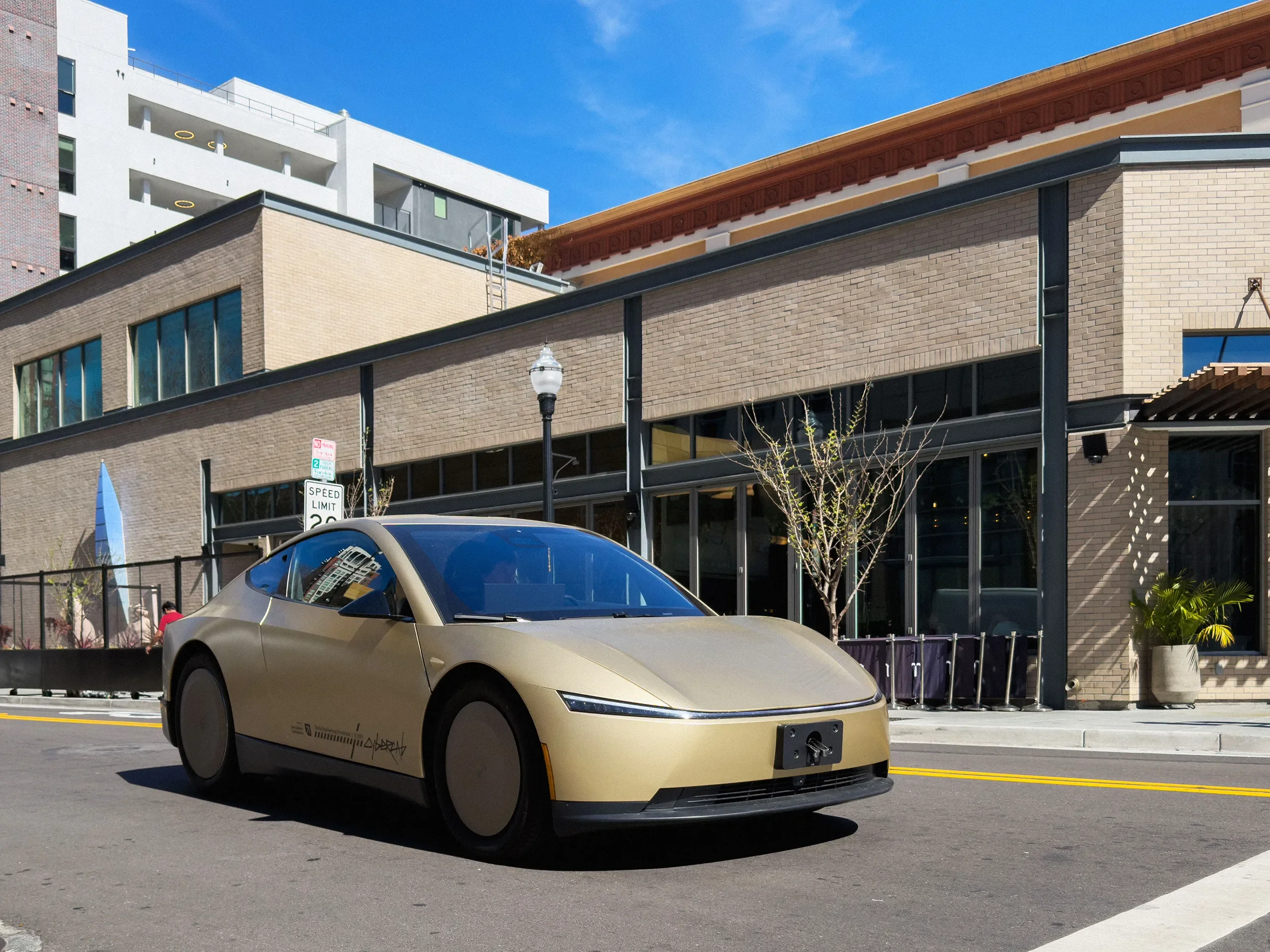
Tesla’s Robotaxi rollout faces a practical production bottleneck; early Cybercab output may include steering wheels and pedals to keep factory lines running at full capacity until unsupervised fleets can absorb volume.
Unsupervised autonomy, once achieved, unlocks enormous profit-per-mile margins—potentially $0.60–$1.00—driving rapid fleet expansion and dramatic company re-ratings.
Broader forces include corporations acting as the real power centers in geopolitics, with examples like China functioning as a single massive enterprise, alongside America’s commanding lead in AI, space launch, and defense technology.
The End of Scarcity? How Radical Abundance Will Remake Cities, Purpose, and Civilization
From robo-taxis and walkable arcologies to lunar megaprojects and the human drive for status in a post-work world.
Automation and advanced robotics are steering us toward a future where material limits fade fast. Everyday movement, living spaces, and even our sense of purpose stand to change in profound ways. Cities could shrink their footprints around people instead of vehicles. New settlements will sprout in breathtaking locations once considered too remote. And in a world of plenty, the real test becomes inventing fresh reasons to strive, create, and connect.
Key Takeaways
Robo-taxis will free up vast urban real estate, creating networks of highly walkable zones packed with green walls, terraces, and integrated ecosystems rather than parking lots and roads.
Personal flight systems with bird-like energy density could eliminate the need for cars and roads altogether, turning journeys into direct, exhilarating point-to-point experiences.
Robotic construction and cheap desalination will unlock development of stunning new towns and cities on high-desert land, mountain foothills, or even ocean platforms—places chosen purely for beauty and livability.
Perfect abundance environments, like those studied in controlled animal populations, can lead to behavioral collapse and population decline, but humans counter this through endless creativity, relative status-seeking, and the constant invention of new social contracts and subcultures.
Lunar resources could fuel enormous off-world compute infrastructure, while early Mars missions may confirm microbial life is common across the solar system, strengthening ideas of panspermia.
Versatile humanoid robots and brain-computer interfaces will handle physical labor and deliver immersive new experiences—from instant skill acquisition to full-sensory simulations—while heightening global competition over autonomous systems and supply chains.