
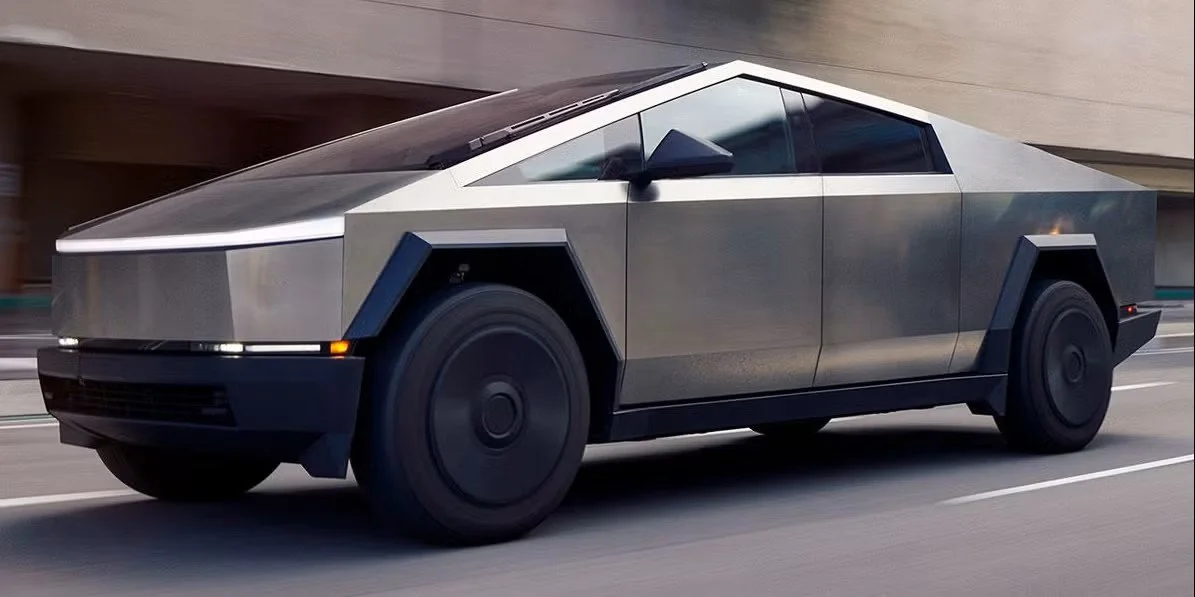
Cybertruck's Self-Driving Breakthrough: FSD v14.1.7 Takes on Austin Rush Hour
Pushing Autonomy to New Heights in Real-World Chaos
Tesla's latest Full Self-Driving update demonstrates remarkable progress in handling urban and highway scenarios, blending speed with safety in ways that rival human drivers.
Key Takeaways
FSD v14.1.7 maintains smooth, natural acceleration and braking, adapting seamlessly to traffic flow without abrupt movements.
The system excels in lane management, preferring middle lanes for cruising and shifting left only for passing, avoiding common pitfalls like left-lane camping.
Pedestrian detection and courtesy stand out, with the vehicle yielding appropriately at crosswalks and four-way stops, even in busy pedestrian areas.
Highway performance handles construction zones, merges, and speed variations up to 85 mph cap effectively, though minor hesitations occur in complex merges.
Parking garage navigation needs refinement, as the system sometimes fails to enter designated areas, but overall urban maneuvering in crowded spots shows strong politeness and caution.
Mad Max mode delivers assertive yet controlled driving, prioritizing empathy and safety over aggressive tactics.
School zones and low-speed areas trigger cautious speed adjustments, potentially geofenced for added safety around sensitive locations.
The update marks a pivotal step toward unsupervised autonomy, with potential for widespread deployment removing the need for constant driver attention by mid-2026.
Tesla's Full Self-Driving (FSD) system in version 14.1.7 represents a significant leap in autonomous vehicle technology, particularly when tested in a Cybertruck during Austin's demanding rush hour. This update showcases how AI-driven driving can integrate into everyday traffic, from highways to pedestrian-heavy domains, with a focus on reliability and user comfort. The performance highlights advancements in real-time decision-making, making self-driving tech feel increasingly viable for mass adoption.
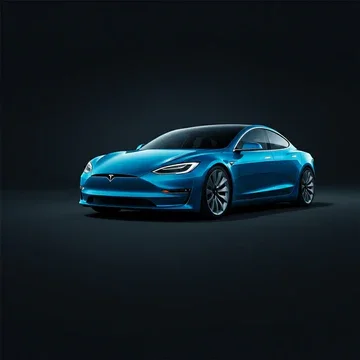
Tesla's FSD V14: On the Verge of Sentient Autonomy
Unlocking Driverless Freedom and Massive Scale in Robotaxis
Tesla stands at the edge of a major breakthrough with its Full Self-Driving software, where vehicles could soon handle complex real-world scenarios with human-like intuition. This update promises to boost safety far beyond current levels, enable hands-off driving for owners, and accelerate the expansion of autonomous ride-hailing networks.
Key Takeaways
Tesla plans to roll out FSD V14 in stages, starting with an early wide release next week, followed by V14.1 in about two weeks, and V14.2 soon after, where the system may exhibit near-sentient behavior.
The update increases parameters by roughly 10 times, allowing the AI to process more variables for nuanced decision-making in unpredictable situations.
Safety could reach 2-3 times better than human drivers, or even up to 10 times, potentially meaning accidents only every 1-5 million miles.
Existing Tesla owners with Hardware 4 could access unsupervised driving via software updates, possibly at a premium monthly fee around $99-200.
The same technology will power Tesla's robotaxi fleets in locations like Austin, the Bay Area, and Arizona, enabling rapid scaling with minimal human oversight.
Higher safety reduces the need for remote operators, potentially allowing one overseer per 1,000 vehicles at 10x human safety levels.
This positions Tesla to undercut competitors like Uber with operating costs as low as 40 cents per mile, driving massive market disruption.
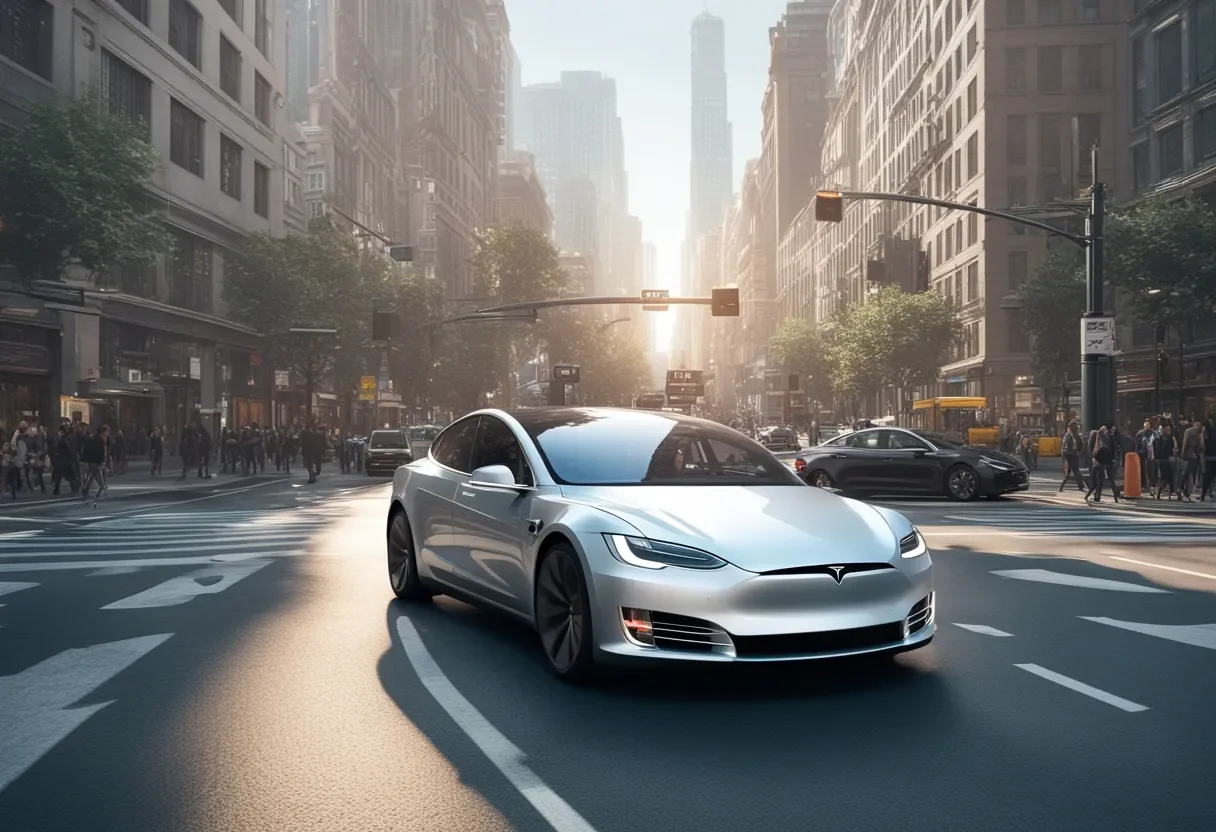
Tesla's Robotaxi Surge: Public Rollout Set to Transform Mobility
Unlocking Autonomy: Why Tesla's Next Move Could Redefine Urban Transport
Tesla's robotaxi service stands at a pivotal moment, with plans to open access to the general public starting next month. This shift promises lower-cost rides, massive efficiency gains, and a leap in vehicle utilization, potentially turning every Tesla into a revenue-generating asset while slashing personal car ownership expenses.
Key Takeaways
Tesla's robotaxi fleet in Austin uses Model Y vehicles with advanced Full Self-Driving software, currently operating with safety monitors but advancing toward unsupervised autonomy.
Expansion to public access is slated for September, beginning in Austin and potentially extending to California, with job postings indicating growth into cities like New York, Las Vegas, and Miami.
Operating costs could drop to around 60 cents per mile once safety drivers are removed, enabling profits of up to $2 per mile in high-demand areas like the Bay Area.
The service validates Tesla's hardware-first approach, embedding sensors and computers in mass-produced cars to gather billions of miles of real-world data for AI training.
Broader adoption may displace millions of ride-hailing jobs but could save thousands of lives annually by reducing accidents from human error, while increasing mobility access for underserved populations.
Regulatory hurdles remain, especially in California, where permits for driverless operations are pending, but Texas approvals pave the way for statewide scaling.