
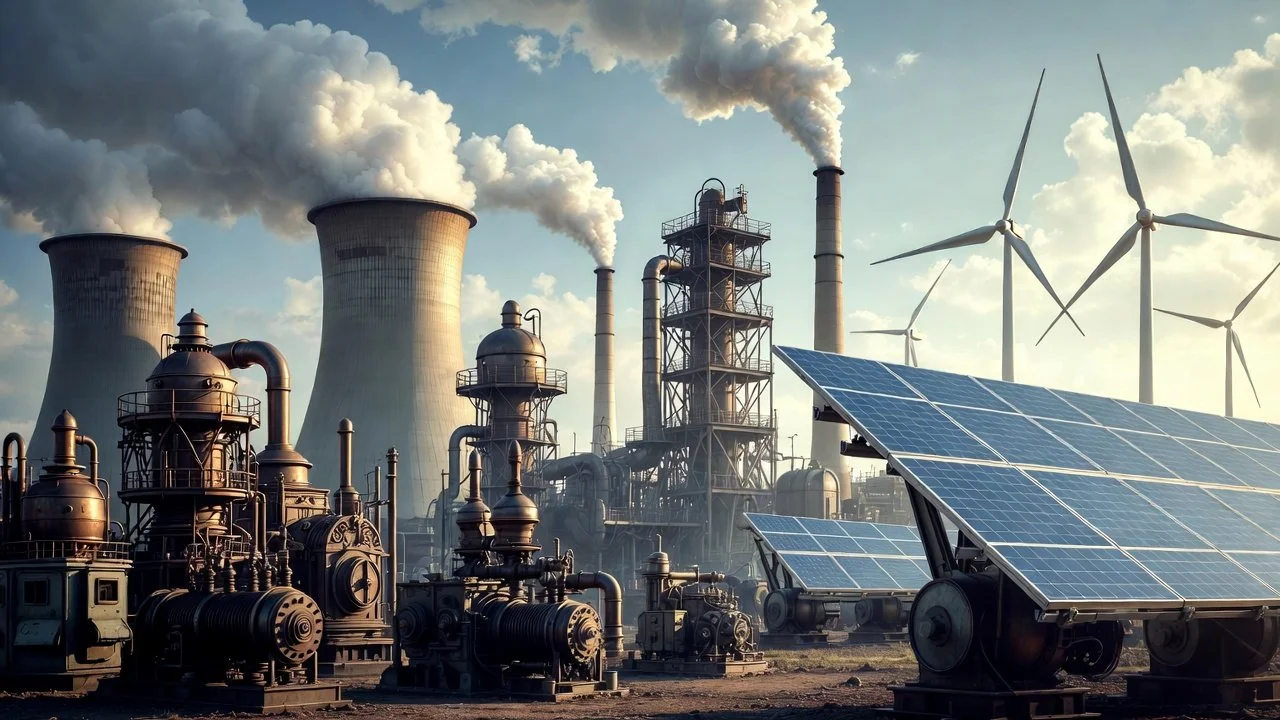
Energy: The Overlooked Force Powering the AI Explosion
Why cheap, abundant power—not just chips or models—will decide winners in the next decade
AI's hunger for electricity is reshaping global energy demand at a scale few appreciate. Massive data centers, GPU clusters, and inference at billions of queries per day require unprecedented power generation and storage. Batteries paired with renewables are emerging as the fastest path to unlocking grid capacity, while long-term visions point to space-based solar compute. Political and regulatory hurdles slow progress in the West, but the physics and economics favor rapid scaling—especially for integrated players.
Key Takeaways
AI data centers consume city-level electricity; cooling alone can eat 40% of usage, with inference scaling to billions of daily queries driving even higher demand.
Batteries + solar effectively double grid capacity by storing off-peak energy and discharging during peaks, bypassing the need for many new power plants or transmission lines.
Tesla deployed 46.7 GWh of energy storage in 2025 (up ~50% year-over-year), with energy gross margins around 29-31%—far outpacing automotive margins.
Battery costs have plummeted from over $1,000/kWh in 2010 to ~$115 today, following Wright's Law patterns of 20-30% cost drops per production doubling.
Distributed home batteries (like Powerwalls) form virtual power plants, stabilizing grids and enabling resilience without centralized failures.
Nuclear offers reliable baseload for AI, with co-location deals accelerating, but permitting delays (15-20 years) favor faster-deploy solar + storage.
China leads in solar and battery rollout; the U.S. faces grid bottlenecks, NIMBY opposition, and regulatory delays.
Space-based solar AI compute—enabled by low-cost launches, free cooling in vacuum, and constant sunlight—could become the lowest-cost path for massive inference in the coming years.
The full ecosystem convergence: solar/batteries for power, rockets for deployment, AI for workloads, and satellite networks for connectivity.
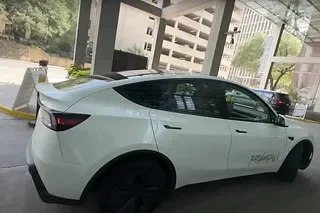
The Robotaxi Revolution: Unlocking Austin's Future of Autonomous Mobility
Redefining Commutes, Costs, and the AI-Driven World Ahead
Robotaxis are transforming urban life in Austin, slashing commuting costs while boosting productivity. Expansions signal rapid scalability, outpacing competitors and paving the way for highway integration. Beyond transport, AI ecosystems are emerging, blending seamless memory across devices and sparking innovations in delivery and societal structures.
Key Takeaways
Robotaxis in Austin now enable cost-effective commutes from suburbs, reducing parking fees from $50+ to near zero and adding productive time during rides.
Geofence expansions doubled in three weeks, with meme-shaped boundaries hinting at flexible, viral marketing and imminent broader coverage including highways.
Tesla's approach outperforms Waymo in scalability, potentially covering entire metro areas soon and offering perks like free employee transport at Gigafactories.
Highways are key to connecting rural and urban zones, enabling long-distance trips with smart fleet allocation and charging stops.
Grok integration in vehicles creates persistent AI memory, extending to ecosystems that could unify transport, devices, and even interplanetary travel.
AI competition is fierce, with xAI focusing on rapid innovation to challenge OpenAI's consumer lead through superior models and viral features.
Apple faces risks of stagnation in AI, potentially leading to hostile takeovers by cash-rich innovators valuing its supply chain under a trillion-dollar cap.
New primitives like drone deliveries (Zipline) and underground robots (Pipe Dream) promise cheaper, faster physical e-commerce, disrupting last-mile logistics.
Batteries drive all advancements; better, faster, cheaper energy storage is essential for drones, vans, and semis.
Societal shifts from AI job disruptions demand temporary redistribution mechanisms to foster entrepreneurship over permanent government dependency.
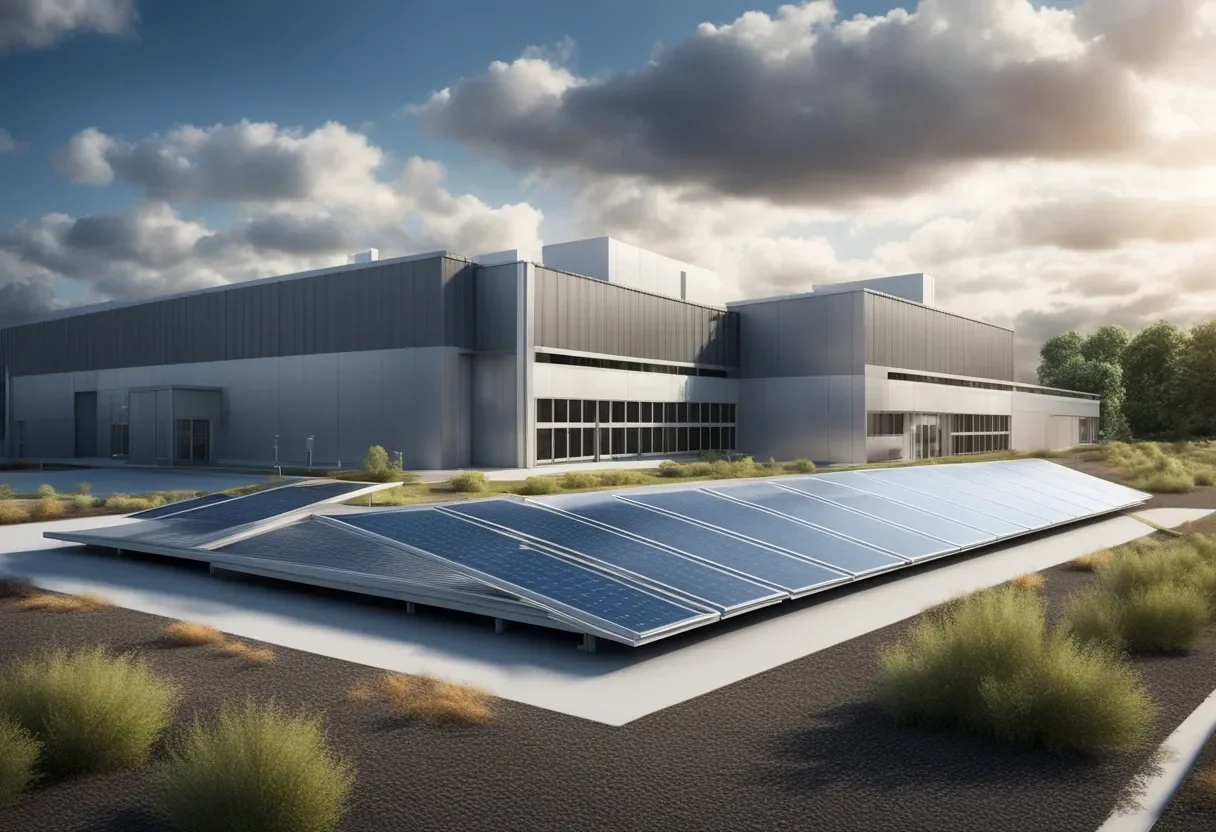
Tesla's Battery Revolution
AI data centers demand instant power shifts that grids can't handle—batteries step in to smooth the ride and unlock massive efficiency gains.
AI computing has exploded, but its hidden cost is massive power volatility that threatens grid stability. Short-duration batteries address this by absorbing surges and optimizing energy flow, turning a technical headache into a profitable edge. In flexible markets like Texas, these systems are proving their worth, potentially creating a trillion-dollar industry as AI scales up.
Key Takeaways
AI data centers create rapid power fluctuations from synchronized GPUs, stressing traditional grids with megawatt-scale spikes multiple times per second.
Short-duration batteries (2-4 hours) excel at managing these brief surges, offering better efficiency than long-duration options or wasteful GPU idling.
Battery systems can pay for themselves through energy savings by reducing peak power needs and optimizing usage.
Flexible power markets, like those in Texas, accelerate AI infrastructure growth by enabling quick adaptations and cost-effective solutions.
As AI expands, energy storage emerges as essential infrastructure, bridging current grid limits with future computing demands.