
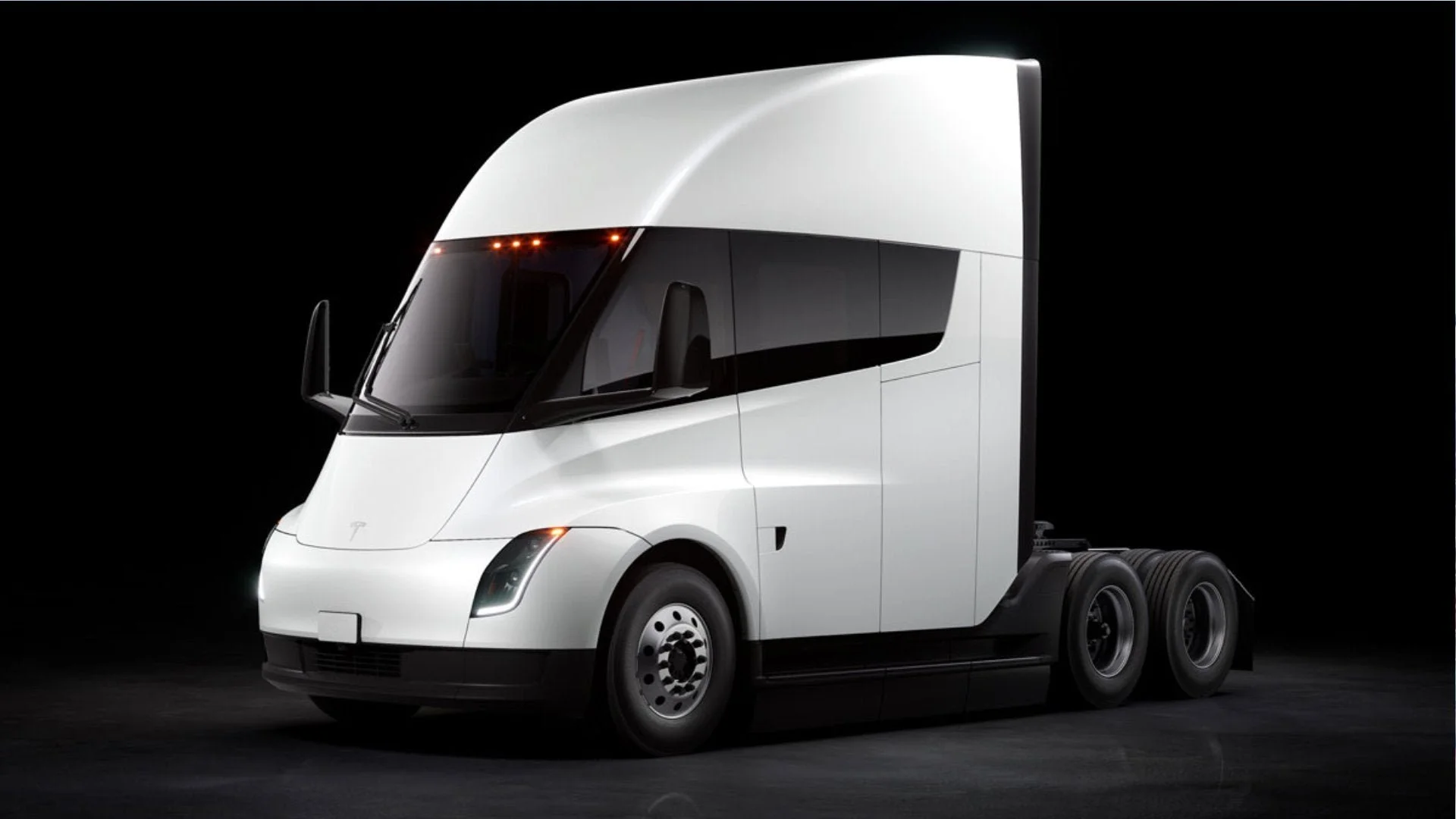
The Tesla Semi Has Started Production. The Truck That Ends Diesel's Century-Long Grip on Freight
Electric powertrains plus coming autonomy slash costs enough to compete with rail while keeping every road advantage, redrawing factory maps and supply chains across America.
Tesla began rolling production Semis out of its Nevada factory in 2026. Real-world efficiency data shows these trucks consuming about 1.7 kilowatt-hours per mile even when more than 65 percent of miles are run at loads above 70,000 pounds. At typical depot electricity rates, that works out to 20–30 cents per mile in energy. A comparable diesel big rig burns 80–90 cents of fuel for the same mile at current prices. Maintenance follows the same pattern: electric architecture removes the engine, multi-speed transmission, exhaust aftertreatment system, oil changes, and DEF fluid that dominate diesel repair bills, dropping that line item from roughly 19–20 cents per mile to around 6 cents. The math is already decisive on fuel and upkeep alone. When autonomy reaches the long, straight highway segments that make up the easiest slice of long-haul work, the largest remaining cost—driver wages and benefits—also shrinks dramatically. The combined trajectory points to an 80 percent or greater drop in total cost per mile, pushing road freight economics close to rail levels while preserving the flexibility rail can never match.
Key Takeaways
Production Tesla Semis achieve roughly 1.7 kWh per mile in heavy-duty service, translating to energy costs of 20–30 cents per mile versus 80–90 cents in diesel fuel at mid-2026 prices.
Comprehensive industry benchmarks place all-in diesel truck operating costs at $2.26 per mile, with driver compensation at nearly 44 percent and fuel representing only about one-fifth even at bulk rates.
Electric drivetrains cut maintenance costs by approximately 70 percent by eliminating thousands of moving parts, complex transmissions, and emissions hardware that require constant service in diesel rigs.
Layering autonomy onto electric operation on major highway corridors projects total cost reductions of 80 percent or more, approaching rail's 2–5 cents per ton-mile while retaining door-to-door road access.
The resulting affordability removes distance as a primary economic tax, making localized manufacturing and smaller, more frequent warehouse networks economically rational instead of politically driven.
Historical precedent from standardized shipping containers shows that transport cost collapses exceeding 90 percent can multiply trade volumes by factors of nine or more and reorganize global production geography within 15 years.
Efficiency gains do not reduce total freight movement; they expand it through longer supply chains, greater product variety, and higher shipment frequency as new use cases become viable.
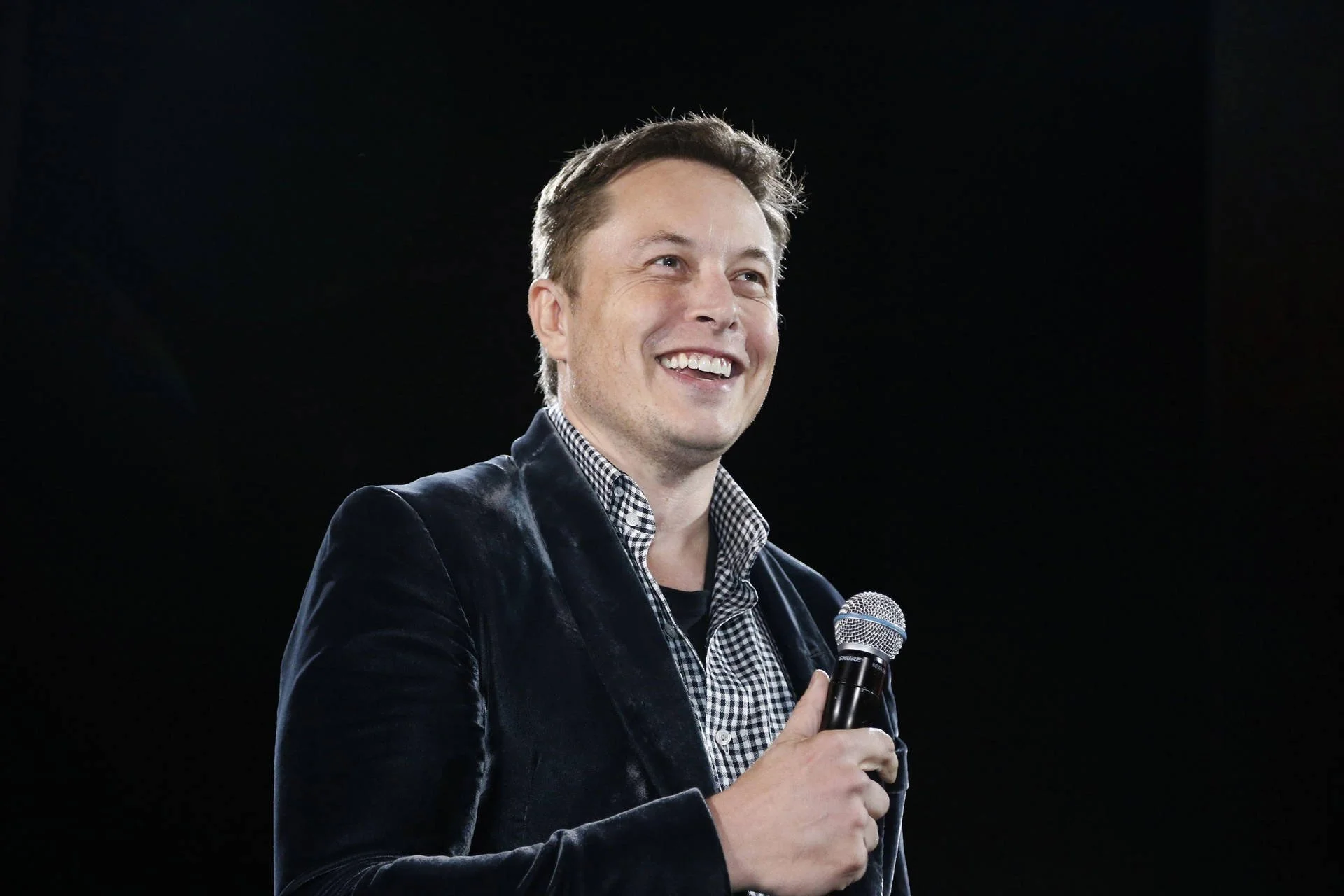
Why Elon Musk May Reshape the 21st Century More Than Any Innovator Before Him
One person advancing seven major industries at once – while the same kind of backlash that hit Edison, Jobs, and Lincoln plays out in real time.
The conversation around Elon Musk stays stuck on personality, politics, and headlines. Yet the measurable outcomes tell a different story: a single entrepreneur has forced global automakers to electrify, slashed space-launch costs by 97 percent, deployed thousands of satellites for internet access in remote regions, and built AI, brain interfaces, and humanoid robots that are already moving from labs to real-world deployment.
History shows this pattern repeatedly. Visionaries who bend entire civilizations get hated in their own era and celebrated later. Musk’s work sits at the widest gap yet between current perception and actual impact – and that gap is closing fast.
Key Takeaways
Musk’s companies are simultaneously transforming seven industries: automotive and energy storage (Tesla), space launch and satellite communications (SpaceX and Starlink), frontier AI (xAI), brain-computer interfaces (Neuralink), and humanoid robotics (Optimus).
SpaceX reduced the cost of reaching orbit from roughly $65,000 per kilogram to about $2,700 – a 97 percent drop – while launching more mass to orbit than every other entity on Earth combined.
Tesla produces over 1.8 million electric vehicles annually and has pushed every major automaker toward full electrification; its Full Self-Driving software is already operating unsupervised in select cities, targeting millions of autonomous robotaxis.
Tesla’s Megapack energy-storage business now delivers higher gross margins than its vehicle side and is scaling grid-scale battery systems worldwide.
The companies form a single flywheel: AI trained on driving data powers robots, battery tech supports rockets, satellite internet connects everything, and each breakthrough accelerates the others.
Personal stakes have been extreme – repeated near-bankruptcies in 2008 and 2018, 120-hour workweeks, and every dollar of early wealth reinvested into high-risk ventures – mirroring the obsessive drive seen in every historical figure who redefined an era.
Long-term civilizational gains include fewer road deaths, accelerated clean-energy transition, abundant low-cost labor through robotics, restored mobility via brain implants, and the infrastructure for multiplanetary expansion.
Today’s polarization focuses on the person; tomorrow’s record will focus on outcomes that change daily life at planetary scale.
Tesla's Tease Machine: From Wobbly Wheels to Kung Fu Bots
Unveiling the Next Wave of Innovation That's Priming Investors for a $8.5 Trillion Payday
Tesla's latest product hints point to a surge in affordable EVs, high-performance gadgets, and home energy efficiencies that could slash utility bills while boosting stock value. Investors are buzzing as these reveals align with a pivotal vote on executive compensation, signaling a return to the company's disruptive roots.
Key Takeaways
Tesla is gearing up for a sub-$35,000 EV launch, potentially featuring unique wheel designs that hint at advanced stability tech for everyday drives.
The next-gen Roadster may incorporate road-suction mechanisms for extreme downforce, elevating it beyond typical supercars into track-dominating territory.
Home energy solutions like solar-plus-battery leases promise long-term savings over grid power, especially in high-cost or remote areas, with buyout options after five years.
Optimus robots are advancing through video-based AI learning, enabling fluid movements like martial arts sequences without manual coding.
A mysterious rotating device teaser, set for reveal on October 7, could span drones, HVAC units, or even Cybertruck-inspired vans, broadening Tesla's ecosystem.
Amid these unveils, November 8 brings a shareholder vote on a compensation package tied to an $8.5 trillion market cap milestone, rewarding early backers with massive gains.