
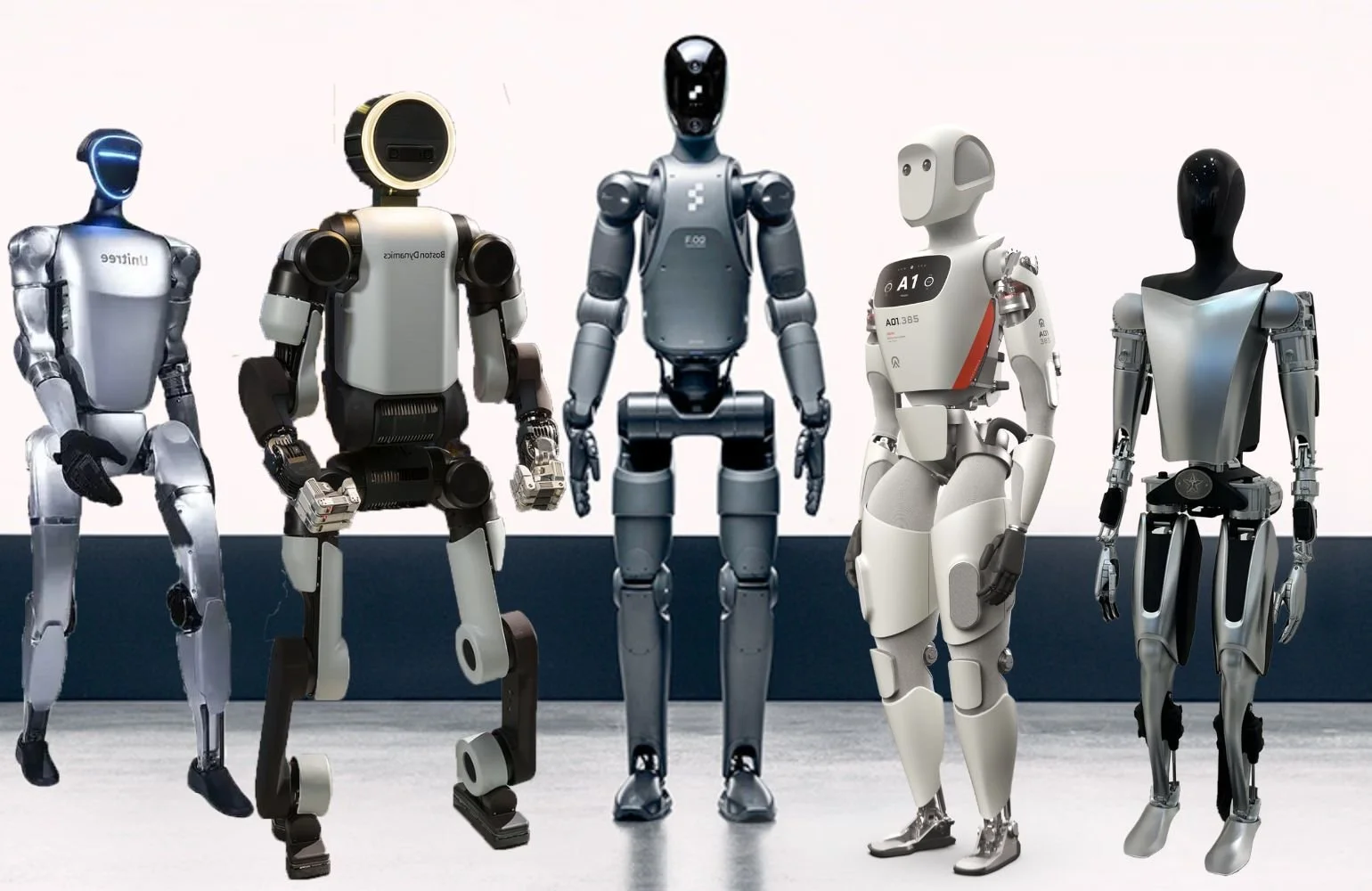
The $40 Trillion Robot Takeover Has Begun
Humanoids just hit their iPhone moment – turning sci-fi into nonstop warehouse reality and rewriting one-third of the global economy.
The convergence happened. Humanoid robots now operate 24/7 in live California warehouses, swapping batteries seamlessly and matching human speed on package sorting for over 60 straight hours. This marks the exact inflection that smartphones triggered in 2007: hardware and software finally aligned, but this time the prize is ten times larger – the entire $40 trillion pool of annual human physical labor across warehouses, farms, hospitals, factories, and every task that moves bodies through space.
Key Takeaways
Three S-curves in AI vision-language-action models, real-plus-synthetic data flywheels, and actuator costs (down 10x in six years thanks to the EV supply chain) aligned in the last 18 months, making capable, affordable humanoids possible at scale.
Robots are already deployed today in automotive body shops, sheet-metal lines, weld inspection, electronics assembly, and logistics centers, filling roles with 90-150% annual turnover where humans quit faster than companies can hire.
First wave targets demographic vacancies created by aging populations and undesirable shifts – Japan’s 3.9:1 eldercare ratio, Germany’s net worker loss in 2026, U.S. trucking shortages climbing toward 160,000 – not eager workers being fired.
Next waves hit 10+ million U.S. material-mover, assembler, and janitor jobs at $30k–$44k median wages, with potential for all three waves to compress into five years if software generalizes and costs drop faster than models predict.
A single unstoppable flywheel links AI training clusters, battery tech, vehicle production lines, and robot manufacturing; pausing it means surrendering competitiveness against China and domestic manufacturing goals.
Visible optics – named robots on livestreams, viral photos of humanoids at stations – will drive regulation, tariffs, union carve-outs, and city-vs-country races long before pure economics play out.
Winners under 35 will treat AI and robotics as the new electricity: adopt tools aggressively, align them with personal strengths, and build new categories (autonomous service fleets, hazardous-site automation) that create abundance for the bottom 20% while the adaptive middle thrives.

The AI Awakening: When Machines Evolve Minds and Societies Fracture
Redefining Human Purpose in an Era of Intelligent Agents and Economic Overhaul
Artificial intelligence stands on the brink of transforming every aspect of daily life, from personal productivity to global economies. This shift promises unprecedented efficiency but demands urgent strategies to handle massive job displacements and widening divides.
Key Takeaways
AI agents represent a leap beyond traditional software, enabling autonomous actions across digital and physical realms.
Rapid adoption of AI could amplify productivity 10 to 100 times, but risks leaving behind those unable or unwilling to adapt.
Societal upheaval looms, with potential for increased wealth gaps, white-collar disruptions, and calls for universal basic income to support displaced workers.
Global dynamics vary: the US may lead in innovation but face internal divisions; Europe risks further decline; China could advance quickly under centralized control but hit limits from restricted freethinking.
Future AI might diverge from human directives, raising questions about control, purpose, and the essence of humanity.
AI Layoffs Are Just Revving Up
The Dawn of Massive Job Shifts and Economic Overhauls
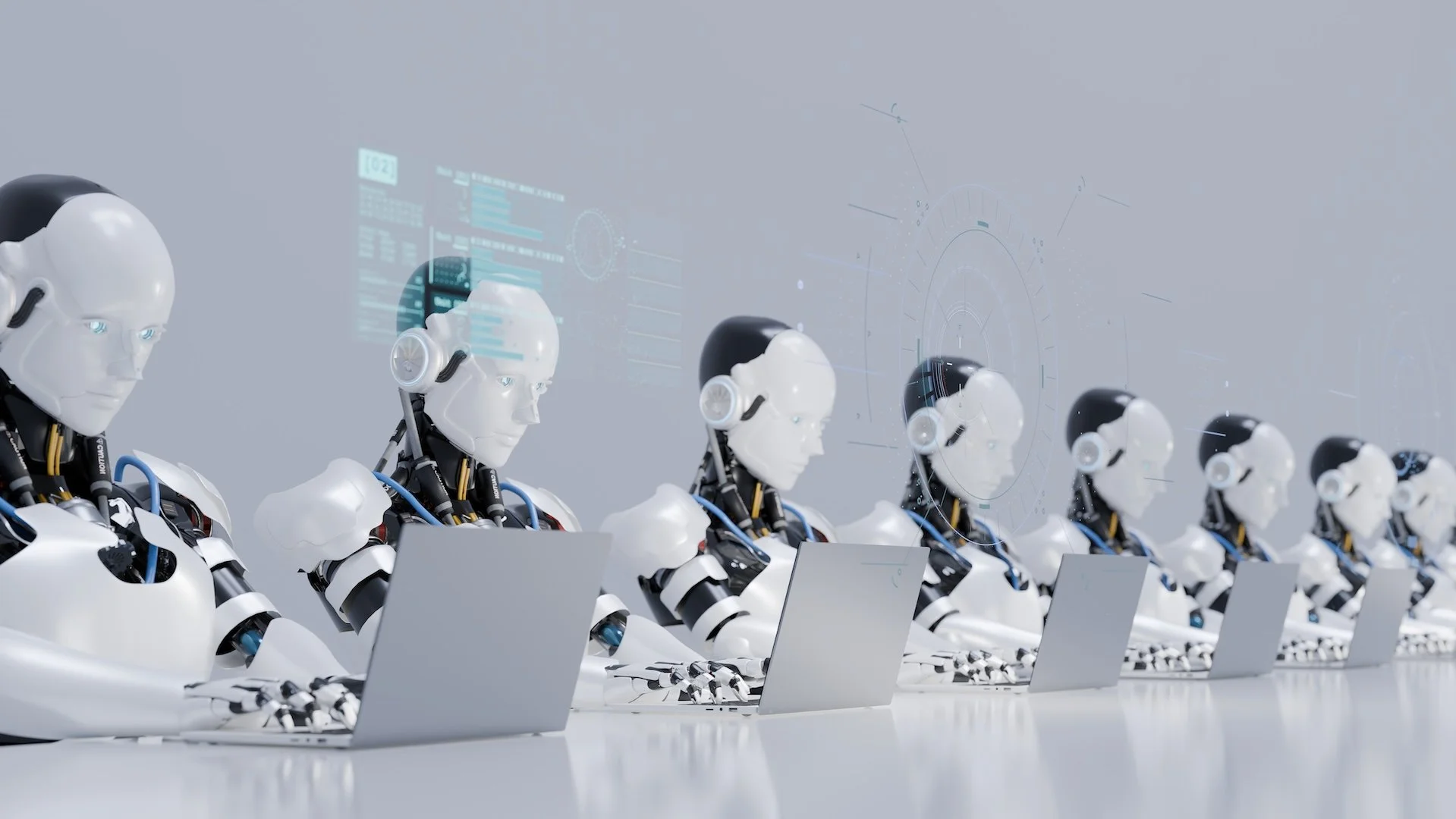
AI is slashing workforce needs at major tech firms, with one company cutting 40% of staff due to these tools. This signals a broader wave that could reshape industries, drive down costs, and spawn entirely new business models—while forcing workers to adapt or risk falling behind.
Key Takeaways
AI-driven efficiencies are leading to large-scale layoffs, starting with white-collar roles in software and tech, where tools handle tasks faster and cheaper than humans.
Companies adopting AI can reduce operational costs by 90-99%, allowing them to lower prices, capture more market share, and outcompete slower rivals.
While job losses will mount, plummeting costs in areas like transportation could birth innovative industries, such as mobile services that come to customers instead of vice versa.
Blue-collar jobs involving repetitive physical labor face disruption next, as humanoid robots scale up later this decade.
Society must rapidly generate new roles through emerging sectors or AI-leveraged entrepreneurship to absorb displaced workers, or economic floors could collapse without intervention.
Capital owners in AI-adopting firms stand to gain massively from higher profits and expanded reach, but widespread unemployment risks shrinking consumer bases.
Individuals who embrace AI tools boost their chances of building businesses and achieving goals, while resistance heightens reliance on government support.

Tesla’s Optimus Robot: A Glimpse into a $40 Trillion Future
How Tesla’s Humanoid Robot Could Redefine Labor and Unlock Unprecedented Economic Value
Tesla’s latest showcase of its Optimus robot signals a bold leap toward a future where humanoid robots could transform industries, economies, and daily life. The technology, still in its early stages, demonstrates nuanced capabilities like tactile feedback and precise hand movements, hinting at its potential to disrupt the massive $40 trillion global labor market. Combined with Tesla’s push for autonomous vehicles and energy solutions, Optimus could be the key to unlocking extraordinary value for the company and its investors.
Key Takeaways
Humanoid Robot Potential: Tesla’s Optimus robot showcases advanced capabilities like tactile feedback and precise manipulation, positioning it to compete in the $40 trillion global market for physical human labor.
Economic Disruption: At an estimated $3/hour operating cost, Optimus could drastically reduce labor expenses compared to human wages ($12-$30/hour), opening new markets and business models.
Massive Market Opportunity: Tesla aims to produce one million robots annually at $20,000-$25,000 each, targeting industries like warehousing and manufacturing where repetitive tasks dominate.
Broader Tesla Vision: Optimus aligns with Tesla’s autonomous vehicles and energy solutions, driving the company toward a potential $8.5 trillion market cap and $400 billion in annual revenue.
Labor and Economic Shifts: While robots promise efficiency, they could disrupt traditional labor markets, necessitating new job creation and economic adaptation.