
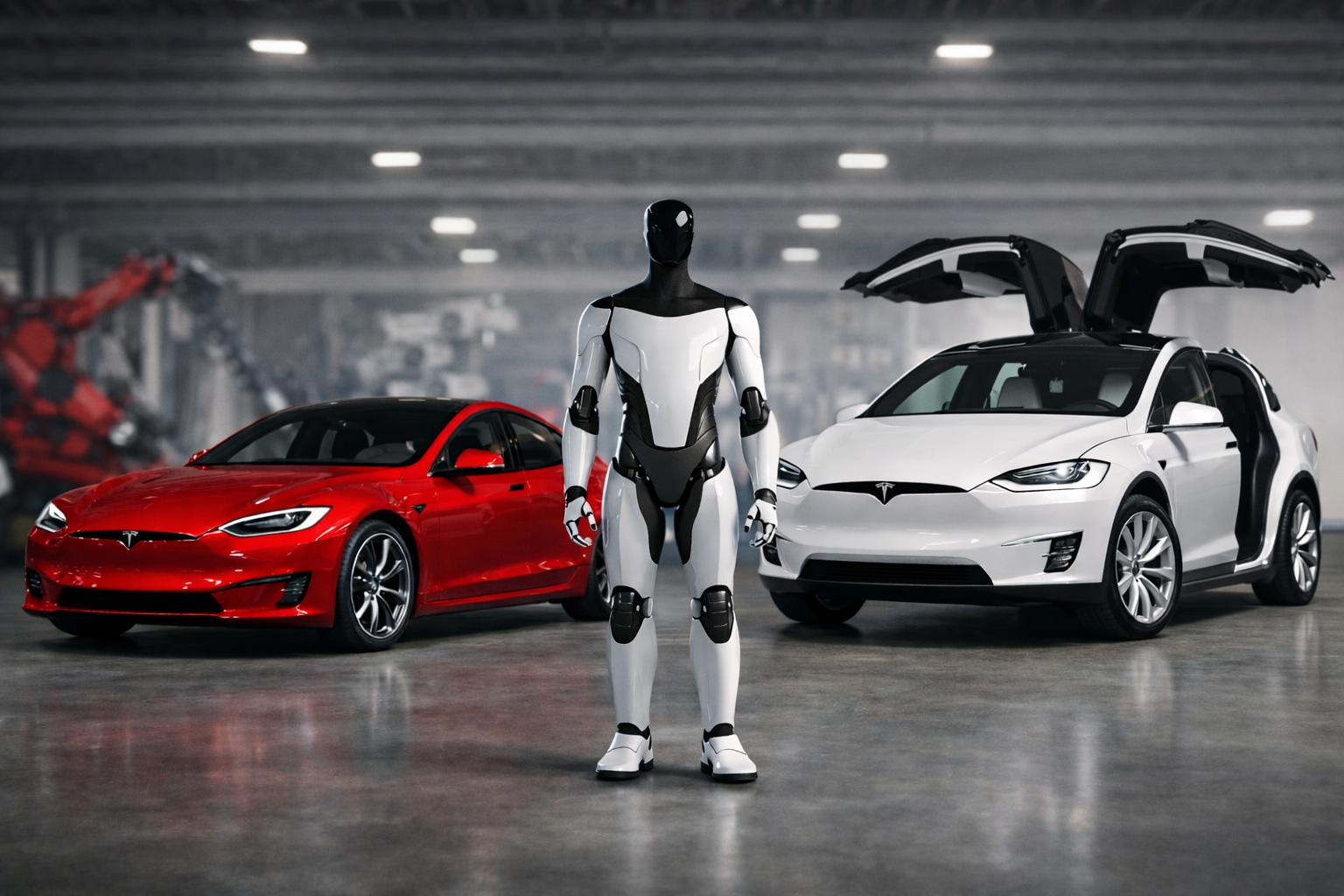
Tesla’s 2025 Production Tsunami Is Here: Cybercab, Optimus, and Sleep-in-the-Car Autonomy Arrive
The next 12 months deliver technical readiness for unsupervised autonomy, scaled robotaxi output, and the first practical humanoid assistants—milestones that reposition Tesla at the center of AI hardware and sustainable manufacturing.
Key Takeaways
Full self-driving software reaches the level where passengers can fall asleep and wake at their destination from a purely technical standpoint this year.
Cybercab production scales at Giga Texas starting April, targeting significant volumes by year-end, with European manufacturing under active consideration.
Optimus humanoid robots begin with household tasks such as childcare, dog walking, and elder support, progressing toward medical roles including surgery that surpass today’s human standards.
Five major production lines enter volume output across Tesla facilities, including 4680 battery cells at Giga Berlin plus lithium and nickel cathode refineries.
Legacy automakers face structural decline after years of minimal innovation and resistance to both electrification and autonomy.
Long-term vision includes Tesla factories on the Moon within 20 years and a future where work becomes optional, pursued for personal satisfaction rather than necessity.
Giga Berlin is positioned for massive expansion into batteries, Cybercab, Optimus, and additional products, potentially becoming Europe’s largest manufacturing complex if external conditions remain supportive.
Advice for the next generation emphasizes optimism, relentless learning through books and experimentation, and choosing roles that involve building tangible, useful things.
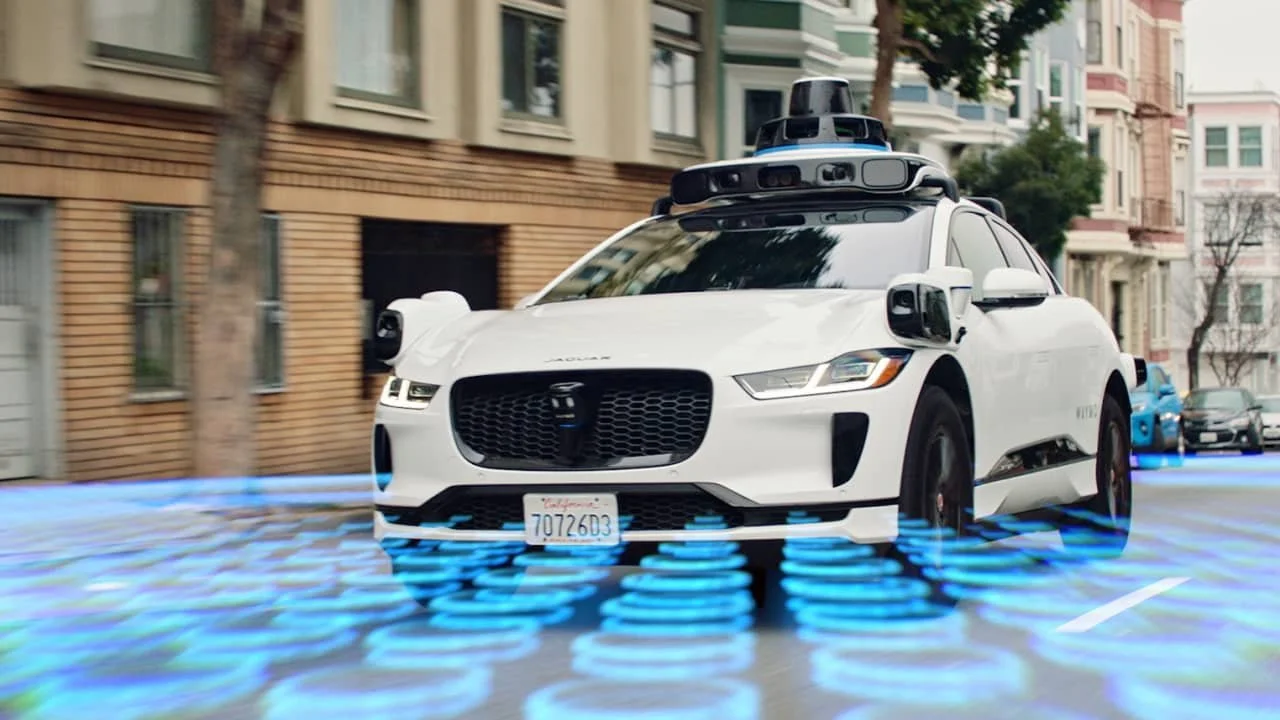
Tesla's Robotaxi Revolution: Why Scale Will Eclipse Waymo's Lead
The Battle for Autonomous Mobility Heats Up as Tesla's Generalized AI Approach Poised to Redefine the Industry
Tesla's strategy in autonomous vehicles centers on building from the ground up with minimal hardware, aiming for massive scale that could rapidly outpace competitors focused on high-cost, region-specific systems. This shift promises not just safer rides but a complete transformation in urban transportation economics.
Key Takeaways
Tesla prioritizes low-cost hardware like eight cameras to enable widespread deployment, contrasting with competitors' reliance on complex sensors and mapping.
While some players lead in current driverless operations across multiple markets, Tesla's focus on generalized AI could allow instant scaling without geographic limits.
Successful validation of Tesla's safety levels could turn its manufacturing dominance into an unbeatable edge in robotaxis.
Current rollouts emphasize safety and data collection, with acceleration in regions and fleet size as key indicators of progress.
Pricing strategies signal a push toward the lowest cost per mile, leveraging scale for long-term profitability once demand surges.