
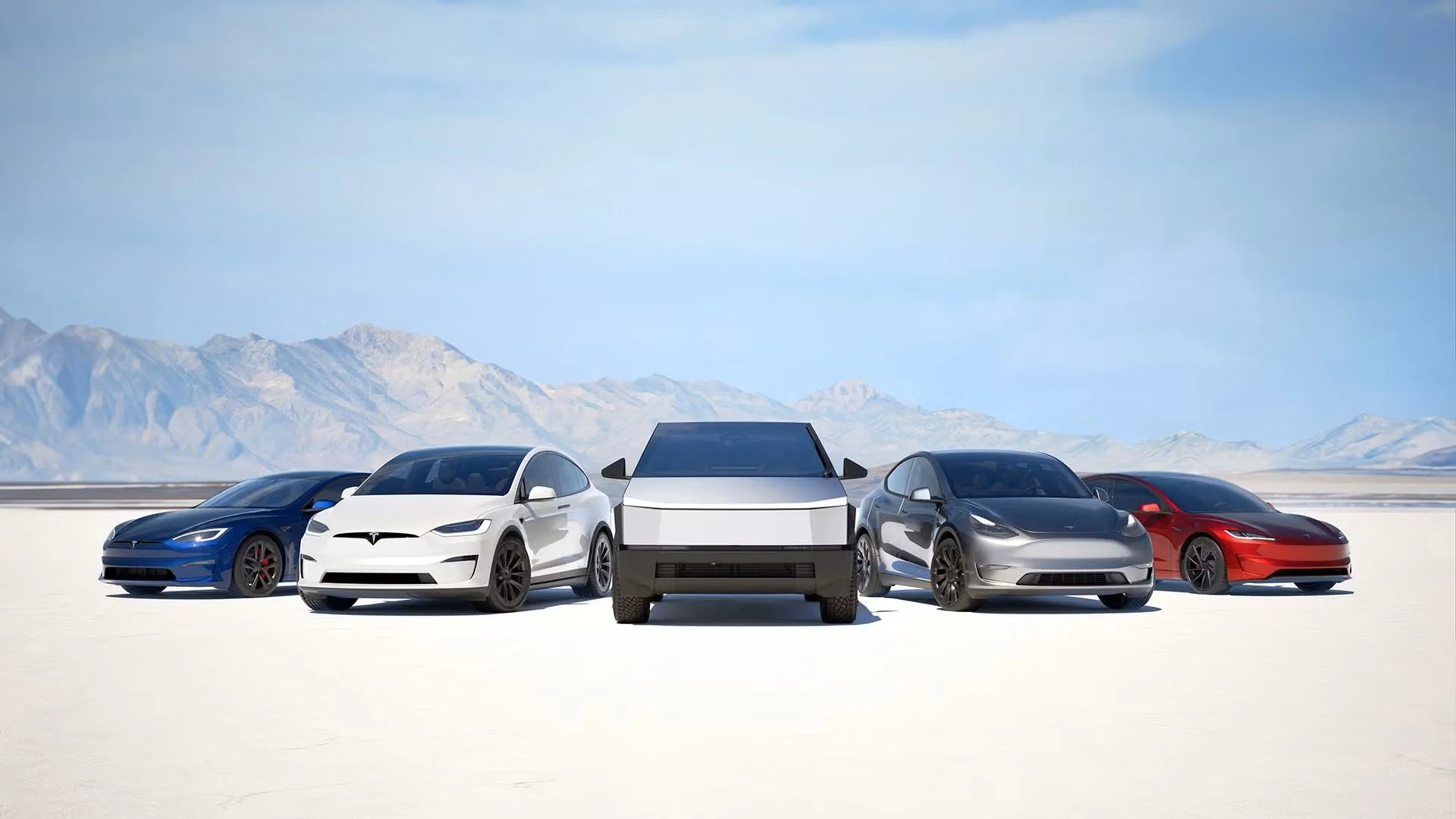
Tesla's Fleet Awakening: The Dawn of Unsupervised Autonomy
Unlocking Millions of Self-Driving Cars Overnight – And Why It Crushes the Competition
Tesla's latest move in Austin marks a pivotal shift in autonomous driving, turning everyday vehicles into fully independent machines. This isn't just about robotaxis in select cities; it's about transforming over six million existing cars into assets that drive, earn, and redefine mobility through a simple software push.
Key Takeaways
Tesla has enabled unsupervised full self-driving (FSD) in Austin robotaxis, allowing passengers to ride without any human oversight.
Over six million Tesla vehicles already on roads come equipped with FSD hardware, ready for activation via software updates.
Tesla's data advantage, with over seven billion miles driven, dwarfs competitors and accelerates neural network improvements.
Unlike rivals relying on expensive custom fleets and detailed city mapping, Tesla's approach scales instantly across any location.
Regulatory changes in 2026, including federal preemption, could enable nationwide unsupervised driving.
This shift boosts Tesla's car sales by offering unmatched features, like vehicles that earn money or run errands autonomously.
The business model favors capital efficiency, as customers own and maintain the vehicles while Tesla provides the software capability.
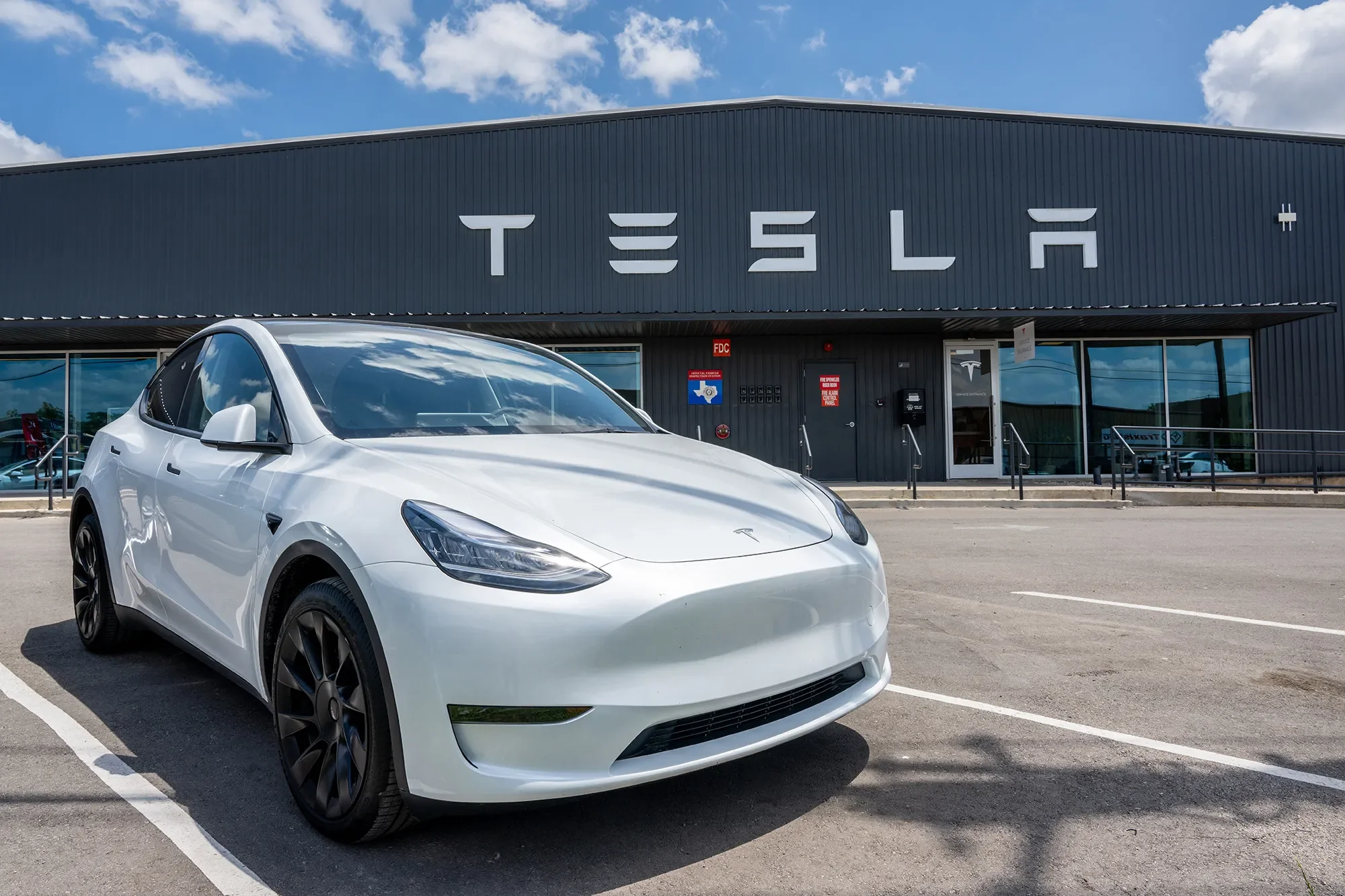
Tesla's Robotaxi Leap: Driverless Rides Hit the Streets
Unleashing mass-scale autonomy that's cheaper, faster, and ready to dominate global roads.
Tesla has just unlocked a new era in autonomous vehicles by deploying Robotaxis in Austin, Texas, without any human supervisors on board. This milestone showcases how a standard production car, built at massive scale, can now handle full self-driving tasks using only cameras and AI—outstripping competitors in speed and cost efficiency. For tech enthusiasts, this signals a rapid shift toward widespread adoption, with profound effects on manufacturing, ridesharing, and daily mobility.
Key Takeaways
Tesla's Model Y, a mass-produced vehicle costing around $30,000 to build, now operates as a fully autonomous Robotaxi without human intervention.
Deployment happened in Austin just months after the app's launch, far quicker than competitors who took years to reach similar unsupervised operations.
Tesla's camera-only AI system contrasts with rivals' complex sensor arrays, enabling faster scaling to millions of units annually.
This tech extends beyond Robotaxis to personal vehicles, potentially making Tesla the default choice for buyers seeking hands-off driving.
Broader implications include labor disruptions in driving and manual work, as the same AI powers upcoming humanoid robots.
Tesla's Autonomous Rental Revolution
Redefining Mobility in the Age of Autonomy
Tesla's latest rental offering signals a shift toward flexible, on-demand transportation that could upend traditional car ownership and rental models.
Key Takeaways
Tesla now offers short-term rentals for models like the Model 3 or Model Y, covering charging, maintenance, and insurance for a hassle-free experience.
This program lays the groundwork for a subscription-based transportation system, where vehicles can be summoned via app and returned autonomously.
Self-driving technology enables vehicles to operate without human intervention, maximizing their utility and reducing idle time compared to conventional cars.
Tesla's direct control over sales, service, and fleet management gives it a competitive edge over legacy automakers reliant on dealership networks.
Future expansions could include long-term subscriptions, ride-hailing, and even package delivery, dramatically boosting revenue per vehicle.
Competitors like Waymo face scalability challenges due to higher costs and smaller fleets, while Tesla leverages millions of existing vehicles for rapid deployment.
This model could lower transportation costs globally but may displace jobs in driving and logistics sectors.
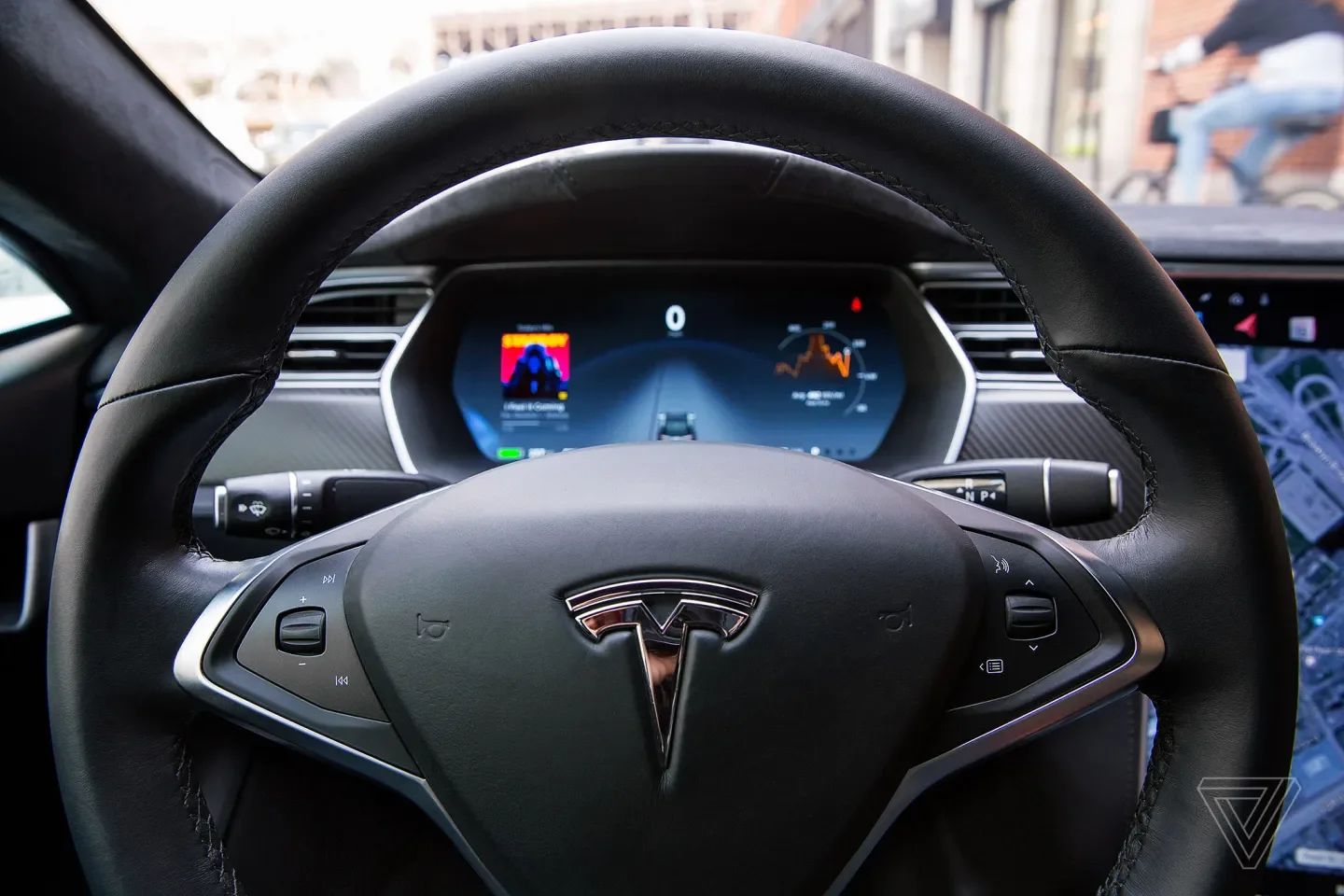
Tesla's Autonomous Leap: Robotaxis, Cybercab, and the Road to Trillion-Dollar Value
Revolutionizing Mobility with Self-Driving Tech at the Forefront
Tesla is on the cusp of major breakthroughs in autonomous vehicles, from expanding robotaxi fleets to deploying advanced software across diverse models. These developments point to lower costs for riders, flexible manufacturing, and potential partnerships that could reshape the auto industry.
Key Takeaways
Tesla aims to deploy over 1,000 robotaxis in the Bay Area and 500 in Austin by year-end, signaling a shift to unsupervised operations.
The latest full self-driving software update performs exceptionally on the Cybertruck, demonstrating adaptability to different vehicle sizes.
Robotaxi fares are already half the price of traditional rideshares, with even greater savings expected once safety monitors are removed.
A dedicated robotaxi vehicle without steering wheels or pedals is set for unveiling soon, alongside possible variants for regulated markets.
Tesla's software could be licensed to other manufacturers, accelerating the adoption of affordable self-driving cars under $30,000.
The upcoming shareholder vote is expected to approve a massive compensation plan tied to ambitious valuation goals.