
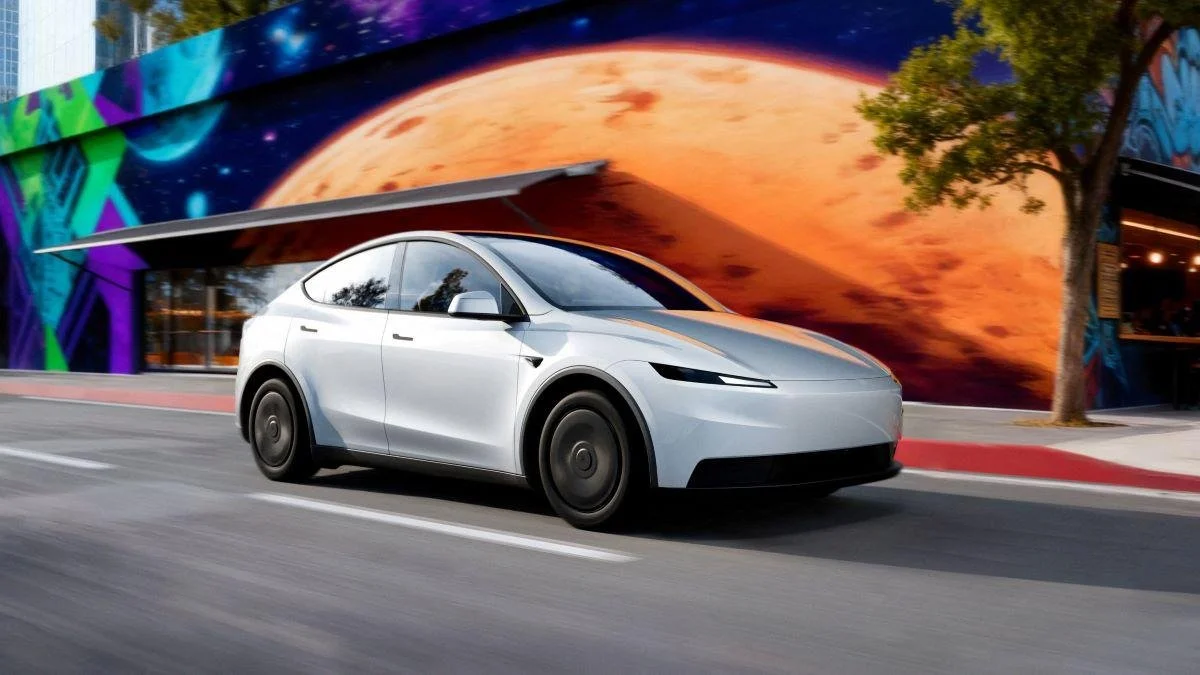
Tesla's Affordable EV Gambit: Model 3 and Y Standards Hit the Road Under $40K
Stripped-down powerhouses with 300+ mile range promise to shake up the mass-market EV race—but will they truly democratize electric driving?
Tesla's latest move drops two entry-level versions of its flagship sedans and SUVs, blending cost-cutting with core performance to target everyday buyers. These standards pack real-world efficiency gains and seamless tech integration, setting the stage for broader EV adoption amid a crowded market.
Key Takeaways
The Model 3 Standard starts at $36,990 with 321 miles of EPA-estimated range, rear-wheel drive, and 0-60 mph in 5.8 seconds, making it a nimble daily driver for urban commuters.
The Model Y Standard kicks off at $39,990, offering the same 321-mile range in SUV form, with 75 cubic feet of cargo space and a 3,500-pound towing capacity for family haulers.
Both models trim luxuries like premium audio, heated rear seats, and advanced driver aids to hit affordability targets, but retain essentials such as a 15.4-inch touchscreen, heated front seats, and access to the Supercharger network.
Deliveries begin in December 2025 for most U.S. markets, with immediate ordering available online—positioning Tesla to rebound from recent sales dips.
Battery tweaks deliver up to 160 miles of charge in 15 minutes, emphasizing practical fast-charging that rivals gas station stops for road trips.

Tesla's Affordable EV Gambit: Stripped-Down Speed at a Steep Price
Unveiling the Future of Reusable Rockets and Global Connectivity
The latest Starship test flight has once again redefined what’s possible in space exploration. From a flawless launch to daring reentry experiments, this mission showcased the resilience of SpaceX’s ambitious rocket and its role in shaping the future of interplanetary travel and global internet access. Tech enthusiasts, buckle up—this flight delivered groundbreaking insights into reusable rocket technology, thermal protection systems, and the power of Starlink’s connectivity.
Key Takeaways
Successful Hot Staging and Separation: Starship executed a precise hot staging maneuver, with the Super Heavy booster and Starship separating cleanly, marking a significant step toward reliable reusability.
Raptor Engine Reliability: All 33 Raptor engines on the Super Heavy booster and six on Starship performed nominally, with a successful in-space Raptor relight demonstrating critical deorbit capabilities.
Payload Deployment Milestone: Eight Starlink simulators were deployed, paving the way for future missions to carry up to 60 advanced V3 Starlink satellites, boosting network capacity by 60 terabits per second per launch.
Thermal Protection Testing: Intentional removal of heat shield tiles tested Starship’s resilience under extreme reentry conditions, providing valuable data for future iterations.
Starlink’s Real-Time Data Power: Starlink’s connectivity enabled uninterrupted HD video and telemetry during reentry, overcoming plasma interference to deliver critical engineering data.
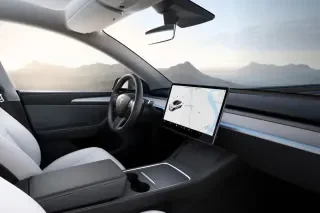
Tesla’s Model Y L and the Self-Driving Revolution: Why Autonomy Could Redefine Transportation
Elon Musk’s bold vision for Tesla’s autonomous future raises questions about the Model Y L’s U.S. launch and the transformative potential of Version 14 self-driving technology.
Tesla’s latest moves in the electric vehicle and autonomous driving space are sparking intense discussion among tech enthusiasts. The introduction of the Model Y L in China and advancements in Tesla’s self-driving technology, particularly Version 14, signal a potential shift in how we think about transportation. With Elon Musk hinting that the Model Y L may not come to the U.S. due to the state of autonomy, and posts on X buzzing about the next generation of self-driving software, there’s a lot to unpack. Here’s why these developments could reshape the automotive industry and what they mean for the future of mobility.
Key Takeaways
Model Y L Debuts in China: A stretched version of the bestselling Model Y, featuring a proper third row and captain’s chairs, is set to launch in China at a price equivalent to $47,000, but its U.S. arrival is uncertain due to Tesla’s focus on autonomy.
Autonomy Over New Models: Tesla may prioritize self-driving technology over introducing the Model Y L in the U.S., betting that unsupervised Full Self-Driving (FSD) will drive demand for existing models like the Model Y and Model 3.
Version 14 Breakthrough: The upcoming Version 14 of Tesla’s self-driving software is touted as a significant leap, potentially rivaling the jump from Version 11 to 12, bringing unsupervised autonomy closer to reality.
Robotaxi Momentum: Tesla’s robotaxi service, currently operating with Model Ys in Austin, is a testing ground for unsupervised FSD, with Version 14 expected to enhance reliability and safety.
Disrupting Transportation: If Tesla achieves reliable unsupervised autonomy, it could render traditional vehicles obsolete, transforming cars into productivity hubs and boosting their value as income-generating assets.