

Tesla's Robotaxi Push Gains Momentum: Arizona Unlocks Statewide Access
Regulatory Wins Fuel Autonomous Ride-Hailing Growth
Tesla's latest permit in Arizona marks a critical advancement in scaling robotaxi services, enabling paid autonomous rides across an entire state and positioning the company for broader U.S. deployment amid improving software capabilities.
Key Takeaways
Tesla obtained a Transportation Network Company permit from Arizona authorities, allowing legal operation of paid robotaxi services without city-specific limits.
The approval process was expedited, with the application submitted and granted within days, highlighting efficient navigation of regulatory requirements.
This development supports plans to reach multiple new metro areas nationwide by the end of the year, leveraging existing vehicle fleets.
Initial launches will incorporate safety monitors and teleoperators to ensure reliability, with software updates driving toward unsupervised operations.
Similar statewide frameworks in places like Texas could enable quick expansions to cities such as Dallas and Houston.
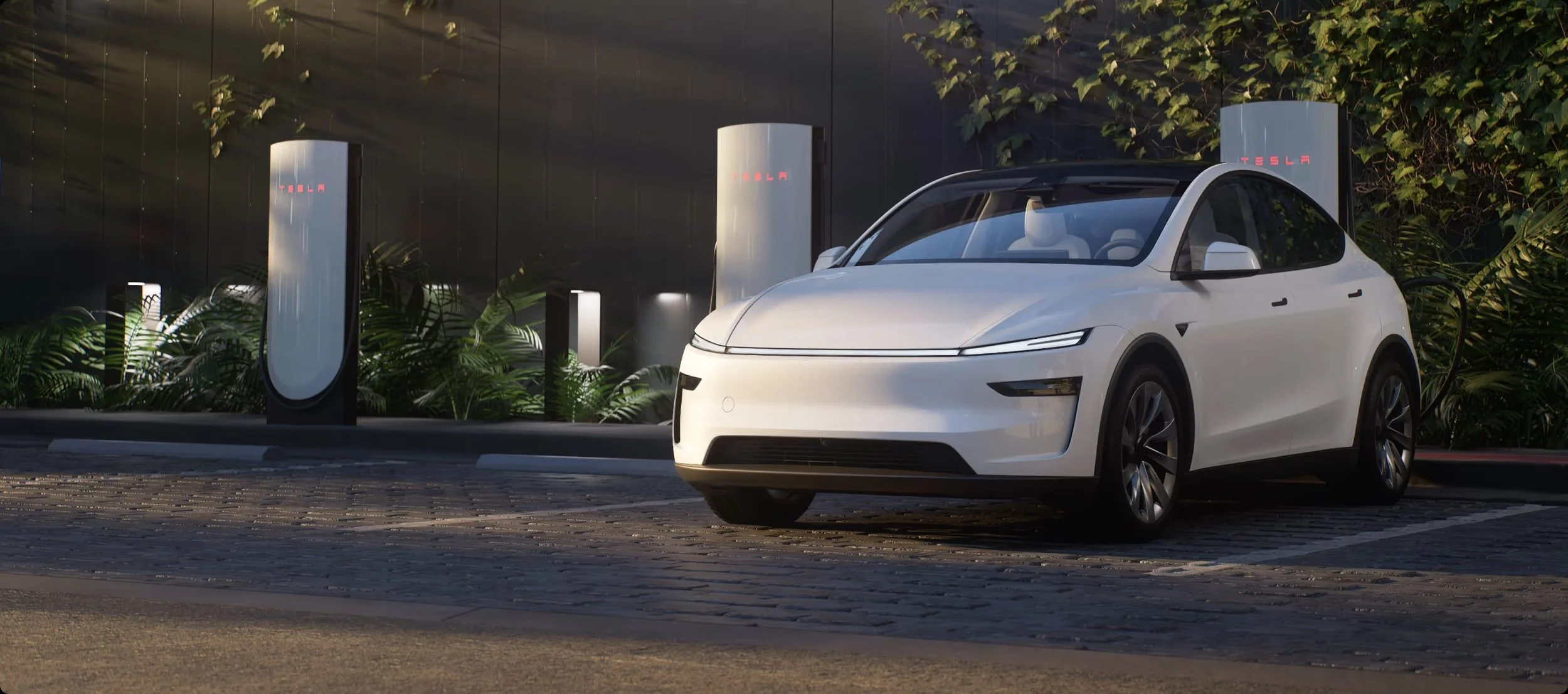
Tesla's Budget EV Breakthrough: The Affordable Model Y Uncovered
Revamping Accessibility in Electric Vehicles Amid Shifting Incentives
Spy shots from Texas highways and firmware leaks have pulled back the curtain on Tesla's push for a more budget-friendly Model Y variant. This stripped-down crossover targets everyday drivers by trimming premium features while keeping the essentials intact, all to maintain production momentum and gather vast amounts of driving data for advancing full self-driving tech.
Key Takeaways
Tesla's affordable Model Y features simplified exterior elements like no front or rear light bars, a front bumper camera, and smaller 18-inch wheels for better efficiency.
Interior cuts include no glass roof, no rear screen, cloth or basic vegan leather seats without ventilation, and a basic audio system to reduce manufacturing costs.
Expected pricing lands between $35,000 and $40,000, making it competitive without relying on expired US EV tax credits.
Production ramps up in the second half of 2025, with rear-wheel-drive as the base option and potential all-wheel-drive upgrades.
This model supports Tesla's strategy to flood roads with vehicles, accelerating data collection for autonomous systems and software revenue.

Tesla's Robotaxi Surge: Nevada Green Light Accelerates Nationwide Rollout
Unlocking Driverless Highways and Smarter AI: How Tesla's Latest Approvals Could Redefine Urban Mobility
Tesla's autonomous driving push hits a milestone with Nevada's testing approval, paving the way for rapid expansion into permissive states. This move highlights key advantages in safety tech and regulatory navigation, setting the stage for scalable robotaxi networks that could outpace rivals by integrating highways and public access sooner.
Key Takeaways
Tesla secured approval from the Nevada DMV to test robotaxis on public roads, enabling operations without a driver in permissive environments similar to Texas.
Nevada's regulations require $5 million insurance and incident reporting but allow straightforward testing, mirroring Texas's hands-off approach that favors quick scaling.
Current robotaxi services in Austin cover 173 square miles, including highways with safety operators, while Bay Area operations span 400 square miles and aim for 100 driverless vehicles by month's end.
Upcoming FSD V14 software promises 2-3x human-level safety unsupervised, with a 10x parameter boost for fewer interventions and smoother performance.
Tesla's edge over competitors like Waymo lies in public highway access and open ridership, allowing faster data collection and service growth in states like Arizona and Florida.
Profitability from robotaxis may emerge in 2+ years, starting with 3:1 to 5:1 vehicle-to-supervisor ratios yielding 20-30% gross margins per unit.
Expansion targets half the U.S. population by year-end, leveraging an app-based waitlist to prioritize high-demand regions and build a nationwide network.