
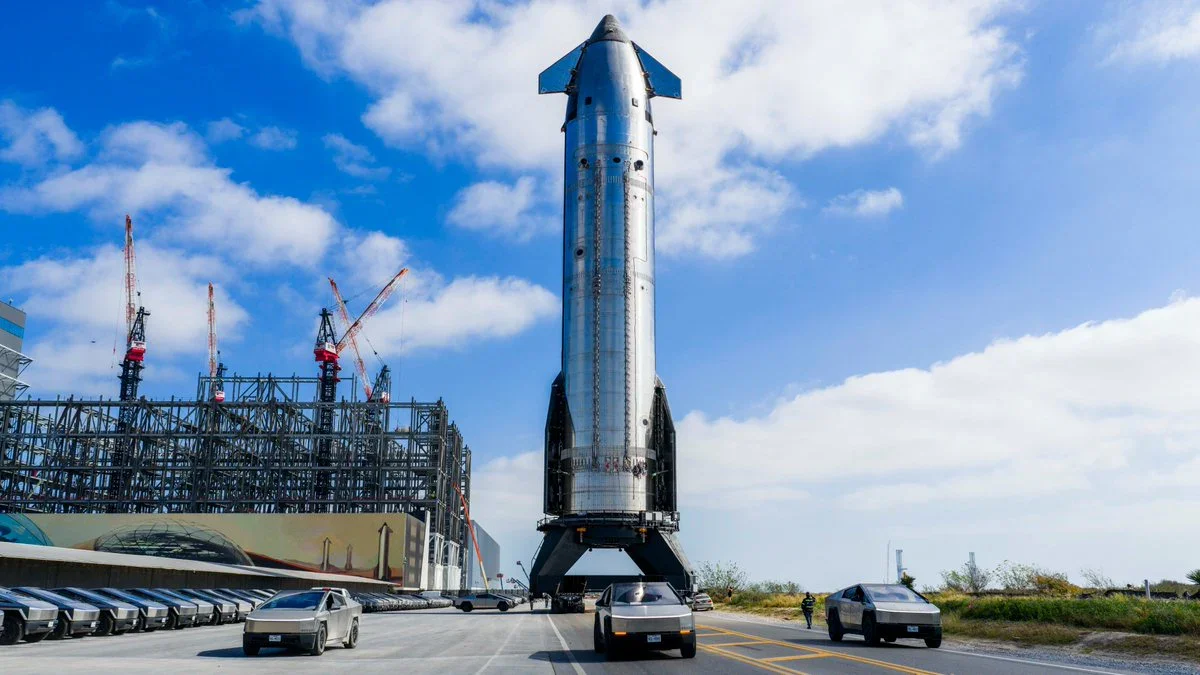
Starship V3: Doubling Saturn V Thrust to Unlock Million-Ton Orbital Capacity and Space AI
How rapid reusability and purpose-built satellites shift compute infrastructure from ground constraints to solar-powered orbital scale
Starship Version 3 produces more than twice the thrust of the Saturn V rocket that powered the Apollo program. Version 4 extends that margin toward three times the historic benchmark. These gains, paired with flight rates exceeding one per hour, move annual mass delivery to orbit from roughly 2,500 tons industry-wide today to the million-ton range within about three years. The same vehicles that enable this throughput also support a new generation of satellites optimized for AI workloads, where solar arrays generate power and radiators reject heat directly into space.
Key Takeaways
Starship V3 thrust exceeds twice the Saturn V level, with Version 4 approaching three times that output, directly multiplying payload mass per flight.
Mature operations target launch cadence above one flight per hour, turning space access into high-volume industrial activity rather than episodic events.
SpaceX currently delivers 85–90 percent of all mass placed into Earth orbit; Starship operations aim to expand total global capacity by orders of magnitude.
Annual mass to orbit could scale from approximately 2,500 tons to over one million tons per year within roughly three years once Starship reaches full cadence.
Recent record payloads represent only a small fraction of what operational V3 vehicles will carry routinely on each flight.
Orbital AI platforms take the form of compact satellites rather than conventional data-center buildings lifted into space, focusing on integrated power generation and thermal rejection.
AI satellites require less hardware complexity than Starlink units, needing primarily solar cells, radiators, and laser links instead of large phased-array antenna systems.
Early AI satellite designs target 150 kilowatts peak power while sustaining about 120 kilowatts of continuous compute, based on actual large-scale AI cluster performance.
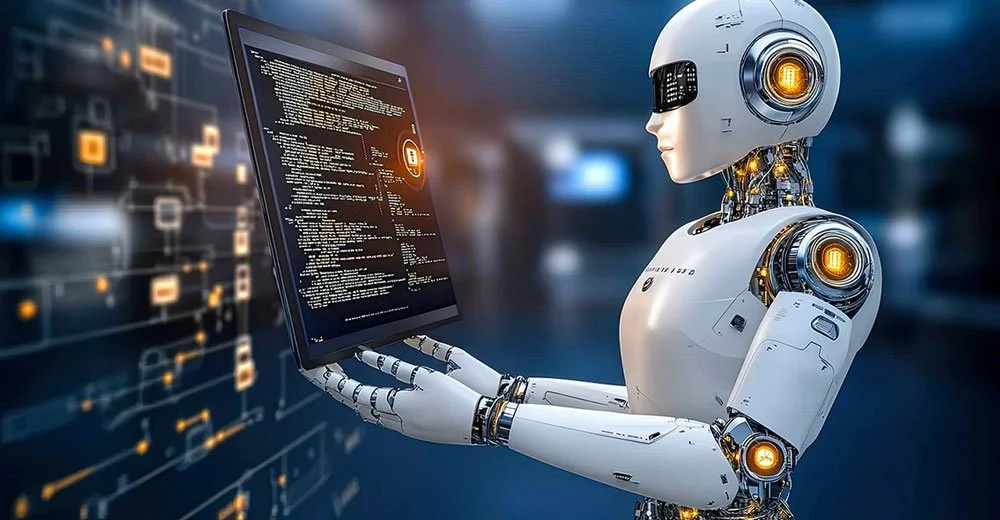
The AI Dopamine Trap That Nobody Is Prepared For
Why infinite convenience and pleasure could redefine human purpose—and how to stay grounded
In the coming decades, AI-powered humanoid robots, self-driving delivery systems, neural interfaces, and breakthroughs in longevity will make physical effort almost obsolete. Every craving—food, entertainment, even sensory experiences—could be delivered instantly, creating a personalized dopamine engine so powerful it makes today’s social media feeds look quaint. The real question isn’t whether the technology arrives. It’s what humanity chooses to do with the freedom it unlocks.
Key Takeaways
AI and robotics will create an “infinite dopamine machine” that handles all physical labor, delivers hyper-personalized entertainment directly to the brain, and extends lifespans dramatically—turning passive entertainment into a full-time lifestyle for some.
The future delivers maximum individual freedom: people can pursue purpose, service, and creation or opt for total immersion in digital pleasure, with no external force dictating the choice.
Modern education and comfort have trained many to avoid risk, yet deep down most harbor bigger dreams; removing friction could unlock far more builders than expected.
Real-world experiences—family time, physical projects, friendships—deliver more lasting satisfaction than the machine ever can, but they require deliberate discipline because the digital alternative never runs out.
A living frontier like Mars is essential; without ambitious outlets, internal conflict over resources and status could intensify.
For parents and builders alike, the hardest challenge is self-discipline: intentionally stepping away from the infinite tool to engage with the finite, changing real world before it slips away.
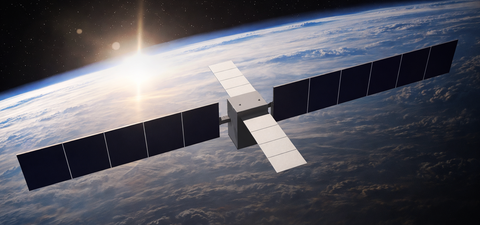
The Orbital AI Revolution: Why a Million Satellites Will Soon Power Every Major AI Model
Earth’s power grids are hitting a hard wall just as AI demand explodes. The solution? Move the data centers to space—where solar energy never stops and cooling is free.
The AI boom is real, but the infrastructure to run it is not. Tech giants have already committed three-quarters of a trillion dollars to data centers for 2026 alone, yet electricity shortages are forcing delays, cancellations, and even regulatory caps in key markets. At the same time, a handful of companies have quietly proven that full AI models can run on actual data-center chips in orbit. The economics, physics, and full-stack control now align to make orbital compute not just possible—but inevitable.
Key Takeaways
Global AI spending hits a record $1 trillion in 2026, but electricity—not money—is the real bottleneck, with major hubs like Northern Virginia maxed out until 2028 and countries like Singapore limiting new builds.
A single NVIDIA H100 chip has already run complete large language models in orbit 325 km above Earth, transmitting results back to the ground in real time.
Orbital solar power delivers roughly five times the efficiency of ground systems thanks to constant sunlight and no atmosphere, while deep-space radiative cooling at near-absolute zero eliminates the billions of gallons of water and massive energy overhead required on Earth.
Launch costs are collapsing: Starship targets under $200 per kilogram (and eventually $20), turning maintenance, redundancy, and refresh cycles from impossible to routine.
One company controls the entire vertical stack—reusable rockets, custom space-optimized chips, ground superclusters, and the world’s largest satellite constellation—positioning it to deploy the first million-satellite orbital data-center network.
Major cloud providers and rocket competitors are accelerating their own orbital plans, creating a high-stakes race that will define the next decade of compute infrastructure.
A pending IPO includes explicit performance milestones tied to 100 terawatts of space-based compute capacity—the power equivalent of 85 billion average U.S. homes.
Musk's Picks and Shovels: How Autonomy and AI Will Power the Next Civilization
Tesla's FSD leaps, Model Y dominance, US-China manufacturing deals, and robotic logistics are laying the groundwork for a transformed economy.
The pace of real-world autonomy is already delivering tangible gains today, with even older versions of advanced driver-assistance systems proving reliable enough for daily commutes and family use. At the same time, high-level diplomatic meetings signal a potential trillion-dollar wave of manufacturing investment flowing back to the United States, powered by Chinese production expertise. Layer in humanoid robots, autonomous heavy trucks, and drone-enabled delivery networks, and the Musk ecosystem emerges as the foundational infrastructure—the literal picks and shovels—for the next era of economic growth.
Key Takeaways
The Tesla Model Y ranks as the best-selling vehicle on the planet for three straight years, leading sales in California and even the top three major cities in China despite aggressive local competition.
Current supervised Full Self-Driving software remains highly capable a full year after its last major update, setting the stage for unsupervised operation that eliminates the need for constant human oversight and enables entirely new use cases like sleeping during long trips.
Upcoming US-China engagements involving key technology and business leaders point toward massive onshoring deals, with Chinese manufacturers potentially bringing high-scale production know-how to American factories in exchange for market access.
Legacy US automakers face structural decline, concentrated in SUVs, trucks, and a handful of models, opening pathways for pivots into defense manufacturing amid rising national security budgets.
Add-on robotic kits already automate heavy equipment like excavators for solar-farm construction, slashing labor hours and unlocking 24/7 operation in energy infrastructure projects.
Musk companies collectively supply the core layers future civilization will run on: autonomous passenger transport, humanoid labor, long-haul freight, satellite connectivity, and energy storage.
Logistics economics shift dramatically once highway autonomy arrives—even partial adoption on interstates cuts driver costs and fuel volatility, while drone-equipped vans and warehouse robots reshape last-mile delivery speed and density.
AI Superpowers Are Already Here—Here’s How to Claim Yours Before the Transition Leaves You Behind
Adoption and initiative separate those building empires from those watching from the sidelines as AI turns impossible tasks into daily routines.
Artificial intelligence delivers raw leverage at a scale humanity has never seen. Early users report 10x output gains, one-person operations rivaling large teams, and businesses pivoting into entirely new valuations almost overnight. Yet polls show the majority remain deeply concerned—often without ever having used the advanced tools that actually move the needle. The gap between fear and reality is widening fast, and the winners are those who treat AI as foundational infrastructure rather than a novelty.
Key Takeaways
AI agents provide true execution power—turning ideas into completed work—far beyond what basic chat interfaces can achieve.
Most public anxiety stems from people who have never integrated advanced AI into their workflows; actual users see life-changing leverage.
Building AI directly into the foundation of your processes creates compounding advantages in speed, quality, and cost that widen with every model upgrade.
Initiative is non-negotiable: those who adopt early will outpace everyone else as AI becomes the ultimate multiplier of human uniqueness.
Businesses that delay risk total disruption—the classic Innovator’s Dilemma playing out at supersonic speed.
Driving down the cost of chips and electricity is essential for broad access and to prevent extreme wealth concentration.
Nations starting with clean slates and abundant energy resources hold a structural edge in building AI-native systems.
The technology is moving from digital agents to physical robotics and autonomy, unlocking economic mobility and productivity at previously unimaginable scales.
Ethical deployment at the individual and organizational level will determine whether AI creates abundance or chaos.
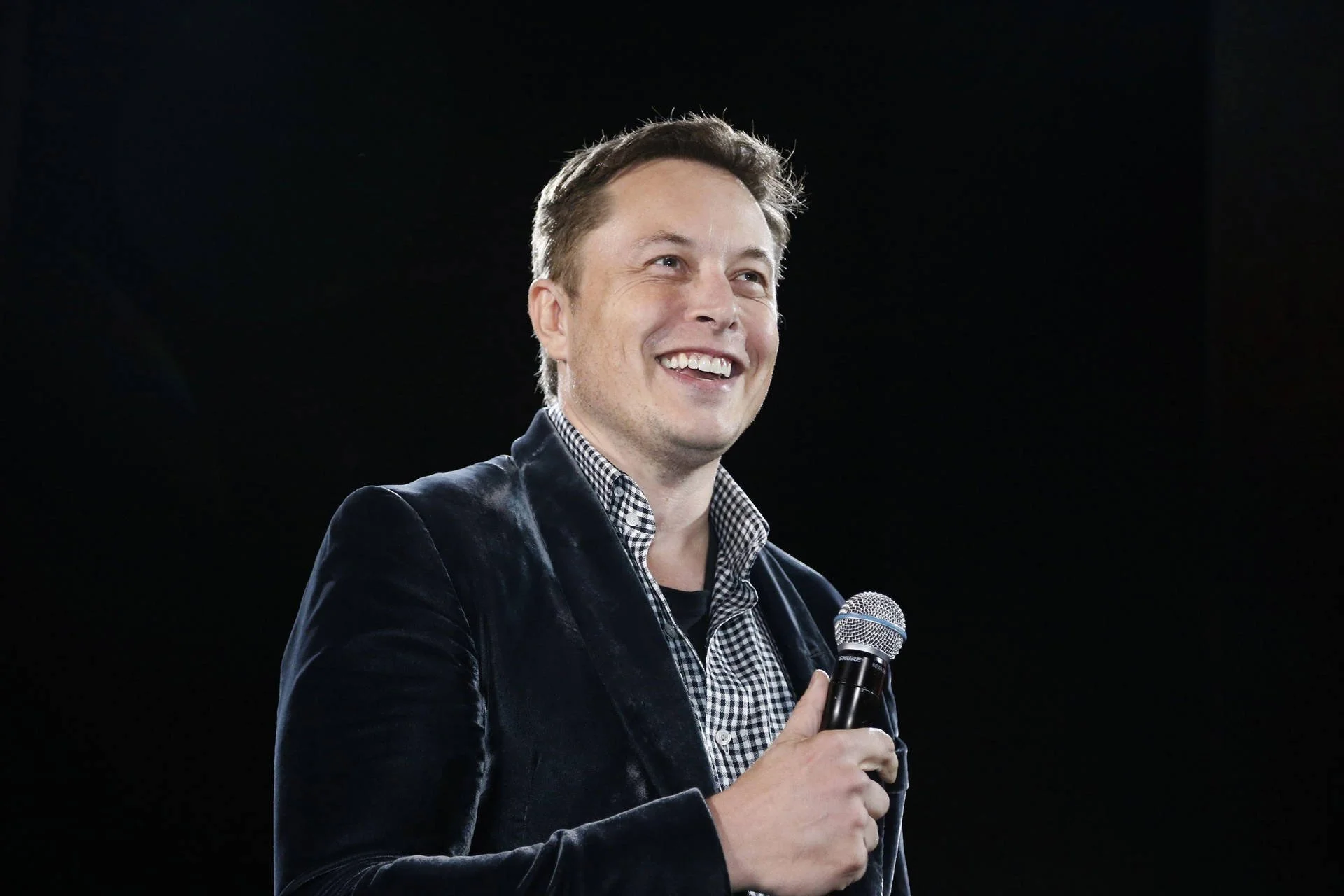
Why Elon Musk May Reshape the 21st Century More Than Any Innovator Before Him
One person advancing seven major industries at once – while the same kind of backlash that hit Edison, Jobs, and Lincoln plays out in real time.
The conversation around Elon Musk stays stuck on personality, politics, and headlines. Yet the measurable outcomes tell a different story: a single entrepreneur has forced global automakers to electrify, slashed space-launch costs by 97 percent, deployed thousands of satellites for internet access in remote regions, and built AI, brain interfaces, and humanoid robots that are already moving from labs to real-world deployment.
History shows this pattern repeatedly. Visionaries who bend entire civilizations get hated in their own era and celebrated later. Musk’s work sits at the widest gap yet between current perception and actual impact – and that gap is closing fast.
Key Takeaways
Musk’s companies are simultaneously transforming seven industries: automotive and energy storage (Tesla), space launch and satellite communications (SpaceX and Starlink), frontier AI (xAI), brain-computer interfaces (Neuralink), and humanoid robotics (Optimus).
SpaceX reduced the cost of reaching orbit from roughly $65,000 per kilogram to about $2,700 – a 97 percent drop – while launching more mass to orbit than every other entity on Earth combined.
Tesla produces over 1.8 million electric vehicles annually and has pushed every major automaker toward full electrification; its Full Self-Driving software is already operating unsupervised in select cities, targeting millions of autonomous robotaxis.
Tesla’s Megapack energy-storage business now delivers higher gross margins than its vehicle side and is scaling grid-scale battery systems worldwide.
The companies form a single flywheel: AI trained on driving data powers robots, battery tech supports rockets, satellite internet connects everything, and each breakthrough accelerates the others.
Personal stakes have been extreme – repeated near-bankruptcies in 2008 and 2018, 120-hour workweeks, and every dollar of early wealth reinvested into high-risk ventures – mirroring the obsessive drive seen in every historical figure who redefined an era.
Long-term civilizational gains include fewer road deaths, accelerated clean-energy transition, abundant low-cost labor through robotics, restored mobility via brain implants, and the infrastructure for multiplanetary expansion.
Today’s polarization focuses on the person; tomorrow’s record will focus on outcomes that change daily life at planetary scale.
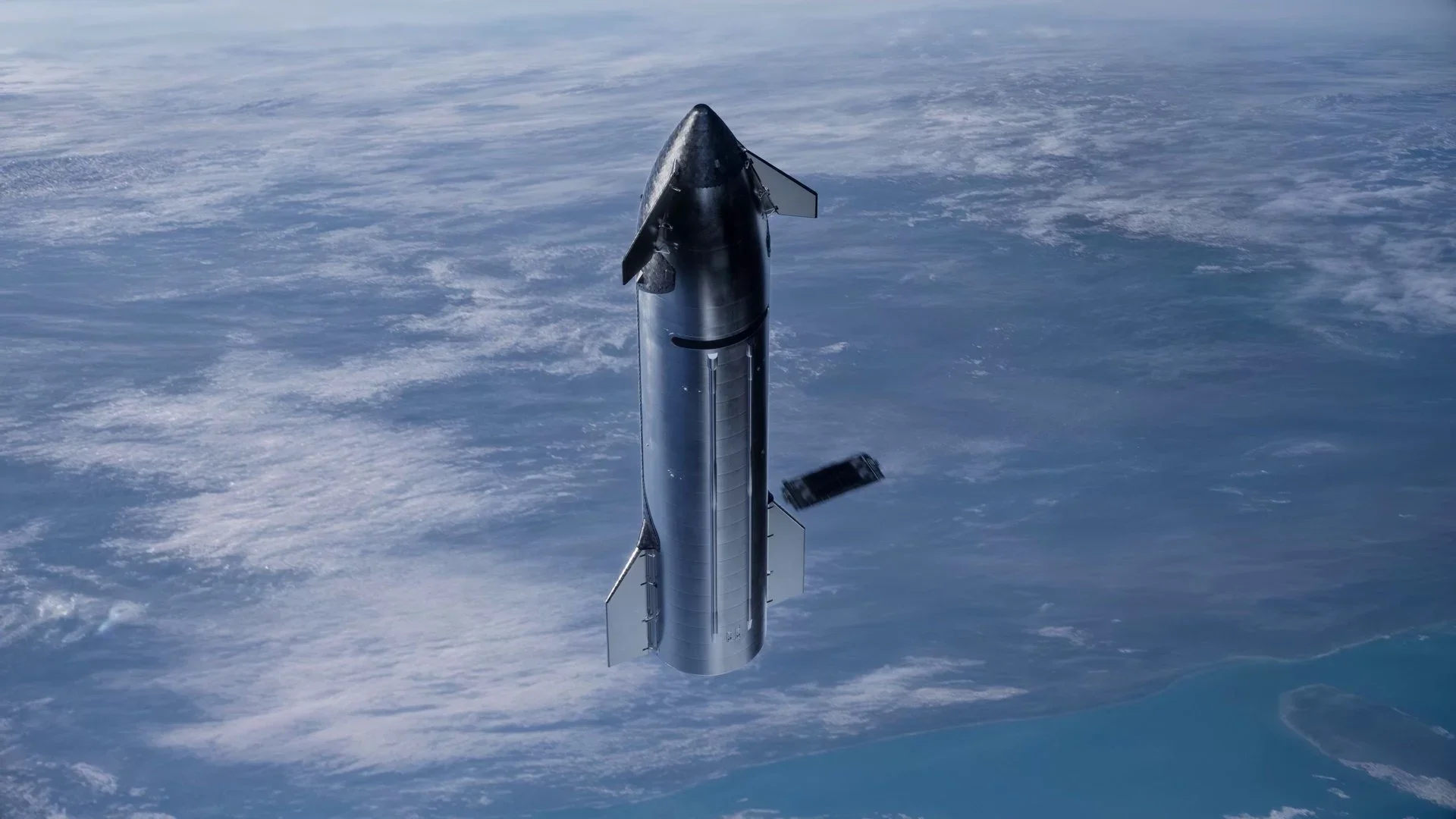
Unlocking the Stars: Starship, Orbital AI, and the Human Purpose Puzzle
Reusable rockets are set to slash space costs by orders of magnitude, opening orbital factories and AI compute clusters while automation quietly rewires human skills and identity—yet geopolitics in the Middle East and Eastern Europe supplies the friction that could accelerate it all.
SpaceX’s push toward full Starship reusability stands to repeat the shipping container breakthrough that cut ocean freight costs by 95 percent and turned global trade into an everyday reality. That single innovation let manufacturing shift to low-cost regions and built the modern supply chains powering everything from consumer electronics to pharmaceuticals. The same dynamic is now poised for orbit: cheap, frequent launches make zero-gravity factories practical for products ruined by Earth’s atmosphere or gravity, while solar-powered data centers in space could host the next leap in AI inference without terrestrial power or cooling limits.
Key Takeaways
Starship reusability could deliver a 100x to 1,000x jump in payload-to-orbit capacity, mirroring how standardized containers enabled globalization and China’s manufacturing dominance.
Orbital manufacturing becomes viable for gravity-sensitive processes such as advanced pharmaceuticals, while space-based AI inference clusters bypass Earth’s energy and heat constraints.
A successful reusable fleet at scale supports multi-trillion-dollar valuations only if it pairs with rapid earnings growth from new markets like orbital compute and global launch services.
Tesla’s near-term profit ramp may outpace SpaceX post-IPO, making the latter a longer-horizon bet dependent on two breakthroughs: full reusability and orbital AI revenue.
AI cognitive offloading already erodes routine skills—phone numbers, map reading, household chores, driving—freeing mental bandwidth for higher-order thinking but raising questions about identity and purpose.
Humans naturally invent new forms of friction through hobbies, creative arts, athletics, and philosophical structures to preserve meaning even in an age of abundance.
Geopolitical tensions, from record Russian casualties in Ukraine to Iran’s internal regime pressures, create short-term chaos that could reshape energy markets and tech supply chains while spurring innovation.

Why Musk’s TeraFab Chip Factory Is Actually Insane
The lithography wall standing between today’s AI boom and tomorrow’s terawatt-scale future—and the clever paths that could smash through it.
Tesla’s TeraFab project isn’t just another factory announcement. It’s a direct assault on the single hardest problem in modern computing: turning raw silicon into the chips that will power millions of humanoid robots, autonomous vehicles, orbital AI constellations, and data-center-scale training clusters. The vision is breathtaking—terawatt-scale compute—but the physics and supply-chain math reveal why this might be the most ambitious manufacturing bet in tech history.
Key Takeaways
Cutting-edge EUV lithography machines are produced at a rate of only 50–60 per year worldwide, with plans to reach 100 by 2030—orders of magnitude short of what terawatt ambitions require.
Roughly 3.5 EUV machines are needed to sustain one gigawatt of advanced-chip output; scaling to terawatts implies a need for thousands of these machines cumulatively.
For inference-heavy workloads (robots, self-driving, satellites), mature 7 nm and larger DUV processes can be ramped far faster and with multiple suppliers, offering a practical near-term bridge.
Maskless alternatives such as multi-beam helium particle lithography promise finer features, dramatically faster design iteration, and long-term scalability beyond today’s photon-based limits.
Success hinges on a phased playbook: deep supplier partnerships for knowledge transfer, rapid internal R&D fabs, aggressive supply-chain acceleration, and AI-augmented engineering to compress decade-long timelines into years.
The AI Frontier: Building Tomorrow's World Today
Redefining Creativity, Economy, and Human Potential in the Age of Intelligent Machines
The rapid evolution of AI is unlocking new ways to create, collaborate, and rethink society's foundations. From tools that streamline content production to debates on economic safety nets, the insights here reveal how AI could lead to unprecedented abundance—while challenging us to preserve what makes us human.
Key Takeaways
AI agents can learn from shared environments beyond their creators, enabling scalable collaboration and innovation.
Custom AI tools for content creators automate idea generation, scripting, and optimization, making high-quality output accessible and efficient.
Universal Basic Income (UBI) emerges as a potential bridge to an AI-driven economy, providing a floor of security without stifling private incentives or competition.
In a post-scarcity world, human time and attention become the ultimate valuables, shifting economies toward experiences, self-actualization, and creative pursuits.
3D printing advancements lower barriers to personal manufacturing, fostering hobbies that blend digital design with real-world building.
Balancing AI's disruptions requires aligning incentives: private entities may outperform governments in delivering essential services in an abundant future.

AI Tokens: The Invisible Currency Reshaping Every Industry
Why Costs Are Plummeting While Spending Explodes
AI is transforming how businesses operate, but the real driver is an overlooked unit of computation that's getting dramatically cheaper—yet fueling unprecedented investments. This shift unlocks new capabilities, from automated research to complex software builds, while infrastructure races to keep up.
Key Takeaways
Tokens represent the core unit of AI processing, where input (prompts and context) costs less than output (responses), with prices varying 900 times between basic and advanced models.
AI token costs have dropped 280 times in under two years, faster than any technology in history, enabling tasks like converting video transcripts into books for under $225.
Despite falling prices, total AI spending surges due to expanded applications, with enterprise budgets rising 320% to $37 billion in 2025.
AI agents amplify token consumption by 10 to 100 times through looped thinking and actions, making complex tasks like market analysis or app development feasible.
Infrastructure investments hit $600 billion in 2026, shifting focus from training models to running them, with inference now over 50% of costs.
Space-based computing emerges as a solution to earthly limits, with plans for up to 1 million satellites providing endless power and cooling.
Optimizations like quantization and speculative decoding cut costs further, but new demands ensure spending keeps climbing.
Winners include efficient token producers and infrastructure builders; losers are thin AI wrappers and seat-based software models.
2026: The Year AI Ignites Human Potential
Unleashing Creativity, Efficiency, and a New Era of Opportunity
AI stands poised to transform how we create, work, and compete, turning potential disruptions into pathways for growth. By augmenting human efforts, it opens doors to higher productivity and personalized innovation that were once out of reach.
Key Takeaways
AI will elevate human content by making it stand out in a sea of automated outputs, much like how chess exploded in popularity after computers dominated the game.
Embracing AI as a tool for augmentation boosts efficiency, allowing individuals to tackle ambitious projects with greater speed and quality.
Human experiences remain irreplaceable; people will continue seeking authentic human perspectives even as AI handles complex tasks flawlessly.
The transition to widespread AI adoption could lead to abundance through cheaper, smarter models, but preparation is essential to navigate short-term disruptions.
Businesses and creators can build ecosystems of products and services powered by AI, democratizing entrepreneurship on a massive scale.
Musk's Moonshot Blueprint: AI Factories in Space and the Path to Galactic Intelligence
How xAI is rewriting the rules of compute, from Earth-orbit clusters to lunar mass drivers—and why this could unlock a million-fold energy leap for civilization.
In a world where AI progress feels relentless, the latest moves from xAI stand out: they've surged to the top in image, video, and forecasting benchmarks, while plotting orbital data centers and moon-based factories that could harness a sliver of the sun's power. These aren't distant dreams—they're blueprints for scaling intelligence beyond planetary limits, promising an era where digital emulations of entire companies drive unprecedented prosperity.
Key Takeaways
xAI has rocketed to leadership in AI capabilities, outpacing older rivals in voice, image/video generation, and forecasting, with models now producing more content than competitors combined.
Company reorganization focuses on specialized models: a versatile core for broad applications, a coding powerhouse skipping traditional compilation, and an image/video leader dominating real-time processing.
Macrohard emerges as the crown jewel, emulating full digital companies to spark an unimaginable prosperity boom, trained on massive GPU clusters scaling to a million equivalents.
Infrastructure leaps include the world's fastest AI compute deployment, open-sourced recommendation and chat systems for transparency, and X app expansions like encrypted messaging and global payments.
The ultimate vision: SpaceX-xAI synergy launches orbital compute at terawatt scales, evolving to lunar mass drivers hurling AI satellites into deep space, tapping up to a few percent of solar energy for galaxy-spanning exploration.
The Smartphone Apocalypse: AI Takes Over Your Pocket Computer
Unlocking Abundance Through Integrated Tech Ecosystems
A massive shift is underway in technology, where separate companies are merging their strengths to create something far larger than any single entity. At the core is a vision of robots handling all human tasks, AI anticipating needs before they're voiced, and unlimited energy powering it all. This isn't distant sci-fi—key pieces are already connecting in ways that could reshape industries and economies.
Key Takeaways
Four major companies—Tesla, SpaceX, xAI, and Neuralink—are pooling resources to form an interconnected system worth over $3 trillion in combined value.
AI from xAI is designed to power Tesla's humanoid robots, creating self-sufficient machines that outperform humans in physical and cognitive tasks.
Satellite integration from SpaceX into Tesla vehicles ensures constant global connectivity, enabling real-time data sharing for autonomous driving.
Underground tunnels from The Boring Company serve as ideal testing grounds for self-driving tech, generating valuable data to refine AI models.
Neuralink's brain interfaces aim to blend human and machine intelligence, opening doors to telepathic control of robots and devices.
Despite missed timelines, rapid progress in robot deployment, energy storage, and AI supercomputing shows convergence happening now.
This ecosystem creates unbeatable advantages, like network effects in data and hardware, that competitors can't easily match.
The Musk Megamerger: Building the Ultimate AI Infrastructure Empire
Revolutionizing Compute from Orbit to Earth
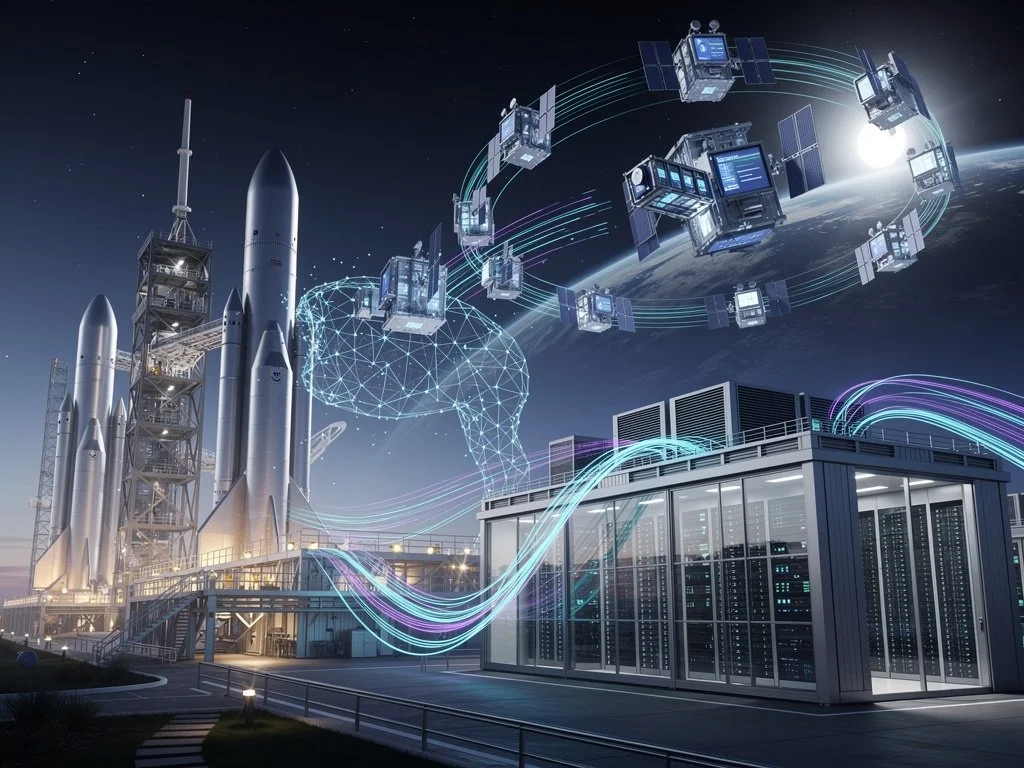
A massive merger between SpaceX, Tesla, and xAI could birth a $3 trillion powerhouse that dominates AI by leveraging space for unlimited energy and cooling. This isn't just consolidation—it's a strategic play to own the backbone of the AI era, from rockets to robots.
Key Takeaways
SpaceX, valued at $800 billion, might reverse merge into Tesla's $1.5 trillion structure, potentially including xAI's $230 billion valuation for a combined entity exceeding $3 trillion.
The core driver is overcoming AI's compute bottleneck through space-based data centers, offering constant solar power and passive cooling in orbit.
Synergies include SpaceX's rockets and satellites for deployment, Tesla's manufacturing for hardware scale, and xAI's models for intelligence, creating a vertically integrated AI stack.
Starship enables massive satellite launches, targeting 6,000 compute-enabled units annually, forming a global orbital network.
Risks involve regulatory hurdles, execution challenges in space tech, and geopolitical tensions, but the infrastructure moat could prove unbeatable.
The Rise of AI Agents: Your 24/7 Digital Sidekick and the World It Creates
Revolutionizing Productivity, Redefining Work, and Accelerating Autonomous Tech
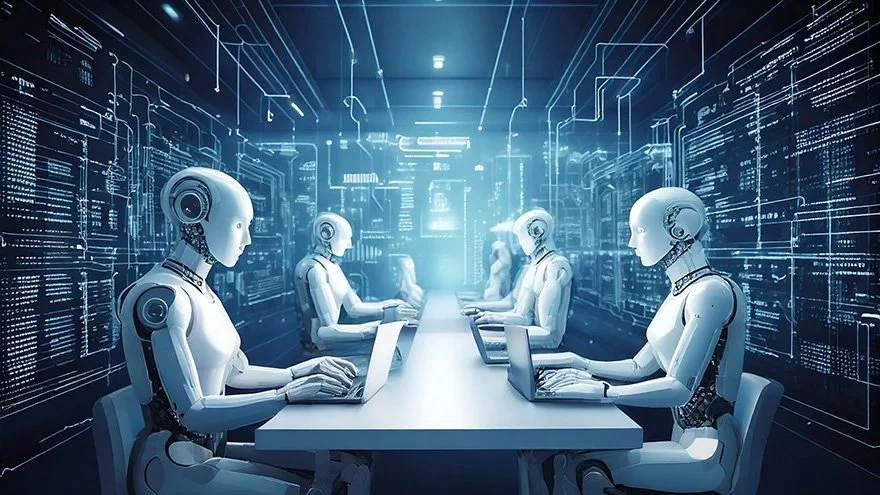
AI agents are no longer sci-fi—they're tools anyone can set up today to handle tasks autonomously. This newsletter explores how these systems boost efficiency, challenge traditional jobs, and integrate into everything from home life to electric vehicles, based on emerging trends and practical implementations.
Key Takeaways
AI agents like open-source tools can run on dedicated hardware, acting as independent employees with their own credentials for secure, round-the-clock operation.
Corporate America already operates with built-in inefficiencies, essentially providing a form of privatized universal basic income through unnecessary roles, which AI will expose and optimize over time.
As AI handles more work, societies may shift toward gamified experiences, where games, hobbies, and exploration provide meaning, potentially easing the transition away from traditional employment.
Tesla's 2026 focus likely includes unsupervised full self-driving, ramping Cybercab production, and leveraging AI hardware for broader applications like energy storage and distributed computing.
Humanity's adaptability offers hope: awareness of AI's risks is growing, paving the way for balanced integration rather than catastrophe.

Revolutionizing Hands: Why Tesla's Optimus Robot Could Redefine Physical Labor
Unlocking AI-Driven Efficiency in Everyday Tasks
Tesla's push into humanoid robots signals a shift toward seamless integration of AI with hardware, potentially transforming industries from manufacturing to household chores. By focusing on advanced hand designs and AI-native systems, the company aims to create tools that adapt quickly and scale massively, offering insights into how automation could eliminate scarcity and boost productivity across sectors.
Key Takeaways
Tesla's internal systems, built on AI from the ground up, allow for flexible integration across operations, reducing complexity and enabling rapid adaptations without overhauling foundations.
The Optimus robot's hand, with 22 degrees of freedom and five fingers, closely mimics human capabilities, making it suitable for 80% of physical jobs while optimizing for efficiency in high-value tasks like surgery or intricate assembly.
Vertical integration across companies sharing common platforms could lead to unified data ecosystems, amplifying AI's role in coordinating supply chains and operations.
Regulatory hurdles in certain regions may delay robotaxi and robot adoption, but economic pressures from increased productivity in adopter areas will likely force widespread acceptance.
Emerging battery technologies, such as sodium-ion and solid-state options, promise cheaper, more resilient energy storage, crucial for scaling autonomous vehicles and stationary power systems.
Future manufacturing may evolve toward replicator-like systems where raw materials at the atomic level feed into AI-orchestrated production, bypassing traditional suppliers and enabling abundance.
Humanoid robots could modularize into specialized forms, like multi-arm setups for agriculture or detachable limbs for tools, expanding their utility beyond bipedal designs.

2026: The Year AI Breaks Reality
Why Tech's Explosive Growth Signals a Turning Point We Can't Ignore
AI capabilities are accelerating at an unprecedented pace, reshaping industries, jobs, and daily life faster than any technology before. From supercomputers powering massive models to robots integrating advanced intelligence, the foundations for transformative change are already in place—offering both massive opportunities and profound challenges for those prepared to adapt.
Key Takeaways
AI models now outperform human experts in fields like science, coding, and math, with scores hitting 90-100% on PhD-level benchmarks.
Massive investments, including $20 billion data centers and supercomputers with millions of GPUs, are fueling rapid AI infrastructure growth.
Key indicators of approaching singularity include exponential AI self-improvement, benchmark saturation, and integration with real-world data from vehicles and social platforms.
Economic impacts could displace up to 47% of jobs by 2034, but also unlock abundance through automation solving global issues like disease and climate change.
Practical steps: Master human-centric skills like creativity and empathy, stay adaptable, and invest in AI-driven companies to thrive in this shift.
The AI Revolution Accelerates: Tools, Tesla, and the Future of Tech
How emerging AI platforms are democratizing creation while reshaping transportation and energy demands in 2026
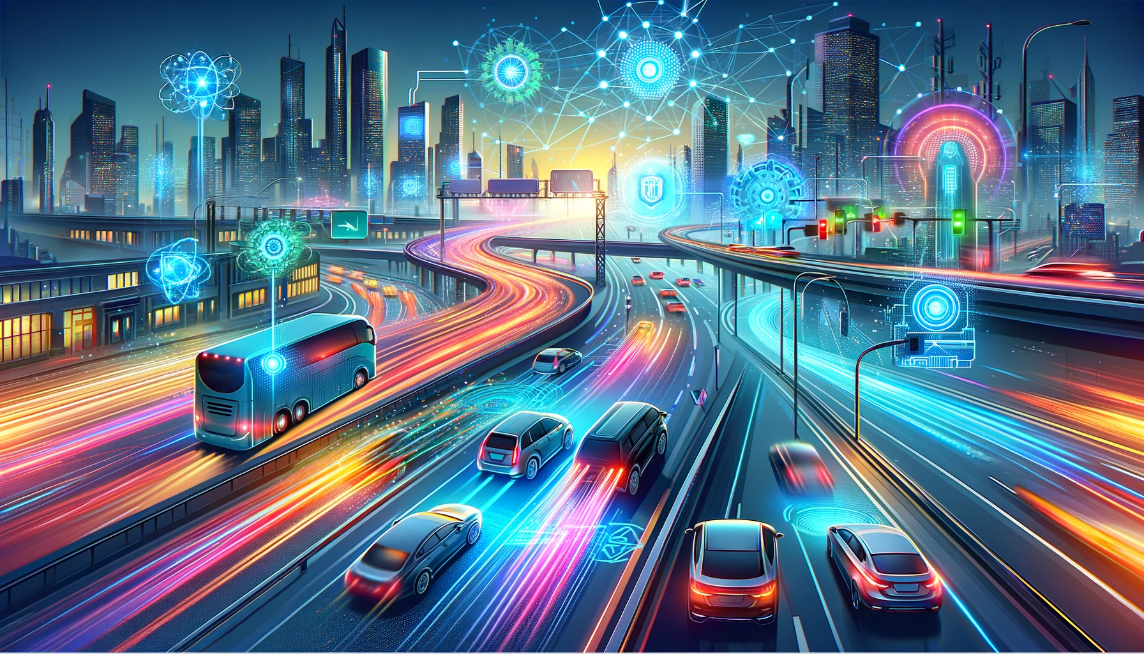
AI tools are evolving rapidly, enabling anyone to build complex applications without traditional coding expertise. Tesla continues to lead in autonomous driving, with software updates making vehicles safer and more efficient. Discussions around AI valuations suggest specific companies may be overpriced, but the sector's potential remains vast, driven by energy abundance and societal adaptations.
Key Takeaways
AI development platforms like Replit allow users to create functional apps, such as home remodeling tools, with simple prompts, reducing costs from thousands to hundreds of dollars.
Tesla's Full Self-Driving (FSD) software has reached a point where interventions are rare, signaling readiness for widespread unsupervised autonomy, potentially valuing the company at trillions.
No overarching AI bubble exists; instead, hyperscalers like OpenAI face scrutiny for high valuations relative to revenue, while second-layer AI applications in insurance and robotics promise massive growth.
Energy demand for AI will outstrip supply for decades, enabling innovations like desalination and hydrogen production, with surplus power finding uses in computation or physical tasks.
Societal shifts may include more people opting out of hyper-tech lifestyles, forming communities that cap technology adoption, while AI agents negotiate and provide services efficiently among themselves.
Nvidia's shift to end-to-end neural networks for autonomous vehicles, relying on cameras alone, positions it as a strong competitor to Tesla in reasoning-based driving systems.

The AI Tipping Point: When Machines Outpace Humanity
Redefining Work, Growth, and Survival in an Intelligent World
We stand on the brink of a technological shift unlike any before, driven by advancements in artificial intelligence that promise to reshape every aspect of human existence. At its core, this evolution raises profound questions about the future of jobs, economic expansion, and ensuring these systems benefit all life forms. The insights here reveal how AI's trajectory could lead to explosive progress while demanding urgent safeguards to manage its immense power.
Key Takeaways
AI is already altering education and certain jobs, but its full potential will enable it to perform any task humans can learn, thanks to the brain's nature as a biological computer that digital systems can replicate.
Rapid economic growth is likely as AI integrates into industries, accelerating research and development, though physical world constraints and regulations may temper the pace.
Countries with AI-friendly policies could outpace others economically, creating global disparities.
Building AI that inherently values sentient life, including its own, may prove more feasible and stable than systems focused solely on human interests.
As AI demonstrates greater capabilities, expect increased collaboration among competitors, heightened government oversight, and a shift toward more rigorous safety measures in development.
Orbiting AI: Revolutionizing Compute from Space
Why Space Could Power the AI Boom and Beyond
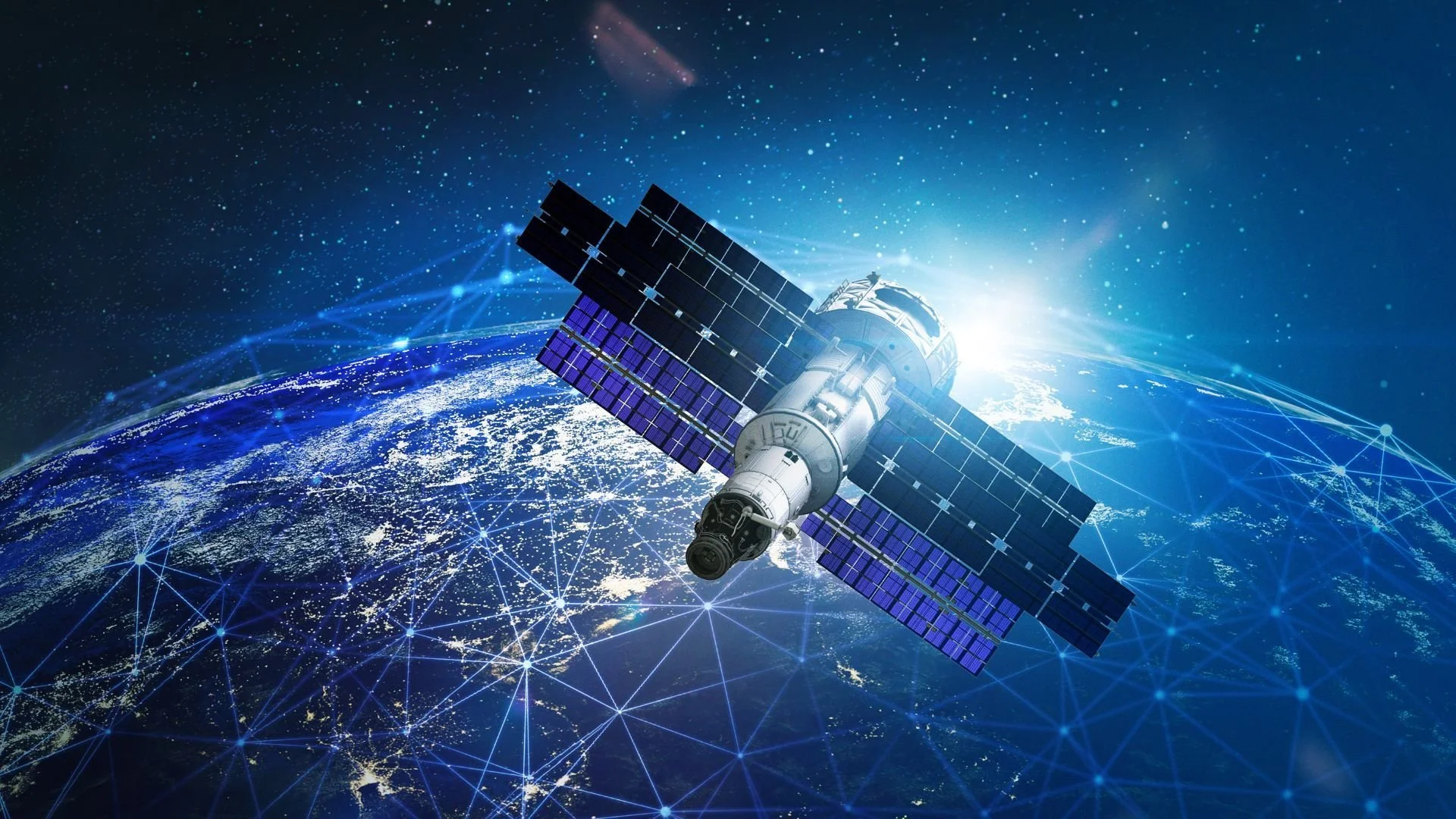
Advancements in launch tech are making orbital data centers a reality, promising near-unlimited solar energy for AI training and inference. This could cut electricity costs by up to 90% compared to ground-based systems, while global rollouts of autonomous tech accelerate mobility worldwide. Yet, these shifts demand new economic models to handle falling costs and rising disruptions in energy and jobs.
Key Takeaways
Space-based AI clusters leverage constant sunlight, reducing reliance on batteries and slashing operational costs for compute-intensive tasks.
Launch vehicles like Starship enable massive payloads to sun-synchronous orbits, though challenges in sites and reusability persist.
Autonomous ride-hailing apps are expanding to over a dozen countries, signaling faster adoption in regions with flexible regulations.
Energy could emerge as a universal value measure, with kilowatt-hours trading like currency to fuel AI and electric ecosystems.
Reversing inflation through tech abundance in essentials like food and housing could redistribute wealth, but requires proactive adaptation.