
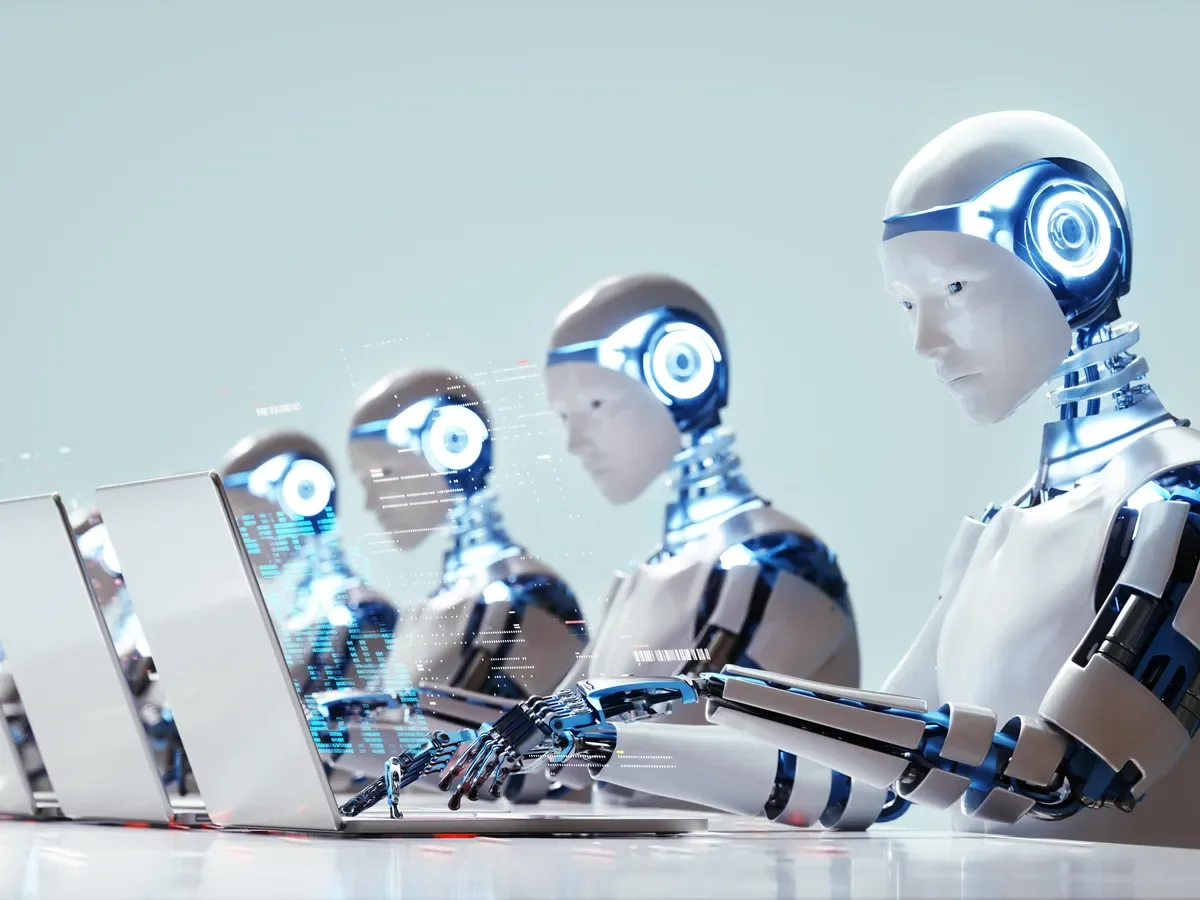
The AI Barbell Economy: Surviving the 2026 Job Tsunami
Why the Middle is Getting Crushed—and How to Position Yourself for the Win
A massive economic shift driven by AI is set to hit in 2026, reshaping jobs and wealth distribution. Tech giants are pouring billions into AI while slashing headcounts, creating a barbell-shaped economy where the top and bottom ends grow stronger, but the middle gets squeezed. Early movers who adapt to AI tools or pivot to hands-on trades stand to gain big, while those stuck in routine cognitive work face tough times.
Key Takeaways
AI is accelerating job polarization, forming a barbell economy: capital owners at the top multiply their wealth through AI leverage, while the bottom benefits from cheaper delivery of essentials like water, healthcare, and housing.
Middle-tier white-collar jobs—accounting, marketing, analysis, and customer service—are at high risk, with predictions of 50% entry-level roles vanishing in 1-5 years, potentially pushing unemployment to 10-20%.
Companies like buy-now-pay-later firms have cut workforces by 40% using AI assistants that handle millions of customer interactions, proving AI can replace hundreds of human roles even if quality dips slightly.
Physical trades such as plumbing, electrical work, and construction are booming, with wages up 20% since 2020 and shortages of over 500,000 workers in the US, driven by demand for AI infrastructure.
To thrive, focus on owning assets, mastering AI agents for automation, or building irreplaceable hands-on skills—staying in the middle assuming your job is safe is the biggest risk.

Tesla's Vision
Tesla's Optimus: A Blueprint for Outrunning Debt Through Automation
As federal spending continues to climb without meaningful cuts in sight, a fresh approach is gaining traction: leveraging advanced robotics to drive massive GDP growth. Tesla's humanoid robot program stands out as a prime example, with potential to transform productivity across everyday tasks and industrial operations, making economic expansion the key to managing fiscal pressures.
Key Takeaways
Humanoid robots priced around $30,000 to $40,000 could operate for 5-10 years with low maintenance, slashing costs in services like cleaning and delivery.
By learning tasks through observation and AI, these machines accelerate adoption in homes, warehouses, and factories, boosting overall economic output.
Automation at this scale targets GDP growth to counter rising debt, shifting focus from policy reforms to technological leaps.
Job shifts in driving, manufacturing, and services pose transition risks, but open doors for new entrepreneurial opportunities.
Recent demos show robots handling complex movements and interactions, signaling readiness for broader deployment soon.