

AI Layoffs Are Just Revving Up
The Dawn of Massive Job Shifts and Economic Overhauls
AI is slashing workforce needs at major tech firms, with one company cutting 40% of staff due to these tools. This signals a broader wave that could reshape industries, drive down costs, and spawn entirely new business models—while forcing workers to adapt or risk falling behind.
Key Takeaways
AI-driven efficiencies are leading to large-scale layoffs, starting with white-collar roles in software and tech, where tools handle tasks faster and cheaper than humans.
Companies adopting AI can reduce operational costs by 90-99%, allowing them to lower prices, capture more market share, and outcompete slower rivals.
While job losses will mount, plummeting costs in areas like transportation could birth innovative industries, such as mobile services that come to customers instead of vice versa.
Blue-collar jobs involving repetitive physical labor face disruption next, as humanoid robots scale up later this decade.
Society must rapidly generate new roles through emerging sectors or AI-leveraged entrepreneurship to absorb displaced workers, or economic floors could collapse without intervention.
Capital owners in AI-adopting firms stand to gain massively from higher profits and expanded reach, but widespread unemployment risks shrinking consumer bases.
Individuals who embrace AI tools boost their chances of building businesses and achieving goals, while resistance heightens reliance on government support.

The AI Barbell Economy: Surviving the 2026 Job Tsunami
Why the Middle is Getting Crushed—and How to Position Yourself for the Win
A massive economic shift driven by AI is set to hit in 2026, reshaping jobs and wealth distribution. Tech giants are pouring billions into AI while slashing headcounts, creating a barbell-shaped economy where the top and bottom ends grow stronger, but the middle gets squeezed. Early movers who adapt to AI tools or pivot to hands-on trades stand to gain big, while those stuck in routine cognitive work face tough times.
Key Takeaways
AI is accelerating job polarization, forming a barbell economy: capital owners at the top multiply their wealth through AI leverage, while the bottom benefits from cheaper delivery of essentials like water, healthcare, and housing.
Middle-tier white-collar jobs—accounting, marketing, analysis, and customer service—are at high risk, with predictions of 50% entry-level roles vanishing in 1-5 years, potentially pushing unemployment to 10-20%.
Companies like buy-now-pay-later firms have cut workforces by 40% using AI assistants that handle millions of customer interactions, proving AI can replace hundreds of human roles even if quality dips slightly.
Physical trades such as plumbing, electrical work, and construction are booming, with wages up 20% since 2020 and shortages of over 500,000 workers in the US, driven by demand for AI infrastructure.
To thrive, focus on owning assets, mastering AI agents for automation, or building irreplaceable hands-on skills—staying in the middle assuming your job is safe is the biggest risk.
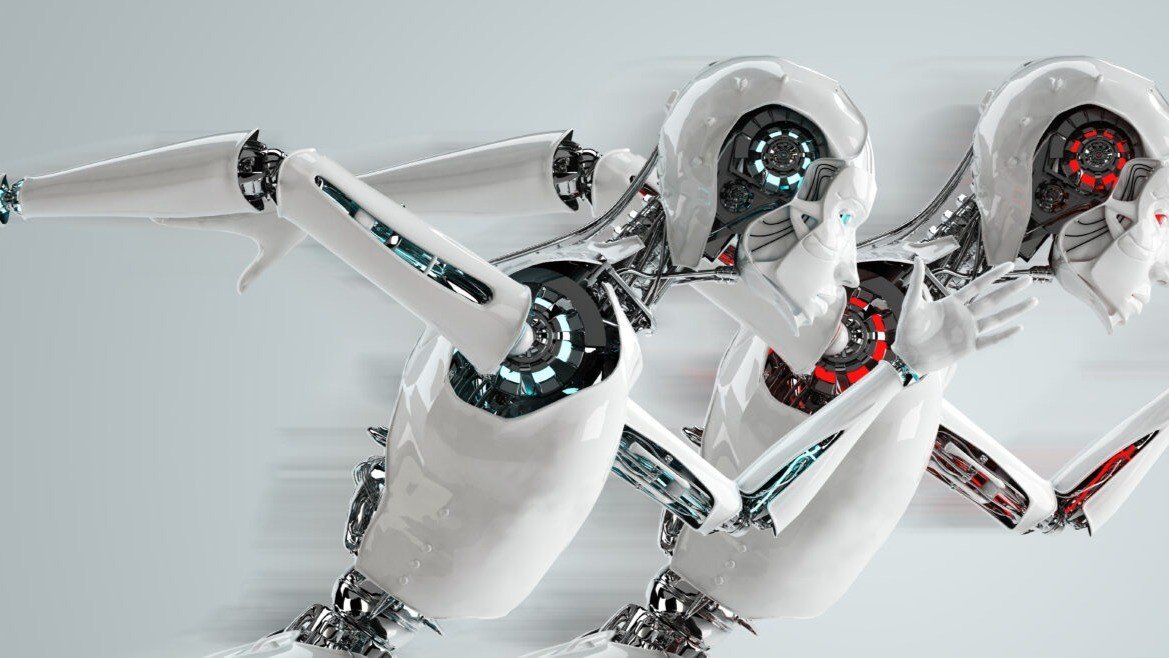
The AI-Driven Future: Robots, Rockets, and Radical Economic Shifts
Unlocking abundance through automation—why humanoid bots and self-driving tech could reshape everything from factories to Mars colonies.
Automation technologies are advancing at a breakneck pace, promising to slash costs for labor and transportation while opening up entirely new frontiers. From factories running 24/7 to cities deploying robot fleets for public services, these developments could drive unprecedented economic growth. Yet they also raise pressing questions about job displacement and societal stability. Here's what tech enthusiasts need to know about the emerging landscape.
Key Takeaways
Humanoid robots are poised to handle tasks like assembly, delivery, and chores at a fraction of human labor costs, potentially dropping to $3-5 per hour equivalent over time.
Self-driving vehicles could reduce transportation expenses to under 40 cents per mile, enabling innovative business models like mobile salons or on-demand services that come directly to consumers.
High-volume production of robots, spurred by early adopters like space exploration programs, will lower unit costs to $20,000-30,000, making them accessible for widespread use in warehouses, manufacturing, and urban revitalization.
Mars colonization efforts will rely heavily on robot labor to build infrastructure in harsh environments, funded by satellite internet revenues and creating a feedback loop for tech scaling.
While new sectors emerge in AI maintenance, space tech, and customized services, significant job losses in driving and manual labor are likely, overlapping with existing economic frustrations and potentially fueling social tensions.
Governments and companies could deploy robot fleets to aid underserved communities, repairing infrastructure and boosting local economies without ongoing wage expenses.