
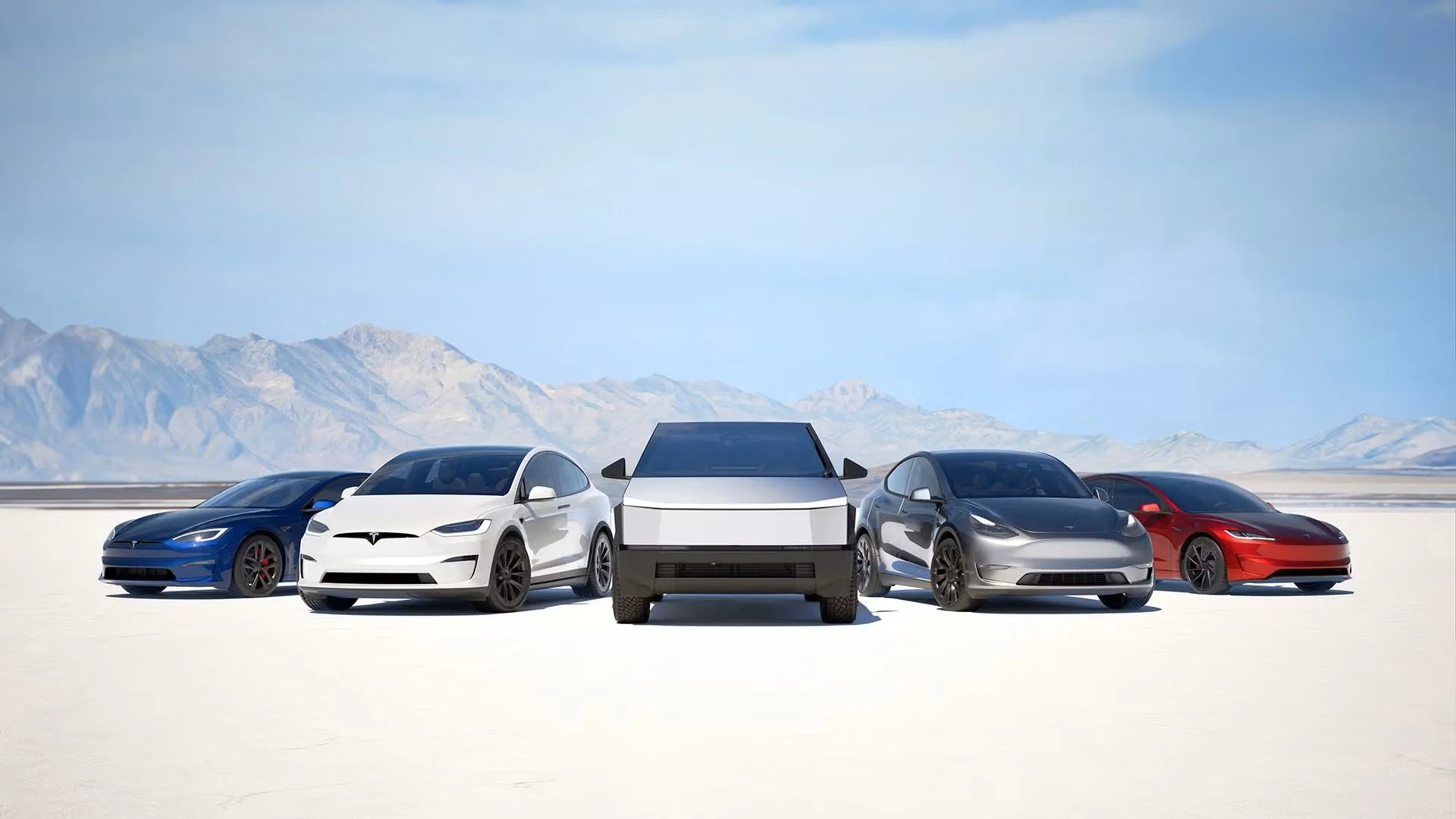
Tesla's Fleet Awakening: The Dawn of Unsupervised Autonomy
Unlocking Millions of Self-Driving Cars Overnight – And Why It Crushes the Competition
Tesla's latest move in Austin marks a pivotal shift in autonomous driving, turning everyday vehicles into fully independent machines. This isn't just about robotaxis in select cities; it's about transforming over six million existing cars into assets that drive, earn, and redefine mobility through a simple software push.
Key Takeaways
Tesla has enabled unsupervised full self-driving (FSD) in Austin robotaxis, allowing passengers to ride without any human oversight.
Over six million Tesla vehicles already on roads come equipped with FSD hardware, ready for activation via software updates.
Tesla's data advantage, with over seven billion miles driven, dwarfs competitors and accelerates neural network improvements.
Unlike rivals relying on expensive custom fleets and detailed city mapping, Tesla's approach scales instantly across any location.
Regulatory changes in 2026, including federal preemption, could enable nationwide unsupervised driving.
This shift boosts Tesla's car sales by offering unmatched features, like vehicles that earn money or run errands autonomously.
The business model favors capital efficiency, as customers own and maintain the vehicles while Tesla provides the software capability.
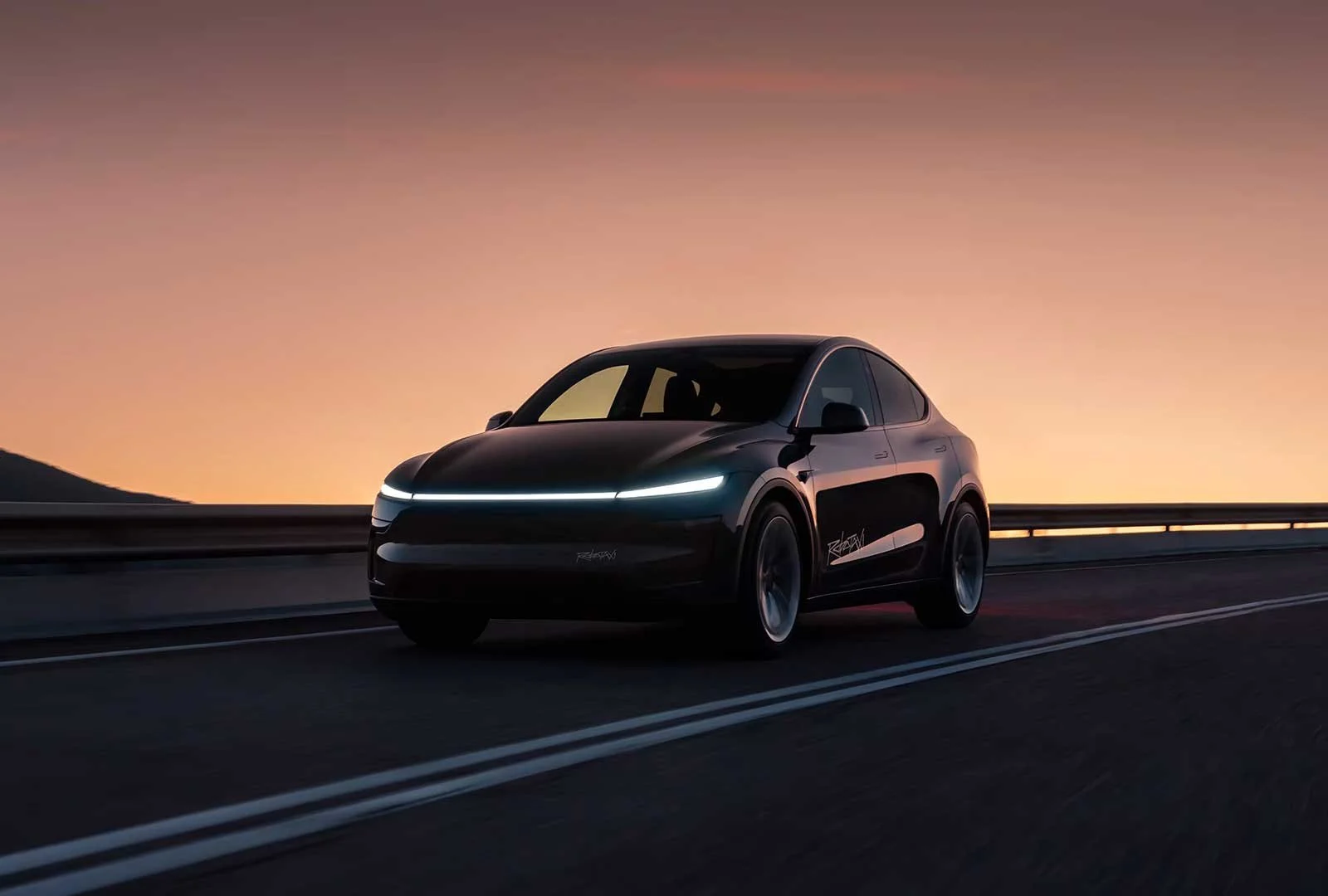
Tesla's Robotaxi Revolution: Crushing Competitors with Cost and Scale
Why Tesla Could Dominate Ride-Sharing and Leave Waymo in the Dust
Robotaxis are set to transform urban mobility, slashing costs while boosting safety and convenience. Yet, early players like Waymo struggle with high expenses and limited scalability, creating an opening for Tesla's efficient, hybrid fleet model to seize massive market share.
Key Takeaways
Robotaxis from Tesla could operate at costs several times lower than competitors, thanks to affordable vehicles and vision-only tech stacks.
Waymo's current model remains uncompetitive against traditional ride-sharing due to expensive cars and sensors, limiting market share to around 15-20% in any single city.
Tesla's hybrid approach—combining company-owned fleets for base demand with owner-contributed cars for peaks—reduces capital needs by up to seven times compared to rivals.
The ride-sharing market is highly elastic; lower prices from Robotaxis could expand total miles driven by 4x or more, displacing public transit options.
Regulation may lag but won't stop adoption, as historical precedents like ride-sharing show public demand overrides barriers.
In the long term, the market might evolve into an oligopoly, with Tesla leading and challengers like Uber partnering with secondary Robotaxi tech providers.
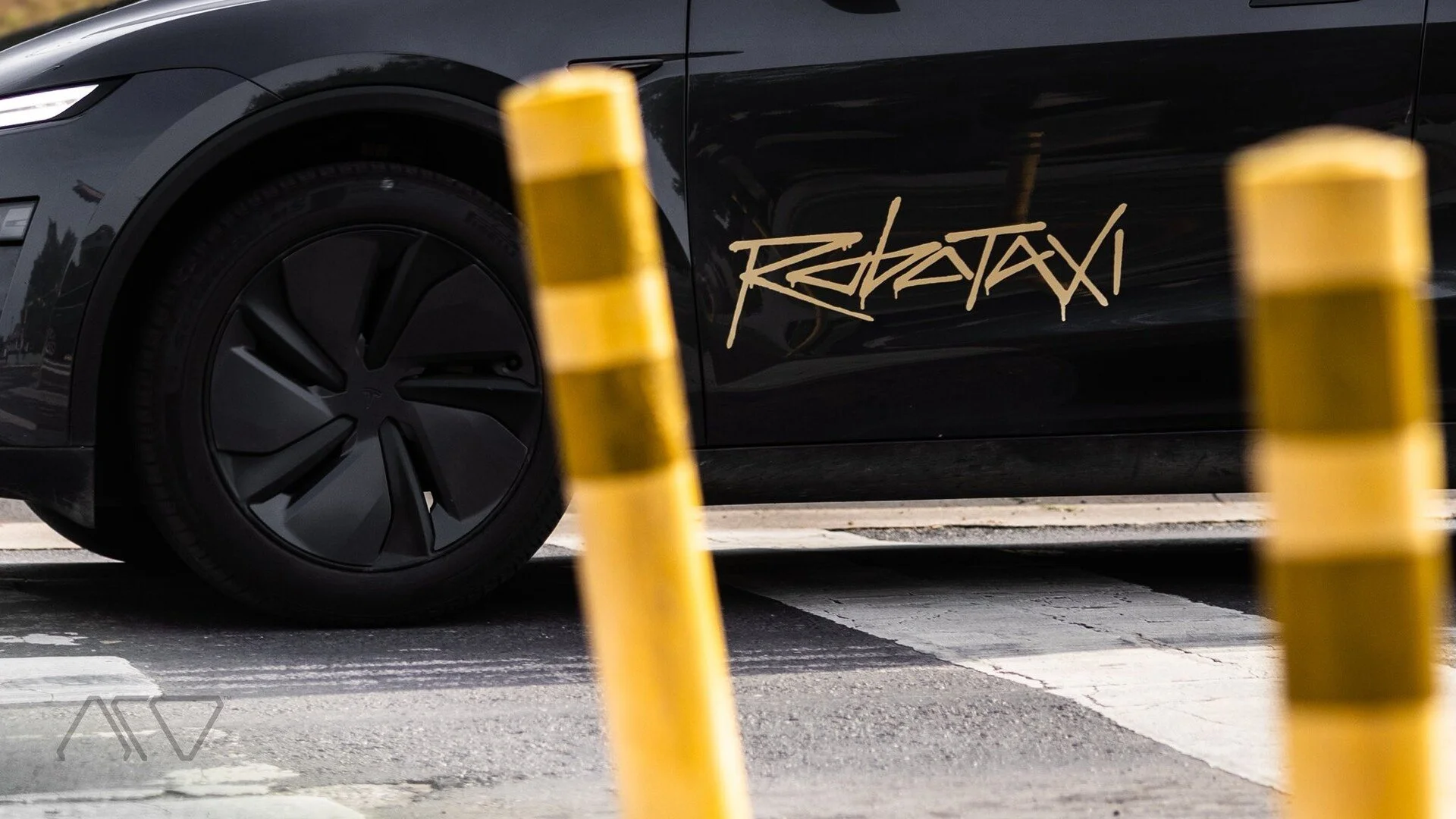
Tesla's Autonomy Leap: Unlocking the Robotaxi Era
Revolutionizing Mobility with Safer, Smoother Self-Driving Tech
Tesla's stock has surged to record levels as the market recognizes the company's strides in autonomous driving. Recent software updates deliver performance that rivals or exceeds human drivers in safety and ride quality, paving the way for widespread Robotaxi deployment. This shift promises to flood cities with affordable, efficient autonomous vehicles, generating substantial profits while outpacing rivals.
Key Takeaways
Tesla's latest full self-driving software achieves safety levels comparable to or better than human drivers, based on extensive real-world testing and minimal incident reports.
Comfort in autonomous rides sets Tesla apart, with smooth handling of turns, accelerations, and intersections that mimic top human drivers.
Robotaxi networks can scale rapidly without safety drivers, starting in key areas like Austin and the Bay Area, thanks to regulatory-friendly safety profiles.
Manufacturing advantages allow Tesla to produce and deploy thousands of Robotaxis at low cost, undercutting competitors on fares and utilization.
Each Robotaxi could generate around $100,000 in annual profit through efficient operations, with costs as low as 60 cents per mile versus $2.50+ charges.
Broader AI applications from this tech extend to humanoid robots, amplifying Tesla's potential in automation.