
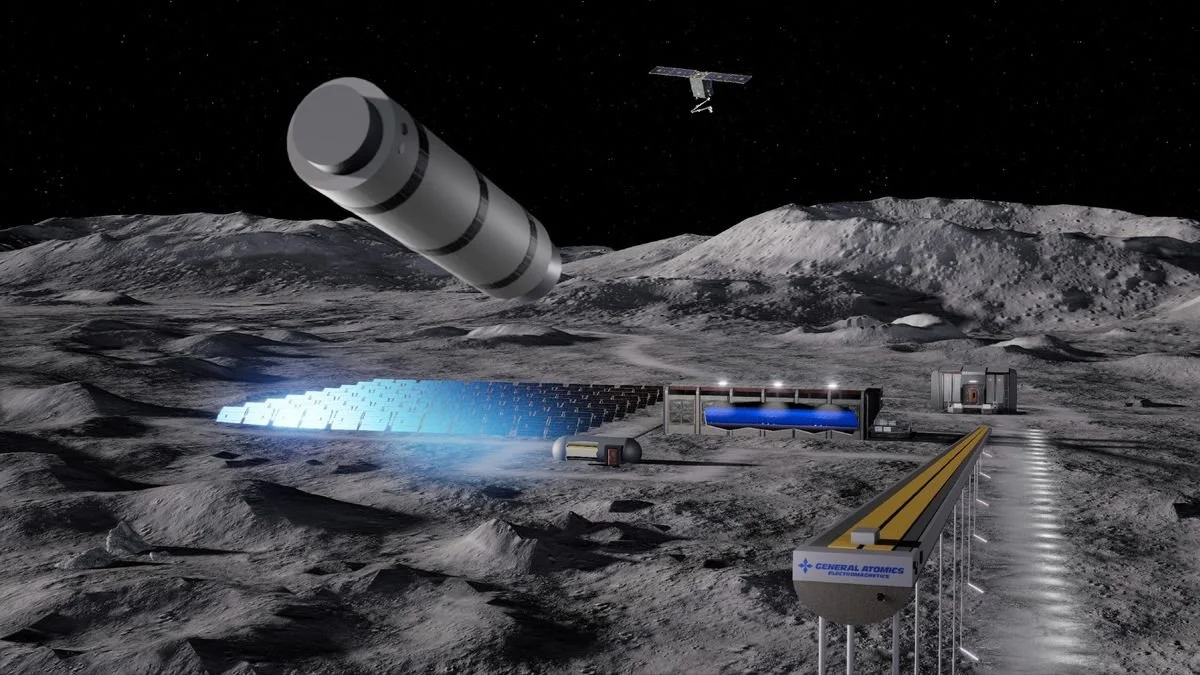
Stop Thinking Small: The Moon as the Gateway to Kardashev-Scale Energy and Compute
Lunar in-situ manufacturing combined with electromagnetic mass drivers creates a practical route to 1,000x energy growth and large-scale deployment of AI satellites in deep space.
Current terrestrial limits on land, materials, and launch costs cap how far energy production and computational infrastructure can scale. Shifting the bulk of manufacturing to the Moon and using its physical properties for efficient electromagnetic launches removes those ceilings. The result is a system capable of producing and deploying the massive solar arrays, radiators, and AI-optimized satellites required to push civilization measurably closer to stellar energy levels.
Key Takeaways
Global energy use sits at roughly 20 terawatts today; even a 1,000x increase remains a small fraction of the output needed for Kardashev Type II status.
The Moon’s one-sixth Earth gravity and total lack of atmosphere allow local production of heavy components like solar panels and thermal radiators with far lower energy input than lifting equivalent mass from Earth.
Electromagnetic mass drivers function as long linear motors that accelerate payloads to lunar escape velocity without onboard propellant, enabling high-volume launches of finished satellites into deep space.
In-situ resource utilization on the Moon means most of the mass for solar power systems and satellite structures comes from lunar regolith rather than Earth shipments.
AI satellites gain continuous solar power and the large radiator surfaces needed for heat rejection in vacuum—both difficult to scale when everything must launch through Earth’s atmosphere and gravity well.
Industrial-scale lunar operations create the logistics backbone that simultaneously makes routine human access to the Moon feasible and affordable.
Reusable heavy-lift rockets handle the initial delivery of specialized equipment and crews, after which lunar production takes over for bulk materials and reduces long-term Earth dependency.
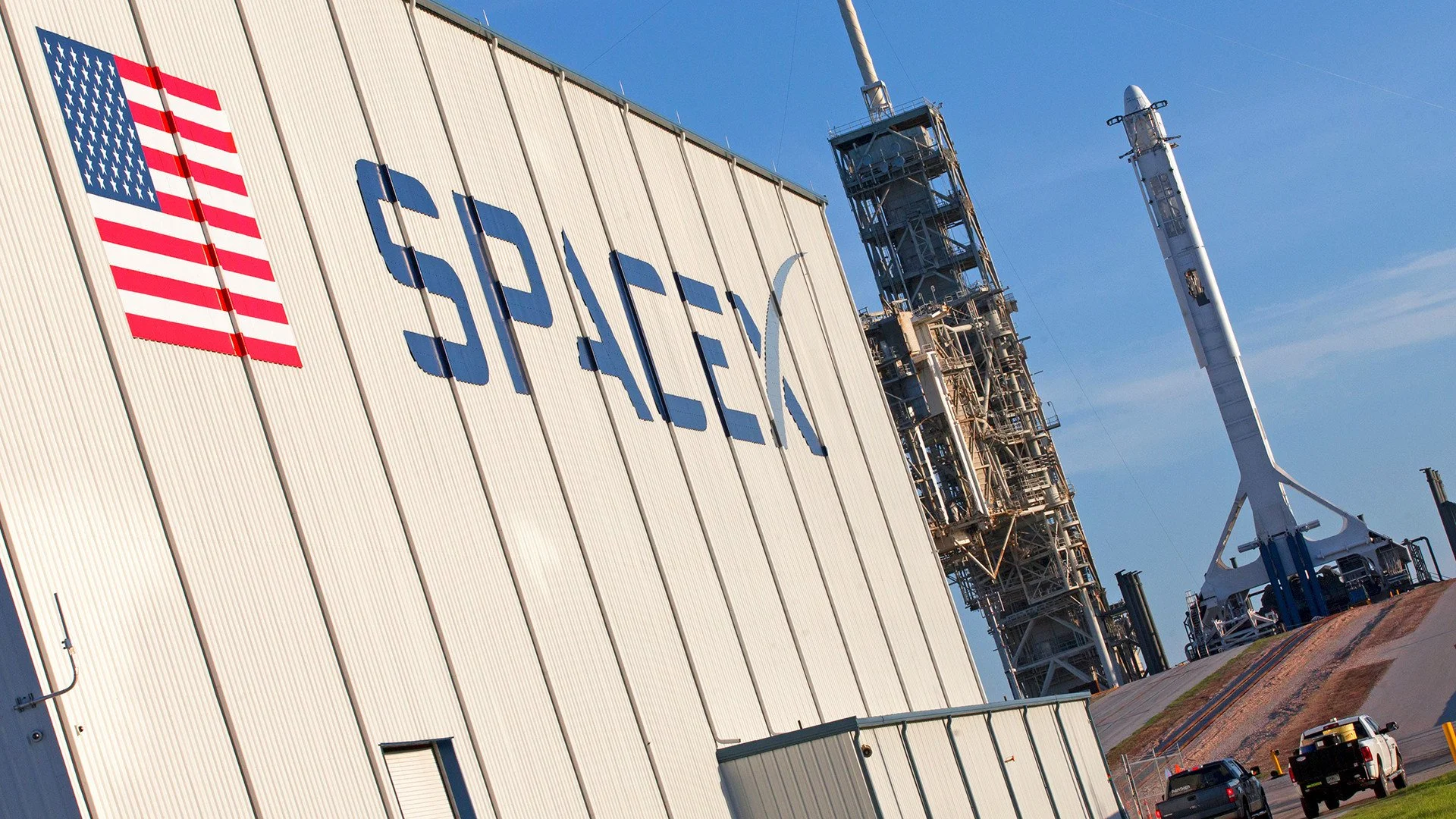
SpaceX Just Locked In the AI Infrastructure Crown
The vertical stack that turns rockets, chips, power, and satellites into permanent AI rent.
A single partnership has quietly redrawn the AI landscape. SpaceX is no longer just the leader in reusable rockets — it has assembled the only fully integrated physical stack for frontier AI, from silicon fabs to orbital data centers. By opening its massive Colossus compute cluster to Anthropic’s Claude models, the company proved it can act as the landlord for the entire industry while keeping its own options wide open.
Key Takeaways
SpaceX is supplying Anthropic with over 300 megawatts and 220,000+ NVIDIA GPUs from the Memphis Colossus-1 facility, instantly doubling rate limits and removing throttling for Claude Pro, Max, Code, and API users.
The deal follows SpaceX’s all-stock absorption of xAI, giving the combined entity ownership of the world’s largest concentrated GPU clusters and positioning it as a hyperscaler with launch, chip, power, and network capabilities no one else matches.
Vertical integration now spans Falcon 9/Starship launches, Terafab’s multi-hundred-billion-dollar 2nm chip production, Starlink’s 10,000+ satellite constellation, and gigawatt-scale data centers — six critical layers versus four for even the strongest competitors.
Anthropic gains immediate capacity to deploy its next-generation Mythos model at scale; SpaceX secures high-margin recurring revenue that strengthens its path to a $1.5–2 trillion+ IPO.
The broader shift: models are commoditizing fast. Sustainable advantage now lives in the physical stack below the model — the new oil, pipelines, refineries, and shipping lanes of the AI economy.
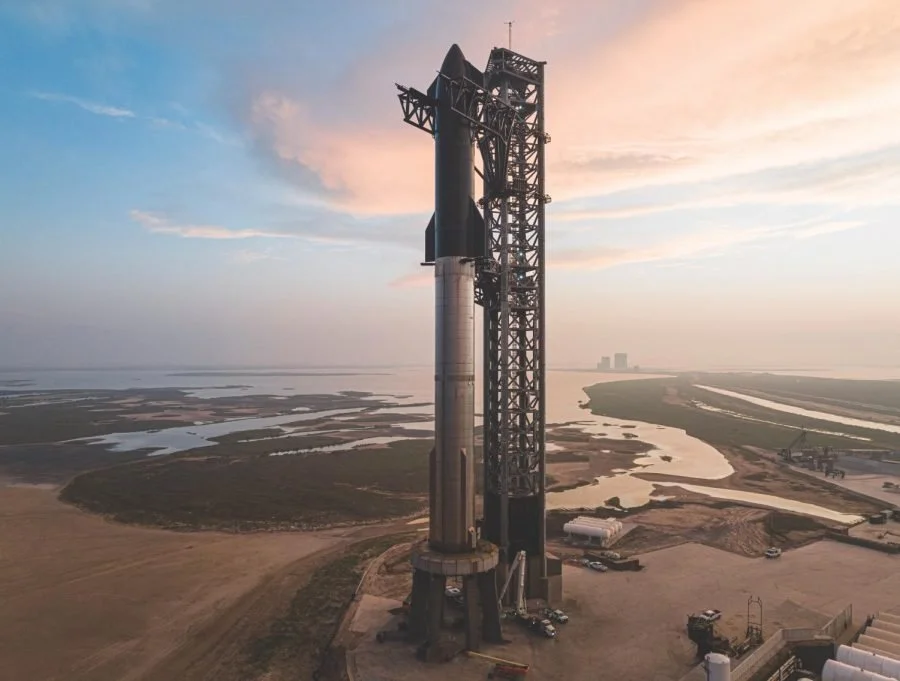
Starship's Rocket Catch Just Unlocked the Most Important Product in Human History
A 5,000x drop in launch costs is turning space into the next global economic engine—cheaper than air travel, with industries emerging that were impossible just a year ago.
The Starship booster catch marks more than an engineering milestone. It proves that access to orbit is about to become dramatically cheaper, unlocking an entirely new economy between Earth and Mars that will dwarf today's satellite sector. This shift will reshape energy, manufacturing, computing, and resource extraction on a scale last seen with container shipping or the internet. The numbers are staggering, and the early players are already raising hundreds of millions while hardware launches into orbit.
Key Takeaways
Launch costs to orbit have fallen from $54,000 per kilogram during the Space Shuttle era to a projected $10–20 per kilogram with Starship, a 5,000x reduction that makes space business models profitable instead of impossible.
Wright's Law is driving relentless cost declines: every doubling of production volume cuts prices by 15–25 percent, the same dynamic that turned solar from $76 per watt in 1977 to 20 cents today.
Orbital manufacturing in microgravity is producing pharmaceutical crystals and semiconductor materials that cannot be made on Earth due to gravity's interference, creating entirely new product categories.
Space-based solar mirrors and orbital AI data centers solve Earth's power, cooling, and land constraints, while robot labor at roughly $2 per hour handles construction and maintenance that humans could never scale.
The second- and third-order effects of this infrastructure will spawn trillion-dollar industries nobody has named yet, exactly as container shipping and cheap bandwidth created globalization and the digital economy.
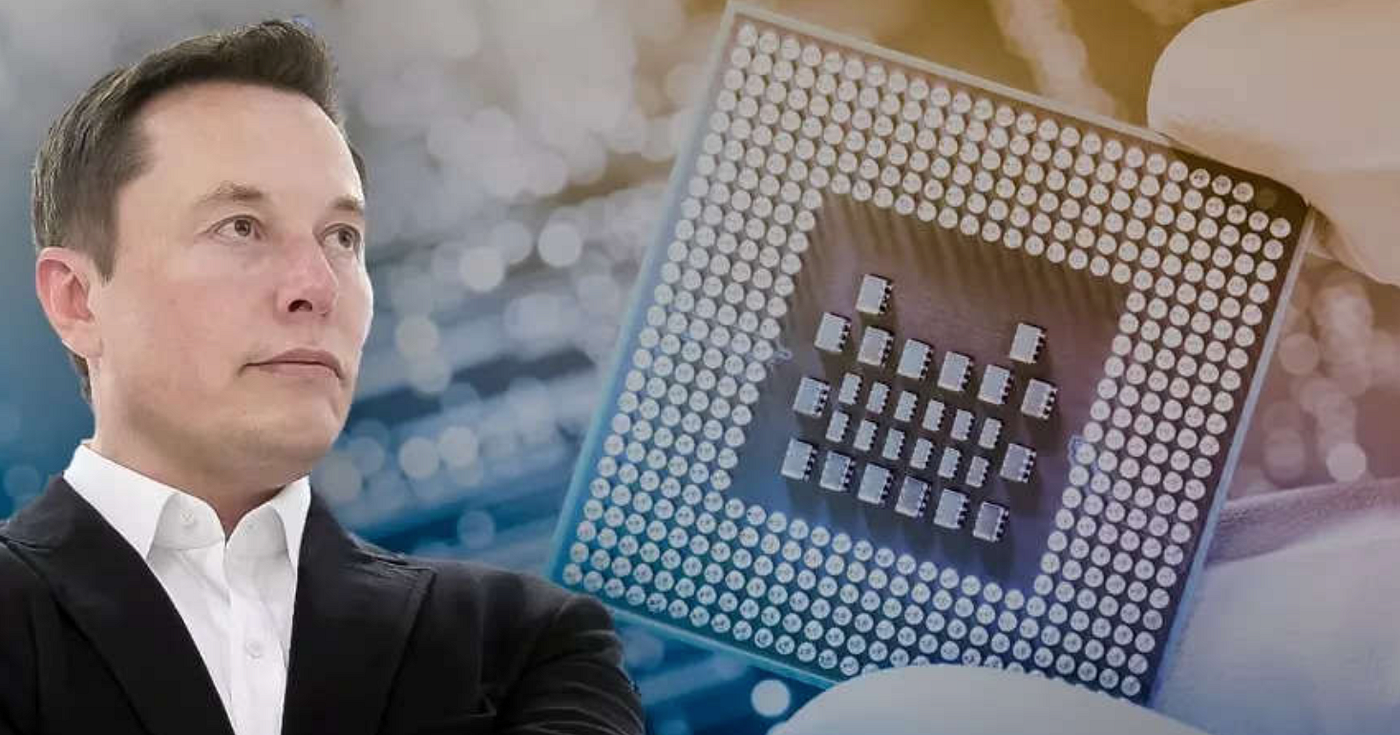
Taiwan's $10 Trillion Chip Crisis: Why Elon Musk Is Racing to Build His Own Semiconductor Empire
Global AI depends on one vulnerable island. Musk's Terra Fab could be the ultimate hedge—and a game-changer for Tesla and beyond.
The world's most advanced chips all come from one place: Taiwan. With China positioning forces for a potential takeover by 2027, the global economy faces a catastrophic risk estimated at $10 trillion in GDP losses in the first year alone. Yet amid this fragility, one leader is taking decisive action by investing tens of billions into domestic chip manufacturing independence. This move isn't just about one company—it's a signal of how tech giants are rethinking supply chains in an era of rising geopolitical tensions.
Key Takeaways
TSMC in Taiwan produces around 90% of the world's most advanced sub-7 nanometer chips, powering everything from AI systems to smartphones and defense tech.
China has directed its military to prepare for an invasion or blockade of Taiwan by 2027, with ongoing drills, incursions, and naval expansions increasing the pressure.
A disruption could wipe out $10 trillion from global GDP in year one—far exceeding the combined impacts of COVID-19 and the 2008 financial crisis—due to chip shortages crippling industries worldwide.
Tesla's new Terra Fab project aims for 2-nanometer process technology at massive scale, targeting production of hundreds of billions of custom AI and memory chips annually to support Tesla's autonomous vehicles, robots, and AI training.
This vertical integration strategy builds resilience against Taiwan risks while creating optimized, efficient silicon tailored to specific workloads in driving, robotics, and AI.
A broader "Sovereign AI" movement is underway, with countries and companies investing heavily in domestic chip and data center capacity to secure technological independence.
The Tera Fab Breakthrough: Building Terawatts of AI Compute to Power a Galactic Civilization
Why one facility, paired with orbital infrastructure and robotics, could unlock energy abundance at a scale that dwarfs everything on Earth today.
The most valuable insight here is simple: humanity’s entire current AI chip production barely scratches the surface of what’s required to reach meaningful cosmic scale. A new integrated chip fabrication project called Tera Fab changes that equation by delivering terawatts of annual compute output—orders of magnitude beyond today’s global total—while making space-based AI not just viable but dramatically cheaper than anything possible on the ground. The result is a clear path to multi-planetary expansion, humanoid robots in the billions, and an economy powered by the Sun itself.
Key Takeaways
Current worldwide AI chip output sits at roughly 20 gigawatts per year; all existing fabs combined supply only about 2 percent of the terawatt-scale capacity now planned.
Tera Fab integrates logic, memory, packaging, testing, and mask-making in a single building, creating an ultra-fast design iteration loop measured in days instead of months.
Two specialized chip families emerge: high-volume, efficient designs for edge inference in humanoid robots and vehicles, plus radiation-hardened, high-power versions optimized for the harsh space environment.
Space-based solar delivers five times more consistent energy than ground installations, with no atmosphere, no night cycle, and no weather—driving AI compute costs below terrestrial levels within two to three years.
Starship upgrades will enable 10 million tons of payload to orbit annually, supporting orbital solar arrays and compute clusters at terawatt scale.
A lunar electromagnetic mass driver built with robotic labor will later push compute into the petawatt range, opening the door to million-fold economic growth and post-scarcity abundance.
Elon Musk's Bombshell: Mass and Energy as the New Global Currency
The Shift That Redefines Wealth in an AI-Driven World
Rapid advances in AI, robotics, and solar power are converging to make intelligence, labor, and energy nearly free, positioning mass and energy as the core drivers of future economies. This transformation echoes historical currency shifts and points to a deflationary era where energy production becomes the ultimate measure of value.
Key Takeaways
AI training and inference costs have plummeted, with benchmarks dropping from thousands of dollars to pennies, making cognitive tasks approach zero cost.
Robotic labor could reach 20 cents per hour by 2032, disrupting a $40 trillion global market in physical work.
Solar energy costs have fallen 99.6% since 1976, outpacing other sources and enabling exponential growth in power generation.
Historical currency systems—from gold to petrodollars—evolved with dominant economic inputs; energy now emerges as the next anchor.
Orbital solar data centers could multiply Earth's energy output by millions, turning space into the ultimate power source.
In this framework, companies controlling energy, AI, and robotics stacks stand to dominate, while traditional fiat currencies face unprecedented pressure.
The Hidden Convergence: How Elon's Empire is Building a $3 Trillion Future
Unlocking Abundance Through Integrated Tech Ecosystems
A massive shift is underway in technology, where separate companies are merging their strengths to create something far larger than any single entity. At the core is a vision of robots handling all human tasks, AI anticipating needs before they're voiced, and unlimited energy powering it all. This isn't distant sci-fi—key pieces are already connecting in ways that could reshape industries and economies.
Key Takeaways
Four major companies—Tesla, SpaceX, xAI, and Neuralink—are pooling resources to form an interconnected system worth over $3 trillion in combined value.
AI from xAI is designed to power Tesla's humanoid robots, creating self-sufficient machines that outperform humans in physical and cognitive tasks.
Satellite integration from SpaceX into Tesla vehicles ensures constant global connectivity, enabling real-time data sharing for autonomous driving.
Underground tunnels from The Boring Company serve as ideal testing grounds for self-driving tech, generating valuable data to refine AI models.
Neuralink's brain interfaces aim to blend human and machine intelligence, opening doors to telepathic control of robots and devices.
Despite missed timelines, rapid progress in robot deployment, energy storage, and AI supercomputing shows convergence happening now.
This ecosystem creates unbeatable advantages, like network effects in data and hardware, that competitors can't easily match.
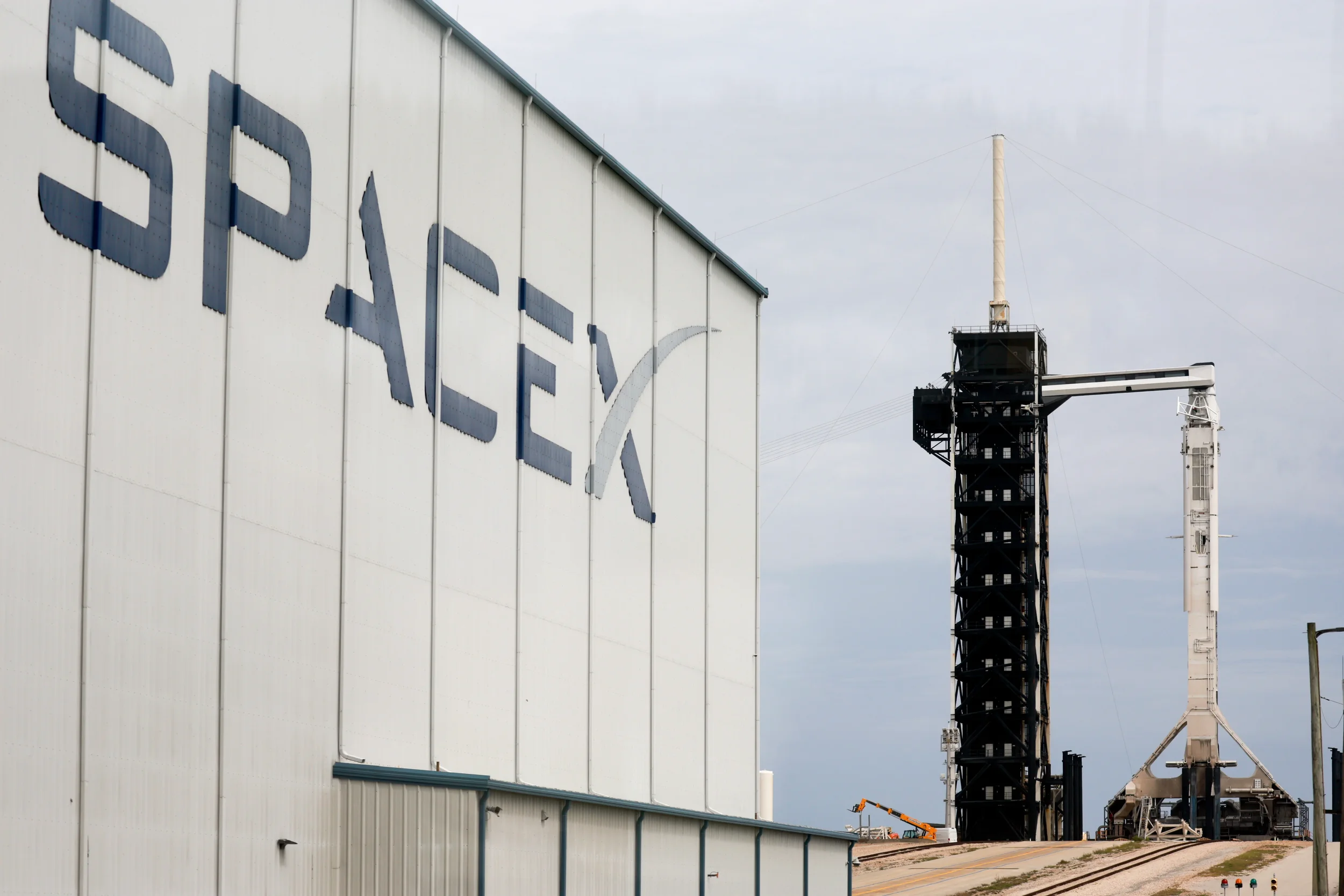
SpaceX Swallows xAI: The Dawn of Orbital AI Powerhouses
Revolutionizing Compute from the Stars – Why This Merger Changes Everything
The fusion of SpaceX and xAI unlocks a new era where AI training escapes Earth's limits, powered by endless solar energy in orbit. This deal catapults innovation by sidestepping power shortages and regulatory hurdles, paving the way for breakthroughs in physics, tech, and human expansion beyond our planet.
Key Takeaways
SpaceX's acquisition of xAI creates a $1.25 trillion entity, the world's most valuable private company, focused on integrating AI with space tech.
AI compute moves to space-based satellites, harnessing constant solar power and natural cooling to scale far beyond Earth's energy constraints.
This solves immediate bottlenecks like electricity demand and environmental concerns, enabling 10-100 times more AI capacity annually.
Starship rockets will launch millions of tons into orbit yearly, funding moon bases, Mars cities, and vast AI constellations.
The merger opens AI training services to other companies, accelerating global tech advances while fueling multi-planetary goals.
Elon Musk's Davos Vision: Abundance Through AI, Robots, and Space Power
The path to a future where robots outnumber humans, energy becomes limitless, and consciousness survives beyond Earth.
Key Takeaways
Electrical power has emerged as the primary bottleneck for scaling AI, with chip production outpacing grid additions in most regions except China.
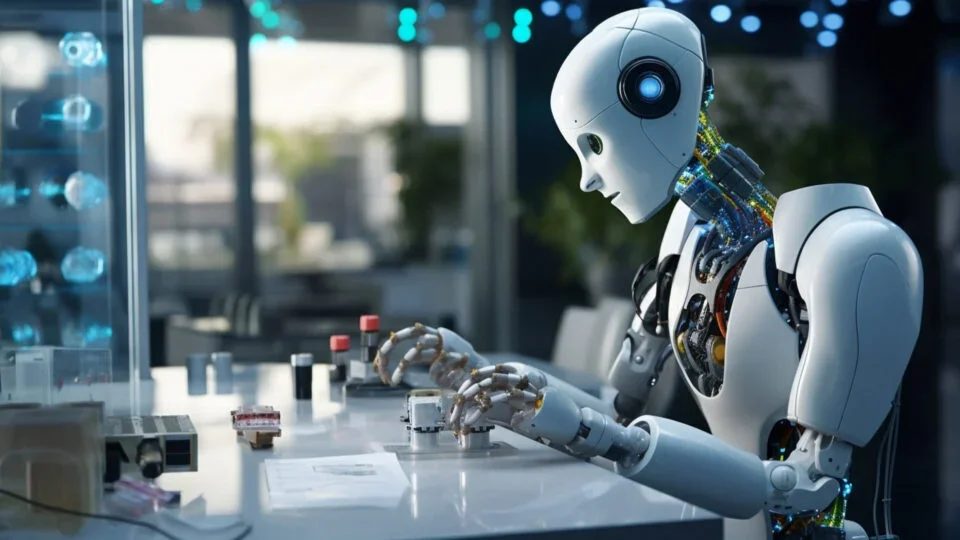
Humanoid robots will drive unprecedented economic abundance, eventually outnumbering people and saturating needs like elder care, childcare, and household tasks.
Tesla plans to deploy Optimus robots for complex factory tasks by the end of 2026 and sell them to the public by the end of 2027, once safety and functionality reach high reliability.
Full rocket reusability with Starship could slash space access costs by 100x, enabling cheap satellite deployment and space-based solar for AI data centers.
Space-based solar offers 5x more effective power collection than ground-based systems, with no weather, night cycles, or atmospheric losses—making orbit the lowest-cost location for AI compute within a few years.
AI could surpass individual human intelligence by the end of 2026 or early 2027, and exceed all of humanity combined by around 2030-2031.
Large-scale solar arrays (roughly 100x100 miles) could power entire nations like the US or Europe, but deployment faces barriers like high tariffs on imported panels.
Consciousness is viewed as rare and fragile, making multiplanetary life essential to protect it from Earth-bound disasters.
Optimism about technological progress outweighs risks, as abundance from AI and robotics can broadly benefit society if energy constraints are solved.
The Malibu Paradox: Why Abundance Won't Erase Scarcity
Rethinking Wealth in an AI-Driven Future
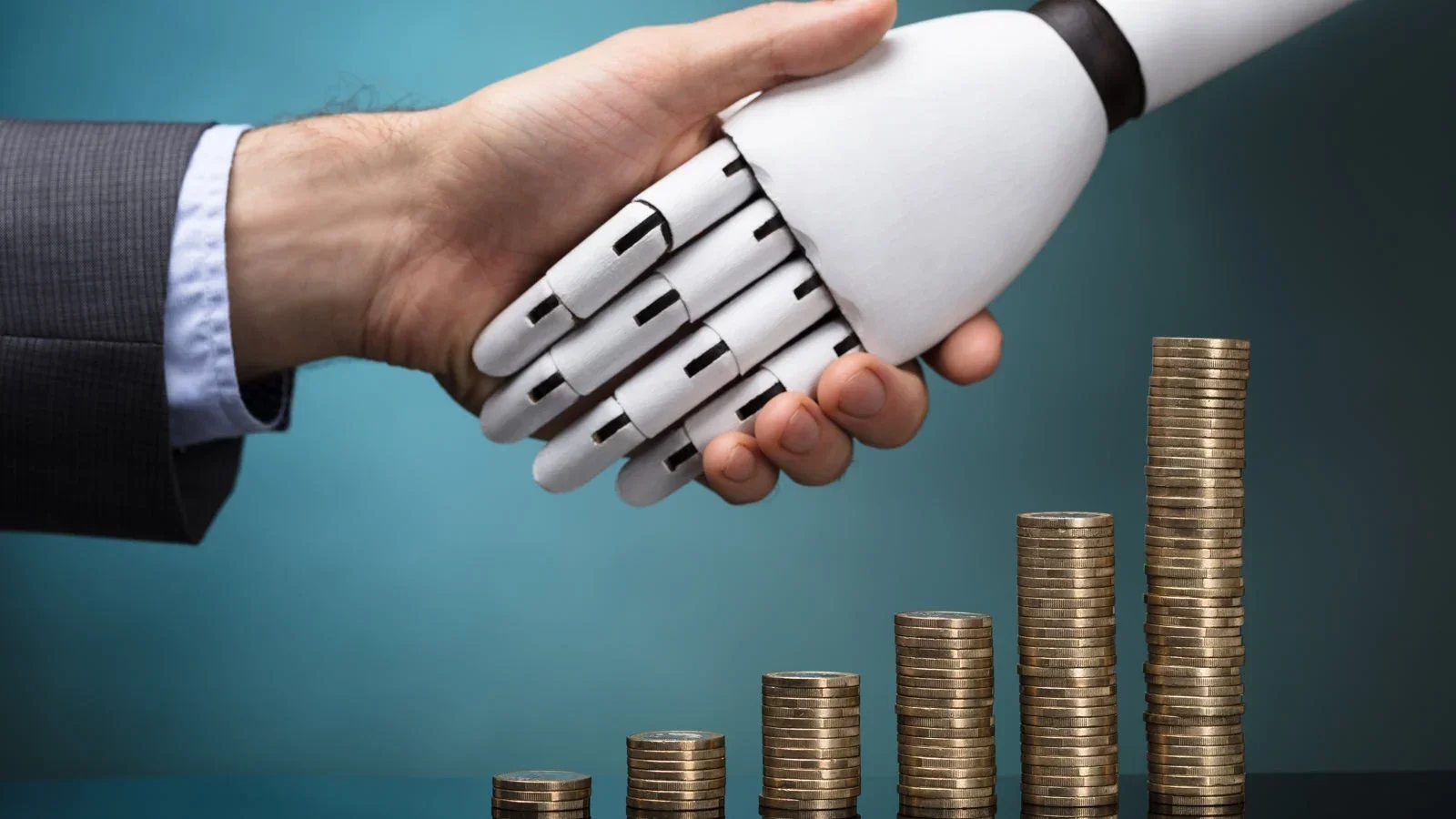
Imagine a world where robots and AI eliminate poverty entirely, making high-income access universal. Yet, even in this era of limitless resources, battles over prime locations like beachfront property could redefine competition and ownership.
Key Takeaways
Universal high income emerges when labor, energy, and materials cost nothing, thanks to AI, robots, solar power, and asteroid mining.
Physical goods become infinite, but locations tied to geography, history, and authenticity remain scarce.
Instant transportation via tunnels, electric aircraft, and high-speed transit could decentralize value, making remote living as convenient as urban hubs.
Without money, allocation of rare assets might shift to reputation, contributions, or even robot armies, potentially locking in current inequalities.
The transition risks unemployment, asset bubbles, and political fights over land rights and robot control.
Human nature's drive for status and exclusivity may persist, turning competition toward new forms like bot legions or social credits.
The Dawn of Optional Work: AI, Robots, and Humanity's Next Leap
Redefining Existence in a World of Infinite Possibility
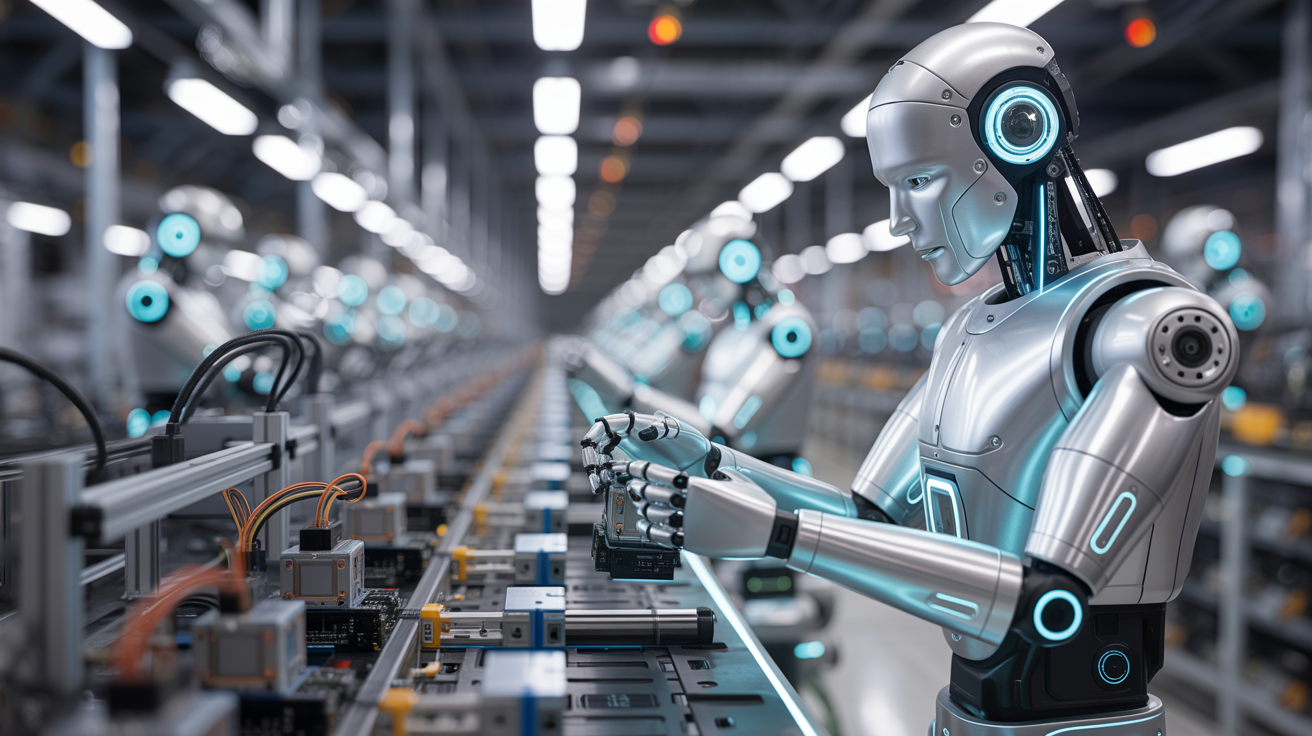
The rapid evolution of AI and robotics is set to transform society, making traditional jobs optional while pushing humanity toward multi-planetary sustainability. At the core lies a vision where technology ensures abundance, but challenges like population decline threaten long-term progress.
Key Takeaways
AI and robotics advancements could make working optional within 10-20 years, turning jobs into hobbies much like gardening today.
Becoming a multi-planetary species ranks among the top evolutionary milestones, ensuring redundancy against planetary catastrophes.
Future economies may shift to universal high income, where competition focuses on relative status rather than survival needs.
Population decline poses a risk to expanding human consciousness, as more people increase the chances of unlocking universal truths.
Leadership in tech involves building trusted teams that act as extensions of visionary minds, enabling massive scale in projects like rockets and robots.
Early Mars settlements will be harsh and dangerous, akin to historical frontiers, requiring mission-driven pioneers.

Tesla's Drone Revolution: Partnering with SpaceX to Dominate the Skies
Why This Could Be the Next Big Leap in Autonomous Tech and National Security
Tesla stands on the brink of transforming the commercial drone market by leveraging its battery expertise and teaming up with SpaceX for advanced materials and aerodynamics. This move could challenge China's dominance, boost U.S. security, and pave the way for flying vehicles.
Key Takeaways
Tesla's low-cost, high-density batteries give drones longer flight times and better efficiency than competitors.
SpaceX's lightweight materials and aerodynamic designs from rockets can create stronger, lighter drone frames and propellers.
Tesla's electric motor production scales easily to drones, enabling high-torque, reliable performance at lower costs.
Integrating Tesla's full self-driving AI allows for fully autonomous drones that navigate complex environments without human input.
Entering the drone market addresses China's control over commercial drones, reducing national security risks for U.S. businesses and governments.
Drones serve as a low-risk testing ground for electric vertical takeoff and landing vehicles, accelerating urban air mobility.