
SpaceX’s $2 Trillion IPO: The AI Infrastructure Empire Hiding in Plain Sight
A single $15 billion annual compute contract is about to flip the entire narrative on the company’s reported losses—and reveal why this might be the most important public offering of the decade.
SpaceX has filed its S-1 for what is set to become the largest IPO in history, targeting a valuation near $2 trillion. While headlines fixate on last year’s nearly $5 billion loss, the filing exposes a far more strategic picture: a company that has evolved into three distinct businesses, with Starlink generating massive cash flow to bankroll an aggressive push into AI compute infrastructure—including orbital data centers that could solve Earth’s crippling power and cooling constraints.
Key Takeaways
SpaceX is on track for the biggest IPO ever, raising potentially three times more capital than Saudi Aramco’s 2019 record at a $2 trillion-plus valuation.
Anthropic has committed to paying SpaceX $1.25 billion every month—$15 billion per year—through May 2029 for exclusive access to its AI compute capacity.
The company now reports in three segments: Space (rockets), Connectivity (Starlink), and AI (data centers and related operations acquired via xAI).
Starlink delivered $11 billion in 2025 revenue—61 percent of total company sales—with $4 billion in operating income and roughly 63 percent adjusted EBITDA margins on a hardware business.
Starlink grew nearly 50 percent year-over-year, now serves 10 million subscribers in 164 countries, and powers direct-to-cell service for millions of devices monthly.
The AI segment, currently showing operating losses, is positioned to swing sharply profitable once the Anthropic revenue begins flowing, potentially making the entire company profitable as early as 2026.
SpaceX plans to launch orbital AI compute satellites as early as 2028, leveraging constant solar power and infinite heat dissipation in space.
Elon Musk will retain overwhelming voting control post-IPO through a dual-class share structure, ensuring long-term focus on Mars colonization.
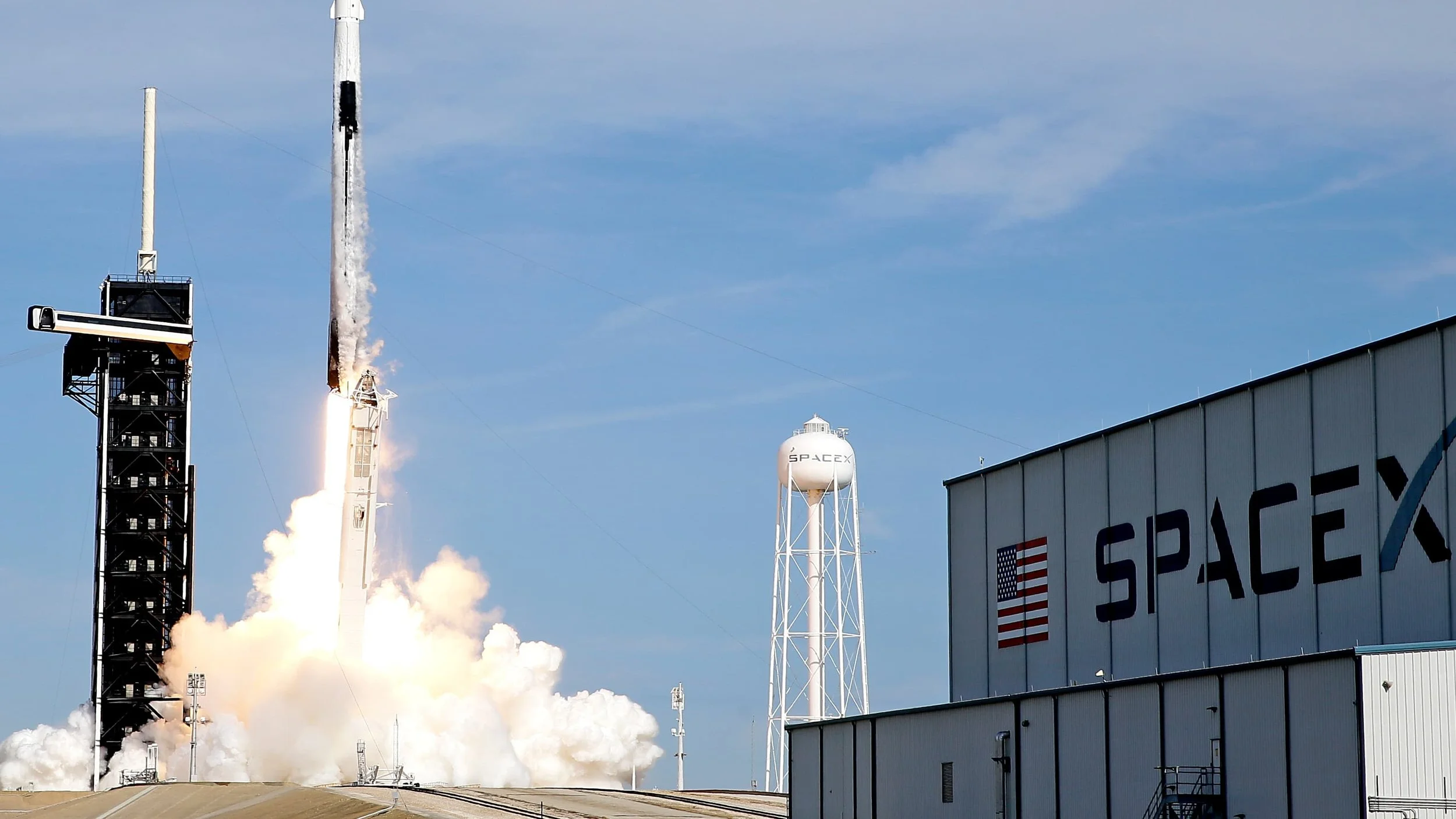
SpaceX’s IPO Isn’t About Rockets Anymore
The $15 Billion Anthropic Deal That Turns a $5 Billion Loss Into the Blueprint for AI Infrastructure Dominance
SpaceX just filed the paperwork for what could be the largest IPO the world has ever seen, and the numbers look wild at first glance: nearly $5 billion in losses last year. But buried inside the filing is a single customer agreement that rewrites the entire narrative. One of the top AI labs on the planet has committed to paying SpaceX roughly $15 billion a year for computing power through 2029. That deal alone flips the story from “expensive rocket company bleeding cash” to “picks-and-shovels supplier for the AI gold rush with a high-margin cash engine already in orbit.”
Key Takeaways
SpaceX now operates as three distinct businesses: traditional space launches, Starlink satellite internet, and a fast-growing AI compute division powered by massive data centers.
• Starlink delivered $11 billion in revenue in 2025 (61% of total company revenue) and generated more than $7 billion in adjusted cash flow at roughly 63% margins.
• A single AI customer, Anthropic, signed on for $1.25 billion per month in compute revenue through May 2029, instantly turning the AI segment into a potential profit center.
• The rocket business is still investing heavily in Starship (nearly $3 billion in R&D last year), but Falcon 9 operations remain solidly profitable and will soon be joined by paying Starship missions in the second half of 2026.
• Orbital data centers are on the roadmap for 2028, solving Earth’s power-grid and cooling bottlenecks with unlimited solar energy and infinite radiator space in vacuum.
• The company ended March 2026 with $15 billion in cash after a heavy burn quarter, but incoming AI revenue streams are expected to slow or reverse that trend rapidly.
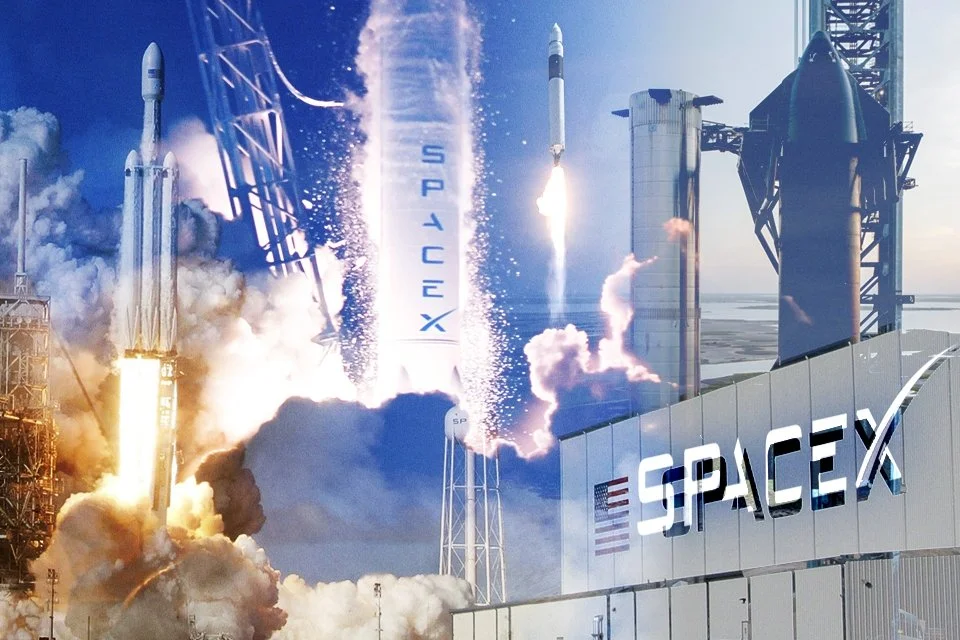
SpaceX at $2 Trillion: The Rocket Company That's About to Reshape Everything
Starship's cost revolution, Starlink dominance, and the potential Tesla merger signal the dawn of a multi-trillion-dollar space and AI empire.
SpaceX's confidential filing for a roughly $2 trillion valuation isn't just big news for investors. It marks the moment a private rocket company becomes one of the most valuable businesses on Earth, potentially raising $50–75 billion in the largest IPO in history. The numbers tell only part of the story. This is a company that already controls the majority of commercial launches, runs the world's largest satellite internet network, and is preparing to open entirely new frontiers in orbital computing, manufacturing, and global logistics through Starship.
Key Takeaways
SpaceX now handles 82% of the global commercial launch market and completed 165 Falcon 9 missions in 2025 alone.
Starlink has grown into the company's main business, with more than 10,000 satellites serving over 9 million paying subscribers and generating roughly $10–12 billion of the company's $15–16 billion total revenue last year.
Starship targets launch costs of $10–100 per kilogram to orbit—30 to 300 times cheaper than today's Falcon 9—through full reusability of both stages.
The economics unlock orbital AI data centers, space-based pharmaceutical and materials manufacturing, point-to-point Earth transport in under 45 minutes, and space solar power systems.
A $25 billion joint chip fabrication plant with Tesla and xAI already under construction in Texas will devote 80% of its output to space and orbital applications.
Merger speculation with Tesla could combine EVs, humanoid robots, AI training infrastructure, global satellite communications, and reusable rockets into a single vertically integrated entity.
The IPO would create thousands of new millionaires among employees while opening ownership to everyday retail investors for the first time.
The move strengthens U.S. strategic positioning in the renewed space race against rapidly advancing international competitors.
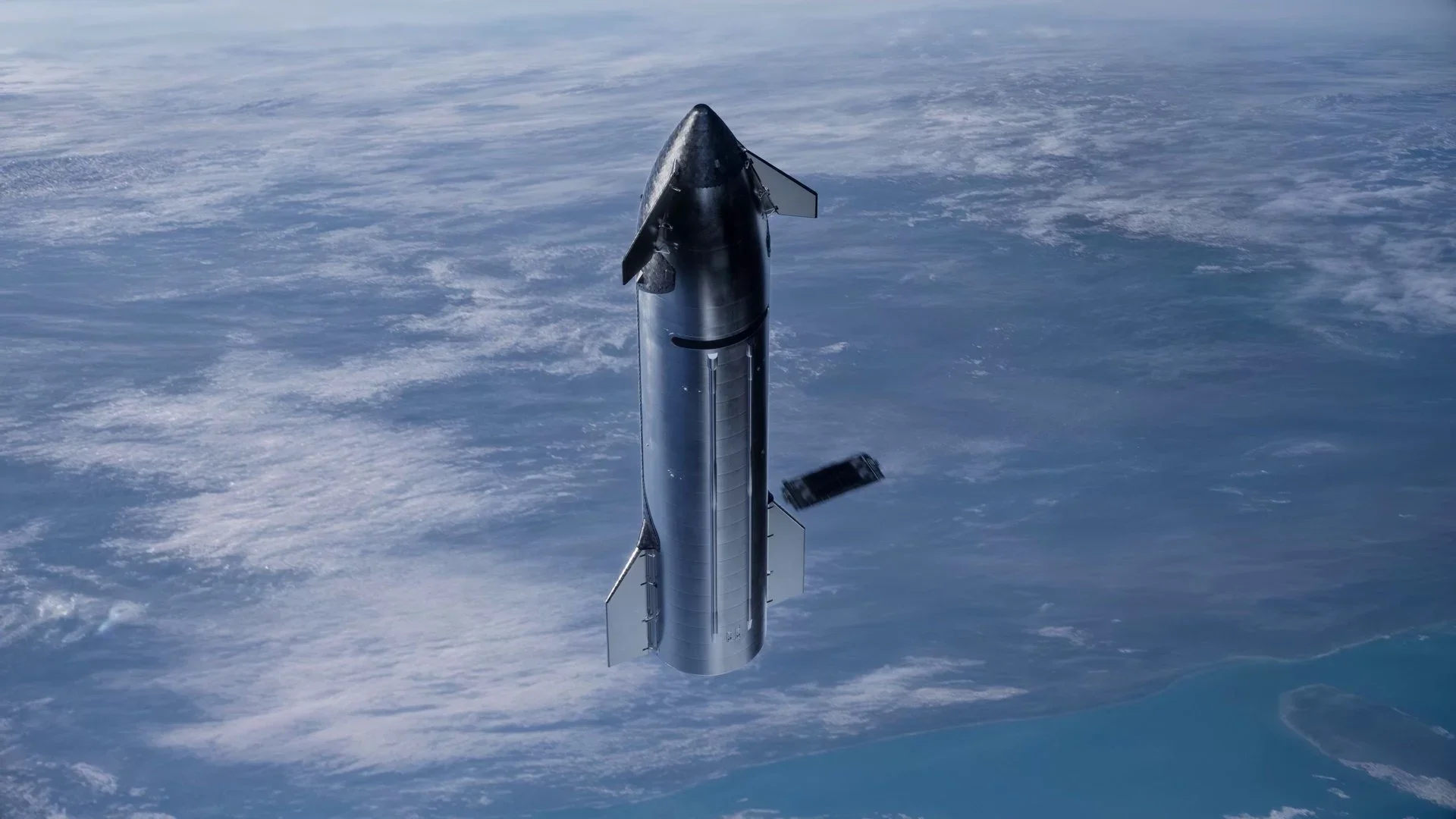
Unlocking the Stars: Starship, Orbital AI, and the Human Purpose Puzzle
Reusable rockets are set to slash space costs by orders of magnitude, opening orbital factories and AI compute clusters while automation quietly rewires human skills and identity—yet geopolitics in the Middle East and Eastern Europe supplies the friction that could accelerate it all.
SpaceX’s push toward full Starship reusability stands to repeat the shipping container breakthrough that cut ocean freight costs by 95 percent and turned global trade into an everyday reality. That single innovation let manufacturing shift to low-cost regions and built the modern supply chains powering everything from consumer electronics to pharmaceuticals. The same dynamic is now poised for orbit: cheap, frequent launches make zero-gravity factories practical for products ruined by Earth’s atmosphere or gravity, while solar-powered data centers in space could host the next leap in AI inference without terrestrial power or cooling limits.
Key Takeaways
Starship reusability could deliver a 100x to 1,000x jump in payload-to-orbit capacity, mirroring how standardized containers enabled globalization and China’s manufacturing dominance.
Orbital manufacturing becomes viable for gravity-sensitive processes such as advanced pharmaceuticals, while space-based AI inference clusters bypass Earth’s energy and heat constraints.
A successful reusable fleet at scale supports multi-trillion-dollar valuations only if it pairs with rapid earnings growth from new markets like orbital compute and global launch services.
Tesla’s near-term profit ramp may outpace SpaceX post-IPO, making the latter a longer-horizon bet dependent on two breakthroughs: full reusability and orbital AI revenue.
AI cognitive offloading already erodes routine skills—phone numbers, map reading, household chores, driving—freeing mental bandwidth for higher-order thinking but raising questions about identity and purpose.
Humans naturally invent new forms of friction through hobbies, creative arts, athletics, and philosophical structures to preserve meaning even in an age of abundance.
Geopolitical tensions, from record Russian casualties in Ukraine to Iran’s internal regime pressures, create short-term chaos that could reshape energy markets and tech supply chains while spurring innovation.
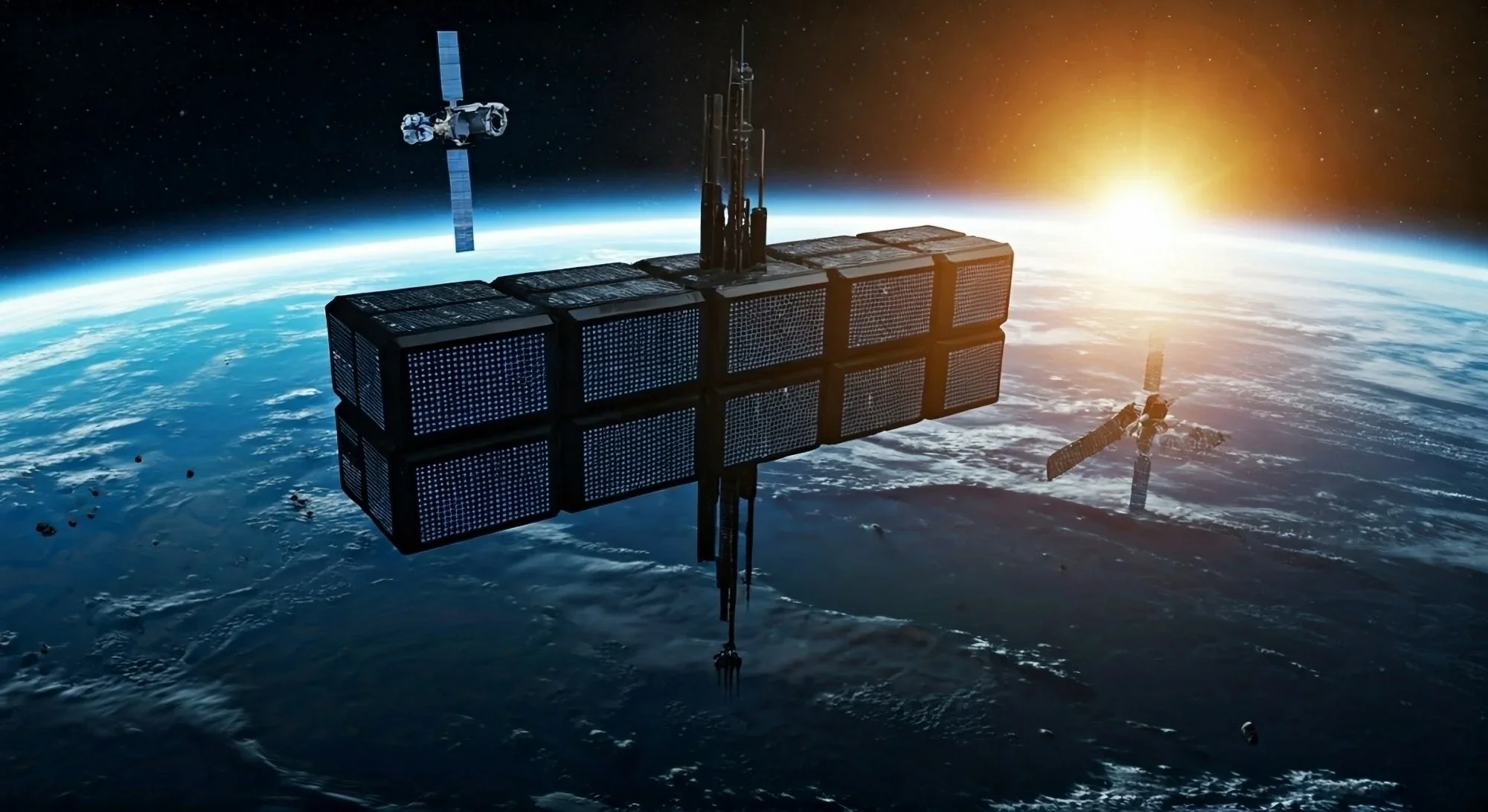
America's Orbital Empire: Securing Dominance for the Next Century
Why space infrastructure is America's unbeatable edge in resources, intelligence, and innovation.
America faces real challenges like mounting debt and shifting manufacturing landscapes, yet a massive shift is underway that positions the country to lead globally for generations. Advances in reusable rockets, satellite networks, and space-based computing are creating an infrastructure that unlocks infinite potential, from unlimited energy to rare resources, all while no other nation can keep pace.
Key Takeaways
America's lead in reusable launch technology enables cheap, scalable access to space, outpacing competitors who lag years behind.
Space-based data centers offer unlimited solar power and zero cooling costs, ideal for training advanced AI models.
Asteroid mining could eliminate bottlenecks in rare earth elements, breaking monopolies and fueling tech manufacturing.
Moon bases will serve as low-gravity launchpads, making deep space exploration and resource extraction far more efficient.
A Mars colony ensures long-term human survival, embedding American tech and values in off-world expansion.
This space ecosystem creates a self-reinforcing loop: better AI designs improved space tech, which enables more compute.
Innovations from space will improve Earth-based systems in internet access, medicine, energy, and sustainability.
Traditional metrics like GDP miss the point; space control redefines global power.
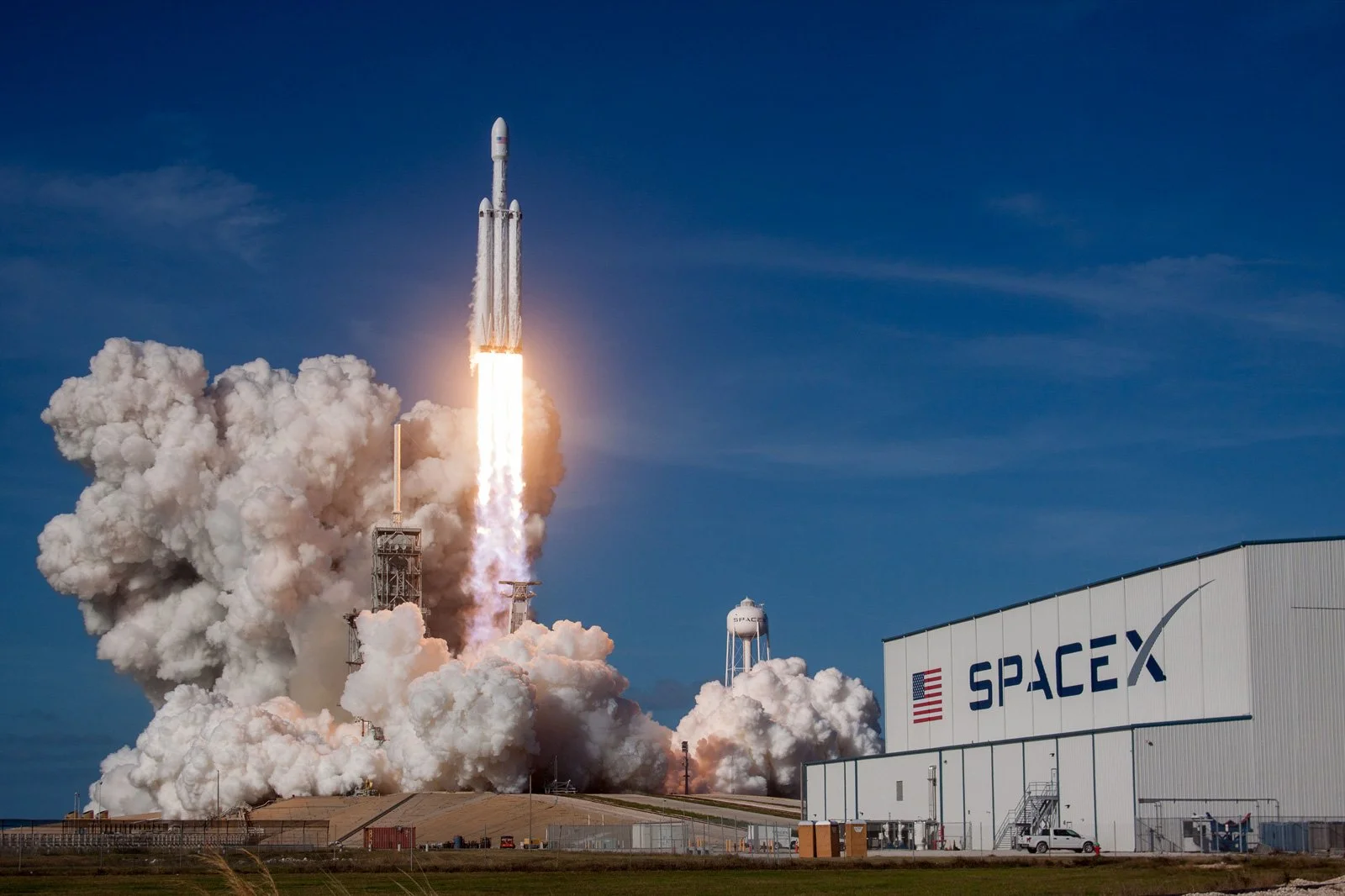
SpaceX's Sky-High Ambitions: The Dawn of a Trillion-Dollar Era
Revolutionizing Space Tech and Unlocking AI's Infinite Potential Through Massive Rockets and Orbital Data Centers
SpaceX stands on the brink of transforming not just space travel but the entire landscape of AI and computing. With a potential IPO in 2026 poised to shatter records, the company's trajectory highlights how reusable rockets and space-based AI could solve Earth's energy crises while creating unprecedented investment opportunities in private tech.
Key Takeaways
SpaceX's valuation has nearly doubled annually since 2002, reaching $350 billion in 2024 and potentially hitting $500-800 billion by 2025, driven by Starlink and emerging AI applications in space.
Starship's reusability and massive payload capacity—up to 400 tons to orbit—will slash launch costs dramatically, enabling frequent missions and making space accessible for new industries.
Solar-powered AI satellites in sun-synchronous orbits offer constant energy and efficient heat dissipation, bypassing earthly power bottlenecks for data centers and inference computing.
Investing in private companies like SpaceX requires a rigorous process evaluating market size, team capability, execution risks, and capital needs, with high rewards offsetting potential failures.
Competitors in satellite communications and AI will rely on SpaceX launches, reinforcing its dominance while fostering an open ecosystem for space innovation.
Blue Origin and Chinese rivals are advancing reusable tech, but lag behind Starship's scale and efficiency, setting up a duopoly in global launches.
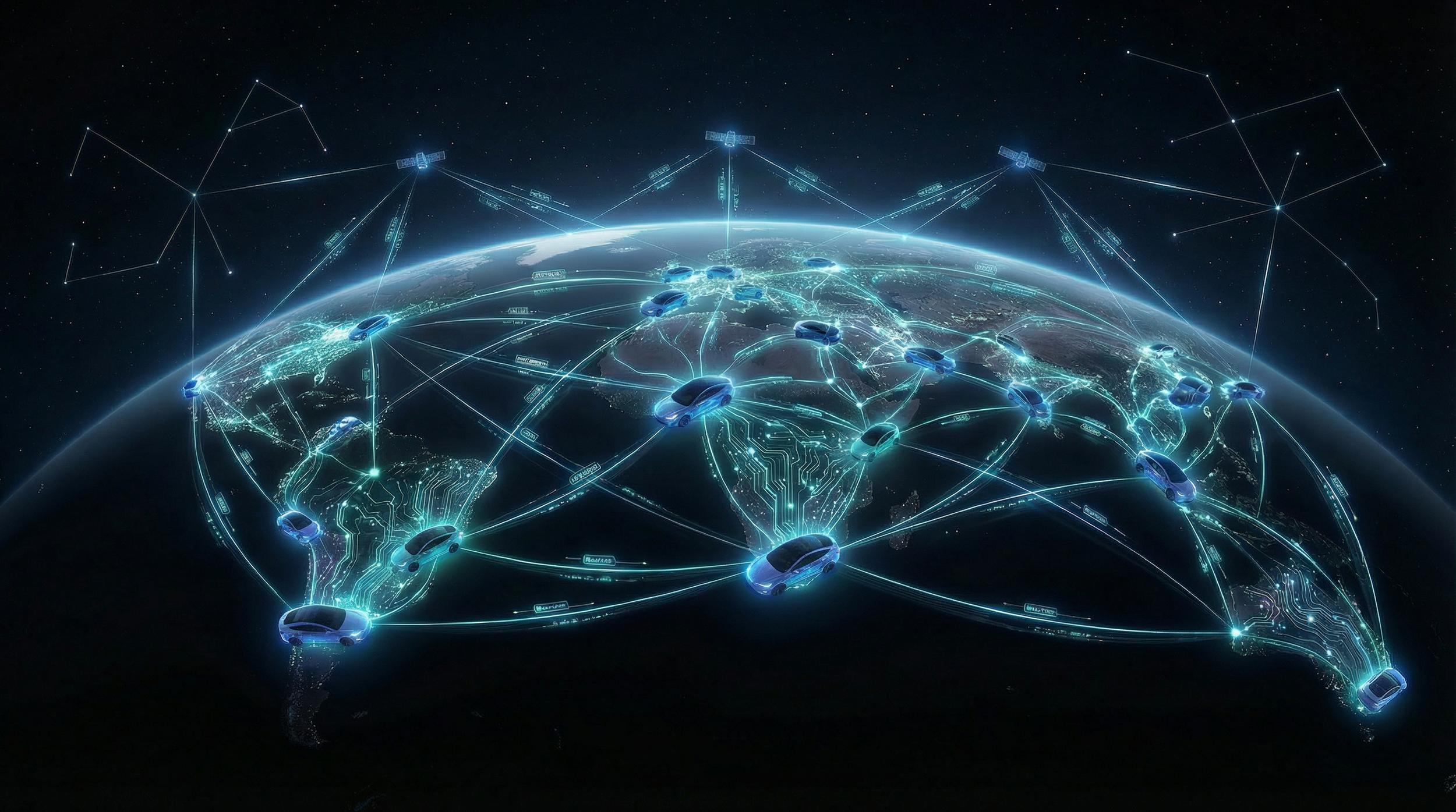
Tesla's Secret Weapon: Turning Cars into the World's Largest AI Network
Revolutionizing Compute Power Through Idle Vehicles and Satellite Connectivity
Imagine a future where millions of electric cars, sitting idle in garages worldwide, form the backbone of a massive AI processing empire. This isn't science fiction—it's a strategic pivot that could redefine computing infrastructure, leveraging existing hardware in ways the market hasn't priced in yet.
Key Takeaways
Tesla's vehicle fleet could evolve into a distributed AI inference system, harnessing unused computing power from parked cars to create a network rivaling major data centers.
With projections of 100 million vehicles, each contributing around a kilowatt of inference capability, this setup might deliver up to 100 gigawatts of compute—equivalent to a significant portion of U.S. power consumption.
Built-in power and cooling systems in electric vehicles solve key data center challenges, making this approach cost-effective and scalable.
Data transfer bottlenecks via traditional Wi-Fi or cellular networks hinder viability, but satellite-based internet offers high-bandwidth, low-latency solutions for seamless coordination.
Integration of satellite tech could enable consistent global connectivity, turning theoretical potential into practical reality for AI workloads.
Challenges include workload allocation, owner incentives, security, and focusing on inference tasks that suit distributed environments over centralized training.

Tesla's AI Revolution
Redefining Machine Intelligence Through Observation and Scale
Tesla's latest robotics demo shows how AI can learn tasks by simply watching humans, marking a pivotal change in robot training. This method speeds up deployment while making machines more versatile, and it's powering advancements in self-driving cars too. Combined with massive manufacturing capabilities, this could make intelligent robots affordable and widespread, reshaping industries as regulations begin to catch up.
Key Takeaways
Robots can now learn complex tasks from video demonstrations, eliminating the need for manual programming and accelerating their adaptability.
The same AI system enhances self-driving vehicles by processing visual data to handle intricate driving situations more effectively.
Large-scale manufacturing experience enables cost-effective production of advanced robots, potentially driving down prices through high-volume output.
Evolving regulations, including potential federal frameworks, are paving the way for broader adoption of autonomous technologies.
This integration positions AI as a core driver across products, from vehicles to industrial equipment, signaling a broader shift in human-machine collaboration.