
Elon's Empire Expands: The SpaceX-xAI Merger Ignites a New Era
Revolutionizing AI, Space Tech, and Global Innovation Through Bold Consolidations
The tech world just witnessed a lightning-fast merger between SpaceX and xAI, turning rumors into reality overnight. This move signals massive shifts in how advanced AI integrates with space infrastructure, paving the way for breakthroughs in compute power, robotics, and national security assets. Readers will discover how these changes could reshape industries from agriculture to defense, with practical implications for efficiency and scalability.
Key Takeaways
SpaceX and xAI's merger accelerates AI-driven advancements in space tech, potentially enabling massive inference compute via satellite networks.
Optimus robots promise versatile skills learned through global networks, with business models likely favoring subscriptions over complex tiered pricing.
AI agents are evolving to handle context without creep, allowing seamless integration across tools like drones and VR for real-world applications.
Tesla's focus on U.S.-based factories hints at prioritizing national security, limiting expansion in markets like China and Europe.
Future data centers in space could outpace earthly ones economically, drawing investments from giants like Google and Nvidia.
AI's role in fields like plant breeding could speed up innovations, such as perennial grains, reducing agricultural labor dramatically.
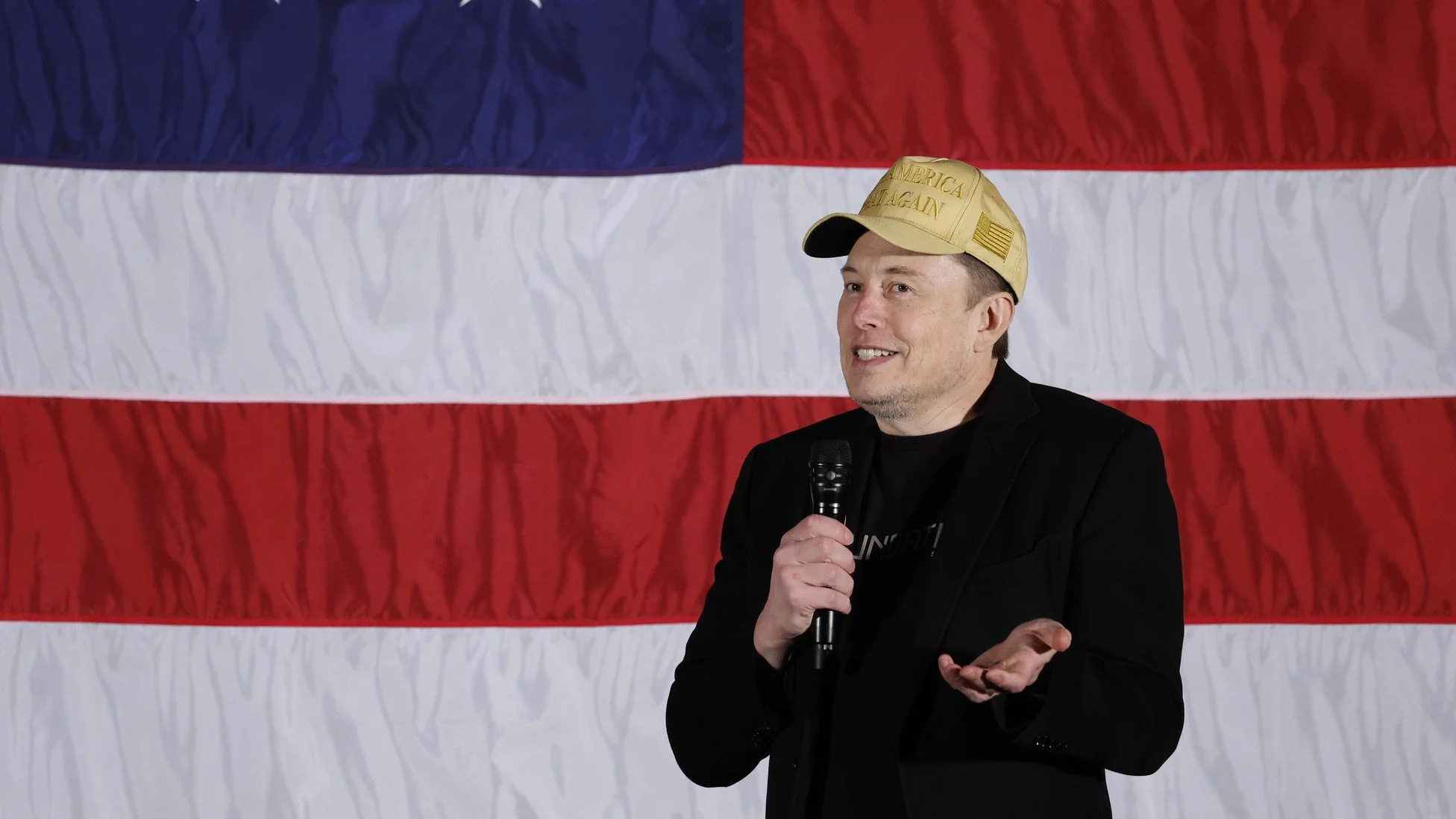
The Visionary Powerhouse Reshaping America’s Future
How One Innovator’s Drive Fuels National Security and Global Progress
The United States stands at a pivotal moment in technological and industrial advancement, driven by a singular force whose impact spans electric vehicles, space exploration, and global connectivity. This individual’s ability to challenge conventional approaches, prioritize purpose over profit, and execute on an unparalleled scale has redefined what’s possible for American innovation. From revolutionizing transportation to securing national interests through space and communication technologies, the ripple effects of this work are profound and far-reaching.
Key Takeaways
Catalyst for Innovation: Without this visionary, critical advancements in electric vehicles, space exploration, and artificial intelligence might have been delayed by decades, stalling U.S. progress.
National Security Asset: The development of American-made rockets and global communication networks strengthens the country’s strategic position.
First Principles Thinking: By rejecting traditional research methods and focusing on fundamental truths, this leader has disrupted stagnant industries.
Purpose-Driven Leadership: A relentless focus on existential goals, like making humanity multi-planetary, drives unmatched productivity and impact.
Accessibility and Transparency: Unlike many global leaders, this figure engages directly with the public, fostering trust and inspiring entrepreneurs.

China's Manufacturing Muscle: The Battle for Tech Supremacy in a Divided World
Why the US must rethink dependencies on batteries, EVs, and rare earths before it's too late.
China now produces one-third of the world's manufactured goods, a figure projected to hit 50% by 2030. This dominance extends into electric vehicles, batteries, and critical materials that power everything from drones to AI data centers. As tensions escalate, the US faces a pivotal choice: deepen codependence or pursue isolation to safeguard national security and innovation.
Key Takeaways
China controls 90% of global magnet production and dominates battery supply chains, giving it leverage over EVs, renewable energy, and next-gen tech like humanoid robots and fighter jets.
EV sales in China have exploded from 5% of the market in 2020 to 50% this year, reaching 13 million units annually—driven by subsidies and a shift to domestic brands.
The US lags 10-25 years behind in battery and magnet tech; without rapid investment, assembly plants could shut down due to restricted access to materials.
AI and robotics amplify risks: cheap, Chinese-made humanoid robots could pose spying threats in homes and factories, while energy-hungry data centers rely on China's solar and storage dominance.
Negotiations highlight US vulnerabilities in pharmaceuticals, electronics, and autos; outcomes may split the world into democratic and authoritarian blocs, with Mexico, Canada, Europe, Japan, and Korea as key allies.
Europe's auto market is already infiltrated, with over 10% of new sales from Chinese brands like MG and Zeekr, often disguised as local acquisitions.
US innovation in AI chips and autonomous tech provides leverage, but internal distractions like political infighting and consumerism could erode advantages unless automation is embraced aggressively.