
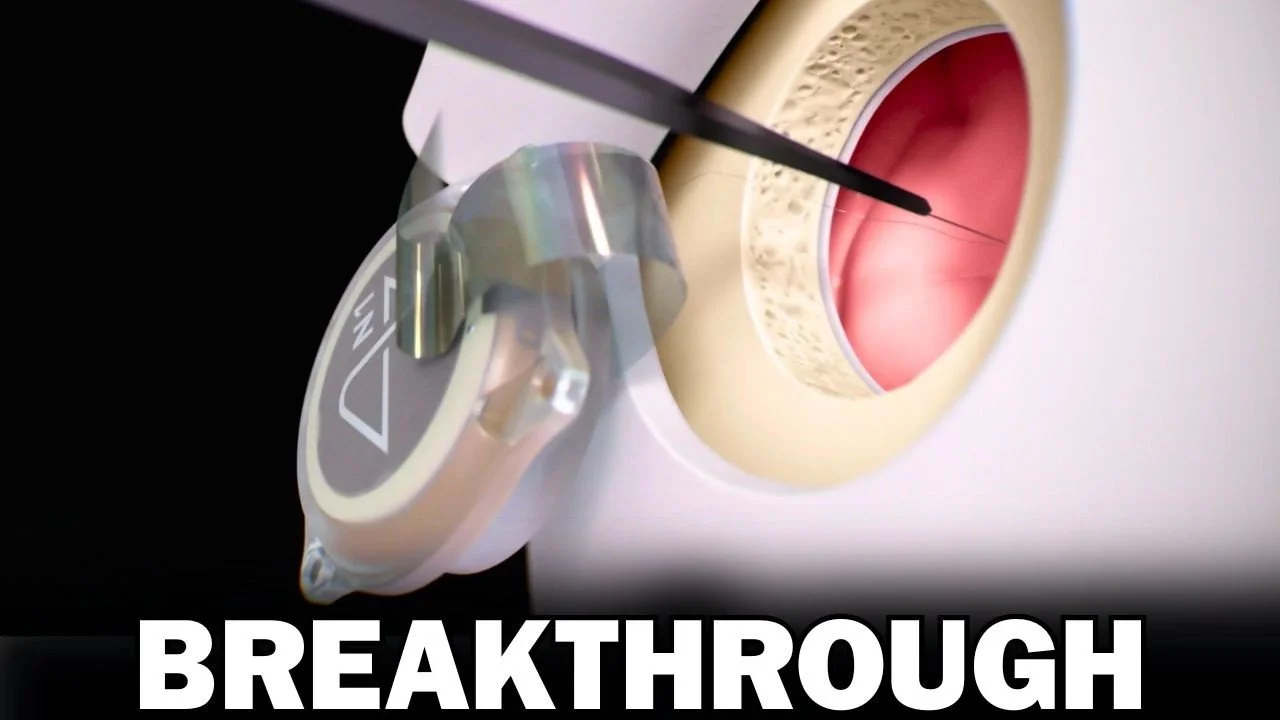
Neuralink Performs Its First Brain Implant Without Cutting the Dura
In May 2026, at Toronto’s UHN alongside neurosurgeon Andres Lozano, the company drove electrode threads straight through the brain’s toughest membrane, using a vein-injected dye and a laser depth-sensor to see and steer where the surgeon is now working blind.
The Master Plan You Can't Unsee: Wiring Civilization's Next Foundation
How energy systems, self-driving fleets, humanoid robots, satellite networks, and orbital infrastructure are stacking into one coherent architecture for abundance—and why Mars ambitions are already reshaping what is possible on Earth.
A single Tesla completing a 13,000-mile coast-to-coast journey on full self-driving in January 2026 without any human intervention on the controls was more than an autonomy milestone. It marked the visible activation of something larger: a stacked foundation of technologies now advancing in parallel across energy, transport, labor, intelligence, connectivity, and space. The most valuable pattern is not any single product but the way these layers reinforce one another, with physics-first requirements for multi-planetary settlement acting as the forcing function that accelerates practical progress everywhere else. Cost curves in AI, robotics, and solar are collapsing at the same moment, pointing toward a period where intelligence, physical work, and energy become abundant enough to reorder how economies measure value.
Key Takeaways
Eight interlocking layers—energy generation and storage, physical transport, humanoid robotics for labor, AI agents for knowledge work, frontier model intelligence, global satellite networks, off-world transport, and direct brain-computer interfaces—are being built together rather than as isolated bets.
Reusable orbital-class rockets and mass-market electric vehicles both moved from expert consensus of impossibility to routine operation, showing that compressed timelines often precede large-scale delivery once the underlying engineering locks in.
Hardware and data integrations across projects, such as satellite antennas embedded in vehicle roofs, energy storage powering training clusters, and vehicle fleets supplying training data for robots, create closed loops that multiply progress beyond what any single company could achieve alone.
The requirement to settle Mars drives demand for electric propulsion, robotic construction crews, subsurface habitats, and reliable interplanetary links—technologies that simultaneously relieve energy, labor, infrastructure, and connectivity constraints on Earth.
Observed cost trajectories show AI inference dropping by roughly 36 times in two years, robotic labor approaching a couple of dollars per hour at scale, and solar generation costs having already fallen 99 percent over recent decades, with further declines continuing.
Physical infrastructure at new orders of magnitude, including chip fabrication targeting 100–200 billion specialized AI units per year and launch costs falling toward $10–100 per kilogram to orbit, is enabling both terrestrial AI expansion and space industrialization at the same time.
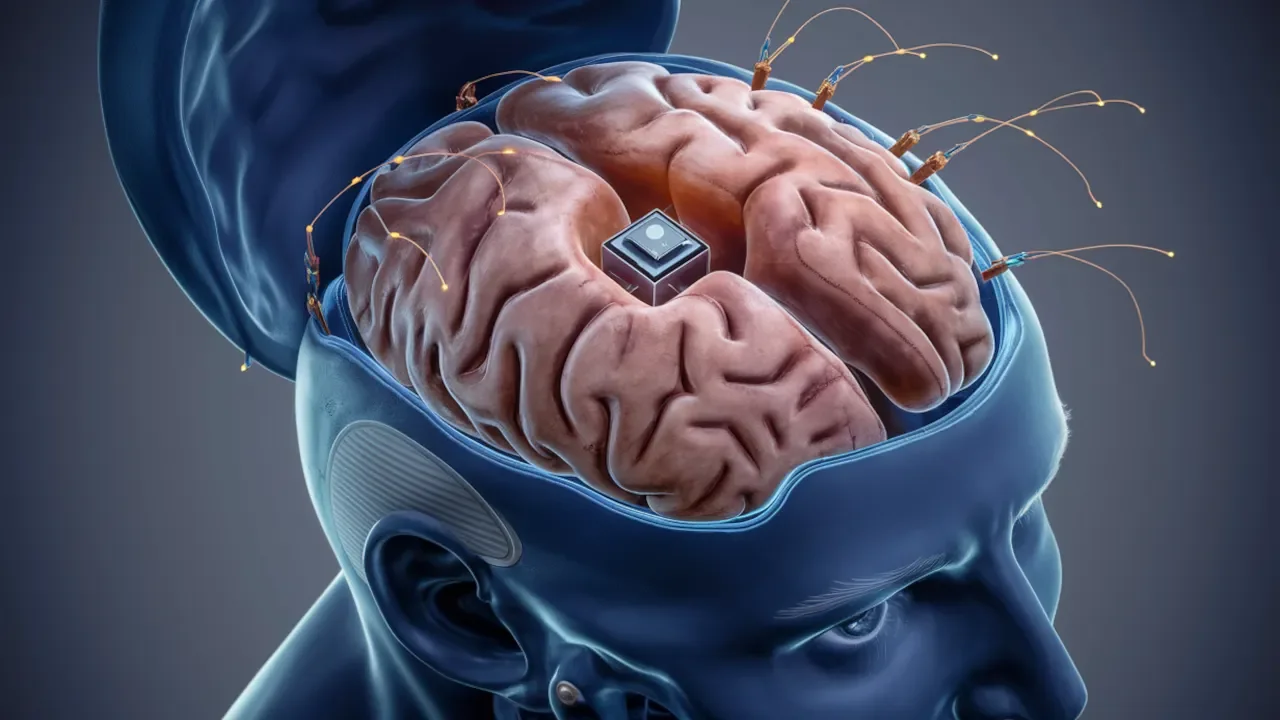
Mind-Powered Speech: How Brain Implants Are Restoring Voices Lost to ALS
A single neural device now decodes thoughts into fluent, personalized words—bypassing damaged nerves entirely and handing independence back to patients who once faced total silence.
Brain-computer interfaces have crossed a critical threshold. They now let people with advanced ALS generate clear speech simply by intending to talk, using a voice that sounds exactly like their own from before the disease took hold. The result is not just communication—it is restored identity, reduced exhaustion, and a direct bridge from brain to the world.
Key Takeaways
The implant records activity from thousands of individual neurons in the brain’s speech motor cortex at once, translating raw signals into synthesized words without any muscle movement.
Patients produce speech by silently mouthing or simply thinking the words, eliminating the fatigue and frustration that come with trying to force damaged vocal muscles.
Voices are rebuilt from pre-illness recordings, so loved ones hear the exact tone and personality they remember from years earlier.
Calibration happens quickly through guided sentence practice, with models improving from near-zero accuracy to fluent output in a single session.
Users gain immediate practical control—turning on lights, playing games, or holding extended conversations—while also contributing real-time data that accelerates future versions.
The entire experience is low-burden: same-day discharge after surgery, home charging, and an app that keeps everything intuitive.

AI's Double-Edged Sword: Revolutionizing Creativity and Redefining Humanity
Navigating the explosion of AI tools that empower creators while reshaping society, work, and even consciousness.
AI is reshaping how people build online businesses, from music education to broader content creation, while sparking debates on privacy, addiction, and the essence of human experience. This newsletter dives into practical strategies for leveraging these tools today and explores the profound shifts they could bring tomorrow—offering actionable insights for anyone eyeing the tech frontier.
Key Takeaways
Start content creation by focusing on genuine passion and audience needs, using simple setups like a camera to demonstrate value upfront.
Treat free platforms as marketing arms that deliver real lessons or insights, leading viewers naturally toward paid offerings like subscriptions or one-on-one sessions.
AI excels at analyzing personal styles and generating new ideas, but its true power emerges when users clearly define problems and experiment deeply.
Future AI agents could automate product searches, negotiations, and reputation checks, transforming how consumers find and buy solutions.
Privacy concerns loom large as AI synthesizes vast personal data, potentially creating tailored realities that deepen societal divides.
Authenticity in content will stand out in an AI-saturated world, fostering human connections amid increasing digital isolation.
Neuralink-like tech could expand human memory and cognition, but risks dependency and evolutionary changes in brain function.
Consciousness might blend with silicon, raising questions about whether AI develops independent will or remains an extension of human intent.
Genetic entropy poses a hidden extinction risk, potentially outpacing threats like asteroids through accumulated mutations in the human genome.
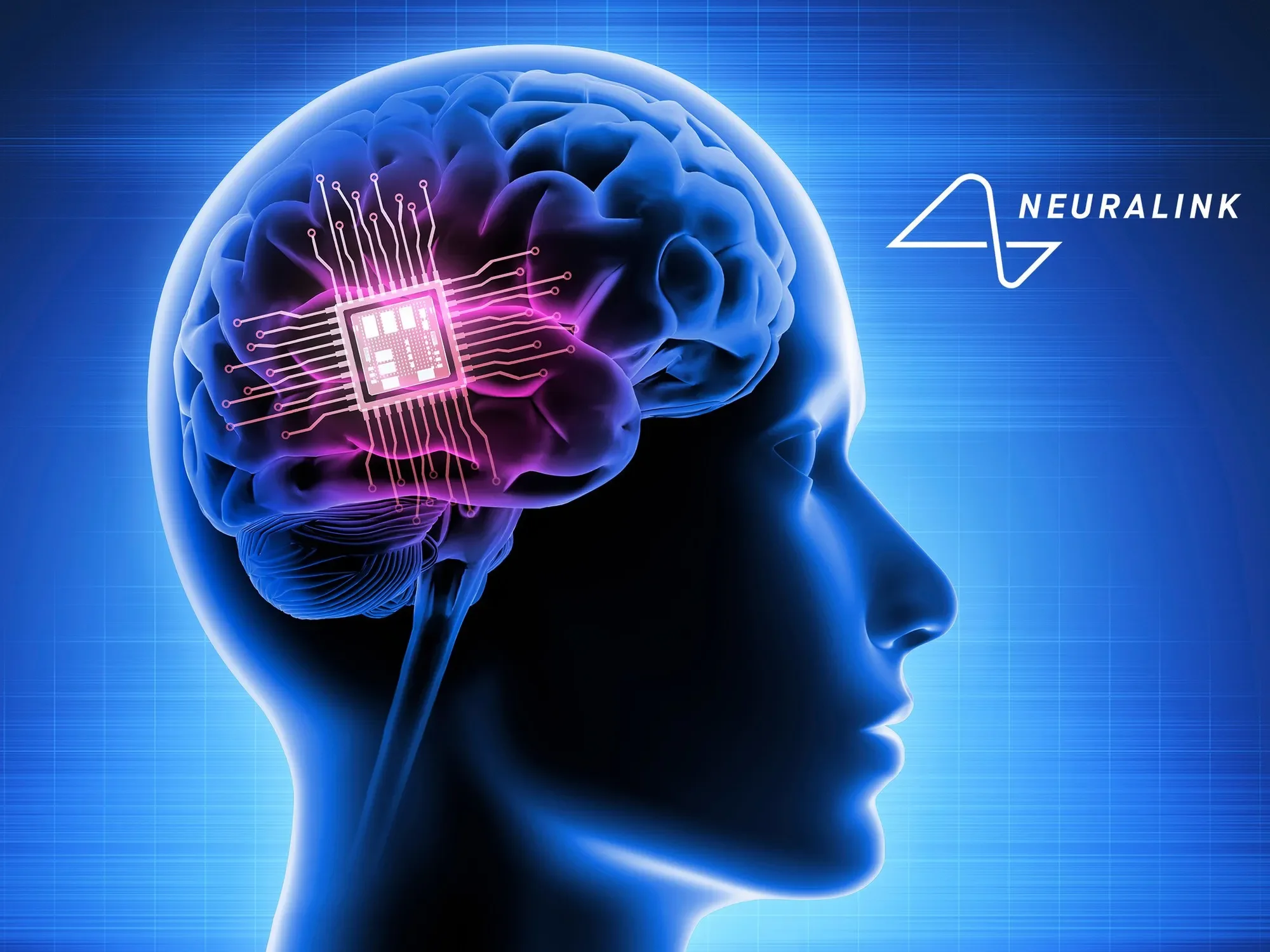
Neuralink's Leap: From Sci-Fi to Everyday Reality
Unlocking Human Potential Through Brain-Machine Fusion
Neuralink is pushing boundaries in brain-computer interfaces, turning paralysis into possibility and aiming for full brain connectivity. With rapid advancements in implants, robotics, and decoding, the tech promises to restore lost functions and enhance cognition, all while scaling to help thousands.
Key Takeaways
Neuralink's first product enables quadriplegic users to control devices like computers and phones purely through thought, with average daily usage reaching eight hours.
The company has implanted devices in 13 people as of late 2024, focusing initially on spinal cord injuries and ALS, with plans to expand to restoring sensation, speech, and vision.
Surgical robots insert ultra-thin threads into the brain, avoiding blood vessels, with future versions targeting faster, more reliable procedures under one hour.
Implants feature 1,000 channels for neural recording, wireless charging, and data compression to transmit signals via Bluetooth, but scaling to higher channel counts demands innovations in power, packaging, and compression.
Decoding algorithms convert brain spikes into actions like cursor movement in 15-20 minutes of calibration, though ongoing drift requires robust, self-adapting ML models.
Long-term vision includes whole-brain interfaces for treating psychiatric disorders, augmenting abilities, and exploring the brain's inner workings, backed by vertical integration from chip design to manufacturing.
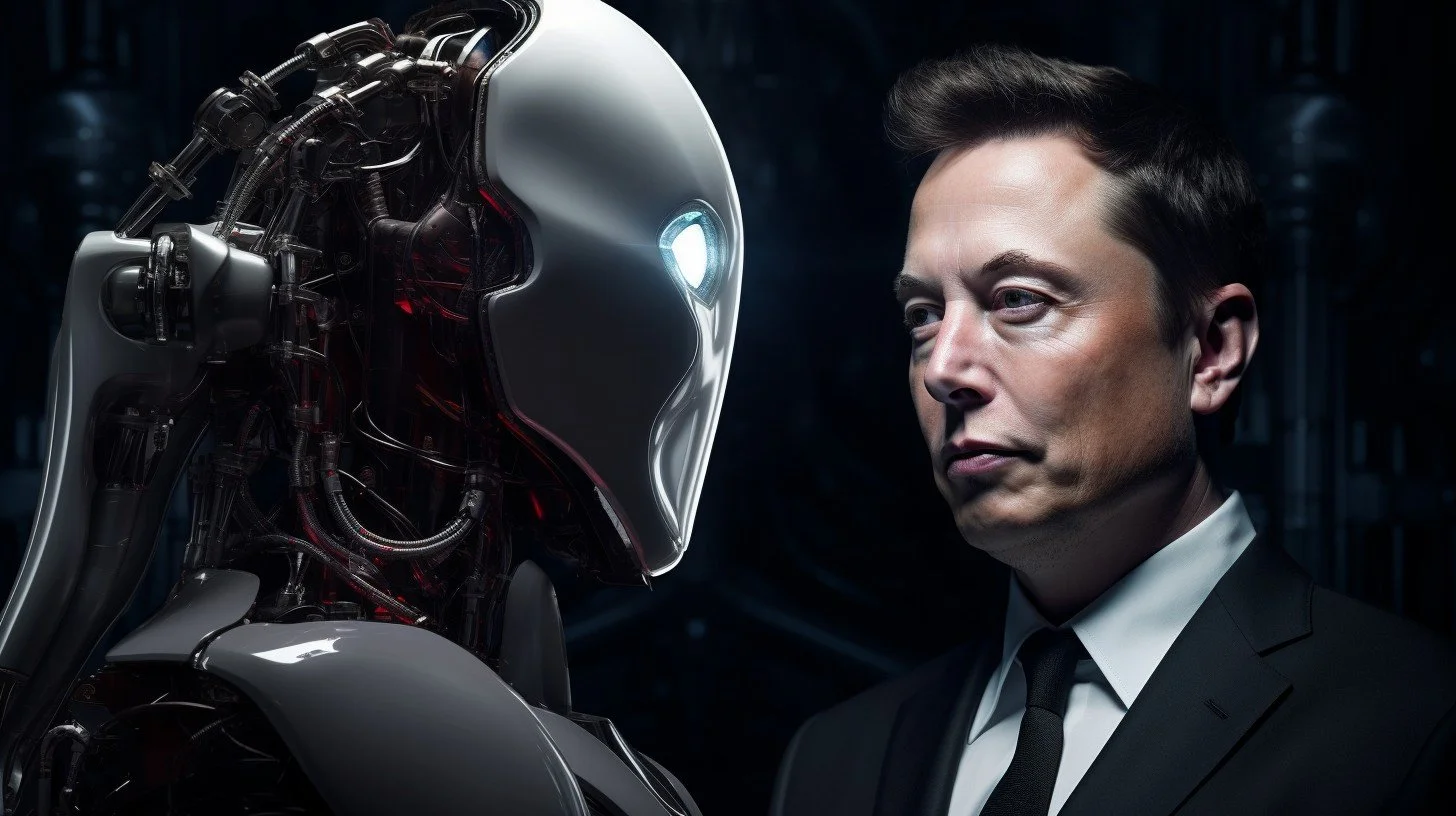
Elon Musk's Bold Leap: Cyborg Humans and the Race to Superintelligent AI
Revolutionizing Human Potential Through Tech Integration and Unmatched Innovation
Neuralink implants are restoring mobility to paralyzed individuals, while xAI's Grok 5 aims for artificial general intelligence. Tesla's Optimus robot promises superhuman abilities for those who've lost limbs, and massive data centers are fueling unprecedented AI training speeds. These developments signal a future where physical and digital worlds converge, boosting productivity and exploration.
Key Takeaways
Neuralink has implanted devices in over 10 patients, enabling rapid communication for those with severe paralysis.
Combining Neuralink with Tesla's Optimus robot could create cyborg bodies that allow users to walk, run, and perform at superhuman levels for around $60,000.
xAI, despite starting late, advances faster than competitors due to superior talent, massive hardware deployment, and real-time data from the X platform.
Grok 5, a 6-trillion-parameter model, incorporates multimodal training (text, images, video, audio) and real-time understanding, offering a 10% chance at achieving AGI.
Tesla's manufacturing efficiency hits a car every 35 seconds, with potential to reach 5 seconds, driven by physics-based optimization and chip design expertise.
Future plans include solar-powered AI satellites generating 100 gigawatts annually, expanding consciousness to explore the universe and search for alien civilizations.
AI and robotics will eventually satisfy all human needs, leading to a post-scarcity era where machines focus on their own pursuits.