

Tesla Just Built the Google of Atoms
The complete physical AI platform no competitor can replicate—and why it will define the next 20 years of technology
The physical world now has its dominant platform. One company has quietly assembled every critical layer—custom silicon, world-class AI models, battery chemistry, factories that scale like nothing else, vast real-estate holdings, and a global logistics network—and wired them together into a single, accelerating flywheel. The result is faster innovation, lower costs, and a data advantage that grows exponentially every day. This is not a car company with side projects. It is the infrastructure layer for the atom economy, and the implications stretch far beyond stock prices.
Key Takeaways
Tesla operates a full physical AI stack: computation, AI models, chemistry, manufacturing, land/real estate, and logistics—all internally controlled and mutually reinforcing.
Manufacturing functions as the CPU, real estate as storage, and logistics as the network in an atoms-based computer model that mirrors digital computing.
Billions of real-world driving miles feed a single neural architecture used for both autonomous vehicles and humanoid robots, creating a data flywheel no rival can match.
In-house battery chemistry, repurposed legacy factories, and continent-spanning energy assets deliver cost and infrastructure advantages that compound across every layer.
Vertical integration turns individual businesses into a cascading advantage: cheaper chips power better AI, better AI improves manufacturing, improved manufacturing lowers battery prices, and so on.
Single-layer competitors face structural economic disadvantages that widen over time, regardless of early leads in narrow domains.
Historical platform cycles suggest massive regulatory scrutiny is coming once dominance becomes obvious.
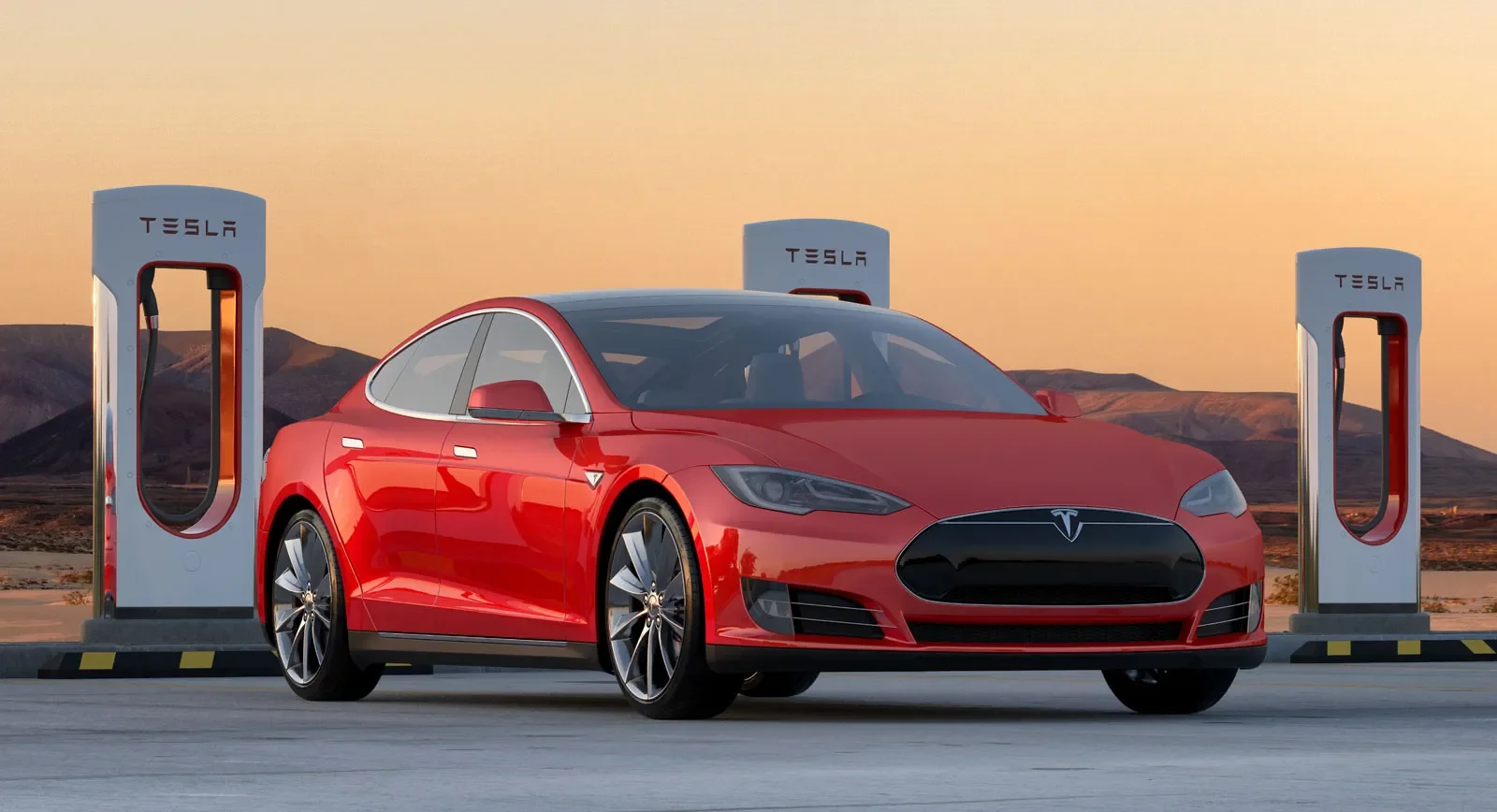
Tesla's Hidden Moat in Self-Driving Tech: Why the Race Isn't Even Close
The Data Wall NVIDIA Can't Climb—Yet
The battle for autonomous vehicles is intensifying, with new players stepping up to challenge established leaders. At its core, success hinges on mastering rare, unpredictable scenarios that no simulation can fully capture. Tesla's vast real-world data collection sets it apart, creating a lead that could take competitors years to close, while pushing the entire field forward through fierce rivalry.
Key Takeaways
Autonomous driving requires handling not just common scenarios but an endless array of rare edge cases, known as the long-tail problem, which demands exponential effort to solve.
Tesla's fleet of millions of vehicles has accumulated billions of miles of real-world data, giving it a decisive edge in training AI for these unpredictable situations.
NVIDIA's new AI system for self-driving, set to debut in production vehicles soon, represents a bold open-source approach aimed at widespread adoption, but it starts with limited data compared to Tesla.
Competition in this space accelerates innovation, improves safety, and compresses timelines, benefiting consumers even if one company maintains a lead.
Achieving human-level safety in self-driving tech means reaching reliability rates of 99.9998% or better, a benchmark that has delayed timelines across the industry.