
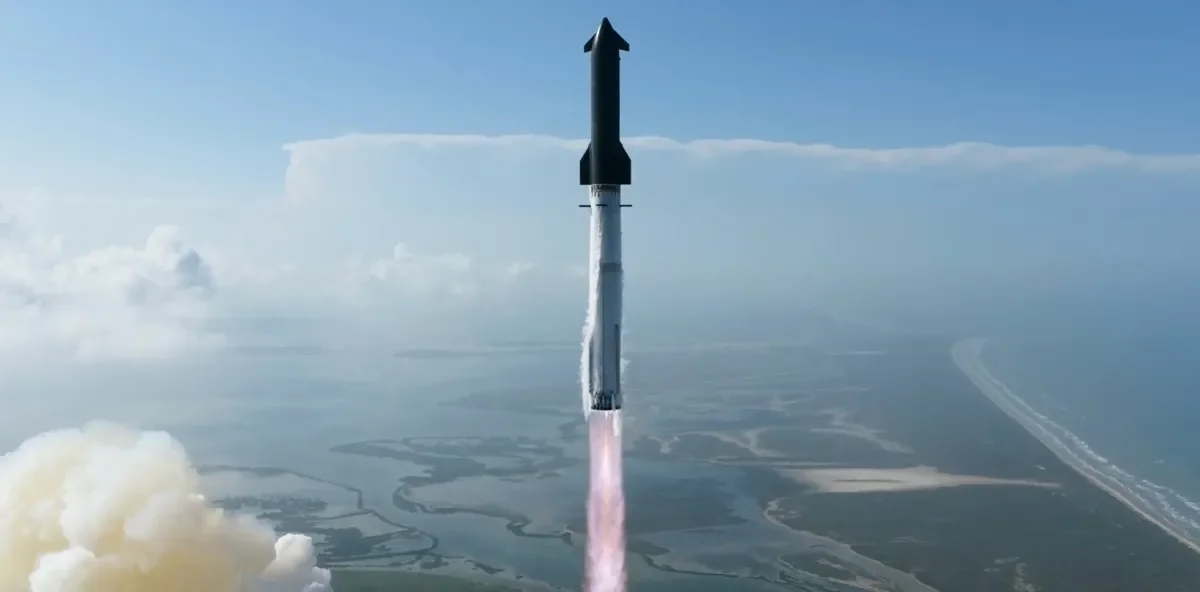
Starship V3 Takes Flight: The Dawn of a New Era in Reusable Spaceflight
Hot staging success, in-space heat shield imaging, and flap stress tests mark major milestones in the push for rapid reusability and massive Starlink deployment.
Starship Version 3 just completed its first flight test, delivering a masterclass in engineering progress. The redesigned vehicle lifted off flawlessly, executed a textbook hot staging separation, deployed a full payload of next-generation satellites while in orbit, and survived an intentionally aggressive reentry that tested its heat shield and structural limits—all while streaming live views back to Earth. These results accelerate the timeline for fully reusable heavy-lift operations and the kind of Starlink constellation scale that changes global connectivity economics.
Key Takeaways
All 33 Raptor 3 engines ignited cleanly on the Super Heavy booster at liftoff, carrying the stack through maximum dynamic pressure without issue.
Hot staging worked on the first attempt for Version 3: the ship’s six engines lit while still attached to the booster, clamps retracted safely, and separation occurred cleanly.
The ship demonstrated strong engine-out capability after losing one Raptor Vacuum engine mid-ascent, gimbaling the remaining engines to maintain trajectory and completing a suborbital mission on five engines.
An upgraded PEZ dispenser deployed 22 satellites—20 Starlink mass simulators plus two specialized “Dodger Dog” units—in record time, previewing the system’s ability to handle up to 60 full V3 Starlink satellites per flight.
Two free-flying satellites equipped with cameras and high-powered flashlights successfully imaged Starship’s heat shield from orbit in real time, a critical data point for future tower catches.
The ship intentionally stressed its aft flaps with a high-Mach “flap slap” maneuver, passed peak heating and peak dynamic pressure, executed a return-to-launch-site-style banking turn, and performed a two-engine landing burn before a soft splashdown in the Indian Ocean.
Experimental heat-shield tiles bonded with new methods on the leeward side held firm through ascent and reentry, delivering actionable data for future flights.
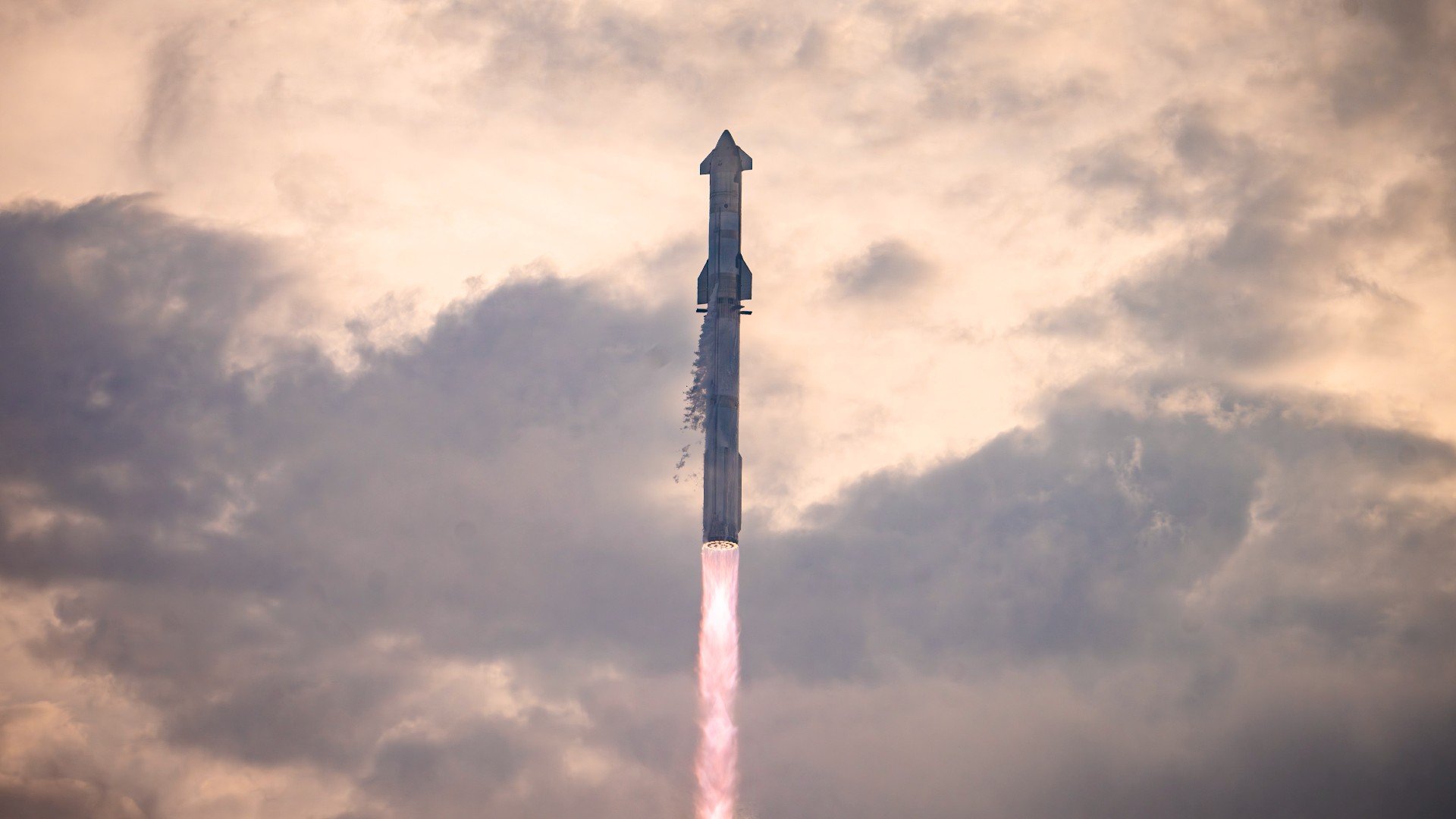
Starship’s Epic Flight 11: Pushing the Limits of Space Exploration
Unveiling the Future of Reusable Rockets and Global Connectivity
The latest Starship test flight has once again redefined what’s possible in space exploration. From a flawless launch to daring reentry experiments, this mission showcased the resilience of SpaceX’s ambitious rocket and its role in shaping the future of interplanetary travel and global internet access. Tech enthusiasts, buckle up—this flight delivered groundbreaking insights into reusable rocket technology, thermal protection systems, and the power of Starlink’s connectivity.
Key Takeaways
Successful Hot Staging and Separation: Starship executed a precise hot staging maneuver, with the Super Heavy booster and Starship separating cleanly, marking a significant step toward reliable reusability.
Raptor Engine Reliability: All 33 Raptor engines on the Super Heavy booster and six on Starship performed nominally, with a successful in-space Raptor relight demonstrating critical deorbit capabilities.
Payload Deployment Milestone: Eight Starlink simulators were deployed, paving the way for future missions to carry up to 60 advanced V3 Starlink satellites, boosting network capacity by 60 terabits per second per launch.
Thermal Protection Testing: Intentional removal of heat shield tiles tested Starship’s resilience under extreme reentry conditions, providing valuable data for future iterations.
Starlink’s Real-Time Data Power: Starlink’s connectivity enabled uninterrupted HD video and telemetry during reentry, overcoming plasma interference to deliver critical engineering data.