
Tesla's Robotaxi Leap: Driverless Rides Hit the Streets
Unleashing mass-scale autonomy that's cheaper, faster, and ready to dominate global roads.
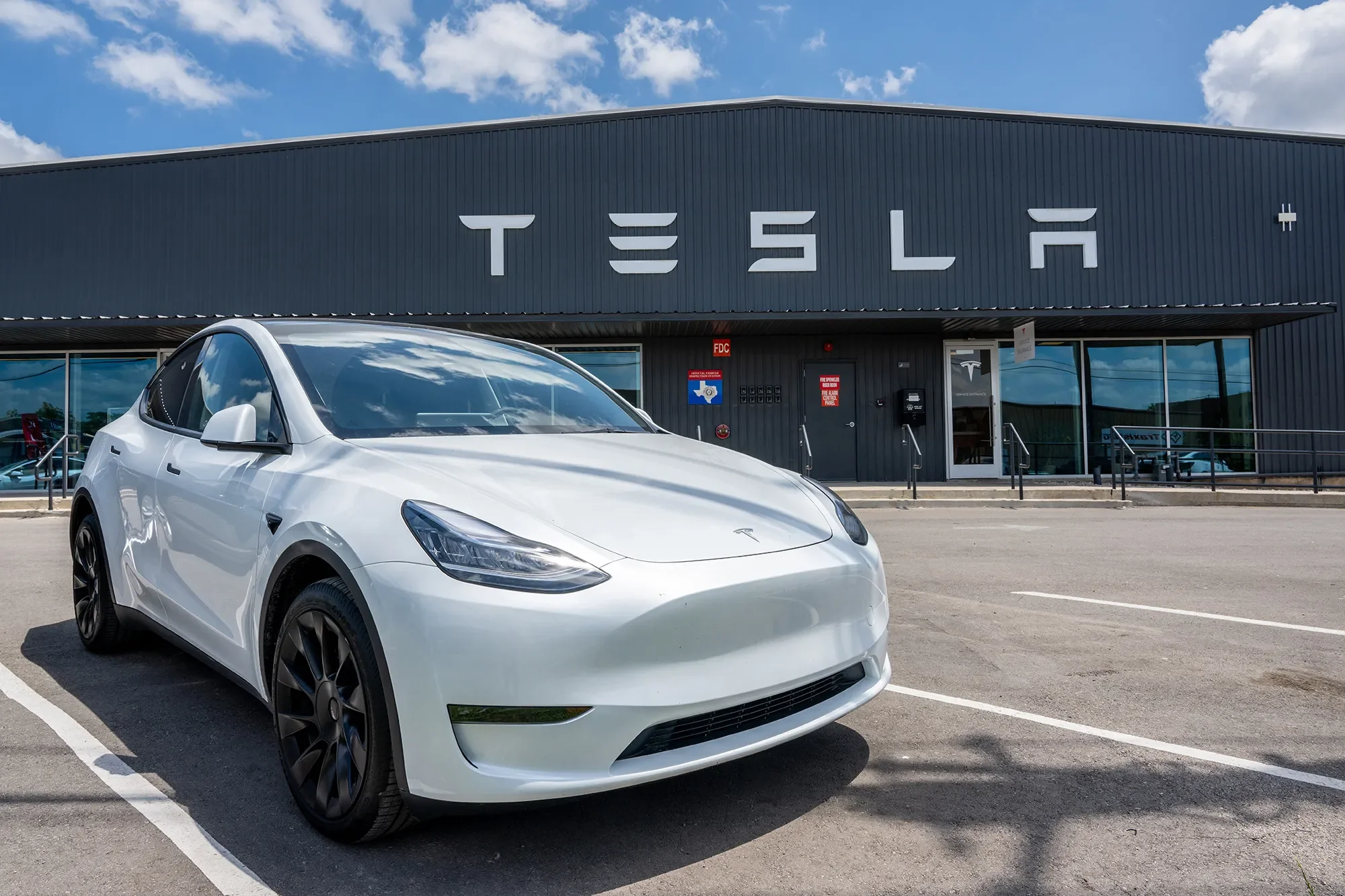
Tesla has just unlocked a new era in autonomous vehicles by deploying Robotaxis in Austin, Texas, without any human supervisors on board. This milestone showcases how a standard production car, built at massive scale, can now handle full self-driving tasks using only cameras and AI—outstripping competitors in speed and cost efficiency. For tech enthusiasts, this signals a rapid shift toward widespread adoption, with profound effects on manufacturing, ridesharing, and daily mobility.
Key Takeaways
Tesla's Model Y, a mass-produced vehicle costing around $30,000 to build, now operates as a fully autonomous Robotaxi without human intervention.
Deployment happened in Austin just months after the app's launch, far quicker than competitors who took years to reach similar unsupervised operations.
Tesla's camera-only AI system contrasts with rivals' complex sensor arrays, enabling faster scaling to millions of units annually.
This tech extends beyond Robotaxis to personal vehicles, potentially making Tesla the default choice for buyers seeking hands-off driving.
Broader implications include labor disruptions in driving and manual work, as the same AI powers upcoming humanoid robots.