
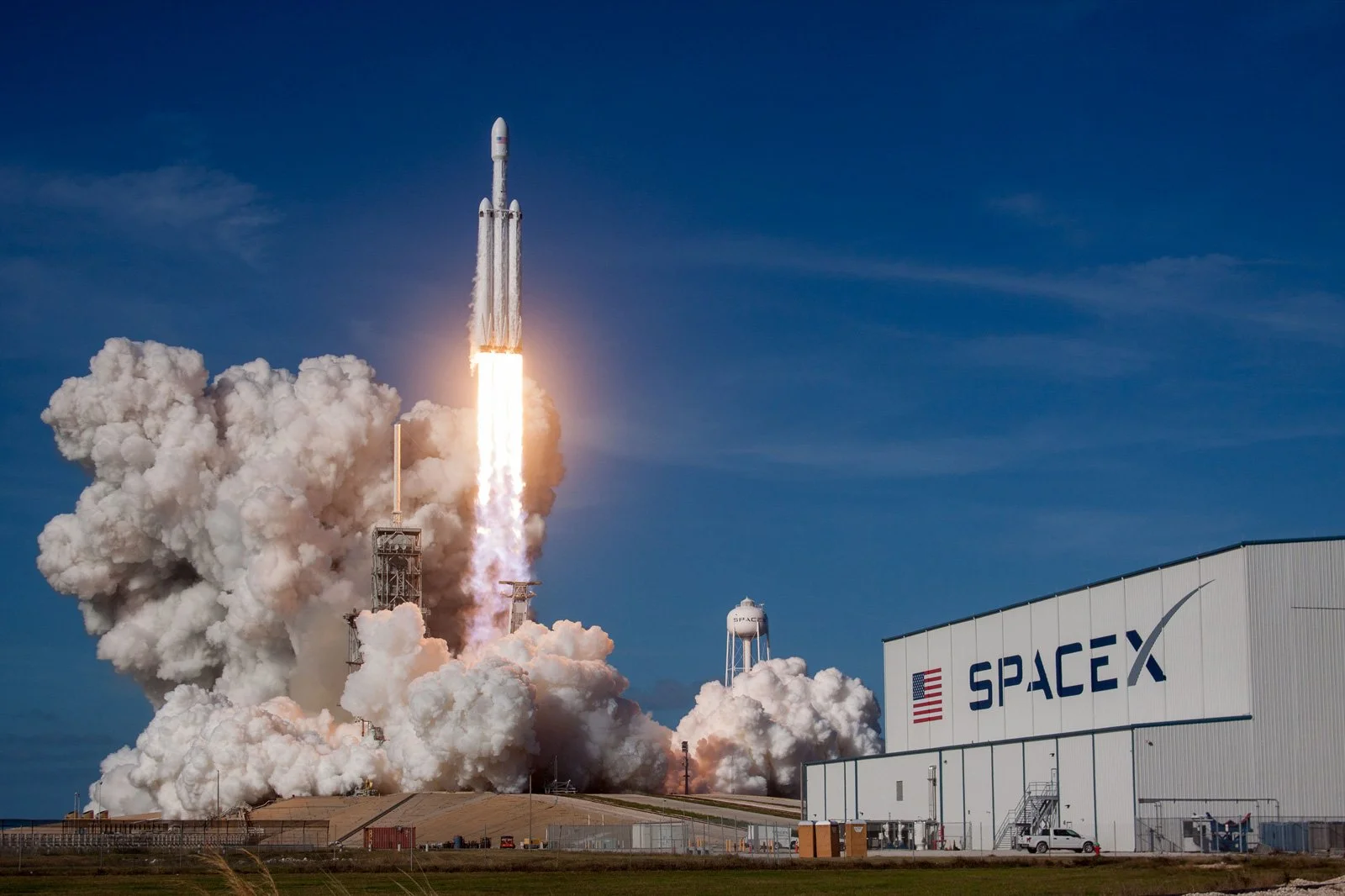
SpaceX's Sky-High Ambitions: The Dawn of a Trillion-Dollar Era
Revolutionizing Space Tech and Unlocking AI's Infinite Potential Through Massive Rockets and Orbital Data Centers
SpaceX stands on the brink of transforming not just space travel but the entire landscape of AI and computing. With a potential IPO in 2026 poised to shatter records, the company's trajectory highlights how reusable rockets and space-based AI could solve Earth's energy crises while creating unprecedented investment opportunities in private tech.
Key Takeaways
SpaceX's valuation has nearly doubled annually since 2002, reaching $350 billion in 2024 and potentially hitting $500-800 billion by 2025, driven by Starlink and emerging AI applications in space.
Starship's reusability and massive payload capacity—up to 400 tons to orbit—will slash launch costs dramatically, enabling frequent missions and making space accessible for new industries.
Solar-powered AI satellites in sun-synchronous orbits offer constant energy and efficient heat dissipation, bypassing earthly power bottlenecks for data centers and inference computing.
Investing in private companies like SpaceX requires a rigorous process evaluating market size, team capability, execution risks, and capital needs, with high rewards offsetting potential failures.
Competitors in satellite communications and AI will rely on SpaceX launches, reinforcing its dominance while fostering an open ecosystem for space innovation.
Blue Origin and Chinese rivals are advancing reusable tech, but lag behind Starship's scale and efficiency, setting up a duopoly in global launches.
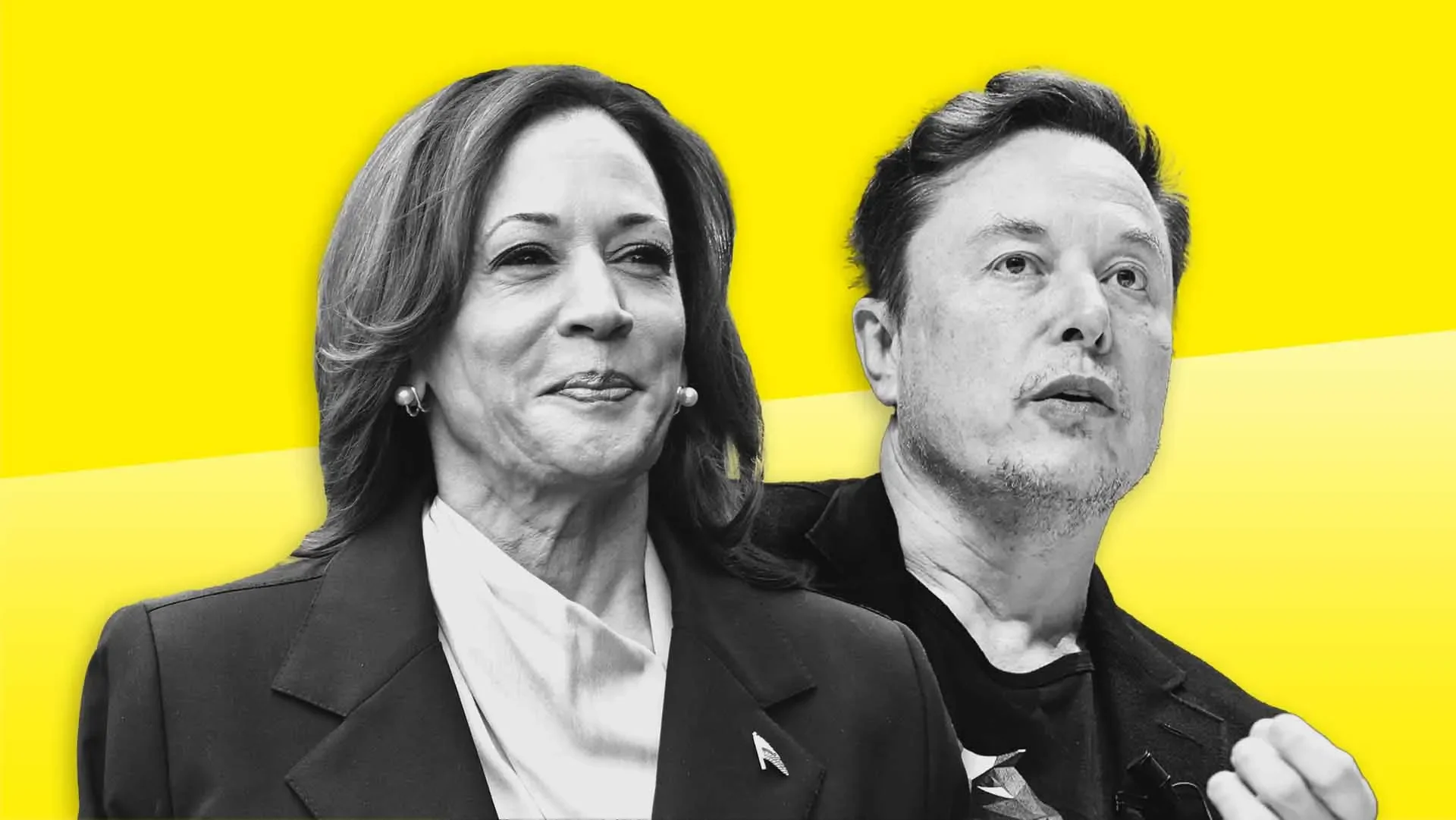
Democrats Mend Fences with Elon Musk: A Turning Point for Tech Innovation
Why political reconciliation could unlock faster progress in EVs, autonomy, and space exploration
Recent admissions from Democratic leaders highlight a key oversight in past electric vehicle policies, opening doors to broader collaboration with innovators like Elon Musk. This shift signals potential bipartisan backing for ambitious projects in autonomous transport and space tech, which could reshape industries and reduce regulatory hurdles ahead.
Key Takeaways
Democrats are publicly recognizing errors in sidelining Elon Musk during early EV initiatives, aiming to rebuild ties for future influence.
SpaceX stands as a critical national asset for U.S. defense and space dominance, making partnership essential regardless of political divides.
Tesla's push into fully autonomous vehicles like the Cybercab promises massive cost reductions in transportation but poses significant disruptions to legacy auto makers and ride-sharing services.
Regulatory de-risking from both parties could accelerate innovations in rocketry, brain-computer interfaces, and humanoid robots over the next decade.
The economic ripple effects include lower transport costs by up to 10x, but require careful planning to mitigate job displacements for millions of drivers.
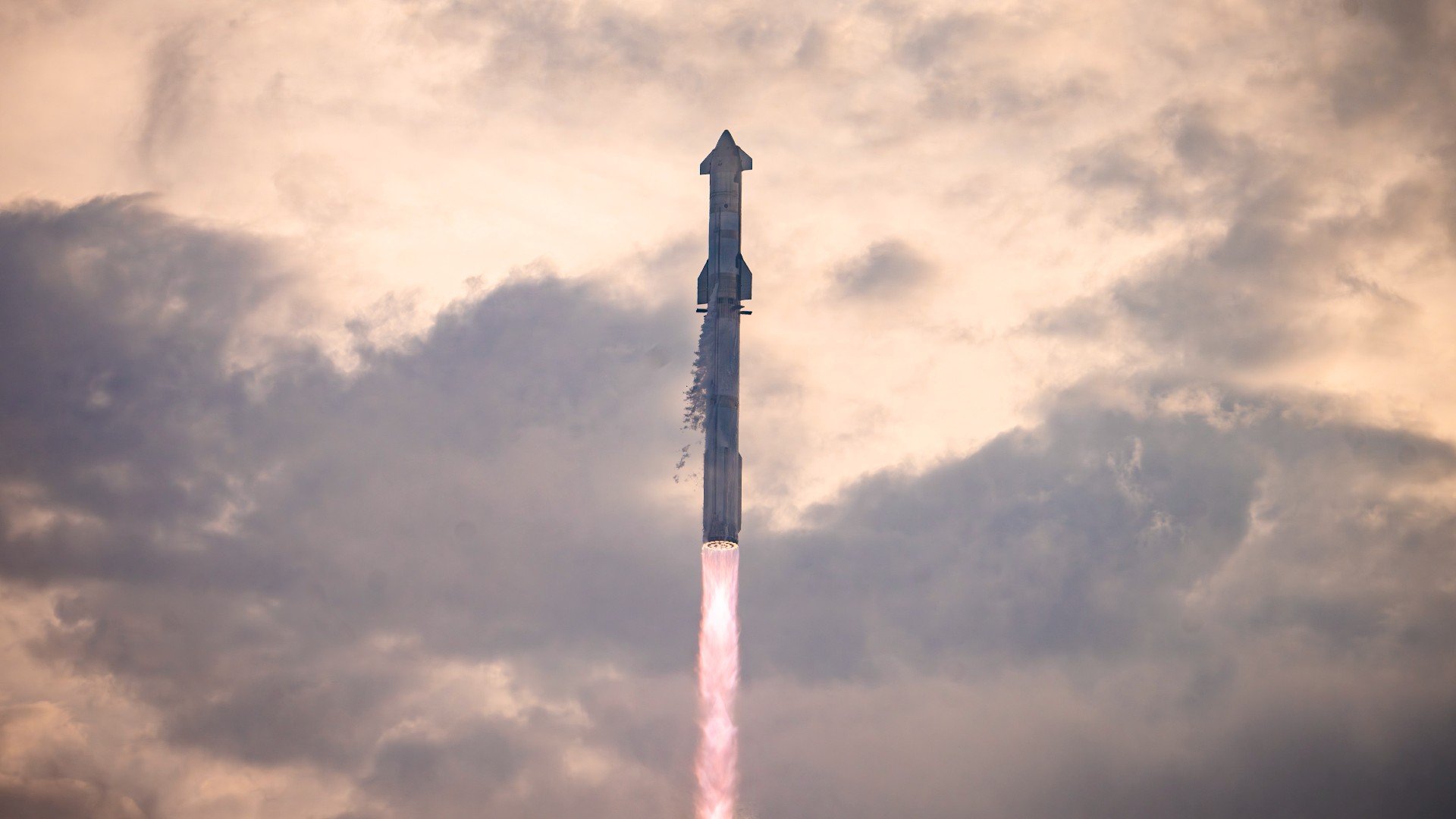
Starship’s Epic Flight 11: Pushing the Limits of Space Exploration
Unveiling the Future of Reusable Rockets and Global Connectivity
The latest Starship test flight has once again redefined what’s possible in space exploration. From a flawless launch to daring reentry experiments, this mission showcased the resilience of SpaceX’s ambitious rocket and its role in shaping the future of interplanetary travel and global internet access. Tech enthusiasts, buckle up—this flight delivered groundbreaking insights into reusable rocket technology, thermal protection systems, and the power of Starlink’s connectivity.
Key Takeaways
Successful Hot Staging and Separation: Starship executed a precise hot staging maneuver, with the Super Heavy booster and Starship separating cleanly, marking a significant step toward reliable reusability.
Raptor Engine Reliability: All 33 Raptor engines on the Super Heavy booster and six on Starship performed nominally, with a successful in-space Raptor relight demonstrating critical deorbit capabilities.
Payload Deployment Milestone: Eight Starlink simulators were deployed, paving the way for future missions to carry up to 60 advanced V3 Starlink satellites, boosting network capacity by 60 terabits per second per launch.
Thermal Protection Testing: Intentional removal of heat shield tiles tested Starship’s resilience under extreme reentry conditions, providing valuable data for future iterations.
Starlink’s Real-Time Data Power: Starlink’s connectivity enabled uninterrupted HD video and telemetry during reentry, overcoming plasma interference to deliver critical engineering data.