
SpaceX Bets Its IPO Future on AI-1, a 70-Meter Orbital Supercomputer
A 747-wide, chip-agnostic compute satellite targeting 150 kilowatts in orbit sits at the center of the roughly $85 billion float, and the economics only close if Starship drives launch costs toward $200 per kilogram.
SpaceX Flight 12 Puts Stage Zero On Trial At Starbase
A 10-engine static fire, a 36-hour chopstick-chain scramble, a 37.5-ton payload stack, and a QD-arm abort that almost stopped launch show why the pad is now the first stage of every Starship mission.

SpaceX’s $2 Trillion IPO Buried a Kessler Cascade Warning Investors Still Underprice
In its S-1, SpaceX flagged that a single debris-generating collision could cascade into unusable orbits and hit the business hard - while Starlink already holds two-thirds of active satellites and crash-clock margins have collapsed from months to days.

Ten Deployable Technologies Will Redefine Ordinary Life by the Mid-2030s
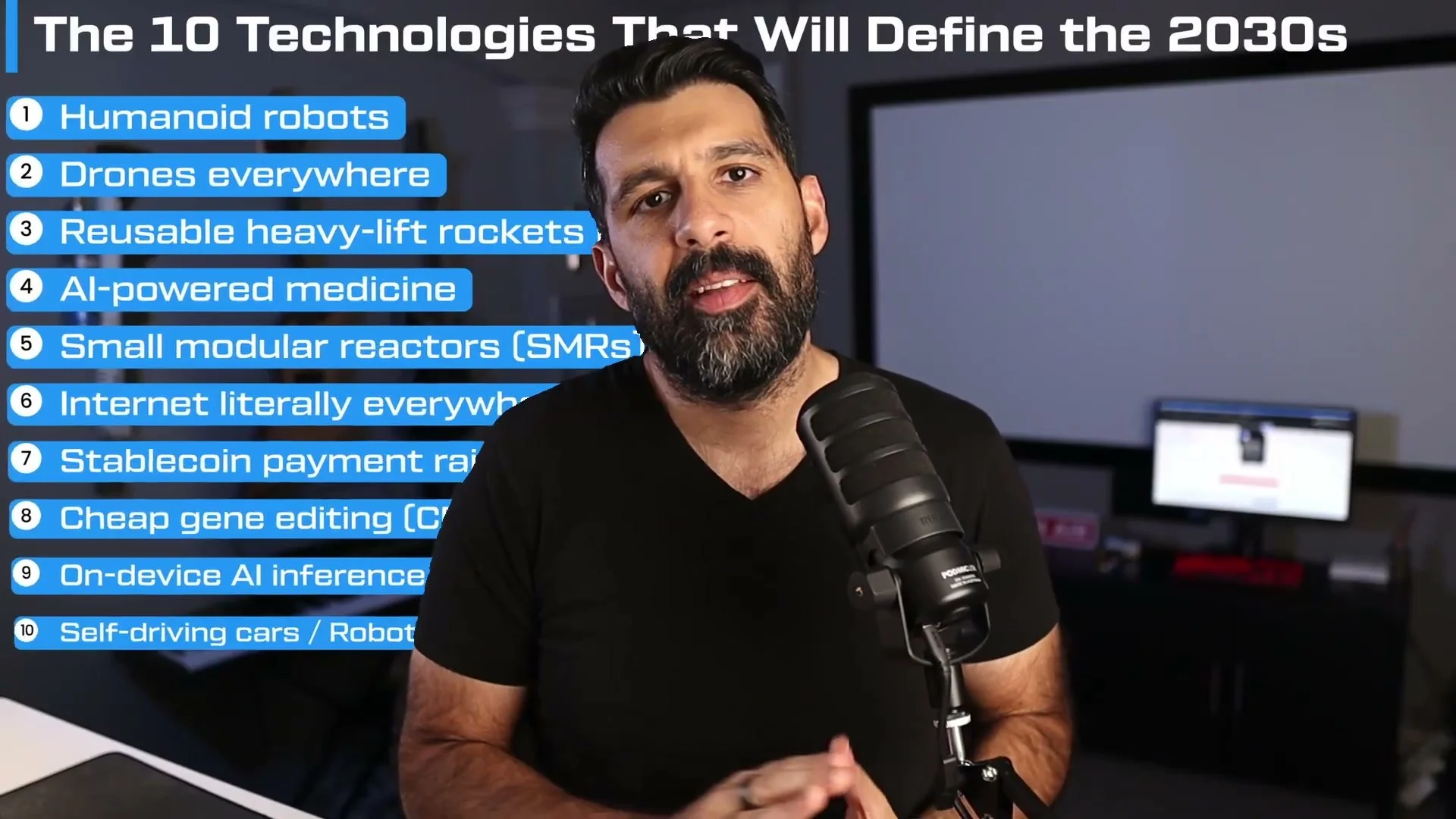
From robo-taxis and on-device AI chips to CRISPR, stablecoins, Starship, and humanoid labor at roughly $2 an hour, the stack that hits mass scale between 2030 and 2039 is already leaving the lab.
Ten Deployable Technologies Will Rewrite Ordinary Life By The Mid-2030s
From $2-an-hour humanoid labor and vision-only robotaxis to CRISPR cost curves and Starship’s 60-to-80x launch drop, the decade’s winners are specific machines hitting mass scale between 2030 and 2039.
Five Ideas That Misread the Entire Musk Empire
FSD subscriptions, Optimus, drones, one intelligence stack, and a Moon-and-Mars endgame reframe how Tesla, SpaceX, and the rest of the complex actually fit together.
Tesla Tears Down Fremont Model S and X Lines for Optimus
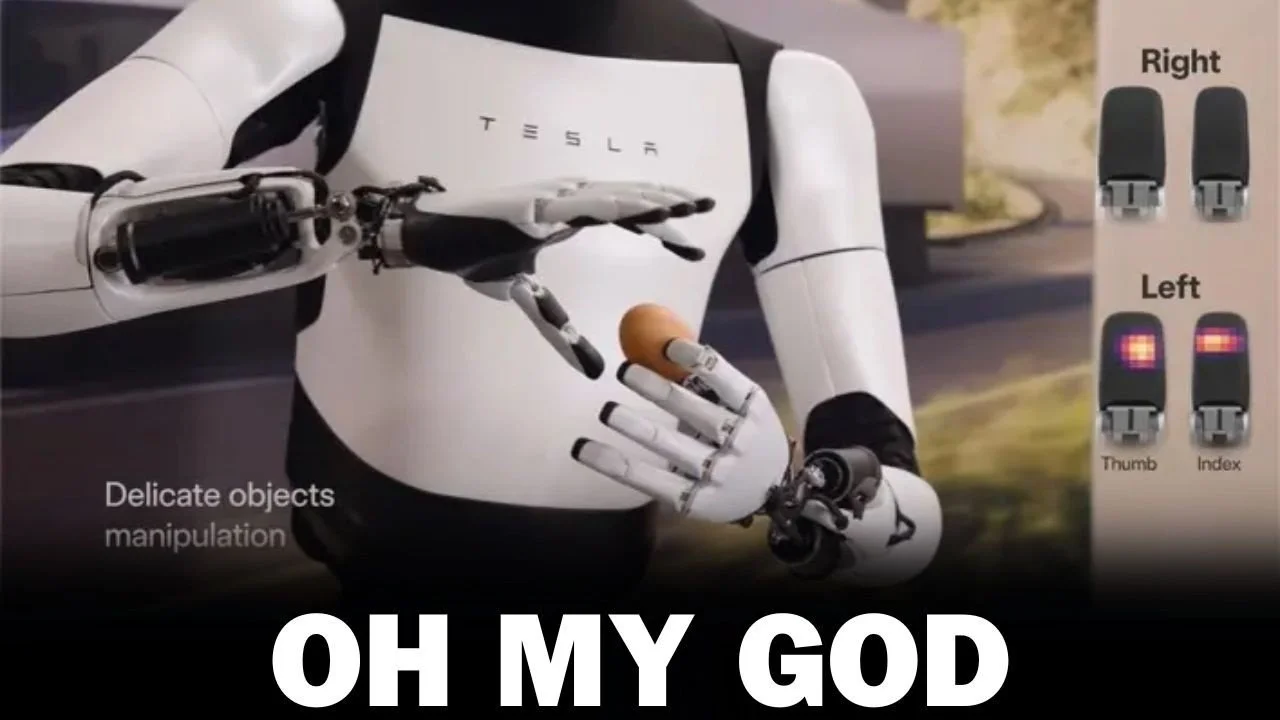
A 46-day decommissioning of the original premium vehicle floor is set to free space for a humanoid line targeting as much as one million robots a year, while CyberCab rides, Starship static fire, China Model Y Performance, and Grok trials advance in parallel.
SpaceX’s S-1 Flags a Cascade That Could Kill Low Earth Orbit
With two-thirds of active satellites already Starlink, a crash clock measured in days, and filings for up to a million more craft, the company’s own IPO risk language says a debris cascade could wipe out the shell that runs the internet.
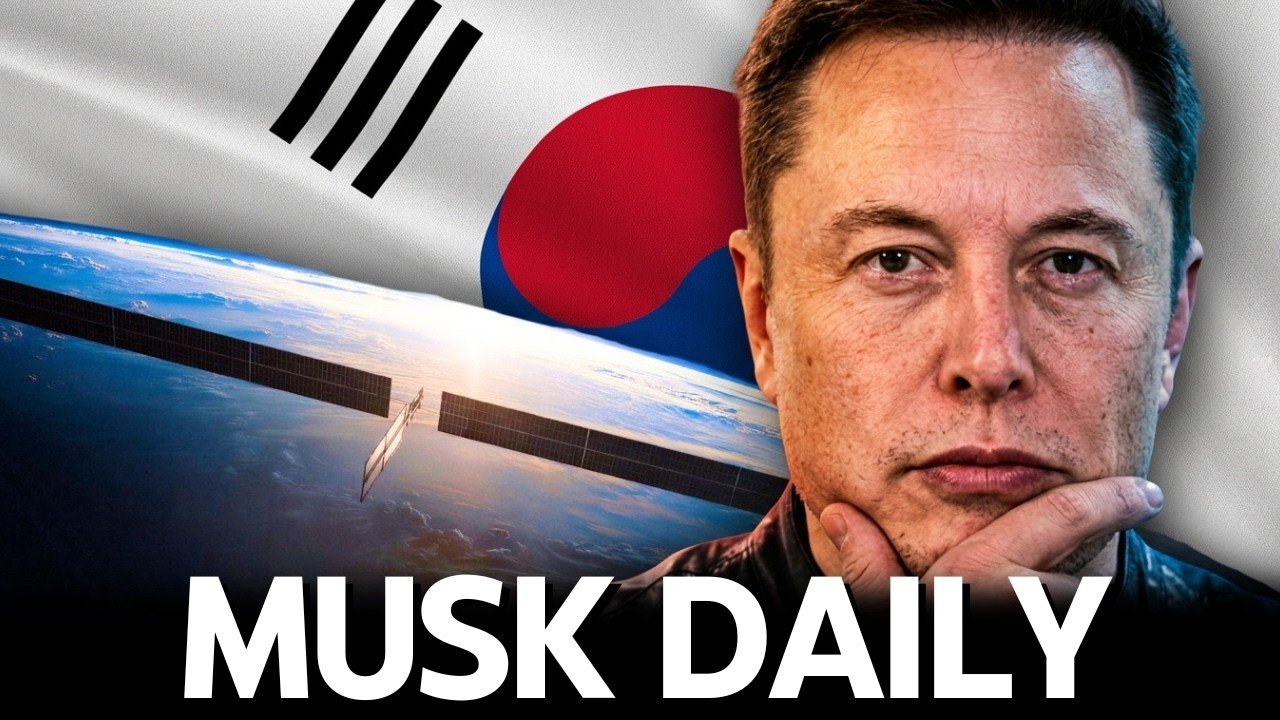
SpaceX Outlines Orbital AI Compute as Tesla Pushes FSD Abroad and NHTSA Eyes Steering-Wheel Rules
StarMind’s AI1 satellite specs, a staged FSD Supervised 14 Lite launch in South Korea, and a federal signal on driverless hardware land on the same day that Falcon 9 hits a 36-flight reuse mark.
XAI Opens Grok 4.5 to the Public as SpaceX, Tesla, and X Stack Fresh Operating Data
A coding-first model at $2 and $6 per million tokens lands against OpenAI and Anthropic, while a $50 million Starship lunar cargo booking, a Model Y China sales crown, FSD incident rates, a 2040 net-zero chain target, and an X-Money Visa card all hit the same news cycle.
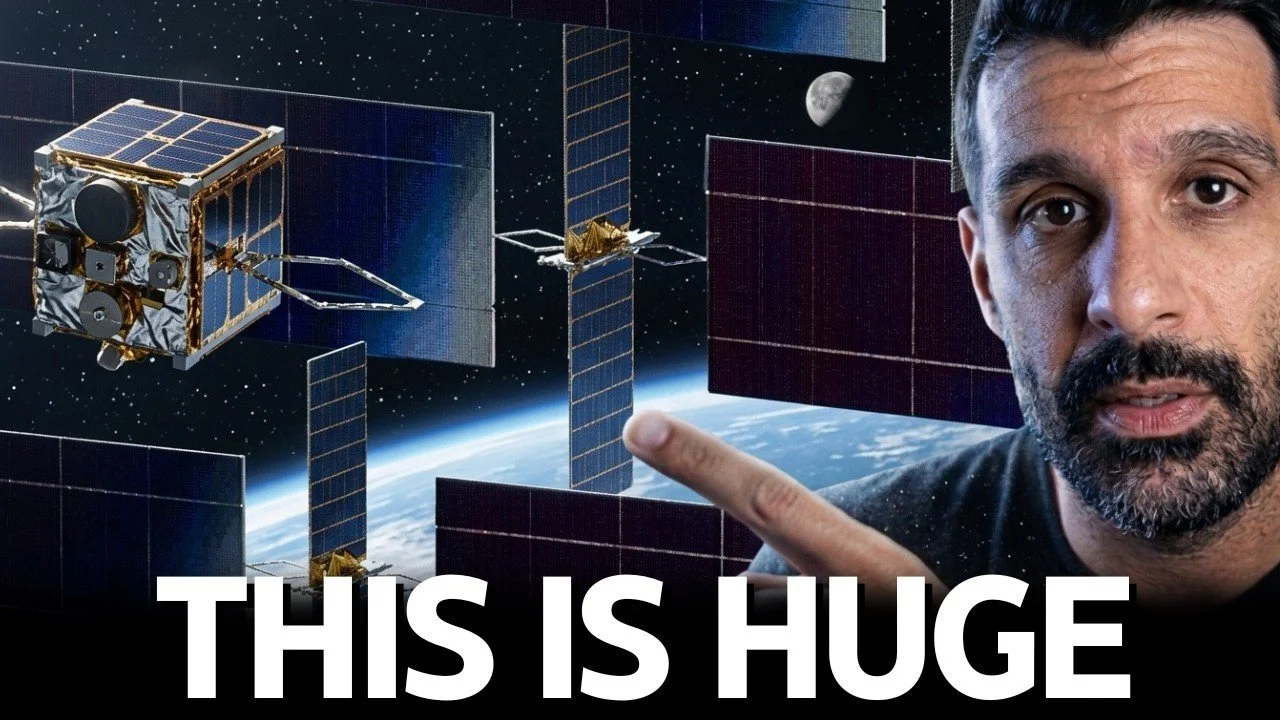
SpaceX Bets Public Markets on AI-1 Orbital Compute
A 70-meter AI satellite, an $85 billion IPO, and a thermal math problem that decides whether space compute ever undercuts Earth.
SpaceX Asks the FCC to Clear a 100,000-Satellite Starlink Network Built on Starship
The third-generation, non-geostationary system would spread up to 100,000 satellites across two very-low-orbit shells packed with beamforming and optical inter-satellite links to multiply capacity, but the entire plan hinges on regulators clearing spectrum and Starship becoming routine enough to fly
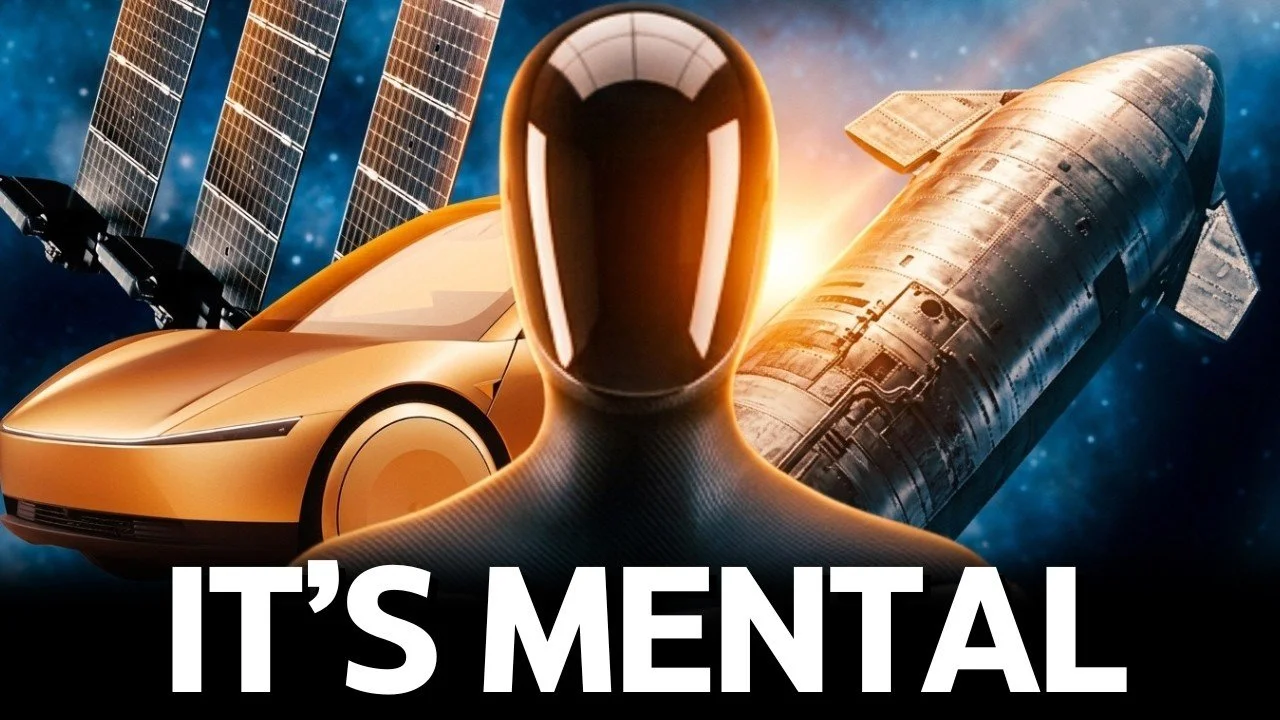
SpaceX Bets Its IPO on Turning Space-Based Sunlight Into Intelligence With AI-1 Orbital Data Centers
Alongside its historic public offering, SpaceX unveiled AI-1, a solar-powered satellite carrying a 150-kilowatt computing payload, revealing a vertically integrated plan to manufacture cognition from the cheapest energy in the solar system.
SpaceX Absorbs xAI and Bets Its $1 Trillion Revenue Target on Compute, Not Rockets
Fresh off the largest IPO in history, Elon Musk is claiming SpaceX can multiply revenue 54x by 2030 — a promise that only makes sense because the company quietly became an AI infrastructure play whose addressable market it pegs at $28.5 trillion.

SpaceX's IPO Bets Everything On One Number: The 95% Collapse In Cost-To-Orbit
A $1.77 trillion valuation that careful models can’t justify makes perfect sense once you see the cost of putting internet bandwidth into orbit fall from $6.55 to 30 cents per megabit per second, and why the same curve unlocks data centers in space.
SpaceX Signs $6.3 Billion AI Compute Lease With Reflection AI as Texas Court Clears Starbase Path
A $150-million-per-month lease of NVIDIA GB300 capacity to Reflection AI, a unanimous Texas Supreme Court win over Boca Chica beach closures, and United’s first wide-body Starlink transatlantic flight together reframe SpaceX as a multi-market infrastructure company while Tesla fights to control the
SpaceX's Record IPO: The Warehouse Vision That Could Make Mars Routine
Turning slim odds and sci-fi dreams into a practical path for anyone who wants to leave Earth
SpaceX reaching the largest IPO in history after starting in a single warehouse reveals how a clear, long-term objective can survive early doubts and technical setbacks. The real value lies in what comes next: engineering that treats multi-planetary settlement as a solvable problem rather than a distant fantasy, while giving ordinary people a concrete reason to believe the future will feel more expansive than the present.
Key Takeaways
A company founded in a modest El Segundo warehouse achieved the largest IPO ever, showing that sustained focus on ambitious technical goals can overcome initial assessments of very low success probability.
The central objective is to build systems that let anyone travel to the Moon, Mars, or other solar system destinations, moving spaceflight beyond professional crews to broader participation.
Established aerospace players produce reliable rockets yet have not directed equivalent effort toward the specific technologies required for permanent multi-planetary presence.
Earth-bound problems still require attention and resources, but large-scale projects that generate excitement about what happens next supply essential motivation that pure problem-solving alone cannot provide.
Current team capabilities support confidence that vehicles and infrastructure capable of carrying people to Mars and beyond can be delivered on a practical timeline.
SpaceX Targets $28 Trillion Opportunity with Truth-Seeking AI and Lunar Infrastructure
How control over the full stack—from rocket design to satellite operations and real-time data—creates durable advantages in markets projected to reach trillions.
The core advantage lies in end-to-end control over satellite systems and connectivity infrastructure. This approach compresses development cycles, slashes costs through in-house production, and generates recurring revenue at low marginal expense once the network is deployed. Layered onto that foundation is the ability to feed live global data into advanced AI systems, creating models that stay current rather than relying on frozen datasets. Together these elements form a platform positioned to expand aggressively into the multi-trillion-dollar intersections of orbital infrastructure, worldwide broadband, and intelligent computing.
Key Takeaways
Vertical integration spanning satellite design, manufacturing, launch, and constellation operations delivers superior cost efficiency and deployment speed that competitors struggle to match.
Ownership of the full orbital launch stack creates structural barriers, as replicating global leadership in reliable, high-cadence access to space requires years of accumulated hardware and operational experience.
Real-time data streams from large-scale platforms enhance AI model accuracy and timeliness, supporting truth-seeking systems that reflect current events and user-generated information.
Once core infrastructure exists, adding subscribers or new services incurs near-zero marginal cost, enabling rapid scaling and high operating margins in connectivity.
Integrated control across hardware, networks, data, and AI layers opens participation in multiple expanding markets, including satellite broadband, direct-to-device services, and space-enabled intelligent systems.
A mission-oriented culture combined with deep technical talent sustains the iteration velocity required to maintain leads in capital-intensive, fast-evolving fields.
Starship V3: Doubling Saturn V Thrust to Unlock Million-Ton Orbital Capacity and Space AI
How rapid reusability and purpose-built satellites shift compute infrastructure from ground constraints to solar-powered orbital scale
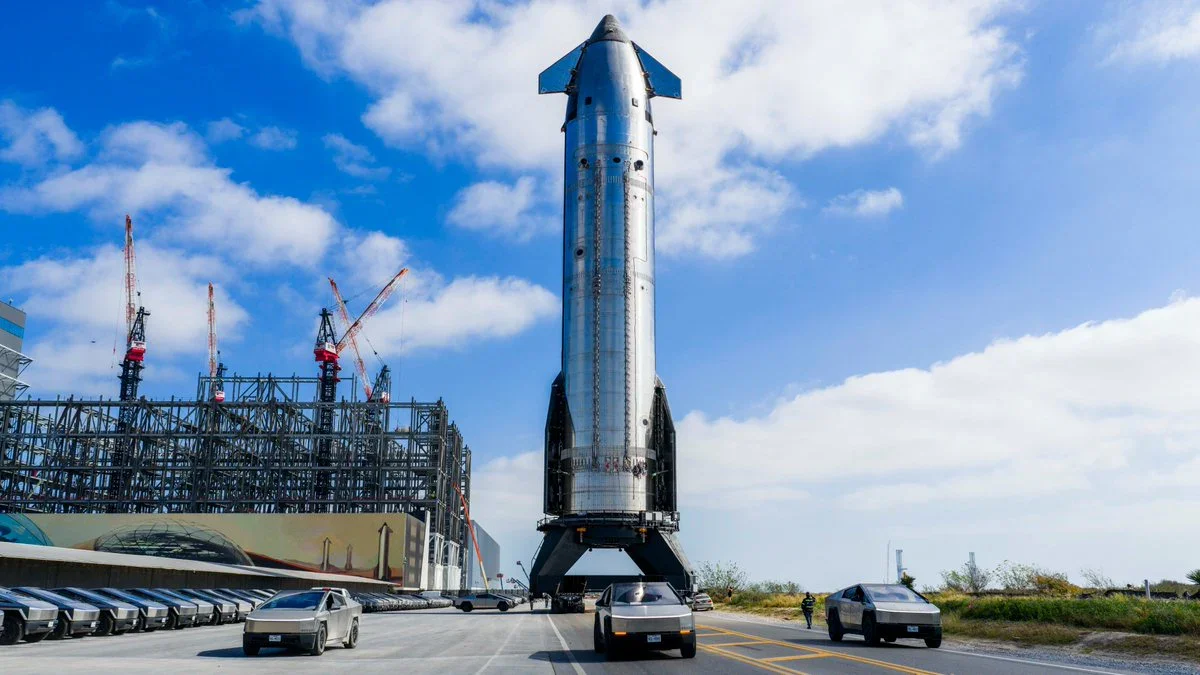
Starship Version 3 produces more than twice the thrust of the Saturn V rocket that powered the Apollo program. Version 4 extends that margin toward three times the historic benchmark. These gains, paired with flight rates exceeding one per hour, move annual mass delivery to orbit from roughly 2,500 tons industry-wide today to the million-ton range within about three years. The same vehicles that enable this throughput also support a new generation of satellites optimized for AI workloads, where solar arrays generate power and radiators reject heat directly into space.
Key Takeaways
Starship V3 thrust exceeds twice the Saturn V level, with Version 4 approaching three times that output, directly multiplying payload mass per flight.
Mature operations target launch cadence above one flight per hour, turning space access into high-volume industrial activity rather than episodic events.
SpaceX currently delivers 85–90 percent of all mass placed into Earth orbit; Starship operations aim to expand total global capacity by orders of magnitude.
Annual mass to orbit could scale from approximately 2,500 tons to over one million tons per year within roughly three years once Starship reaches full cadence.
Recent record payloads represent only a small fraction of what operational V3 vehicles will carry routinely on each flight.
Orbital AI platforms take the form of compact satellites rather than conventional data-center buildings lifted into space, focusing on integrated power generation and thermal rejection.
AI satellites require less hardware complexity than Starlink units, needing primarily solar cells, radiators, and laser links instead of large phased-array antenna systems.
Early AI satellite designs target 150 kilowatts peak power while sustaining about 120 kilowatts of continuous compute, based on actual large-scale AI cluster performance.
SpaceX’s Massive Scale-Up: From Reusable Rockets to Orbital AI Empires
Unlocking multi-trillion-dollar markets through vertical integration and relentless iteration.
SpaceX is executing a tightly integrated strategy that turns orbital dominance into advantages in global broadband and frontier AI. By driving down launch costs through reusability and scaling production at unprecedented speeds, the company is positioning itself to capture enormous value across space transportation, connectivity, and compute infrastructure. This isn’t incremental progress—it’s a compounding flywheel that accelerates capability while slashing expenses.
Key Takeaways
Starship is poised to deliver roughly 100 metric tons to orbit initially, with Version 4 designs targeting 200 metric tons, while achieving full reusability to drive another order-of-magnitude cost reduction beyond Falcon’s already industry-leading economics.
Starlink’s V3 satellites promise a 20X capacity leap per launch compared to current V2 on Falcon, scaling toward petabyte-scale annual network throughput and closing the digital divide for billions.
The company is building the world’s largest coherent supercomputer clusters and pioneering orbital AI compute using solar power and radiative cooling for near-zero operating costs.
Revenue reached approximately $19 billion in 2025 with nearly $7 billion in positive adjusted EBITDA, while investing heavily in future infrastructure; connectivity alone showed 50% year-over-year growth.
Direct-to-device (Gen 2) 5G-quality service and specialized government constellations like Starshield expand addressable markets dramatically, backed by vertical integration that competitors struggle to match.