
SpaceX Targets $28 Trillion Opportunity with Truth-Seeking AI and Lunar Infrastructure
How control over the full stack—from rocket design to satellite operations and real-time data—creates durable advantages in markets projected to reach trillions.
The core advantage lies in end-to-end control over satellite systems and connectivity infrastructure. This approach compresses development cycles, slashes costs through in-house production, and generates recurring revenue at low marginal expense once the network is deployed. Layered onto that foundation is the ability to feed live global data into advanced AI systems, creating models that stay current rather than relying on frozen datasets. Together these elements form a platform positioned to expand aggressively into the multi-trillion-dollar intersections of orbital infrastructure, worldwide broadband, and intelligent computing.
Key Takeaways
Vertical integration spanning satellite design, manufacturing, launch, and constellation operations delivers superior cost efficiency and deployment speed that competitors struggle to match.
Ownership of the full orbital launch stack creates structural barriers, as replicating global leadership in reliable, high-cadence access to space requires years of accumulated hardware and operational experience.
Real-time data streams from large-scale platforms enhance AI model accuracy and timeliness, supporting truth-seeking systems that reflect current events and user-generated information.
Once core infrastructure exists, adding subscribers or new services incurs near-zero marginal cost, enabling rapid scaling and high operating margins in connectivity.
Integrated control across hardware, networks, data, and AI layers opens participation in multiple expanding markets, including satellite broadband, direct-to-device services, and space-enabled intelligent systems.
A mission-oriented culture combined with deep technical talent sustains the iteration velocity required to maintain leads in capital-intensive, fast-evolving fields.
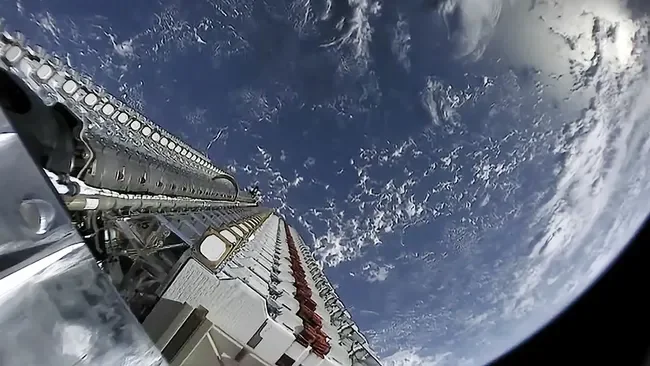
Vertical Integration at Scale: Unlocking Leadership Across Space, Connectivity, and AI
How control over the full stack—from rocket design to satellite operations and real-time data—creates durable advantages in markets projected to reach trillions.
The core advantage lies in end-to-end control over satellite systems and connectivity infrastructure. This approach compresses development cycles, slashes costs through in-house production, and generates recurring revenue at low marginal expense once the network is deployed. Layered onto that foundation is the ability to feed live global data into advanced AI systems, creating models that stay current rather than relying on frozen datasets. Together these elements form a platform positioned to expand aggressively into the multi-trillion-dollar intersections of orbital infrastructure, worldwide broadband, and intelligent computing.
Key Takeaways
Vertical integration spanning satellite design, manufacturing, launch, and constellation operations delivers superior cost efficiency and deployment speed that competitors struggle to match.
Ownership of the full orbital launch stack creates structural barriers, as replicating global leadership in reliable, high-cadence access to space requires years of accumulated hardware and operational experience.
Real-time data streams from large-scale platforms enhance AI model accuracy and timeliness, supporting truth-seeking systems that reflect current events and user-generated information.
Once core infrastructure exists, adding subscribers or new services incurs near-zero marginal cost, enabling rapid scaling and high operating margins in connectivity.
Integrated control across hardware, networks, data, and AI layers opens participation in multiple expanding markets, including satellite broadband, direct-to-device services, and space-enabled intelligent systems.
A mission-oriented culture combined with deep technical talent sustains the iteration velocity required to maintain leads in capital-intensive, fast-evolving fields.
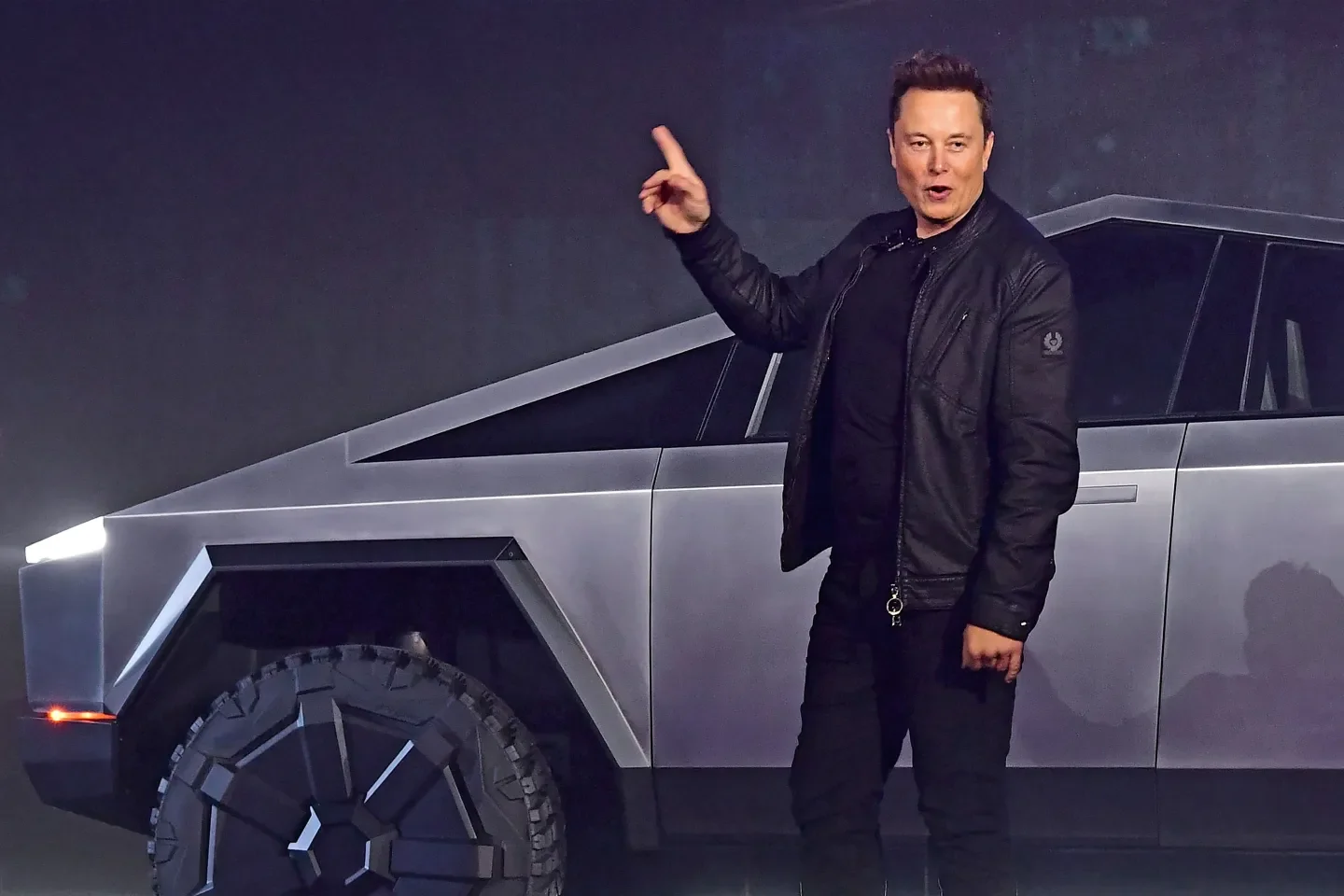
The Trillion-Dollar Threshold That Changes Little—and Everything
Why Elon Musk’s valuation milestone aligns with Gilded Age peaks in real terms while concentrating unmatched leverage over space, connectivity, and physical AI.
Elon Musk’s net worth crossing into trillion-dollar territory stems from equity stakes in companies that survived near-collapse and scaled into dominant positions across electric vehicles, reusable rocketry, satellite broadband, and AI-driven automation. The number itself functions mostly as a market-assigned price tag on shares rather than accessible cash, and when measured against the full size of the U.S. economy it sits at roughly the same slice once commanded by the most powerful industrialists of the early twentieth century. At the same time, operational control over launch capacity, global internet infrastructure, frontier AI models, and large-scale robotics data gives one individual influence over foundational technologies that no private citizen has previously held at this breadth.
Key Takeaways
Net worth in this range equals shares outstanding multiplied by current market price, with less than one-tenth of one percent typically held as liquid cash.
The fairest historical comparison uses wealth as a percentage of total economic output; Musk’s position lands near three percent of today’s U.S. economy, comparable to John D. Rockefeller’s roughly two-to-three percent share in 1913.
Tesla and SpaceX both approached bankruptcy in late 2008; concentrated founder ownership and willingness to risk remaining capital allowed both to reach leadership in autonomy, energy storage, reusable orbital launch, and satellite internet.
An IPO converts private valuation guesses into continuous public market pricing for shares already owned, without creating new assets for the holder.
Ultra-high-net-worth individuals commonly borrow against pledged stock at low interest rather than sell, since loans do not count as taxable income; proceeds have largely flowed back into the same companies.
Federal Reserve data show the top one percent of households now hold 32 percent of U.S. wealth and the top 0.1 percent hold around 14 percent—levels higher than at any point since tracking began in 1989.
Proposals for annual wealth taxes face practical hurdles demonstrated by multiple European countries that later repealed similar levies after they delivered minimal revenue, proved difficult to administer on private assets, and prompted capital relocation.
SpaceX currently accounts for the majority of mass placed into orbit by humanity in a given year, while Starlink serves ten million subscribers across more than one hundred countries and has proven decisive for connectivity in active conflicts.
Tesla’s real-world driving data and AI training pipeline support both autonomous vehicles without steering wheels or pedals and the development of humanoid robots intended for general physical tasks.
Continued execution on satellite mega-constellations, lunar and Mars infrastructure, high-volume robotaxis, and tens of millions of humanoid robots could scale Musk’s equity value well beyond current levels if those ventures succeed at planned magnitude.
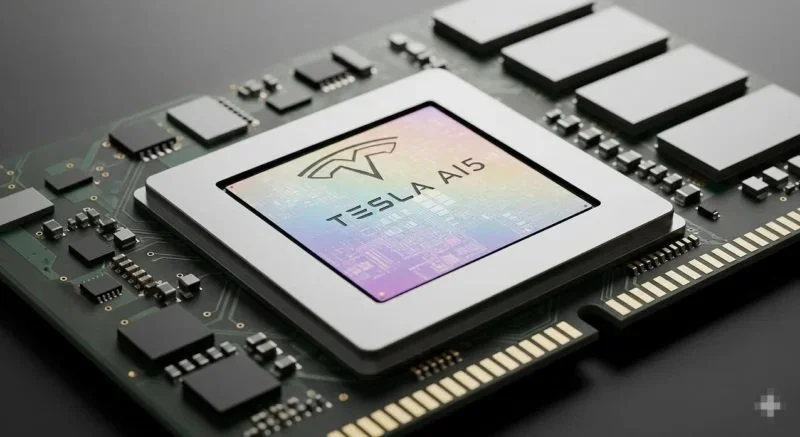
Tesla’s Custom AI Chip Quietly Builds the Foundation for Independence From Nvidia
How a radically simplified inference engine, a $119 billion domestic fab, and orbital data centers powered by constant sunlight could reshape who controls the future of AI infrastructure.
Tesla’s AI5 chip, taped out in April 2026, delivers inference performance in the same range as Nvidia’s H100 for the specific workloads that matter most to large-scale robotics and autonomy systems. Two of the chips together reach territory previously occupied by Nvidia’s Blackwell B200. The difference lies in what the design deliberately left out and where it will actually run first.
Key Takeaways
The AI5 chip matches high-end Nvidia inference throughput for Tesla’s targeted tasks while consuming dramatically less power and costing a fraction as much, because it is built as a narrow-purpose ASIC rather than a general-purpose GPU.
Radical simplification — removing the image processor and other unused blocks — allows the chip to focus exclusively on the low-precision math that runs real-time perception and control in vehicles and humanoid robots.
First deployments target Optimus humanoid robots and internal AI supercomputers rather than next-generation vehicles, since existing hardware already exceeds typical human driving performance in most scenarios.
Tesla continues purchasing hundreds of thousands of Nvidia GPUs for training its largest models, treating custom inference silicon and general-purpose training hardware as complementary tools rather than substitutes.
A rapid internal roadmap calls for AI6 production in 2027 on Samsung’s process with roughly double the performance, followed by AI6.5 on TSMC’s Arizona fab, targeting a new generation every nine to twelve months.
The dedicated Terafab facility carries phase-one costs of $55 billion and total project costs approaching $119 billion — larger than the entire US CHIPS Act — and will be split across Tesla and SpaceX balance sheets ahead of SpaceX’s planned public listing.
SpaceX regulatory filings seek approval for up to one million satellites configured as orbital data centers that run on uninterrupted solar power, with internal projections placing the total addressable market for space-based AI infrastructure at $26 trillion.
The long-term objective is vertical ownership of every critical layer — chip design, domestic fabrication, low-cost launch, and space-based power — so that AI deployment at planetary scale does not depend on any single external supplier for the foundational compute element.
SpaceX’s Massive Scale-Up: From Reusable Rockets to Orbital AI Empires
Unlocking multi-trillion-dollar markets through vertical integration and relentless iteration.
SpaceX is executing a tightly integrated strategy that turns orbital dominance into advantages in global broadband and frontier AI. By driving down launch costs through reusability and scaling production at unprecedented speeds, the company is positioning itself to capture enormous value across space transportation, connectivity, and compute infrastructure. This isn’t incremental progress—it’s a compounding flywheel that accelerates capability while slashing expenses.
Key Takeaways
Starship is poised to deliver roughly 100 metric tons to orbit initially, with Version 4 designs targeting 200 metric tons, while achieving full reusability to drive another order-of-magnitude cost reduction beyond Falcon’s already industry-leading economics.
Starlink’s V3 satellites promise a 20X capacity leap per launch compared to current V2 on Falcon, scaling toward petabyte-scale annual network throughput and closing the digital divide for billions.
The company is building the world’s largest coherent supercomputer clusters and pioneering orbital AI compute using solar power and radiative cooling for near-zero operating costs.
Revenue reached approximately $19 billion in 2025 with nearly $7 billion in positive adjusted EBITDA, while investing heavily in future infrastructure; connectivity alone showed 50% year-over-year growth.
Direct-to-device (Gen 2) 5G-quality service and specialized government constellations like Starshield expand addressable markets dramatically, backed by vertical integration that competitors struggle to match.
The Operator Who Just Solved Elon Musk’s Biggest Problem
How one quiet executive is enabling the largest reorganization in tech history—and why it frees the world’s most ambitious engineer to move faster than ever.
The Musk companies are no longer operating as separate bets. They are converging into a single, vertically integrated machine built for the AI age. SpaceX and xAI have already combined. Tesla is the final piece. The person positioned to run day-to-day execution across all of them has spent nearly 25 years proving she can deliver at the hardest engineering problems on Earth. This shift lets Elon Musk leave the Tesla CEO chair he has openly disliked for years and return full-time to the work only he can do: first-principles engineering at planetary scale.
Key Takeaways
Elon Musk has repeatedly stated he does not want to remain Tesla CEO and has been searching for years for a successor he trusts to treat the company as a robotics and AI leader rather than a car company.
The February 2026 merger of SpaceX and xAI created a $1.25 trillion vertically integrated entity focused on AI, rockets, satellites, and orbital infrastructure.
Gwynne Shotwell, SpaceX president and COO since 2008, now oversees operations for the combined SpaceX-xAI business and is the clearest candidate to absorb Tesla’s execution responsibilities in the next phase of consolidation.
Her track record includes turning Falcon 9 into the most reliable launch vehicle ever, delivering Crew Dragon for NASA, scaling Starlink to tens of thousands of satellites, and negotiating critical government contracts that kept SpaceX alive in its earliest days.
The resulting structure creates the infrastructure layer of the AI era—orbital data centers, humanoid robots, autonomous vehicles, energy storage, and chip fabrication—all executing under one operational leader while Musk focuses exclusively on engineering breakthroughs.
Investors and technologists should view this not as Elon stepping away but as the company graduating to a new operating model that removes a massive constraint on his time and attention.
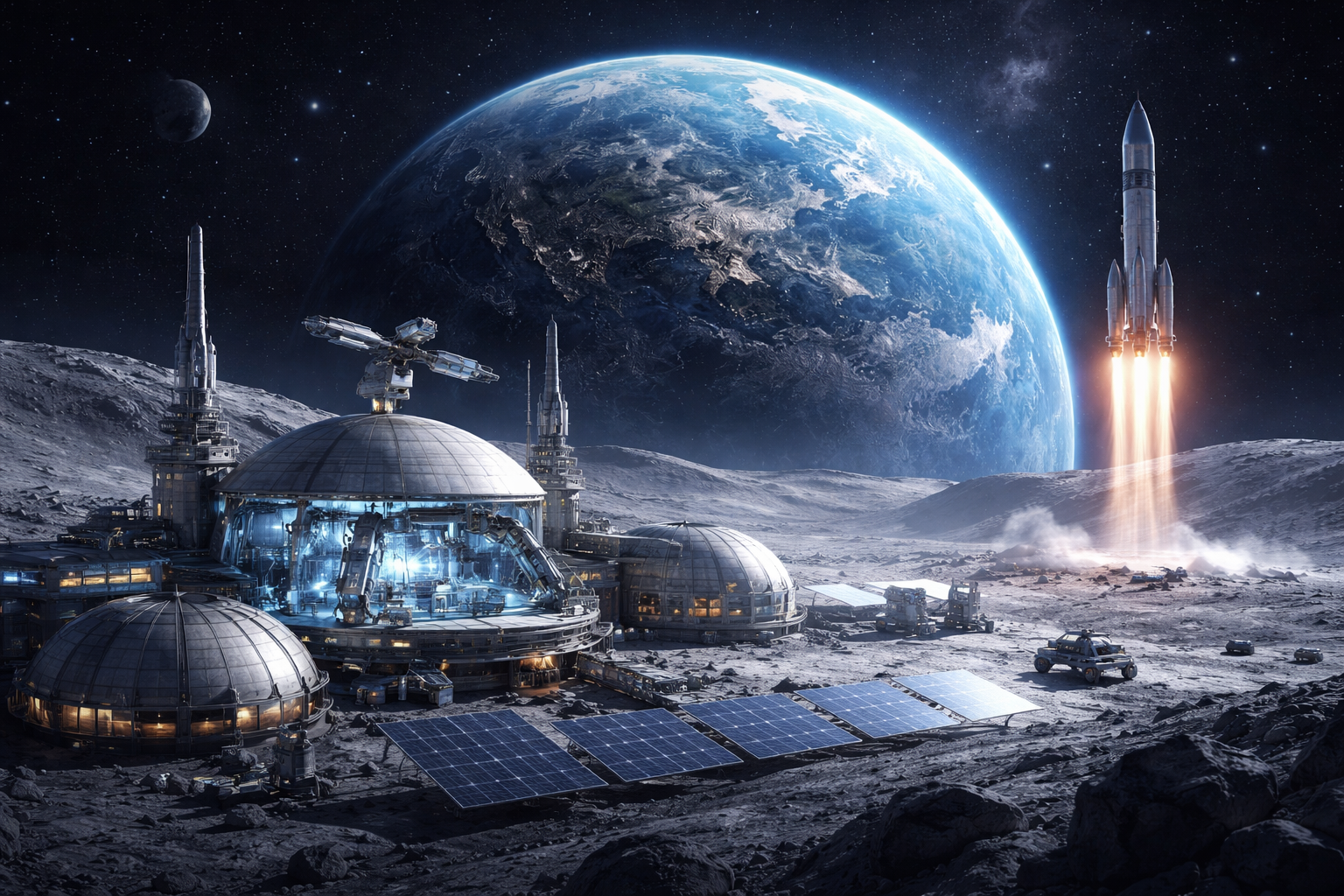
Elon Musk's Moon Gambit: The Trillion-Dollar Pivot Reshaping Space, AI, and Global Power
Why SpaceX's shift from Mars to the Moon accelerates humanity's multi-planetary future while fueling massive AI advancements and outpacing rivals.
SpaceX's recent decision to prioritize a self-sustaining lunar city over immediate Mars colonization marks a strategic turning point. This move slashes development timelines, harnesses unlimited solar energy for AI data centers, and positions the company to dominate emerging space economies amid rising competition from China.
Key Takeaways
SpaceX is delaying Mars missions by five to seven years to focus on the Moon, enabling faster iteration cycles due to shorter travel times and frequent launch windows.
The Moon serves as a testing ground for critical technologies like orbital refueling, habitat systems, and resource utilization, de-risking the longer Mars journey.
Integration with AI through the recent merger unlocks space-based data centers powered by endless solar energy, addressing Earth's power shortages for AI growth.
Competition with China's lunar ambitions drives urgency, with potential trillions in value from lunar resources like water ice for fuel and manufacturing.
This pivot aligns with an upcoming IPO, offering investors tangible milestones in lunar operations, government contracts, and commercial opportunities.
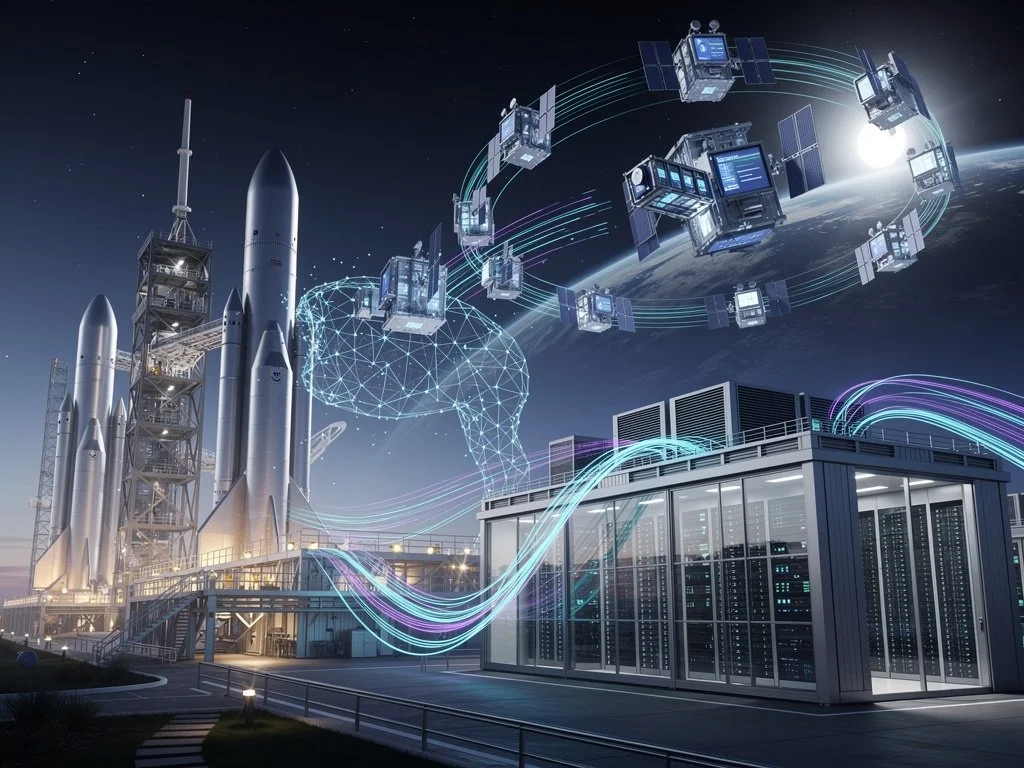
The Musk Megamerger: Building the Ultimate AI Infrastructure Empire
Revolutionizing Compute from Orbit to Earth
A massive merger between SpaceX, Tesla, and xAI could birth a $3 trillion powerhouse that dominates AI by leveraging space for unlimited energy and cooling. This isn't just consolidation—it's a strategic play to own the backbone of the AI era, from rockets to robots.
Key Takeaways
SpaceX, valued at $800 billion, might reverse merge into Tesla's $1.5 trillion structure, potentially including xAI's $230 billion valuation for a combined entity exceeding $3 trillion.
The core driver is overcoming AI's compute bottleneck through space-based data centers, offering constant solar power and passive cooling in orbit.
Synergies include SpaceX's rockets and satellites for deployment, Tesla's manufacturing for hardware scale, and xAI's models for intelligence, creating a vertically integrated AI stack.
Starship enables massive satellite launches, targeting 6,000 compute-enabled units annually, forming a global orbital network.
Risks involve regulatory hurdles, execution challenges in space tech, and geopolitical tensions, but the infrastructure moat could prove unbeatable.
Tesla Just Got "Humiliated" – And It's the Best Thing That Could Have Happened
$1.5 trillion valuation after a second straight year of declining deliveries proves the market sees what headlines refuse to
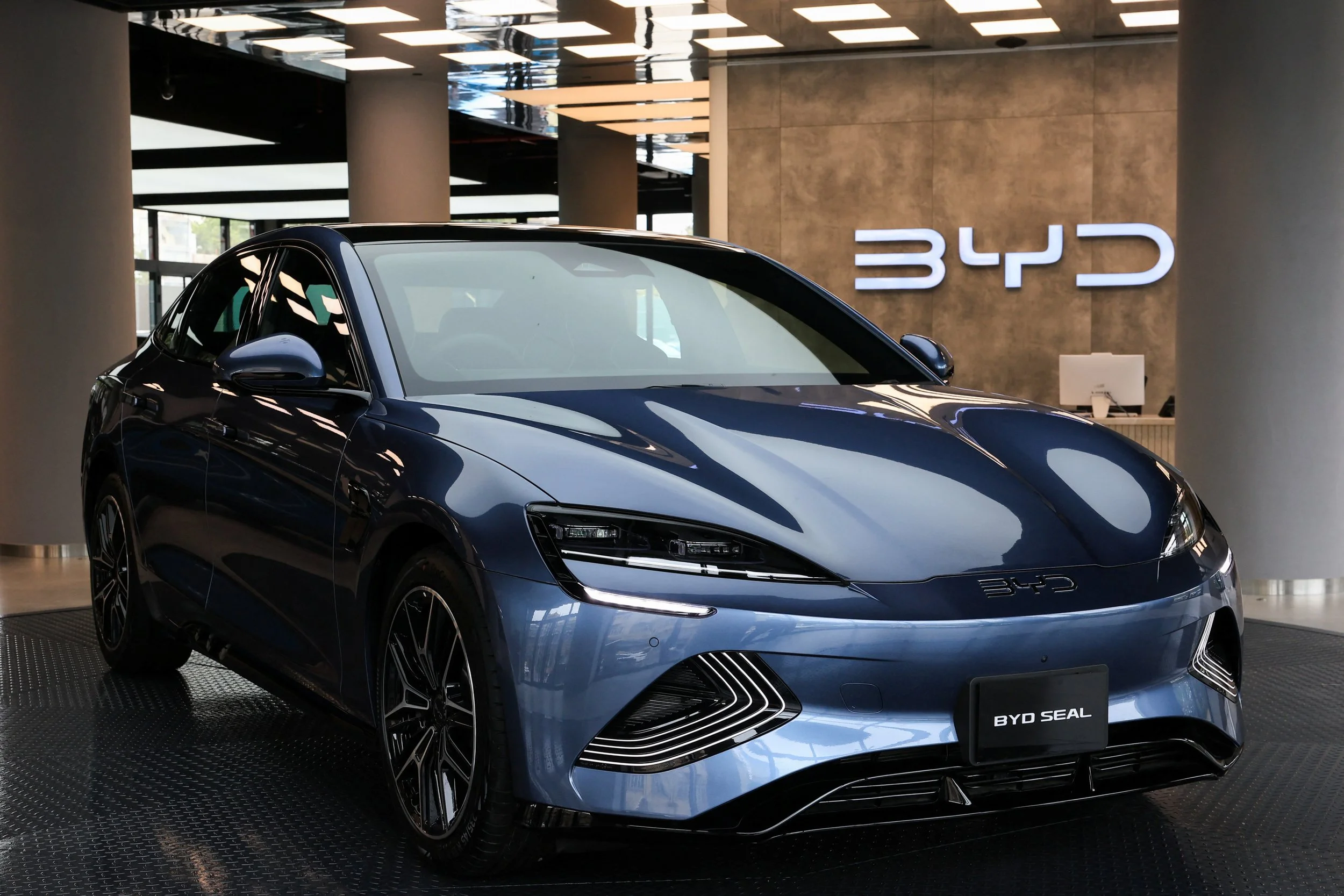
Tesla delivered 1.64 million vehicles in 2025 – down 8.5% from 2024 – while BYD sold 2.26 million pure EVs, up 28%. The crown changed hands again. Headlines screamed defeat. Yet the stock ended the year up 11% at a $1.5 trillion market cap and a P/E of 279 – a multiple that makes Nvidia look cheap. Either every institution on Earth has lost its mind, or the market is aggressively pricing something that has almost nothing to do with selling cars.
It’s the second one.
Key Takeaways
Car deliveries fell 8.5% YoY while the stock rose 11% and hit $1.5 trillion – the highest P/E in big tech
Energy storage deployments more than doubled to 46.7 GWh with Q4 gross margins of 31.4% – nearly 2× the automotive margin
7+ billion FSD miles driven, on track for 10 billion by mid-2026 – no competitor is within an order of magnitude
Unsupervised robotaxi testing (zero humans in the front seat) is live in Austin today, expanding to multiple cities in 2026
Cybercab (purpose-built, no wheel/pedals) mass production still targeted for April 2026 – on schedule so far
BYD unit volume is up but profits are down 30% YoY and gross margins collapsed to ~16% – classic race-to-the-bottom playbook
Tesla is intentionally walking away from the volume game to dominate autonomy, robotics, and grid-scale energy instead
Why Tesla's Optimus Will Dominate the Robot Revolution
The Hardware Bet That's Changing Everything
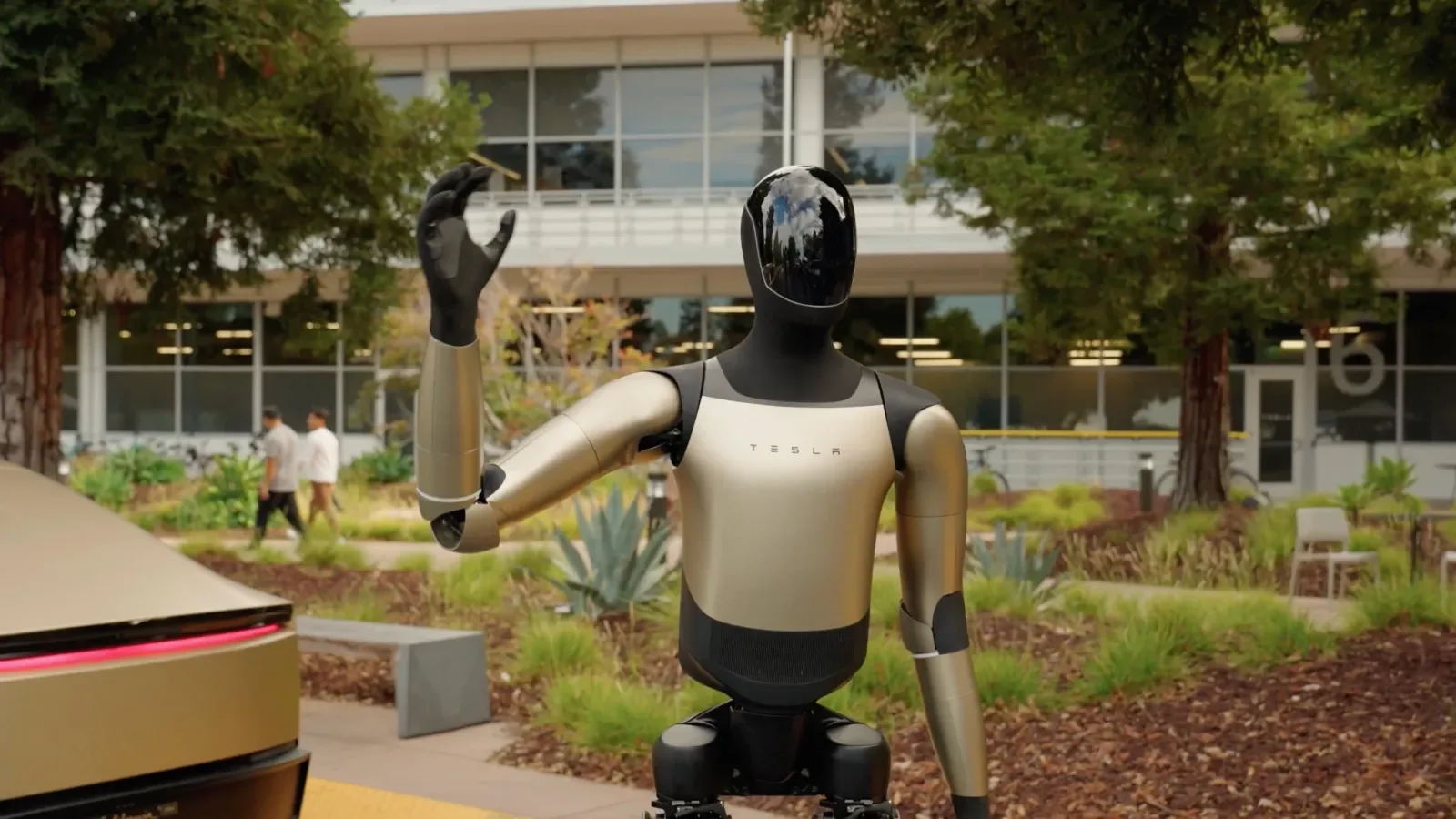
Tesla's approach to building humanoid robots sets it apart by prioritizing future-proof hardware over immediate functionality. While competitors focus on simpler designs that work well today, Tesla invests in complex systems that will unlock human-like capabilities as AI advances rapidly.
Key Takeaways
Tesla designs Optimus with hands featuring 22 degrees of freedom, aiming for near-human dexterity from the start, even if it means slower short-term progress.
Other companies use simpler grippers with fewer degrees of freedom to deploy robots quickly in factories, but this limits their potential for advanced tasks.
AI improvements will allow software updates to enhance Optimus without hardware redesigns, mirroring the evolution of Tesla's self-driving technology.
Tesla's massive data collection from vehicles and future robot deployments creates a self-reinforcing cycle that accelerates AI training.
By 2028-2030, robots with true dexterity could transform industries like manufacturing and medicine, giving early adopters of advanced hardware a massive edge.
Tesla's Game-Changer: No More Buying FSD Outright After February 14
Why This Shift Could Unlock a Trillion-Dollar Robotaxi Era
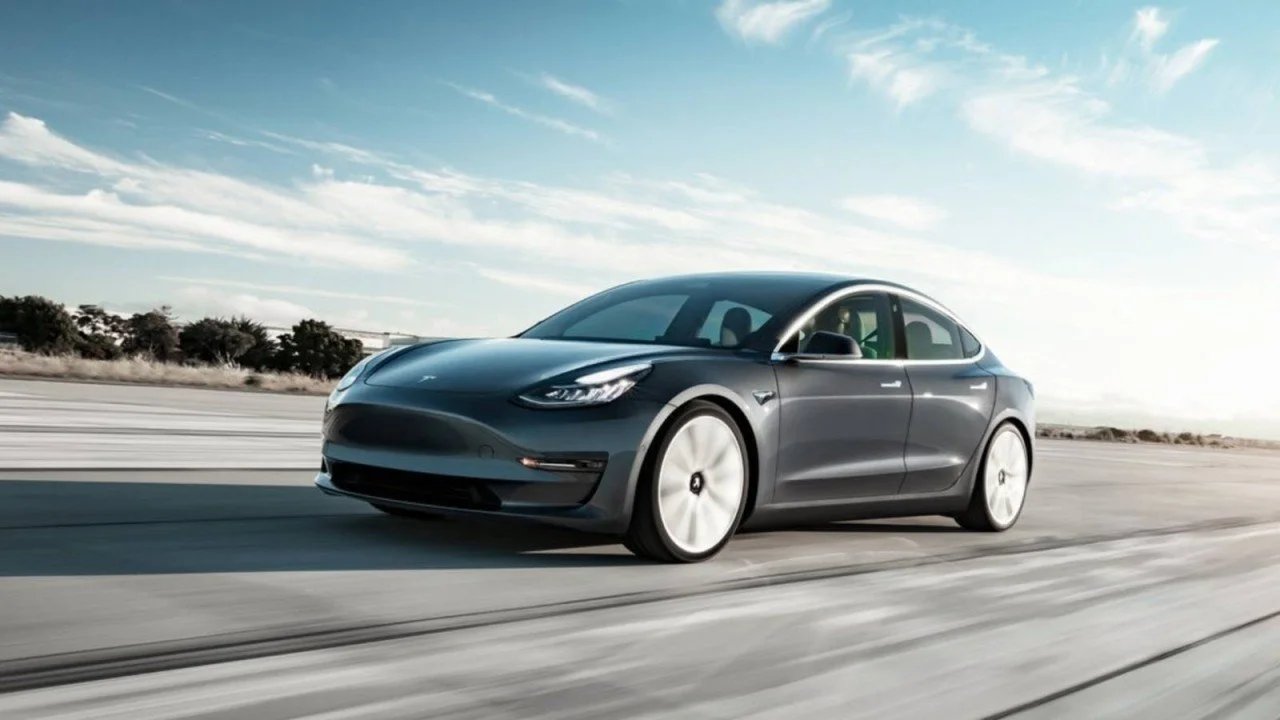
Tesla's decision to eliminate outright purchases of Full Self-Driving (FSD) software marks a pivotal turn toward unsupervised autonomy and widespread Robotaxi deployment. This move positions every Tesla vehicle as a potential revenue generator, transforming personal cars into autonomous assets capable of earning owners substantial income while reshaping urban mobility and boosting the company's long-term profitability.
Key Takeaways
Tesla will stop selling FSD for a one-time $8,000 fee after February 14, shifting entirely to a subscription model starting at $99 per month.
This signals that unsupervised FSD—where drivers no longer need to pay attention—is imminent, potentially arriving by mid-2026, dramatically increasing vehicle value.
Vehicles with unsupervised capabilities could function as robotaxis, generating up to $100,000 in annual profit per car by operating without human intervention.
Existing FSD owners may receive lifetime access, possibly including unsupervised features, while hardware 3 owners could get transfer options to newer models.
The change simplifies pricing, maximizes fleet participation in a future Robotaxi network, and could triple or quadruple Tesla's profit per vehicle through recurring revenue.
Elon Musk's Bold Leap: Cyborg Humans and the Race to Superintelligent AI
Revolutionizing Human Potential Through Tech Integration and Unmatched Innovation
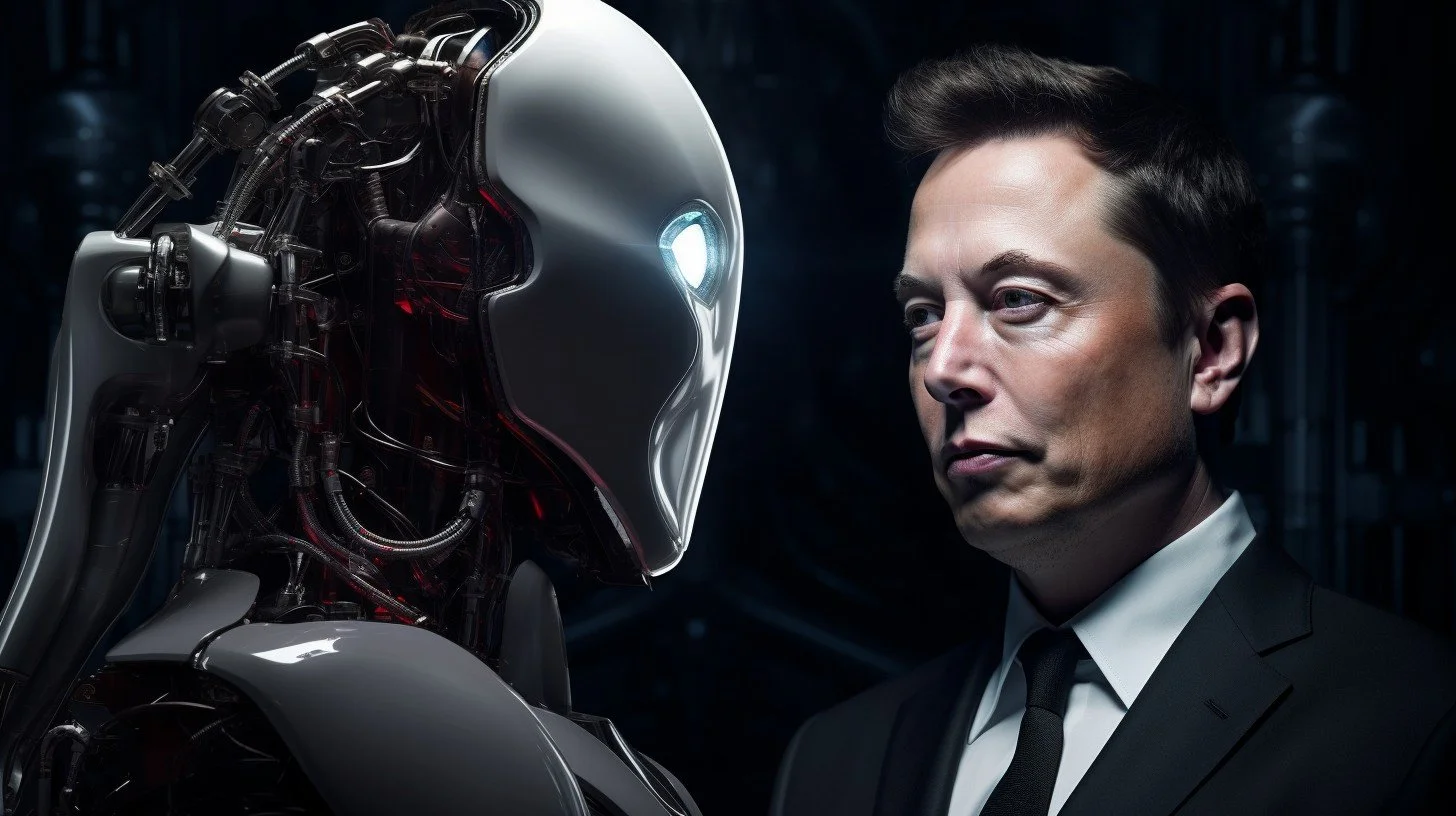
Neuralink implants are restoring mobility to paralyzed individuals, while xAI's Grok 5 aims for artificial general intelligence. Tesla's Optimus robot promises superhuman abilities for those who've lost limbs, and massive data centers are fueling unprecedented AI training speeds. These developments signal a future where physical and digital worlds converge, boosting productivity and exploration.
Key Takeaways
Neuralink has implanted devices in over 10 patients, enabling rapid communication for those with severe paralysis.
Combining Neuralink with Tesla's Optimus robot could create cyborg bodies that allow users to walk, run, and perform at superhuman levels for around $60,000.
xAI, despite starting late, advances faster than competitors due to superior talent, massive hardware deployment, and real-time data from the X platform.
Grok 5, a 6-trillion-parameter model, incorporates multimodal training (text, images, video, audio) and real-time understanding, offering a 10% chance at achieving AGI.
Tesla's manufacturing efficiency hits a car every 35 seconds, with potential to reach 5 seconds, driven by physics-based optimization and chip design expertise.
Future plans include solar-powered AI satellites generating 100 gigawatts annually, expanding consciousness to explore the universe and search for alien civilizations.
AI and robotics will eventually satisfy all human needs, leading to a post-scarcity era where machines focus on their own pursuits.

Elon Musk Drops Bombshell: Flying Cars, AI Dominance, and the Death of Apps
Revolutionizing Tech from Wheels to Wings and Beyond
Electric vehicles are evolving into something far more ambitious, with prototypes set to redefine mobility. At the same time, artificial intelligence is poised to eliminate traditional software structures, while massive compute resources could emerge from unexpected places like car fleets. These shifts promise to reshape industries, but they also highlight risks in unchecked tech power and the need for transparent platforms.
Key Takeaways
A new vehicle prototype demo is imminent, featuring technology that could enable flight and surpass anything seen in fiction.
Efforts to balance AI development against dominant players have backfired, leading to closed systems focused purely on revenue.
Vehicle fleets numbering in the hundreds of millions could deliver unprecedented distributed computing power for AI tasks.
Traditional smartphones will give way to AI-driven devices without operating systems or apps, handling all interactions seamlessly.
Most media and entertainment will soon be generated by AI, with coherent long-form videos already emerging.
AI efficiency can improve dramatically by mimicking the human brain's low-power design, unlocking new capabilities.
Acquiring social platforms has become essential to counter information suppression and preserve open discourse.