

Tesla's Cybercab Pivot: Unlocking Mass-Market Autonomy
Revolutionizing Affordable EVs with a Regulatory Twist
Tesla's upcoming Cybercab is set to reshape the electric vehicle landscape by blending cutting-edge autonomy with practical design adaptations, potentially delivering a sub-$30,000 car that drives itself without constant supervision. This move addresses production bottlenecks and regulatory hurdles, paving the way for high-volume sales starting in 2026.
Key Takeaways
Tesla plans to equip the Cybercab with a steering wheel and pedals if needed, allowing it to bypass strict U.S. regulations that cap driverless vehicle sales at 2,500 units per year.
This design flexibility positions the Cybercab as an affordable EV option below the Model 3's price point, targeting under $30,000 to expand market reach.
Production ramps up mid-2026 on a new assembly line with capacity for around 800,000 units annually, but regulations in the U.S., Europe, and China limit demand for fully driverless models without controls.
Tesla's advanced autonomy tech is nearing completion, enabling unsupervised full self-driving (FSD) capabilities that could make the Cybercab a game-changer for everyday commuting.
By adding traditional controls, Tesla avoids idle factories and maximizes output, drawing from past pivots like the Model Y to meet safety standards while pushing innovation.
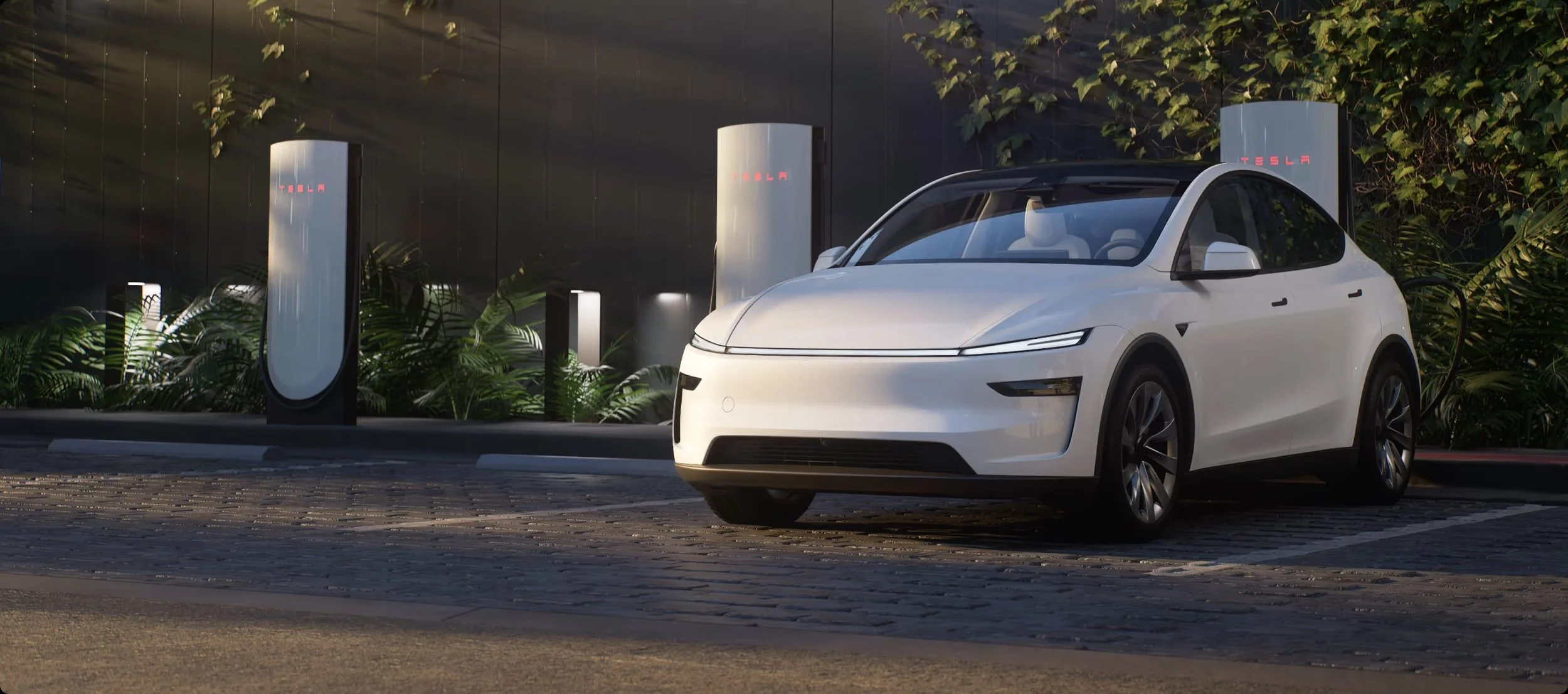
Tesla's Budget EV Breakthrough: The Affordable Model Y Uncovered
Revamping Accessibility in Electric Vehicles Amid Shifting Incentives
Spy shots from Texas highways and firmware leaks have pulled back the curtain on Tesla's push for a more budget-friendly Model Y variant. This stripped-down crossover targets everyday drivers by trimming premium features while keeping the essentials intact, all to maintain production momentum and gather vast amounts of driving data for advancing full self-driving tech.
Key Takeaways
Tesla's affordable Model Y features simplified exterior elements like no front or rear light bars, a front bumper camera, and smaller 18-inch wheels for better efficiency.
Interior cuts include no glass roof, no rear screen, cloth or basic vegan leather seats without ventilation, and a basic audio system to reduce manufacturing costs.
Expected pricing lands between $35,000 and $40,000, making it competitive without relying on expired US EV tax credits.
Production ramps up in the second half of 2025, with rear-wheel-drive as the base option and potential all-wheel-drive upgrades.
This model supports Tesla's strategy to flood roads with vehicles, accelerating data collection for autonomous systems and software revenue.