
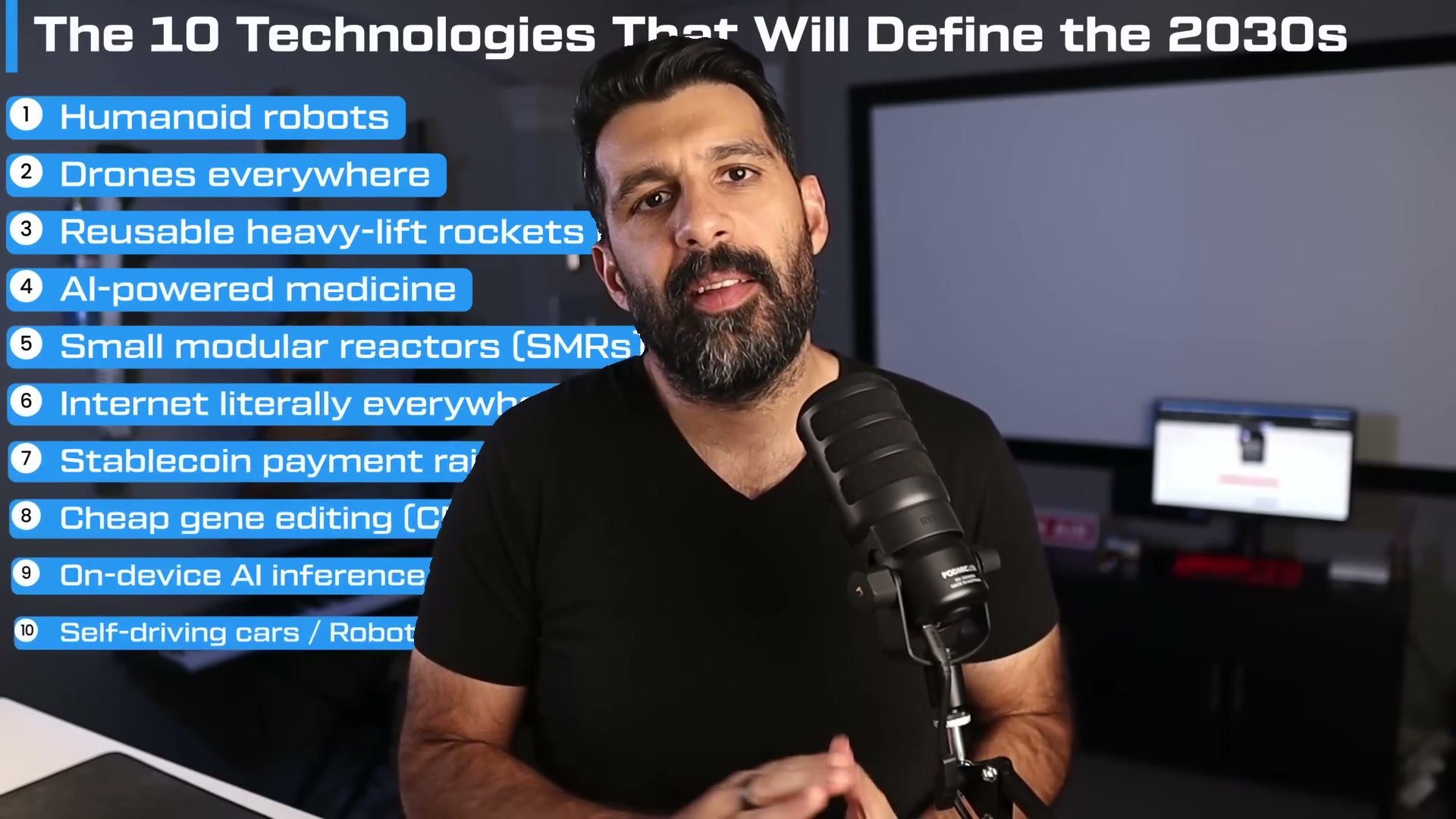
Ten Deployable Technologies Will Redefine Ordinary Life by the Mid-2030s
From robo-taxis and on-device AI chips to CRISPR, stablecoins, Starship, and humanoid labor at roughly $2 an hour, the stack that hits mass scale between 2030 and 2039 is already leaving the lab.
Tesla's Registered Texas Robotaxi Fleet Reaches 102 Model Ys as Steering-Wheel-Free Cybercab Hits Austin Roads
Tesla has more than doubled its registered Austin-area robotaxi fleet since late May and is now road-testing a production Cybercab without a steering wheel or pedals, even as regulation, not vehicle count, remains the real gate on unsupervised service.
Tesla Turns On Unsupervised Robotaxi Rides in Miami, Its First Market Outside Texas and California
The July 3rd launch pushes driverless Model Y ride-hailing into a third state and straight into Waymo’s home turf, even as Tesla stays silent on fleet size, pricing, and safety data.
Tesla Delivers 480,126 Cars in Q2 as 13.5 GWh Storage Quarter Steals the Story
A 25% year-over-year delivery jump blew past the ~406,000 Wall Street expected, yet shares still dropped about 7% and the real signal sat in an energy business now deploying near-record storage ahead of the July 22nd earnings update.
Tesla Job Listing Signals In-House Push Into Distributed AI Training and Inference
Two Palo Alto software engineering roles built around PyTorch and low-level GPU tooling point to Tesla owning the AI compute layer that sets how fast it can scale FSD, Optimus, and the CyberCab, even as viral crash narratives and safety scrutiny escalate alongside.
SpaceX Lands First Investment-Grade Ratings, Notches Above Tesla, as Robotaxi Groundwork Clears SFO
Moody’s, S&P, and Fitch all stamped the privately-held launch company investment-grade—Moody’s BA-1 sitting two notches above Tesla’s BA-3—while Tesla quietly won airport ride-hailing rights in San Francisco, shipped FSD v14 to Australia and New Zealand, and pushed its Australian Supercharger count
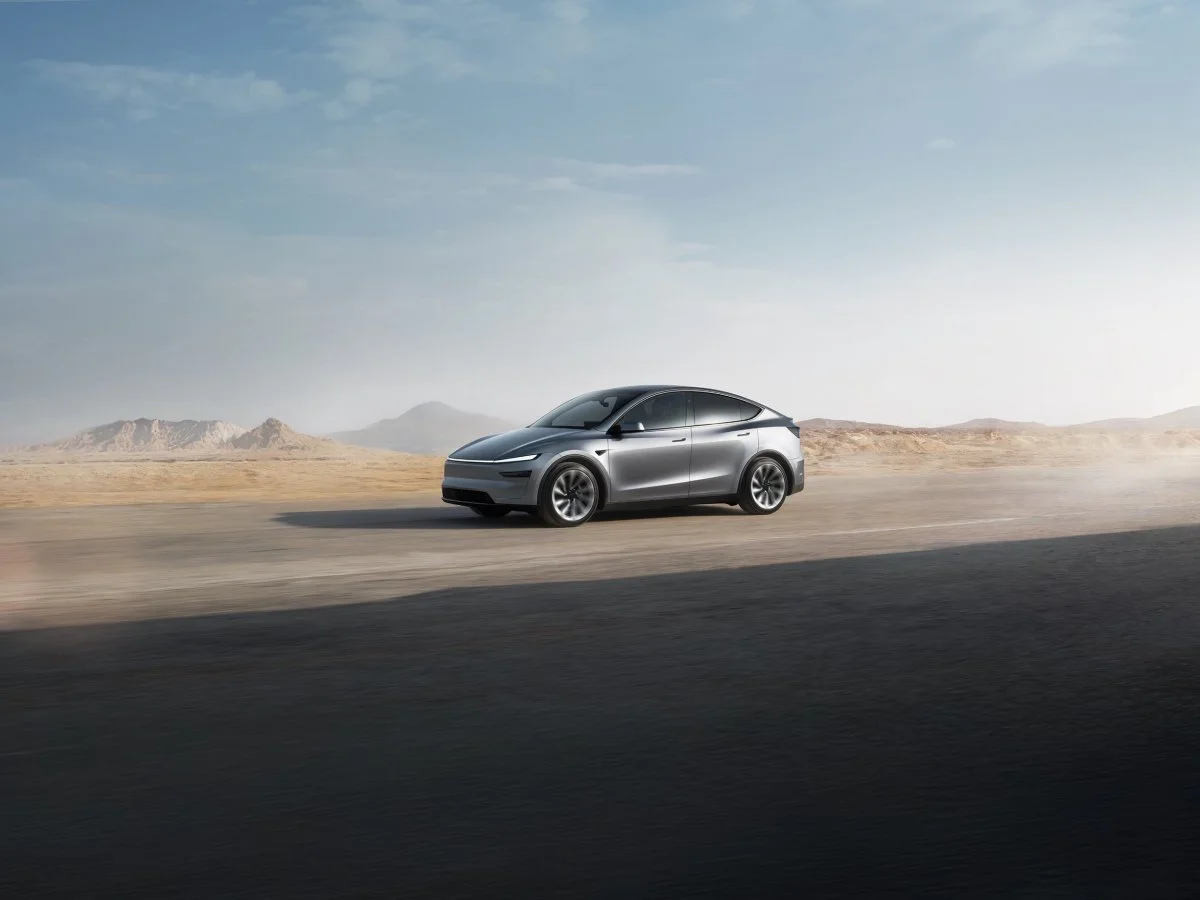
Why Tesla's Robotaxi Advantage Is Growing Faster Than Anyone Notices
It's not the current fleet size that matters most—it's the explosive growth in data miles and production scale driving down costs exponentially.
Tesla is pushing unsupervised robotaxis into more Texas cities, while competitors like Waymo operate thousands of vehicles across multiple metros. Yet the numbers reveal one player building an insurmountable lead through sheer data volume and manufacturing muscle. With 10 billion cumulative full self-driving miles already logged and the count growing by a billion monthly, the foundation for cheaper, smarter autonomy is solidifying rapidly.
Key Takeaways
Tesla's cumulative FSD miles stand at around 10 billion—50 times the roughly 200 million driverless miles accumulated by its closest rival across its entire history.
Both double autonomous miles approximately every nine months, but Tesla's vastly larger base means its lead widens dramatically each cycle.
Tesla achieves robotaxi costs near 81 cents per mile today, roughly 60% of competitors' current levels.
Production capacity gives Tesla the ability to manufacture hundreds of thousands of capable vehicles quarterly, dwarfing rivals reliant on third-party supply.
Paid unsupervised robotaxi miles nearly tripled quarter-over-quarter in early 2026, signaling accelerating commercial traction.
At scale, autonomous transportation could drop to 25 cents per mile, slashing annual personal mobility costs from hundreds to thousands of dollars.
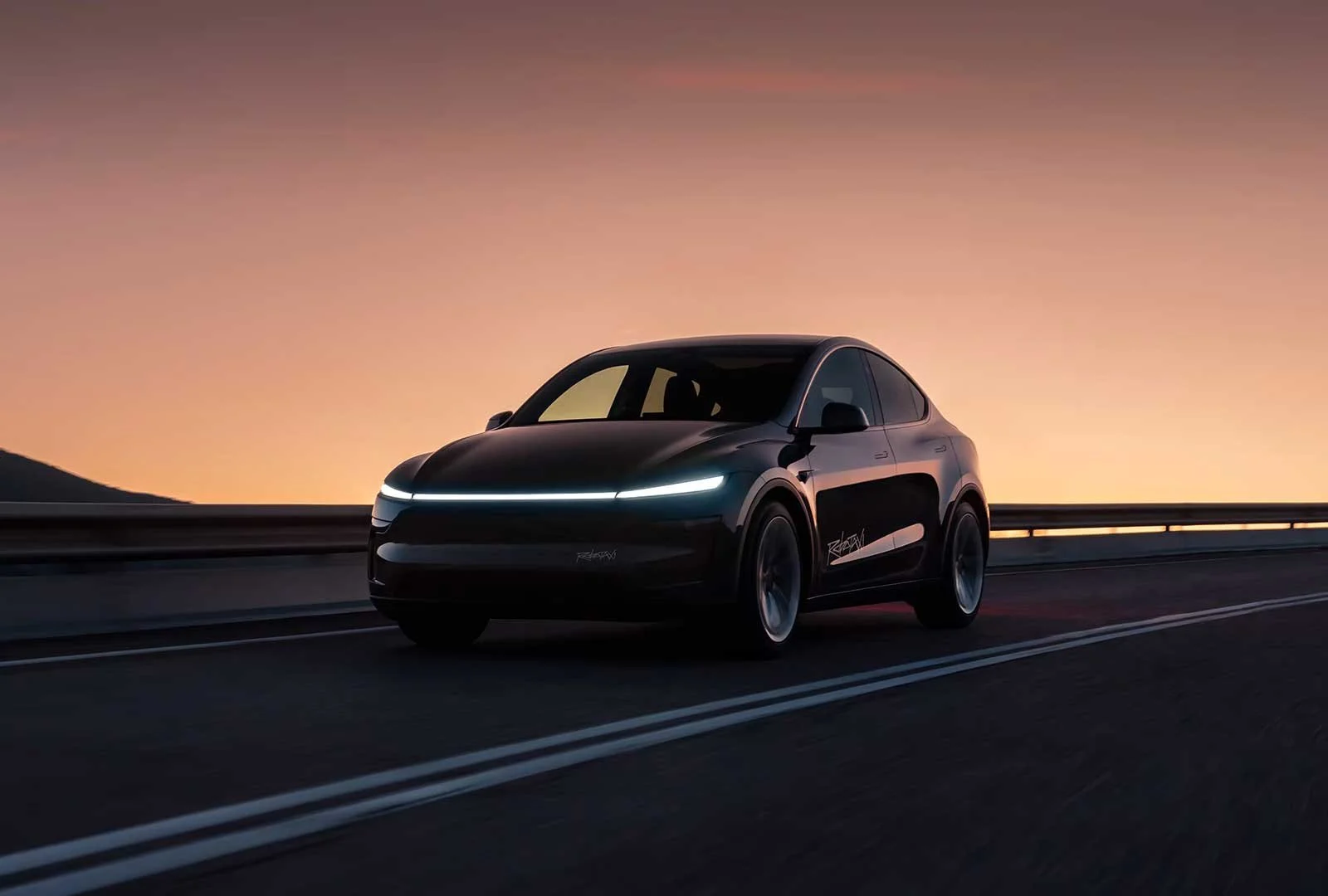
Tesla's Robotaxi Revolution: Crushing Competitors with Cost and Scale
Why Tesla Could Dominate Ride-Sharing and Leave Waymo in the Dust
Robotaxis are set to transform urban mobility, slashing costs while boosting safety and convenience. Yet, early players like Waymo struggle with high expenses and limited scalability, creating an opening for Tesla's efficient, hybrid fleet model to seize massive market share.
Key Takeaways
Robotaxis from Tesla could operate at costs several times lower than competitors, thanks to affordable vehicles and vision-only tech stacks.
Waymo's current model remains uncompetitive against traditional ride-sharing due to expensive cars and sensors, limiting market share to around 15-20% in any single city.
Tesla's hybrid approach—combining company-owned fleets for base demand with owner-contributed cars for peaks—reduces capital needs by up to seven times compared to rivals.
The ride-sharing market is highly elastic; lower prices from Robotaxis could expand total miles driven by 4x or more, displacing public transit options.
Regulation may lag but won't stop adoption, as historical precedents like ride-sharing show public demand overrides barriers.
In the long term, the market might evolve into an oligopoly, with Tesla leading and challengers like Uber partnering with secondary Robotaxi tech providers.
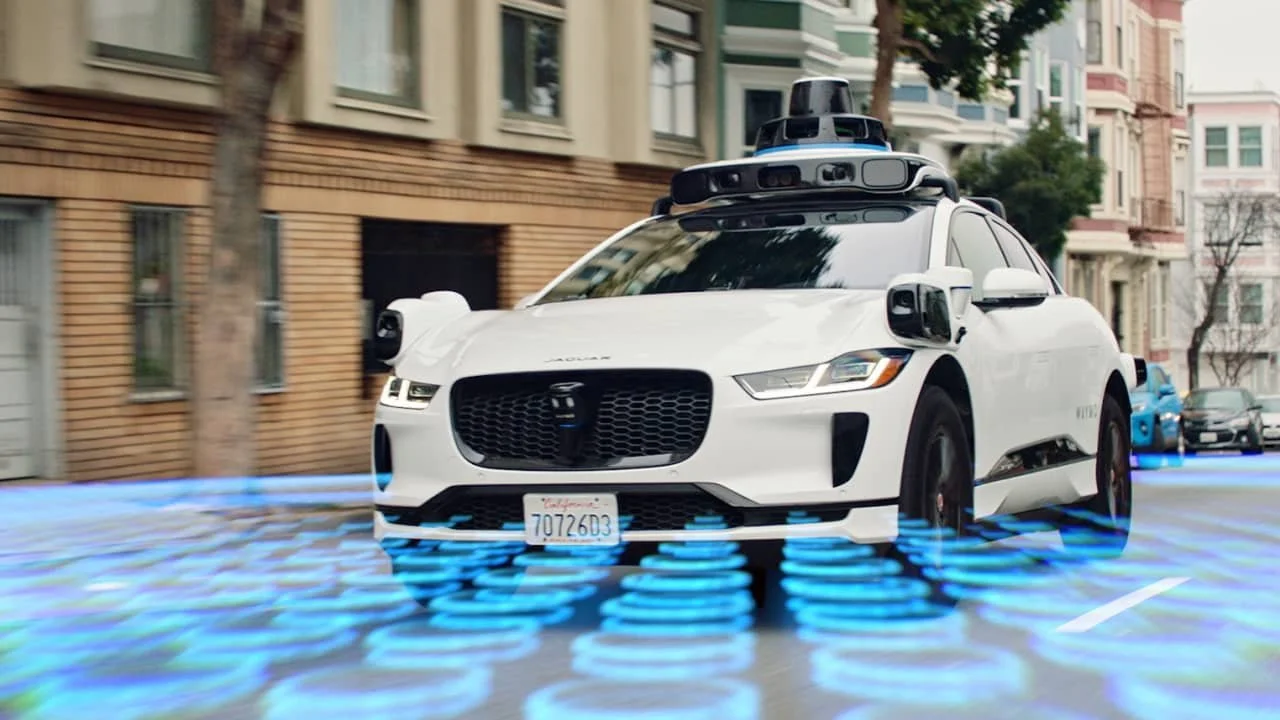
Tesla's Robotaxi Revolution: Why Scale Will Eclipse Waymo's Lead
The Battle for Autonomous Mobility Heats Up as Tesla's Generalized AI Approach Poised to Redefine the Industry
Tesla's strategy in autonomous vehicles centers on building from the ground up with minimal hardware, aiming for massive scale that could rapidly outpace competitors focused on high-cost, region-specific systems. This shift promises not just safer rides but a complete transformation in urban transportation economics.
Key Takeaways
Tesla prioritizes low-cost hardware like eight cameras to enable widespread deployment, contrasting with competitors' reliance on complex sensors and mapping.
While some players lead in current driverless operations across multiple markets, Tesla's focus on generalized AI could allow instant scaling without geographic limits.
Successful validation of Tesla's safety levels could turn its manufacturing dominance into an unbeatable edge in robotaxis.
Current rollouts emphasize safety and data collection, with acceleration in regions and fleet size as key indicators of progress.
Pricing strategies signal a push toward the lowest cost per mile, leveraging scale for long-term profitability once demand surges.
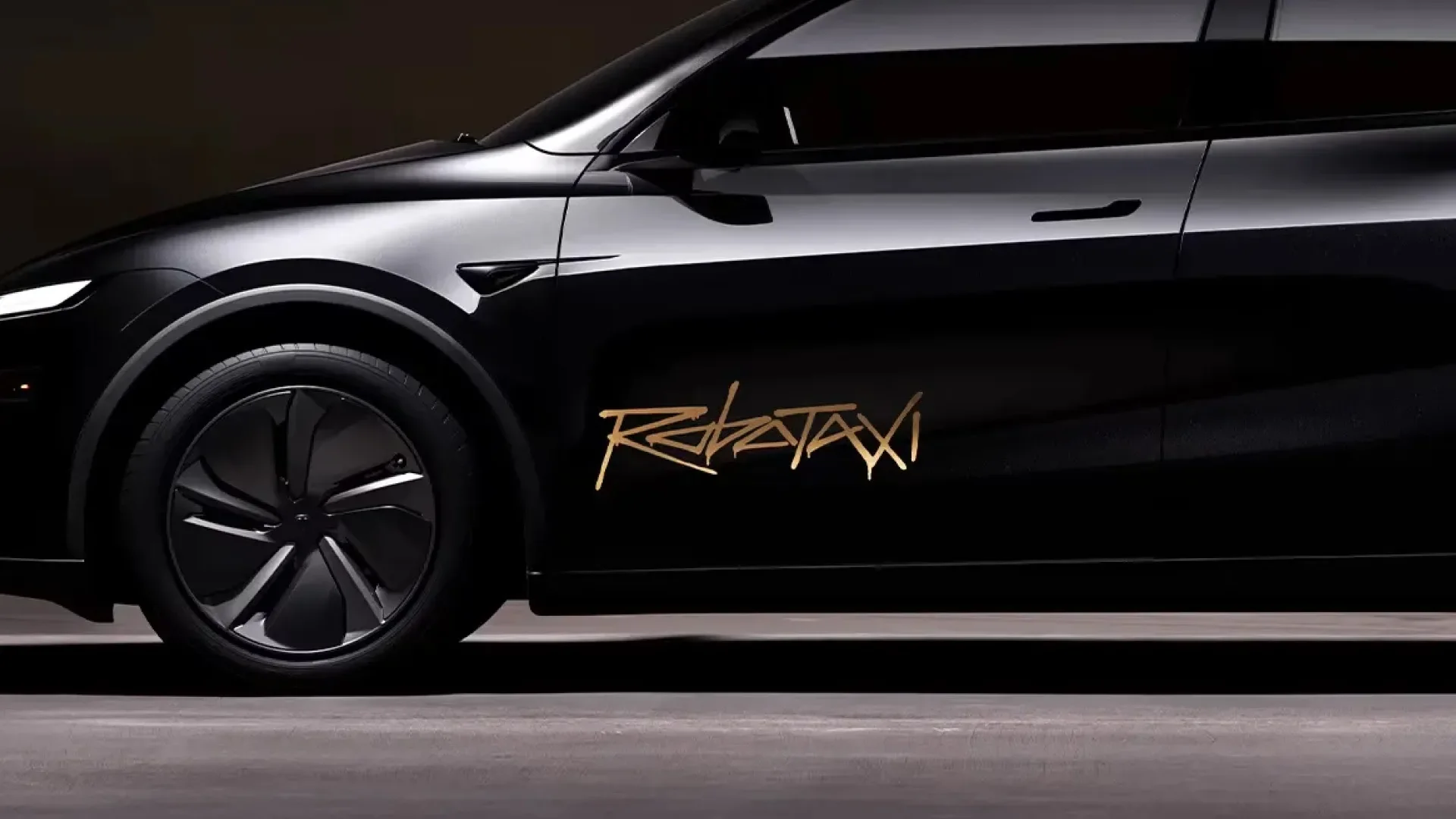
Tesla Robotaxi Unleashed: Wide Access Signals Autonomous Dominance
Inside the Expansion That's Set to Transform Urban Mobility
Tesla's Robotaxi service has gone live for all iOS users, unlocking ride-hailing in the Bay Area and autonomous rides in Austin, Texas. Users across regions like Dallas-Fort Worth, North Carolina, Boston, and even Canada report instant access upon downloading the app. This broad rollout underscores confidence in recent tech upgrades, paving the way for massive fleet growth and safer roads ahead.
Key Takeaways
Tesla's Robotaxi network now accessible to any iOS user, with immediate service in key areas like the Bay Area and Austin.
Fleet expansion targets 500 vehicles in Austin and 1,000 in the Bay Area by year-end, driven by production capacity of over 2 million cars annually.
Latest Full Self-Driving (FSD) version delivers intervention-free drives and multiple times safer performance than average U.S. drivers.
Data shows spikes in miles between critical interventions, supporting wider deployment to cut insurance costs and save lives.
Competition heats up with Waymo expanding to new cities and Zoox launching in San Francisco, but Tesla's AI-driven approach and manufacturing edge position it for faster scaling and lower costs.
Tesla vehicles handle highways seamlessly, unlike some rivals limited to urban zones due to design constraints.
Pricing in Austin starts around $1 per mile, undercutting competitors at $2.50–$3 per mile, with potential for further reductions as fleets grow.
Expansion to 8–10 U.S. metro areas by year-end, including tests in smaller spots like Harrisburg, Pennsylvania, to influence policy.