
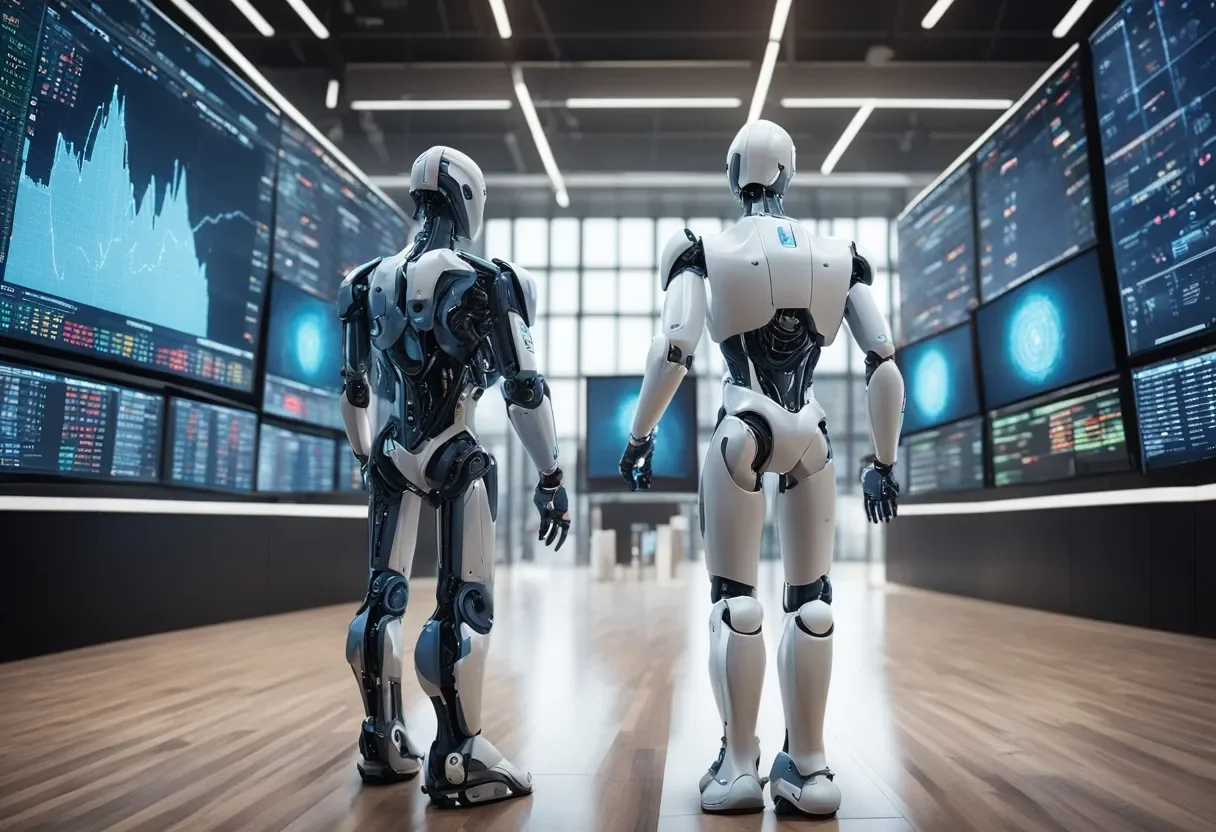
The Dawn of History's Greatest Bull Market
How AI Will Transform Wealth Creation
We’re entering what could be the most explosive period of value creation in modern history—driven not by financial engineering, but by AI, robotics, and automation.
Some of the world’s largest tech companies are growing at 70%+ from billion-dollar baselines. AI tools are reaching hundreds of millions of users in months. And the convergence of software intelligence with physical automation—self-driving vehicles, factory robots, autonomous logistics—is creating entirely new product categories and revenue streams.
This isn’t a tech cycle. It’s a transformation in how value is created, distributed, and captured across the entire economy.
Inside this breakdown:
Why AI infrastructure could underpin a generational bull market
How automation is driving margin expansion across industries
What new wealth-distribution models could emerge from mass job displacement
And why investors are pricing companies more like platforms than businesses
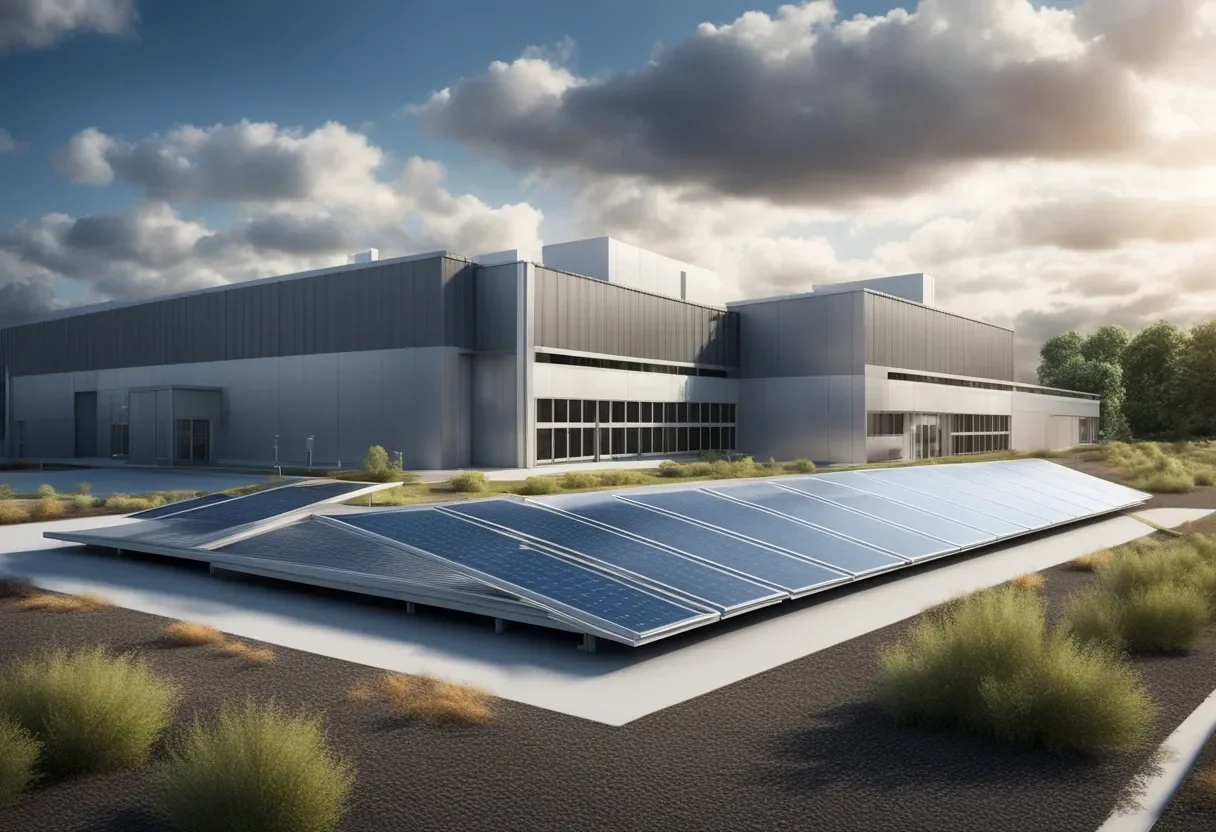
Tesla's Battery Revolution
AI data centers demand instant power shifts that grids can't handle—batteries step in to smooth the ride and unlock massive efficiency gains.
AI computing has exploded, but its hidden cost is massive power volatility that threatens grid stability. Short-duration batteries address this by absorbing surges and optimizing energy flow, turning a technical headache into a profitable edge. In flexible markets like Texas, these systems are proving their worth, potentially creating a trillion-dollar industry as AI scales up.
Key Takeaways
AI data centers create rapid power fluctuations from synchronized GPUs, stressing traditional grids with megawatt-scale spikes multiple times per second.
Short-duration batteries (2-4 hours) excel at managing these brief surges, offering better efficiency than long-duration options or wasteful GPU idling.
Battery systems can pay for themselves through energy savings by reducing peak power needs and optimizing usage.
Flexible power markets, like those in Texas, accelerate AI infrastructure growth by enabling quick adaptations and cost-effective solutions.
As AI expands, energy storage emerges as essential infrastructure, bridging current grid limits with future computing demands.
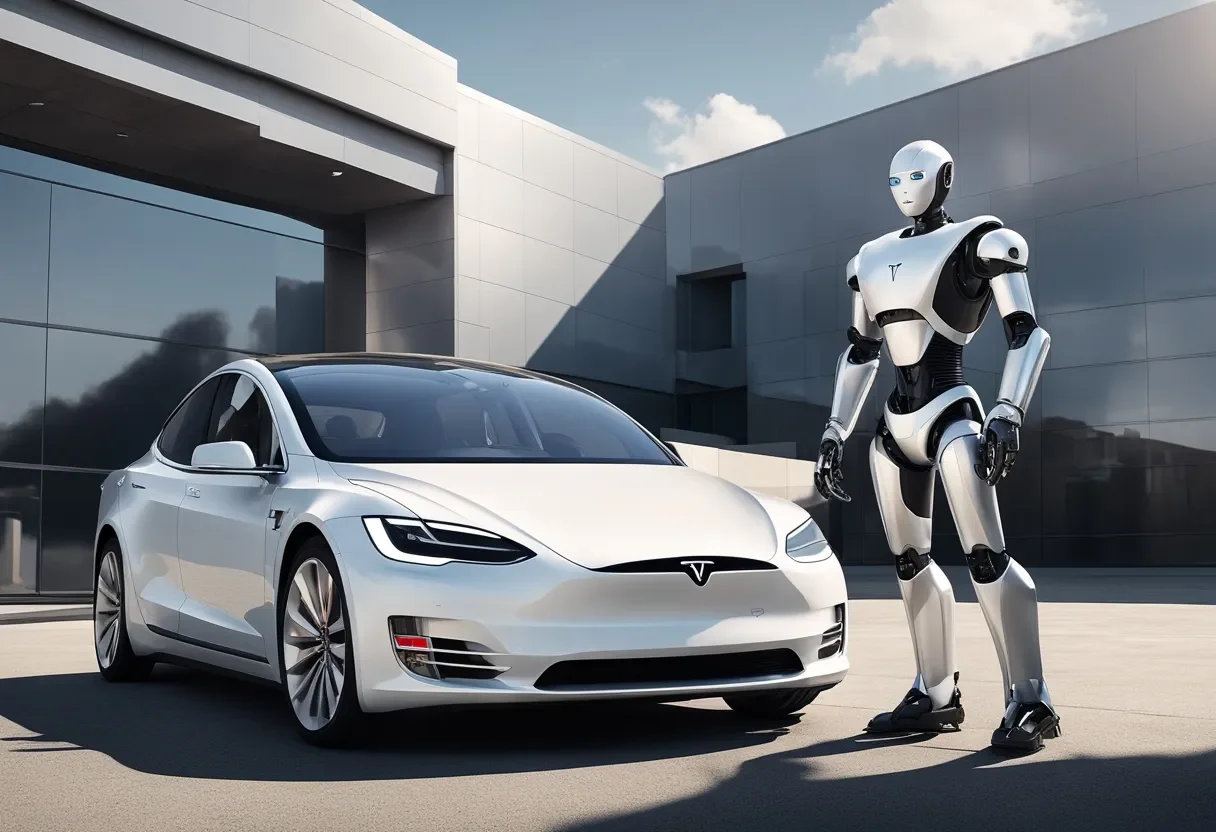
Tesla's Vision
Tesla's Optimus: A Blueprint for Outrunning Debt Through Automation
As federal spending continues to climb without meaningful cuts in sight, a fresh approach is gaining traction: leveraging advanced robotics to drive massive GDP growth. Tesla's humanoid robot program stands out as a prime example, with potential to transform productivity across everyday tasks and industrial operations, making economic expansion the key to managing fiscal pressures.
Key Takeaways
Humanoid robots priced around $30,000 to $40,000 could operate for 5-10 years with low maintenance, slashing costs in services like cleaning and delivery.
By learning tasks through observation and AI, these machines accelerate adoption in homes, warehouses, and factories, boosting overall economic output.
Automation at this scale targets GDP growth to counter rising debt, shifting focus from policy reforms to technological leaps.
Job shifts in driving, manufacturing, and services pose transition risks, but open doors for new entrepreneurial opportunities.
Recent demos show robots handling complex movements and interactions, signaling readiness for broader deployment soon.
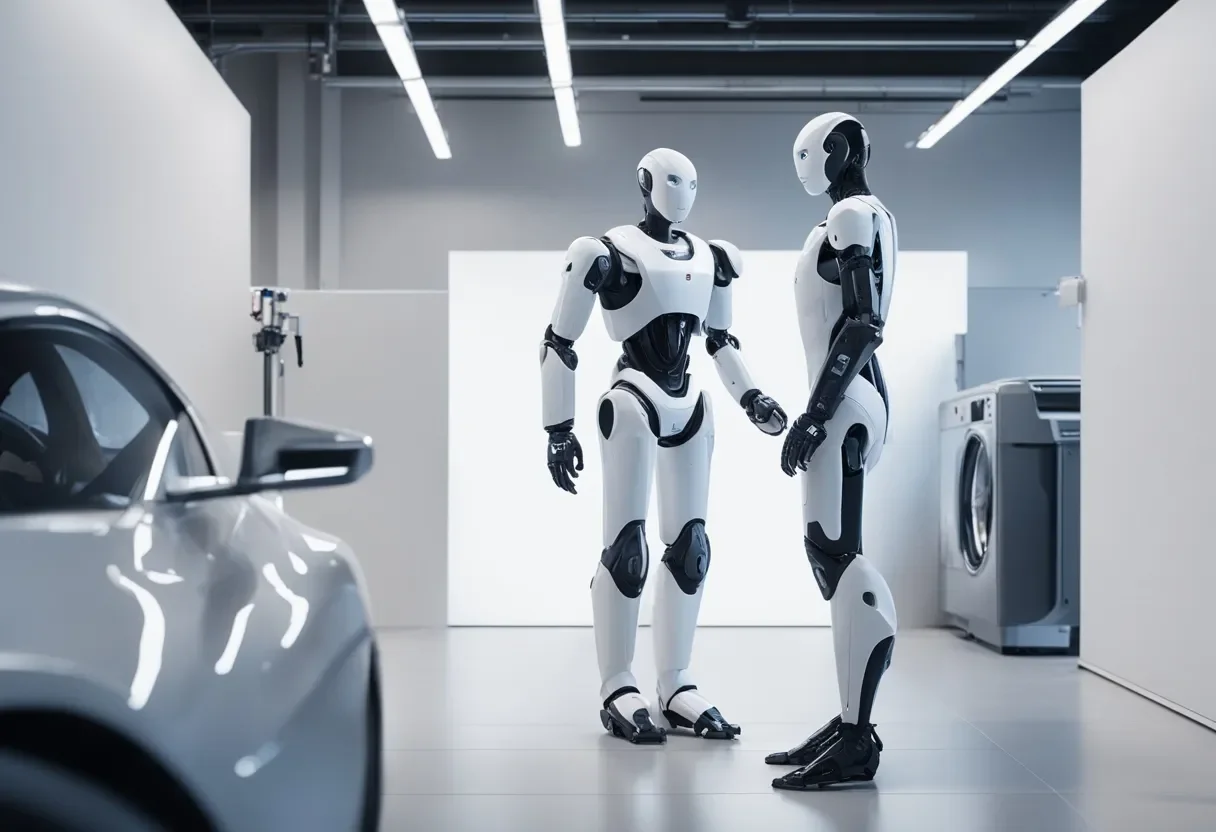
Tesla's AI Revolution
Redefining Machine Intelligence Through Observation and Scale
Tesla's latest robotics demo shows how AI can learn tasks by simply watching humans, marking a pivotal change in robot training. This method speeds up deployment while making machines more versatile, and it's powering advancements in self-driving cars too. Combined with massive manufacturing capabilities, this could make intelligent robots affordable and widespread, reshaping industries as regulations begin to catch up.
Key Takeaways
Robots can now learn complex tasks from video demonstrations, eliminating the need for manual programming and accelerating their adaptability.
The same AI system enhances self-driving vehicles by processing visual data to handle intricate driving situations more effectively.
Large-scale manufacturing experience enables cost-effective production of advanced robots, potentially driving down prices through high-volume output.
Evolving regulations, including potential federal frameworks, are paving the way for broader adoption of autonomous technologies.
This integration positions AI as a core driver across products, from vehicles to industrial equipment, signaling a broader shift in human-machine collaboration.