

Tesla's AI Frontier: Robots, Rides, and the Race to Superintelligence
Exploring the rapid advancements in humanoid robotics, autonomous transport, and AI that could multiply global economic output tenfold while navigating production hurdles and societal shifts
Humanoid robots are advancing faster than expected, with prototypes demonstrating precision in tasks like caregiving and factory work, while autonomous vehicles are hitting roads in select cities. These developments point to a future where machines handle dangerous jobs, boost productivity dramatically, and free humans to pursue meaning beyond labor—but scaling production and overcoming regulatory barriers remain key obstacles.
Key Takeaways
Humanoid robots could target a market of 20-50 billion units, generating trillions in revenue at scale, with initial focus on high-value roles like 24-hour medical assistance and hazardous industrial tasks.
Autonomous robotaxis, designed without steering wheels or pedals, have launched in Austin and are expanding to other U.S. cities, promising safer roads and efficiency gains, though regulatory approvals and public trust are slowing broader rollout.
AI progress is accelerating toward superintelligence, potentially curing diseases and eliminating poverty, but safety relies on rigorous truth-seeking and iterative improvements to align systems with human values.
Engineering humanoid robots demands replicating the human body's intricate mechanics, such as hand dexterity, drawing from automotive expertise to achieve lifelike precision and responsiveness.
A compelling long-term mission drives innovation, aligning teams on goals like sustainable energy and multi-planetary life, while rapid experimentation determines success over static products.
Societal challenges include job displacement for 19% of global workers in driving roles, fear of losing control in autonomous systems, and the need for policies like universal basic income to ensure equitable abundance.
By late 2025, robot production faces delays, with Tesla aiming for thousands of units despite setbacks, while AI models like Grok 4 integrate video generation and real-time search for enhanced usefulness.
Tesla’s AI Revolution: Samsung Chip Deal Signals a Bold Future
How Tesla’s $16.5 Billion Partnership with Samsung for the AI6 Chip Could Redefine AI, Robotics, and Supply Chains
Tesla’s $16.5 billion deal with Samsung to produce the AI6 chip, set to power autonomous vehicles, humanoid robots, and AI data centers starting in 2027, marks a pivotal moment for the company. This strategic move, coupled with Tesla’s advancements in Full Self-Driving (FSD), robotaxis, and the Optimus humanoid robot, underscores its transformation from an electric vehicle (EV) manufacturer to a leader in AI and robotics. Despite challenges in its core EV business, Tesla’s stock has shown resilience, reflecting investor optimism about its AI-driven future. Here’s what this means for Tesla, its supply chain, and the broader AI landscape.
Key Takeaways
Strategic Partnership: Tesla’s $16.5 billion deal with Samsung to produce the AI6 chip at its Texas foundry aims to secure a robust supply chain for AI-driven products, including self-driving cars and Optimus robots, starting in 2027.
Stock Performance: Despite weak EV sales and negative sentiment around Tesla’s political controversies, its stock has risen approximately 45% over the past year, driven by progress in FSD, robotaxis, and robotics.
AI6 Chip Versatility: The AI6 chip is designed for both AI training and inference, potentially reducing costs and improving efficiency across Tesla’s ecosystem of vehicles, robots, and data centers.
Supply Chain Diversification: Partnering with Samsung reduces Tesla’s reliance on TSMC and Nvidia, mitigating geopolitical risks tied to Taiwan and ensuring long-term chip supply for ambitious AI goals.
Humanoid Robot Ambitions: Tesla’s Optimus robot, with production targets of 5,000 units in 2025 and millions by 2030, could tap into a $38 billion market by 2035, with applications in logistics, manufacturing, and urban services.
Market Implications: The deal challenges Nvidia’s dominance in AI hardware and pressures TSMC to innovate, while positioning Samsung as a stronger player in the foundry market.
Tesla's Bold Leap into Custom AI Silicon
Unlocking the future of autonomous vehicles, humanoid robots, and massive-scale AI training through a game-changing partnership.
Tesla has just sealed a massive partnership that could reshape the AI hardware landscape, positioning the company to control its destiny in chip production while boosting U.S. manufacturing. This move addresses supply chain vulnerabilities, cuts costs, and accelerates innovation in everything from self-driving tech to robotics.
Key Takeaways
Tesla's new AI6 chip aims to handle both AI training and inference on a single architecture, optimizing for vehicles, robots, and data centers.
A $16.5 billion deal with Samsung taps into a Texas-based fab for production, enhancing efficiency and reducing reliance on overseas suppliers.
This strategy mirrors past vertical integration successes, like battery production, to secure supply for ambitious AI goals.
Broader implications include strengthening U.S. chip manufacturing amid global tensions and fostering competition that drives industry-wide advancements.
The partnership leverages expertise from key engineers to create specialized hardware tailored to real-world AI demands.
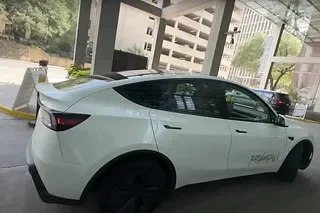
The Robotaxi Revolution: Unlocking Austin's Future of Autonomous Mobility
Redefining Commutes, Costs, and the AI-Driven World Ahead
Robotaxis are transforming urban life in Austin, slashing commuting costs while boosting productivity. Expansions signal rapid scalability, outpacing competitors and paving the way for highway integration. Beyond transport, AI ecosystems are emerging, blending seamless memory across devices and sparking innovations in delivery and societal structures.
Key Takeaways
Robotaxis in Austin now enable cost-effective commutes from suburbs, reducing parking fees from $50+ to near zero and adding productive time during rides.
Geofence expansions doubled in three weeks, with meme-shaped boundaries hinting at flexible, viral marketing and imminent broader coverage including highways.
Tesla's approach outperforms Waymo in scalability, potentially covering entire metro areas soon and offering perks like free employee transport at Gigafactories.
Highways are key to connecting rural and urban zones, enabling long-distance trips with smart fleet allocation and charging stops.
Grok integration in vehicles creates persistent AI memory, extending to ecosystems that could unify transport, devices, and even interplanetary travel.
AI competition is fierce, with xAI focusing on rapid innovation to challenge OpenAI's consumer lead through superior models and viral features.
Apple faces risks of stagnation in AI, potentially leading to hostile takeovers by cash-rich innovators valuing its supply chain under a trillion-dollar cap.
New primitives like drone deliveries (Zipline) and underground robots (Pipe Dream) promise cheaper, faster physical e-commerce, disrupting last-mile logistics.
Batteries drive all advancements; better, faster, cheaper energy storage is essential for drones, vans, and semis.
Societal shifts from AI job disruptions demand temporary redistribution mechanisms to foster entrepreneurship over permanent government dependency.
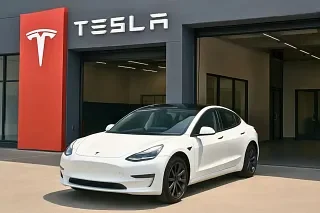
Tesla's India Gambit: High Prices Today, Autonomous Dominance Tomorrow
Revolutionizing Mobility in the World's Largest Market Through Data and AI
Tesla's recent entry into India marks a pivotal moment for electric vehicles and self-driving technology. By starting with the Model Y at premium pricing, the company positions itself to collect vast amounts of real-world data from one of the planet's most challenging driving environments. This could accelerate advancements in autonomy, enabling cheaper models and widespread adoption that bypasses traditional car ownership patterns.
Key Takeaways
Tesla launched the Model Y in India on July 15, 2025, with prices starting at around $71,500 due to high import tariffs, limiting initial appeal to a tiny fraction of the population.
The strategy focuses on long-term data gathering in India's dense, unpredictable roads to refine self-driving software, potentially leading to tariff reductions and more affordable vehicles.
Developing nations like India may skip mass personal car ownership, jumping directly to shared autonomous fleets, similar to how cell phones bypassed landline infrastructure.
Tesla's pure AI-driven approach to autonomy allows rapid scaling, as seen in recent expansions of its supervised robo-taxi service in Austin, outpacing competitors reliant on heavy mapping and sensors.
Future developments could include cheaper models, local manufacturing, and highway-capable self-driving, expanding robo-taxi networks across urban and suburban areas.

Grok 4 Ushers in a New Era of AI Dominance
Why Scale is Redefining the Race to Superintelligent Machines
The latest advancements in AI are reshaping industries at breakneck speed, with breakthroughs that promise to accelerate progress toward human-level intelligence. At the forefront is Grok 4, a model that's not only topping benchmarks but also introducing innovative approaches to reasoning and data handling. Dive in to explore how massive computing power and clever data strategies are giving one player a commanding lead, and what this means for the future of technology.
Key Takeaways
Grok 4 has achieved the highest scores on leading benchmarks, surpassing models from established players and establishing itself as the most capable AI available today.
Built on the principle that raw scale in compute and data outperforms complex shortcuts, this model leverages a colossal supercomputer setup with over 200,000 high-end GPUs, set to expand dramatically.
Innovative use of synthetic data and multimedia training, including video and audio, enables superior reasoning and positions future models to learn more like humans.
Despite its strengths, challenges like high costs—up to $300 per month for advanced access—and ethical concerns highlight ongoing debates about AI accessibility and safety.
The rapid rise of this technology underscores how resource advantages can create insurmountable leads, potentially accelerating the path to artificial general intelligence (AGI).
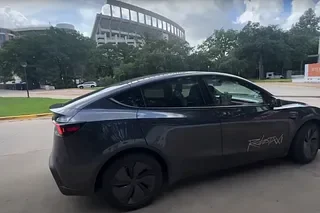
Tesla's Robotaxi Takes Austin by Storm: Rapid Expansion and Real-World Mastery
Pushing Boundaries in Autonomous Mobility: Why This Expansion Signals a Game Changer for Urban Transport
Tesla's Robotaxi service is accelerating its footprint in Austin, demonstrating how AI-driven autonomy can scale quickly and handle complex urban environments with ease. From navigating construction zones to making smart maneuvers in tight spots, the latest tests reveal a system that's not only reliable but also poised to outpace competitors in flexibility and efficiency. For tech enthusiasts tracking the evolution of self-driving tech, this update highlights key advancements in mapping, decision-making, and user experience that could reshape ride-hailing worldwide.
Key Takeaways
Tesla expanded its RoboTaxi network in Austin in just three weeks, covering new areas like North Austin and suburban spots, shaped humorously like a meme-inspired cowboy hat.
The service excels in challenging scenarios, including K-turns in dead-end parking lots, reversing out of tight spaces, and yielding to emergency vehicles.
Compared to rivals like Waymo, Tesla's approach relies less on detailed mapping and more on AI, enabling faster, non-strategic expansions into low-density areas.
Performance remains smooth and confident, avoiding highways for now but handling construction, pedestrians, and traffic with minimal hesitation.
Future potential includes highway access, fleet growth, and undercutting traditional ride-hailing prices once teleoperator ratios improve.
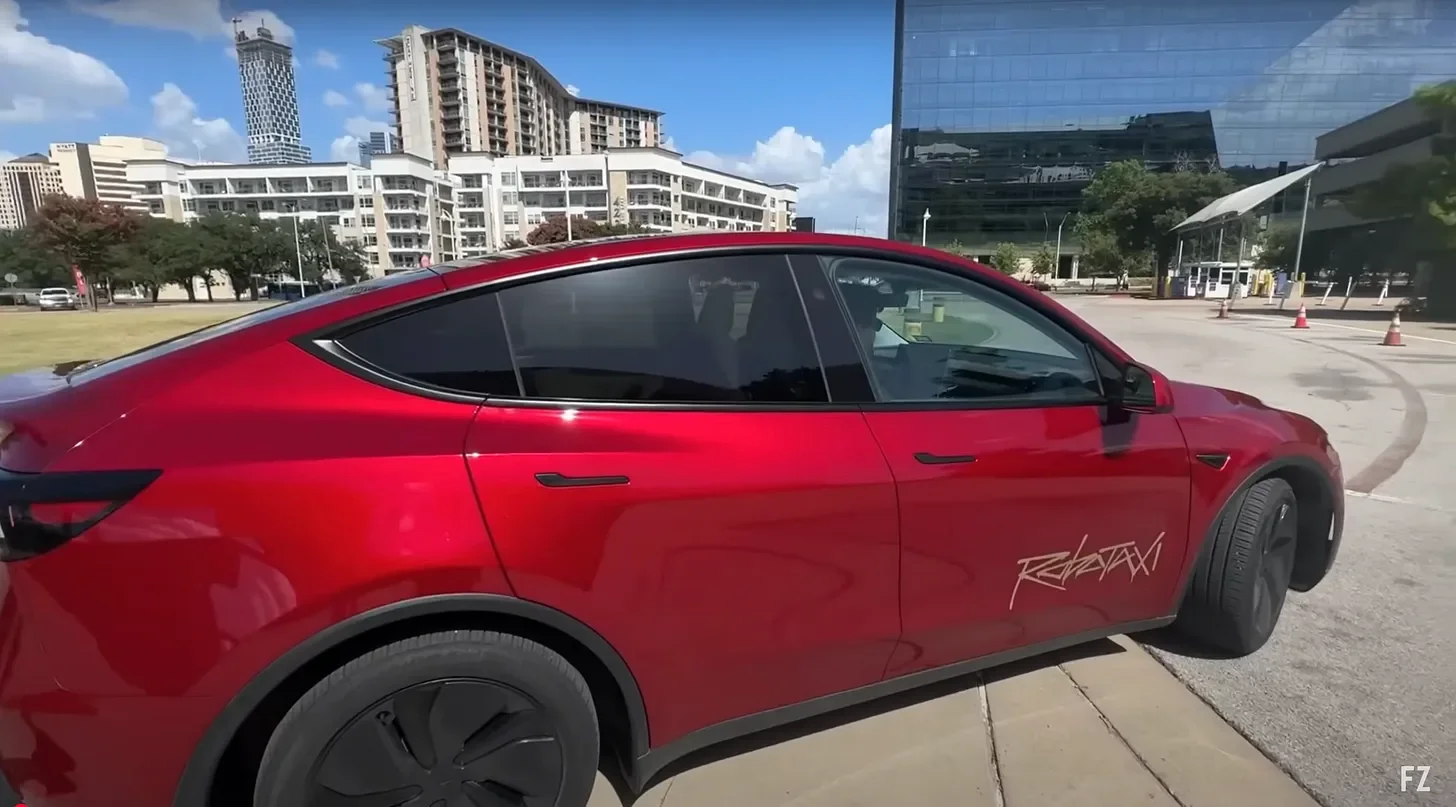
The Robotaxi Revolution
What Real Data Tells Us About the Future of Ride-Sharing
There’s a strange new reality in the ride-hailing world: people are actively choosing more expensive rides without a human behind the wheel. Waymo users are paying up to 33% more than Uber or Lyft — and loving it.
But this premium pricing isn’t sustainable. It’s a symptom of one thing: artificial scarcity. When autonomous fleets scale — and they will — everything changes. Price collapses, preference skyrockets, and the economics start to favor the players who can flood cities with vehicles and wipe out driver costs.
In this report:
The paradox of premium pricing in driverless ride-share
Why 85% of riders prefer autonomous vehicles after trying them
The critical role of manufacturing scale — and who’s positioned to win
What the data reveals about pricing, privacy, and safety perceptions
A four-phase timeline for market disruption already in motion
The ride-share industry isn’t being disrupted by a better product — it’s being rebuilt around what people actually want. The data is in. The future just needs to be manufactured.

Tesla Will Kill Uber
Tesla, Uber, and the Future of Everything
While Uber enjoys near all-time stock highs and Wall Street confidence, a far more existential threat is quietly forming beneath the surface. Tesla is gearing up to deploy millions of autonomous vehicles at a pace no competitor can match—and when that happens, Uber’s human-powered network may collapse under its own weight.
Tesla doesn’t need partnerships. It doesn’t need third-party fleets. It owns the factory, the software, the vehicles, and soon—the customer. When robotaxis hit the market at scale, the traditional two-sided platform Uber built its empire on becomes irrelevant. Riders won’t wait for drivers. They’ll summon self-driving Teslas at half the price.
And while Uber scrambles to aggregate 50,000 self-driving vehicles through various partnerships, Tesla’s aiming to manufacture millions. It’s not a fair fight. It’s not even the same game.
But the threat isn’t just coming from the road.
Zipline’s drones are quietly beating everyone to the punch in last-mile delivery. Palantir is shifting from technical hires to “artists who can code.” The middle of the economy—the safe zone between blue-collar labor and elite tech—is vanishing. AI is automating the work. And creators, not corporations, are building the future.
Here’s what we break down:
Why Tesla’s vertical integration gives it a Netflix-like moat
How Uber’s Southeast Asia retreat foreshadowed its bigger vulnerability
The quiet rise of drone delivery—and what it exposes about ground transport
Why Palantir believes creativity is the last irreplaceable skill
The coming barbell economy: mega-corps on one side, AI-powered individuals on the other
What the Musk–Trump fallout reveals about political power, ego, and tech disruption
And the trillion-dollar question no one’s asking: what do humans do in a world that doesn’t need them to work?
The transformation is already underway. What happens next will decide who thrives—and who disappears.
Tesla's Silent Revolution
The Convergence of AI, Autonomy, and Manufacturing
The media may still be fixated on flashy demos and slow-moving robotaxis. But under the surface, a much bigger shift is brewing—one that could reshape entire industries, not just transportation.
Over 2 million vehicles on the road today are already equipped with autonomous-capable hardware, waiting for a software unlock. Once the code catches up, deployment could go vertical—and costs could fall by as much as 90% compared to traditional ride-hailing.
But this revolution won’t be led by software startups. It will be driven by companies that control the entire stack: manufacturing, chips, AI, robotics, data centers, and even energy infrastructure. The result? A convergence of physical and digital systems that gives early leaders an almost unmatchable advantage.
In this breakdown:
Why vertical integration beats aggregation in the autonomy race
How data center infrastructure and AI energy optimization become key economic levers
What convergence means for both vehicle autonomy and robotics
And why the next 12–24 months will set the competitive hierarchy for the next decade
This isn’t just a new chapter for transportation—it’s the foundation for a broader industrial realignment.
Federal Framework Set to Revolutionize Self-Driving Vehicle Industry
For years, the self-driving industry has been throttled not by technology, but by regulation. A patchwork of inconsistent, state-level rules made it nearly impossible to scale autonomous operations across the U.S.
That’s about to change.
A new federal framework is poised to replace this fractured system with unified national standards—unlocking the ability for companies to deploy autonomous vehicles across all 50 states. And the first movers are ready. Manufacturers with scalable tech stacks and low-cost vehicles could activate entire fleets with a software update—turning regulatory chaos into rapid market capture.
Inside this breakdown:
How sub-$35,000 autonomous vehicles create an unbeatable cost advantage
Why state-by-state regulation stifled deployment—and how federal standards change everything
The key technical differentiators between scalable AI systems and hardware-reliant competitors
And what full-market activation means for commuting, car ownership, and long-distance travel
Tesla's AI Breakthrough
Revolutionizing Self-Driving Technology and Robotics Through Advanced Learning Systems
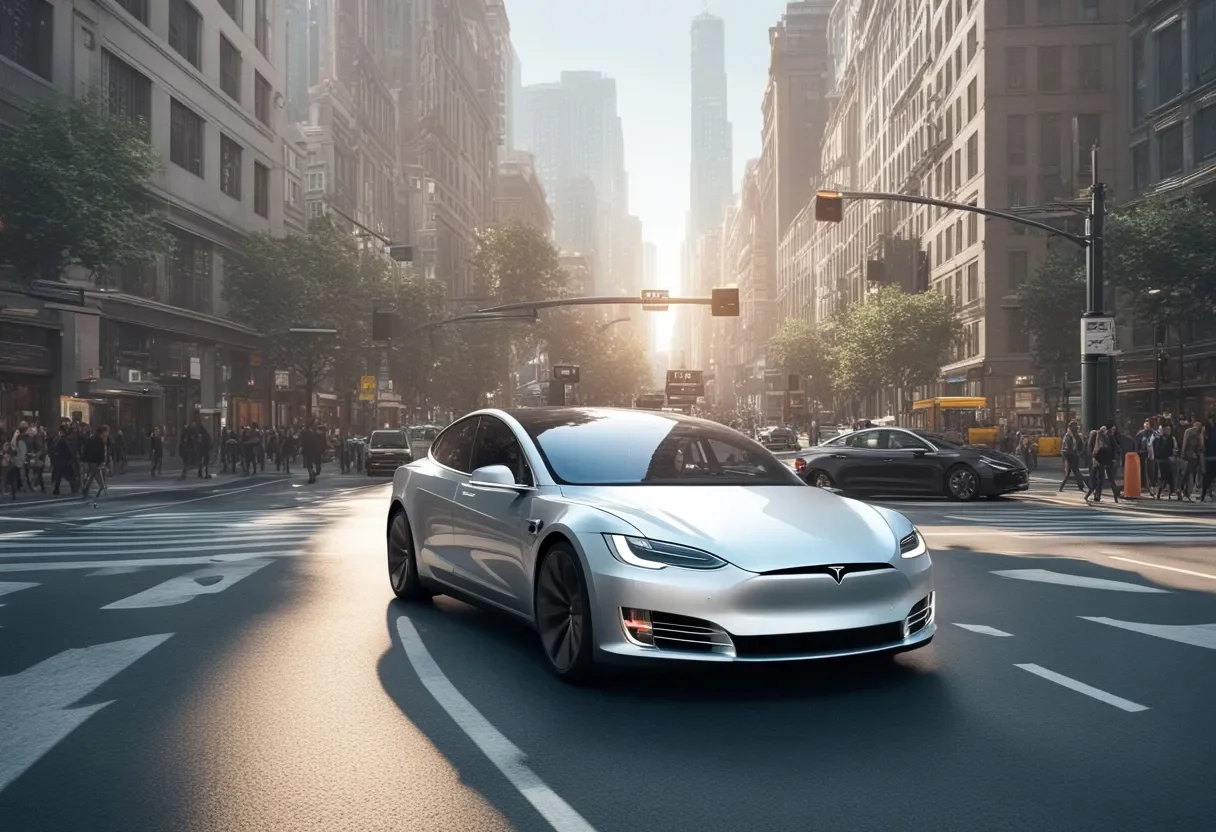
Tesla’s latest Full Self-Driving (FSD) release is more than an upgrade—it’s a turning point.
The system now handles complex driving scenarios with near-human foresight, from merging highways to navigating dense urban chaos. But the real breakthrough? FSD just launched in China without local training data. The AI adapted instantly using only simulation-based learning—no billions of miles needed. That changes everything.
It means Tesla’s AI can scale globally with software, not fleets. It also means the timeline for autonomy—and global robotics—is accelerating faster than anyone expected.
In this analysis:
Why simulation-native AI is Tesla’s real moat
How neural networks are now generalizing edge cases across countries and road systems
What this means for robotaxis, logistics, and global expansion
And how this same tech is being adapted to train humanoid robots
The Dawn of History's Greatest Bull Market
How AI Will Transform Wealth Creation
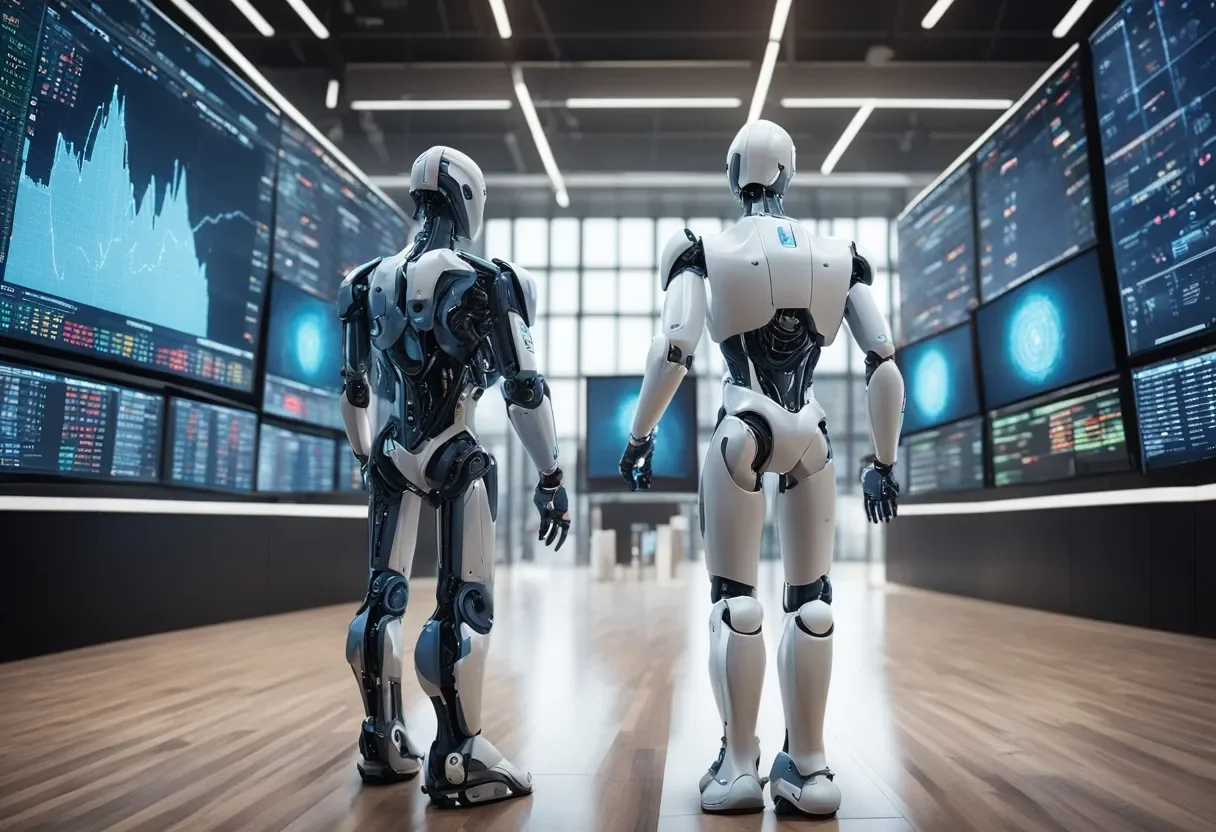
We’re entering what could be the most explosive period of value creation in modern history—driven not by financial engineering, but by AI, robotics, and automation.
Some of the world’s largest tech companies are growing at 70%+ from billion-dollar baselines. AI tools are reaching hundreds of millions of users in months. And the convergence of software intelligence with physical automation—self-driving vehicles, factory robots, autonomous logistics—is creating entirely new product categories and revenue streams.
This isn’t a tech cycle. It’s a transformation in how value is created, distributed, and captured across the entire economy.
Inside this breakdown:
Why AI infrastructure could underpin a generational bull market
How automation is driving margin expansion across industries
What new wealth-distribution models could emerge from mass job displacement
And why investors are pricing companies more like platforms than businesses
Tesla's Battery Revolution
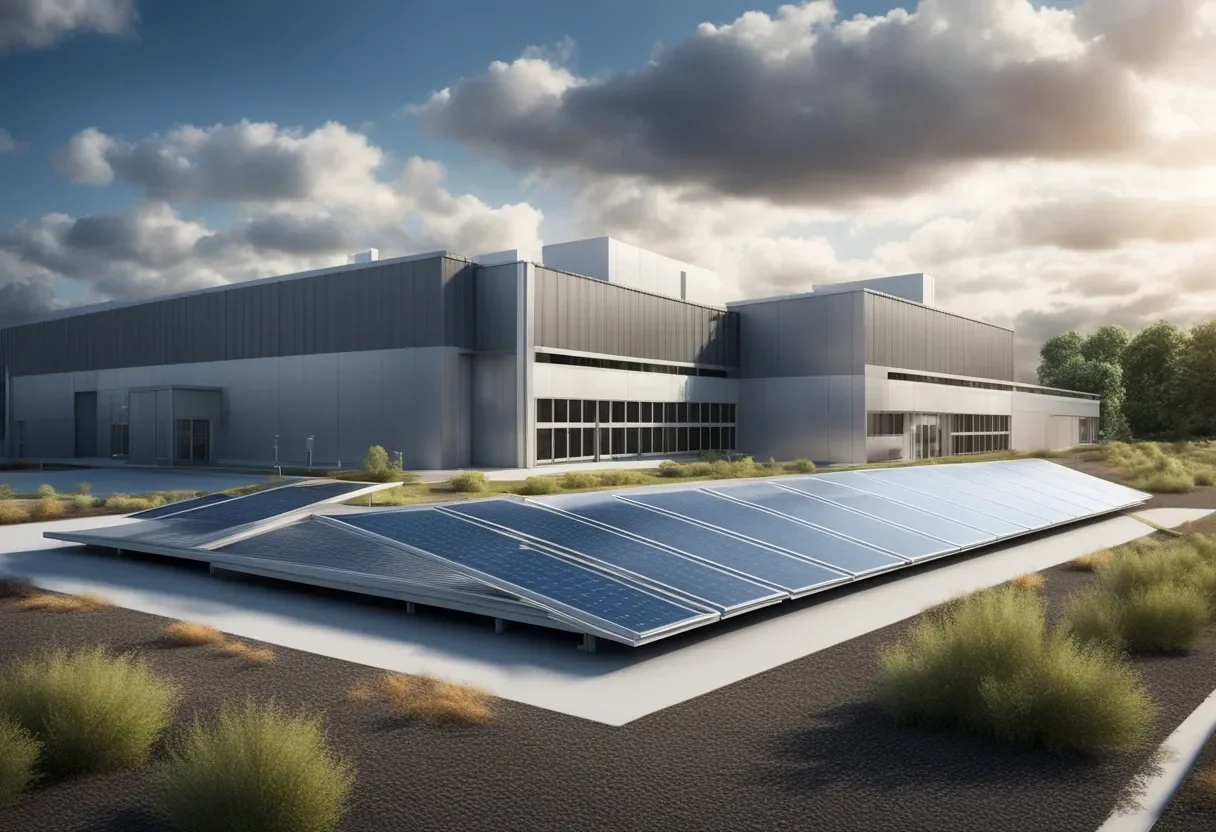
AI data centers demand instant power shifts that grids can't handle—batteries step in to smooth the ride and unlock massive efficiency gains.
AI computing has exploded, but its hidden cost is massive power volatility that threatens grid stability. Short-duration batteries address this by absorbing surges and optimizing energy flow, turning a technical headache into a profitable edge. In flexible markets like Texas, these systems are proving their worth, potentially creating a trillion-dollar industry as AI scales up.
Key Takeaways
AI data centers create rapid power fluctuations from synchronized GPUs, stressing traditional grids with megawatt-scale spikes multiple times per second.
Short-duration batteries (2-4 hours) excel at managing these brief surges, offering better efficiency than long-duration options or wasteful GPU idling.
Battery systems can pay for themselves through energy savings by reducing peak power needs and optimizing usage.
Flexible power markets, like those in Texas, accelerate AI infrastructure growth by enabling quick adaptations and cost-effective solutions.
As AI expands, energy storage emerges as essential infrastructure, bridging current grid limits with future computing demands.
Tesla's Vision
Tesla's Optimus: A Blueprint for Outrunning Debt Through Automation
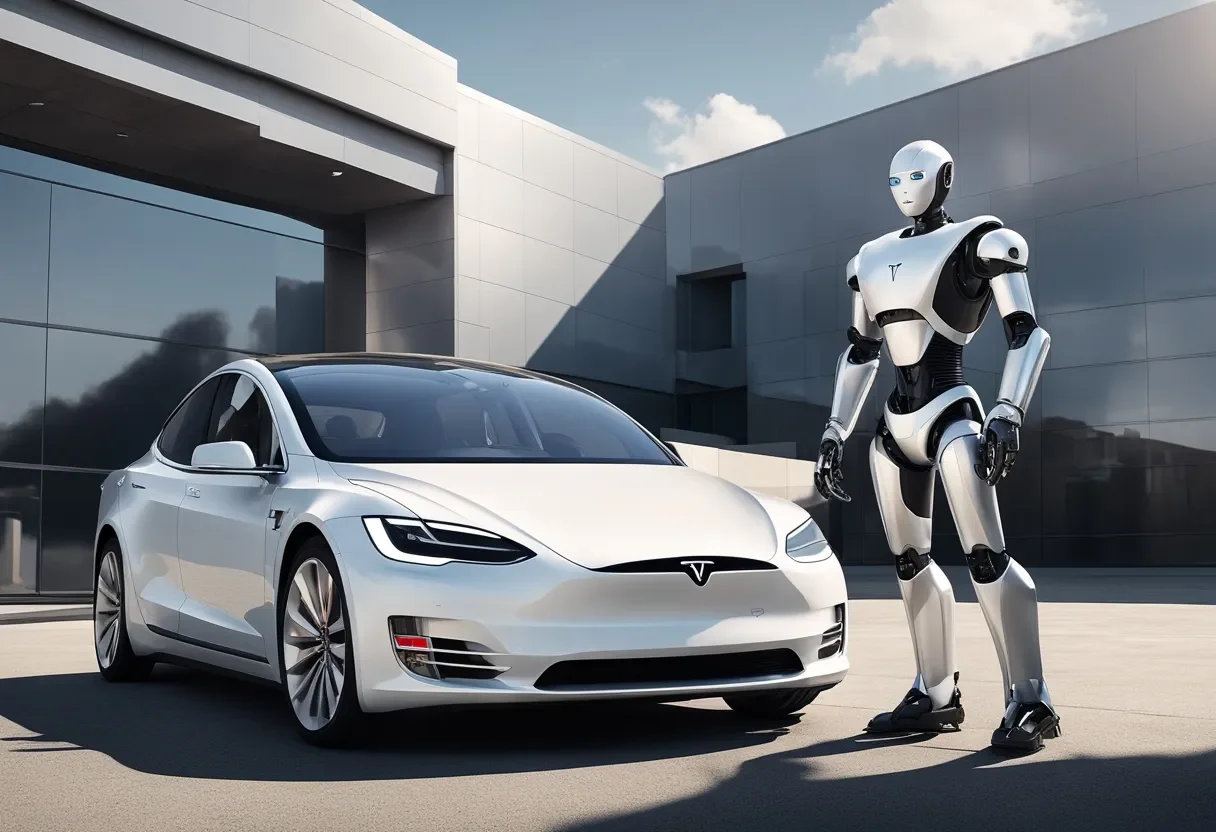
As federal spending continues to climb without meaningful cuts in sight, a fresh approach is gaining traction: leveraging advanced robotics to drive massive GDP growth. Tesla's humanoid robot program stands out as a prime example, with potential to transform productivity across everyday tasks and industrial operations, making economic expansion the key to managing fiscal pressures.
Key Takeaways
Humanoid robots priced around $30,000 to $40,000 could operate for 5-10 years with low maintenance, slashing costs in services like cleaning and delivery.
By learning tasks through observation and AI, these machines accelerate adoption in homes, warehouses, and factories, boosting overall economic output.
Automation at this scale targets GDP growth to counter rising debt, shifting focus from policy reforms to technological leaps.
Job shifts in driving, manufacturing, and services pose transition risks, but open doors for new entrepreneurial opportunities.
Recent demos show robots handling complex movements and interactions, signaling readiness for broader deployment soon.
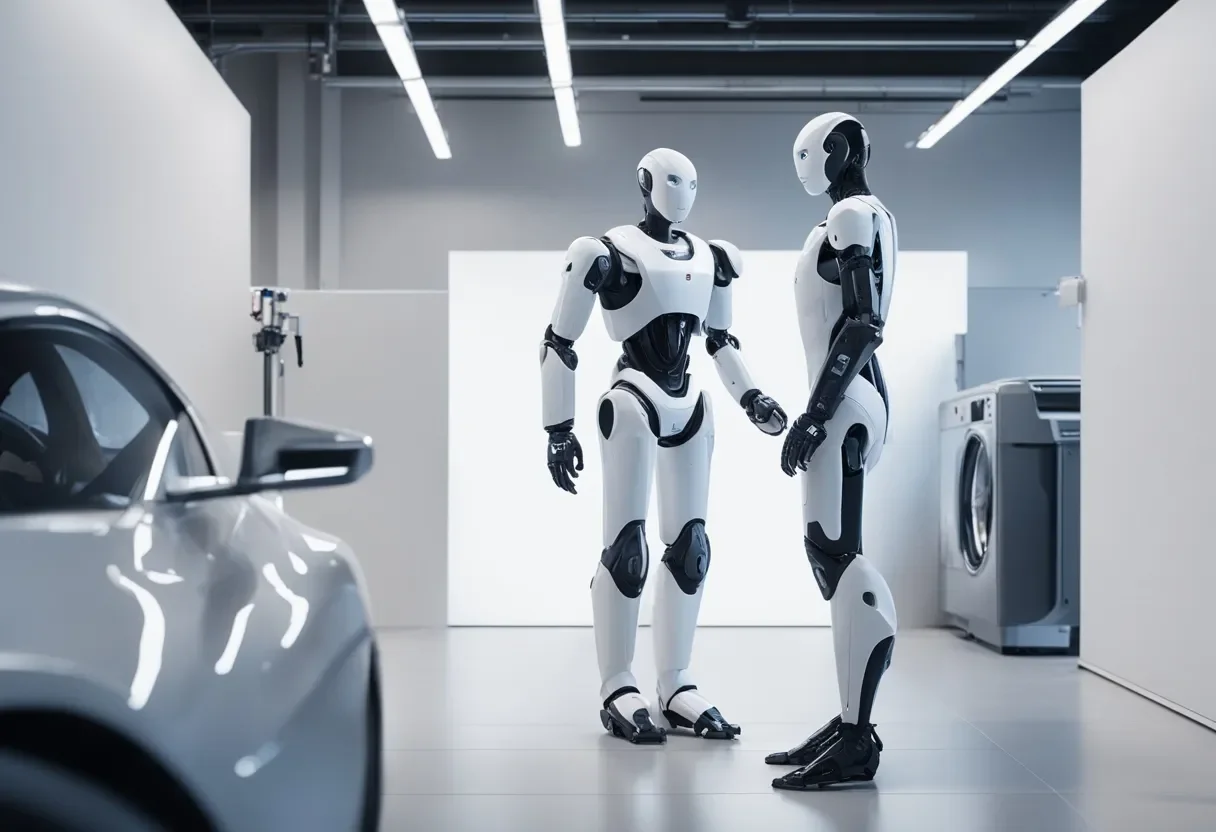
Tesla's AI Revolution
Redefining Machine Intelligence Through Observation and Scale
Tesla's latest robotics demo shows how AI can learn tasks by simply watching humans, marking a pivotal change in robot training. This method speeds up deployment while making machines more versatile, and it's powering advancements in self-driving cars too. Combined with massive manufacturing capabilities, this could make intelligent robots affordable and widespread, reshaping industries as regulations begin to catch up.
Key Takeaways
Robots can now learn complex tasks from video demonstrations, eliminating the need for manual programming and accelerating their adaptability.
The same AI system enhances self-driving vehicles by processing visual data to handle intricate driving situations more effectively.
Large-scale manufacturing experience enables cost-effective production of advanced robots, potentially driving down prices through high-volume output.
Evolving regulations, including potential federal frameworks, are paving the way for broader adoption of autonomous technologies.
This integration positions AI as a core driver across products, from vehicles to industrial equipment, signaling a broader shift in human-machine collaboration.