
The Future Is Now: Why Customer Needs and AI Will Shape Tomorrow
Unpacking the Power of Long-Term Thinking and Technological Revolution
The world is changing at breakneck speed, driven by transformative technologies like artificial intelligence (AI) and space exploration. Yet, amid this whirlwind, one thing remains constant: the enduring power of customer needs. By anchoring strategies in these unchanging desires and harnessing the potential of AI and other innovations, businesses and entrepreneurs can build a future that’s not only sustainable but revolutionary. From AI’s universal impact to the promise of space as a new frontier, here’s why now is the most exciting time to be a creator, thinker, or founder.
Key Takeaways
Customer needs are timeless: Focusing on stable customer desires, like fast delivery or reliability, creates durable business strategies.
AI is a game-changer for all industries: Beyond startups, AI will boost quality and productivity across every sector, from manufacturing to hospitality.
Space is the next frontier: From lunar resource harvesting to gigawatt-scale data centers in orbit, space will redefine how we live and work.
Innovation requires harmony: Balancing exploration (wandering) with disciplined execution drives breakthroughs without overwhelming organizations.
Bubbles don’t negate progress: Industrial bubbles, like today’s AI frenzy, fund both good and bad ideas but often yield lasting societal benefits.
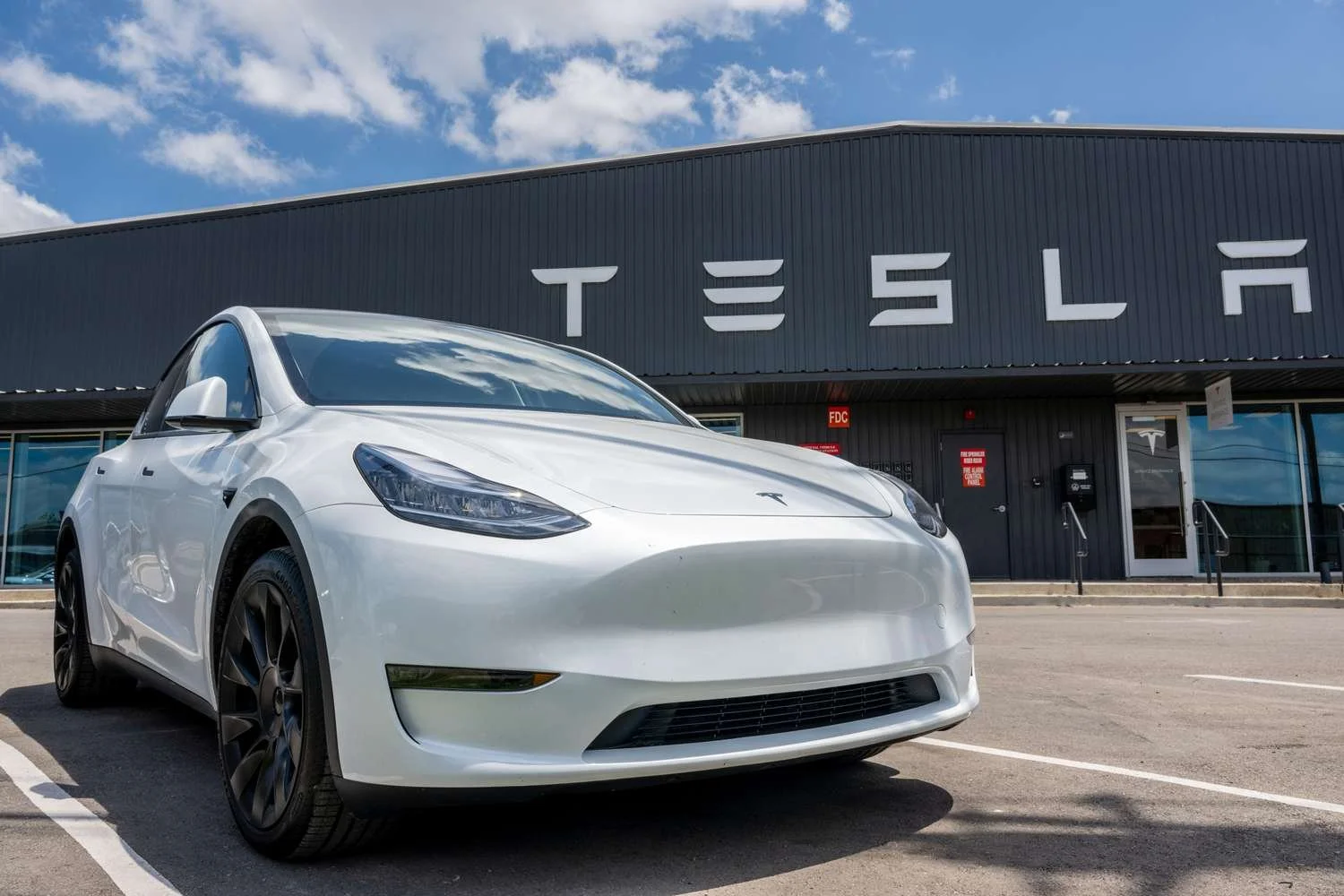
Tesla’s Q3 Triumph: Record Deliveries, AI Ambitions, and a Path to Affordable EVs
Why Tesla’s third quarter signals a bold pivot to AI-driven growth and mass-market appeal
Tesla’s third quarter of 2025 delivered a stunning performance: over 497,000 vehicles delivered, 447,000 produced, and a record 12.5 gigawatt-hours of energy storage deployed. These numbers not only defy skeptics who predicted Tesla’s decline but also highlight a strategic shift toward inventory management, cost reduction, and a future powered by autonomous driving and affordable vehicles. For tech enthusiasts, this moment underscores Tesla’s evolution from a carmaker to a physical AI powerhouse with ambitions far beyond traditional automotive.
Key Takeaways
Record-Breaking Quarter: Tesla delivered 497,000 vehicles and deployed 12.5 GWh of energy storage, marking a high for both metrics.
Inventory Strategy Shift: Delivered 50,000 more vehicles than produced, reducing built-up inventory and leveraging the expiring U.S. EV tax credit.
Affordable EVs on Horizon: Plans for a more affordable Model Y and Model 3 with reduced features to hit a 3-million-vehicle annual production goal.
FSD as a Game-Changer: Full Self-Driving (FSD) version 14 aims for unsupervised driving, potentially making Tesla’s vehicles a compelling alternative to traditional cars.
AI and Robotics Vision: Tesla’s driverless network and upcoming Cybercab and Semi projects position it to dominate AI-driven mobility, outpacing competitors like Uber.
Financial Strength: Expected to add $3.5–5 billion in cash from operations, with high-margin energy storage (30%) boosting profitability.
Tesla's FSD V14: On the Verge of Sentient Autonomy
Unlocking Driverless Freedom and Massive Scale in Robotaxis
Tesla stands at the edge of a major breakthrough with its Full Self-Driving software, where vehicles could soon handle complex real-world scenarios with human-like intuition. This update promises to boost safety far beyond current levels, enable hands-off driving for owners, and accelerate the expansion of autonomous ride-hailing networks.
Key Takeaways
Tesla plans to roll out FSD V14 in stages, starting with an early wide release next week, followed by V14.1 in about two weeks, and V14.2 soon after, where the system may exhibit near-sentient behavior.
The update increases parameters by roughly 10 times, allowing the AI to process more variables for nuanced decision-making in unpredictable situations.
Safety could reach 2-3 times better than human drivers, or even up to 10 times, potentially meaning accidents only every 1-5 million miles.
Existing Tesla owners with Hardware 4 could access unsupervised driving via software updates, possibly at a premium monthly fee around $99-200.
The same technology will power Tesla's robotaxi fleets in locations like Austin, the Bay Area, and Arizona, enabling rapid scaling with minimal human oversight.
Higher safety reduces the need for remote operators, potentially allowing one overseer per 1,000 vehicles at 10x human safety levels.
This positions Tesla to undercut competitors like Uber with operating costs as low as 40 cents per mile, driving massive market disruption.

Tesla's AI Revolution: From Wheels to Humanoids
Redefining Mobility, Labor, and the Global Economy
Tesla's push into embodied AI isn't just incremental innovation—it's the catalyst for entirely new markets worth trillions, from autonomous fleets to robots handling everyday tasks. Dive into how this technology could generate unprecedented wealth while reshaping society, and why owning a piece of it might be the smartest move for the coming decade.
Key Takeaways
Tesla's vehicles serve as the entry point for widespread AI adoption, evolving from simple cars to intelligent systems capable of full autonomy.
Robotaxis are poised for rapid scaling, potentially undercutting traditional ride-sharing with costs below $1 per mile and immediate profitability.
Humanoid robots like Optimus could handle 50-80% of physical labor by 2030, creating a $40 trillion market and enabling new applications from factories to Mars exploration.
Wall Street is beginning to recognize Tesla's AI potential, with valuations reflecting future robotaxi and robotics revenues rather than current auto sales.
Societal shifts may require universal basic income to address job displacement, ensuring broader access to AI benefits and mitigating inequality.
Investing in Tesla stock offers a straightforward path to participate in AI-driven wealth creation, despite short-term volatility and high valuations.
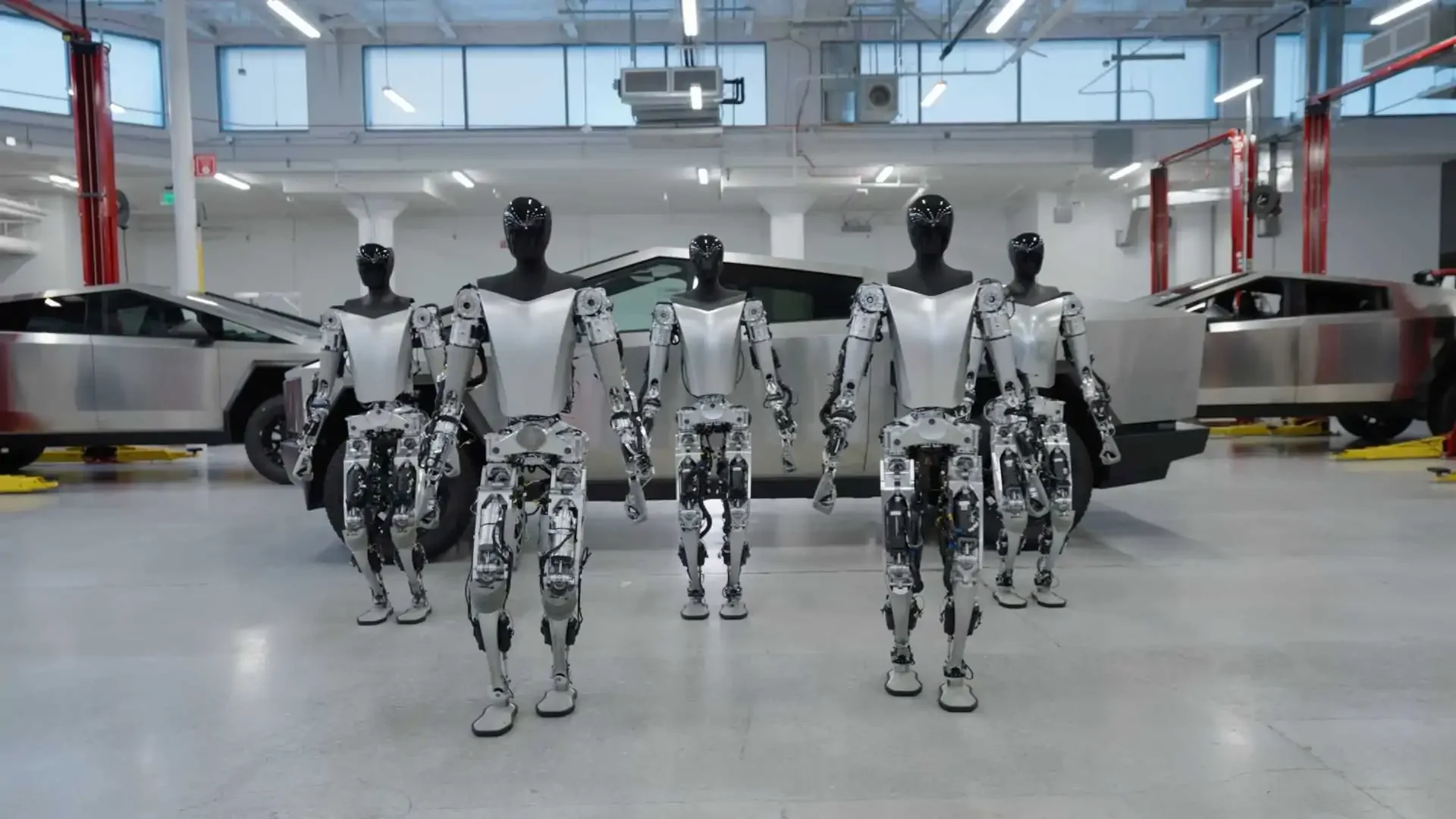
The Embodied AI Boom: Tesla's Path to a Trillion-Dollar Future
Why Sentient Machines on Wheels Could Redefine Wealth, Work, and Society by 2030
Tesla's evolution from electric vehicles to AI-powered robots signals a massive shift in how we move, work, and live—opening doors to new markets worth trillions while challenging us to adapt to an era of abundant intelligence.
Key Takeaways
Tesla's vehicles serve as a gateway to embodied AI, where cars act as intelligent robots collecting data to fuel broader innovations in autonomy.
Robotaxis are poised for rapid scaling, potentially generating immediate profits by undercutting ride-sharing costs and creating entirely new business models like mobile services.
Humanoid robots could handle 50-80% of physical labor, unlocking a $40 trillion market that expands further with infinite supply, but prices may start high before dropping to accessible levels.
Wall Street is slowly recognizing Tesla's AI potential, with valuations likely to surge ahead of actual business maturation, supporting market caps in the trillions.
Societal transitions from AI disruption may require tools like universal basic income funded by robot taxes, alongside a focus on meaning and opportunity in a post-labor world.
By 2030, embodied AI could enable robots on Mars, factory automation at scale, and personalized services, but success hinges on affordable access to bridge wealth gaps.
Investing in Tesla offers a straightforward way to participate in this wealth creation, as the company pioneers scalable, low-cost AI hardware.
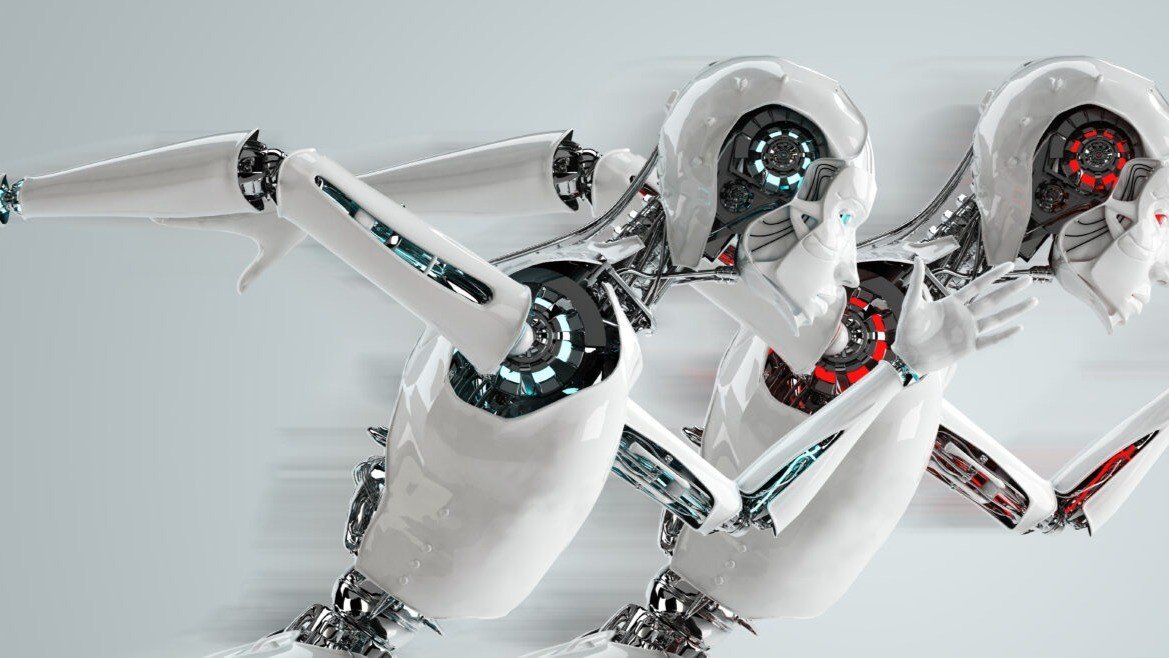
The AI-Driven Future: Robots, Rockets, and Radical Economic Shifts
Unlocking abundance through automation—why humanoid bots and self-driving tech could reshape everything from factories to Mars colonies.
Automation technologies are advancing at a breakneck pace, promising to slash costs for labor and transportation while opening up entirely new frontiers. From factories running 24/7 to cities deploying robot fleets for public services, these developments could drive unprecedented economic growth. Yet they also raise pressing questions about job displacement and societal stability. Here's what tech enthusiasts need to know about the emerging landscape.
Key Takeaways
Humanoid robots are poised to handle tasks like assembly, delivery, and chores at a fraction of human labor costs, potentially dropping to $3-5 per hour equivalent over time.
Self-driving vehicles could reduce transportation expenses to under 40 cents per mile, enabling innovative business models like mobile salons or on-demand services that come directly to consumers.
High-volume production of robots, spurred by early adopters like space exploration programs, will lower unit costs to $20,000-30,000, making them accessible for widespread use in warehouses, manufacturing, and urban revitalization.
Mars colonization efforts will rely heavily on robot labor to build infrastructure in harsh environments, funded by satellite internet revenues and creating a feedback loop for tech scaling.
While new sectors emerge in AI maintenance, space tech, and customized services, significant job losses in driving and manual labor are likely, overlapping with existing economic frustrations and potentially fueling social tensions.
Governments and companies could deploy robot fleets to aid underserved communities, repairing infrastructure and boosting local economies without ongoing wage expenses.
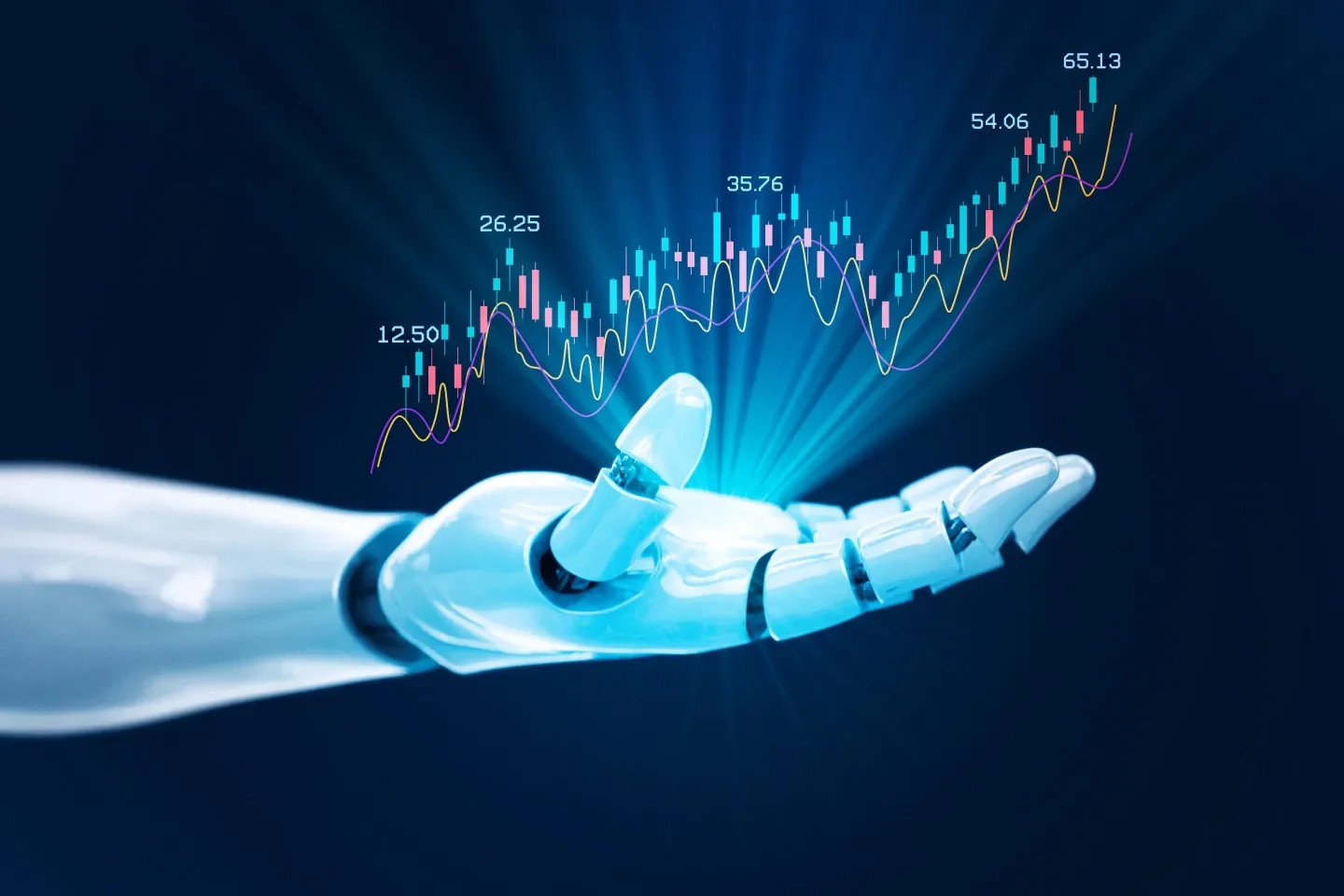
The Supersonic Tsunami: Tech's Relentless March Toward Abundance
Why AI and automation will redefine work, wealth, and human potential—and the bumpy road ahead
Technological progress accelerates at a pace that outstrips societal adaptation, creating both massive opportunities and risks of inequality. In the coming decades, AI-driven automation promises a world where tedious labor vanishes, costs plummet, and abundance becomes the norm. Yet the transition could widen wealth gaps and disrupt jobs, demanding new economic models like universal basic income to maintain stability.
Key Takeaways
Robots and AI will handle all repetitive and dangerous tasks, from mining to creative arts, leading to a society focused on meaningful pursuits like science and culture.
Manufacturing costs could drop to about a dollar per pound for everything, making goods as affordable as basic agriculture products today.
Winner-take-all dynamics in AI-dominated industries will polarize wealth at national, corporate, and individual levels, necessitating policies like universal basic income to bridge gaps.
Starlink and similar technologies will connect 3 billion underserved people to the global economy, sparking innovation and entrepreneurship in remote areas.
Established companies rarely reinvent their core businesses; new entrants leveraging AI will disrupt legacy industries like automotive and aerospace.
Cities remain efficient hubs for innovation and resource use, countering trends toward remote work despite advances in connectivity.
Declining birth rates reduce societal investment in the future; technology must foster optimism to encourage family growth and long-term progress.
Mars colonization drives Earth-bound innovations in sustainable tech, from electric vehicles to alternative proteins, emphasizing in-situ resource use.
Humanoid robots will start in industrial settings for safety, evolving into shared urban resources that transform labor and daily life.
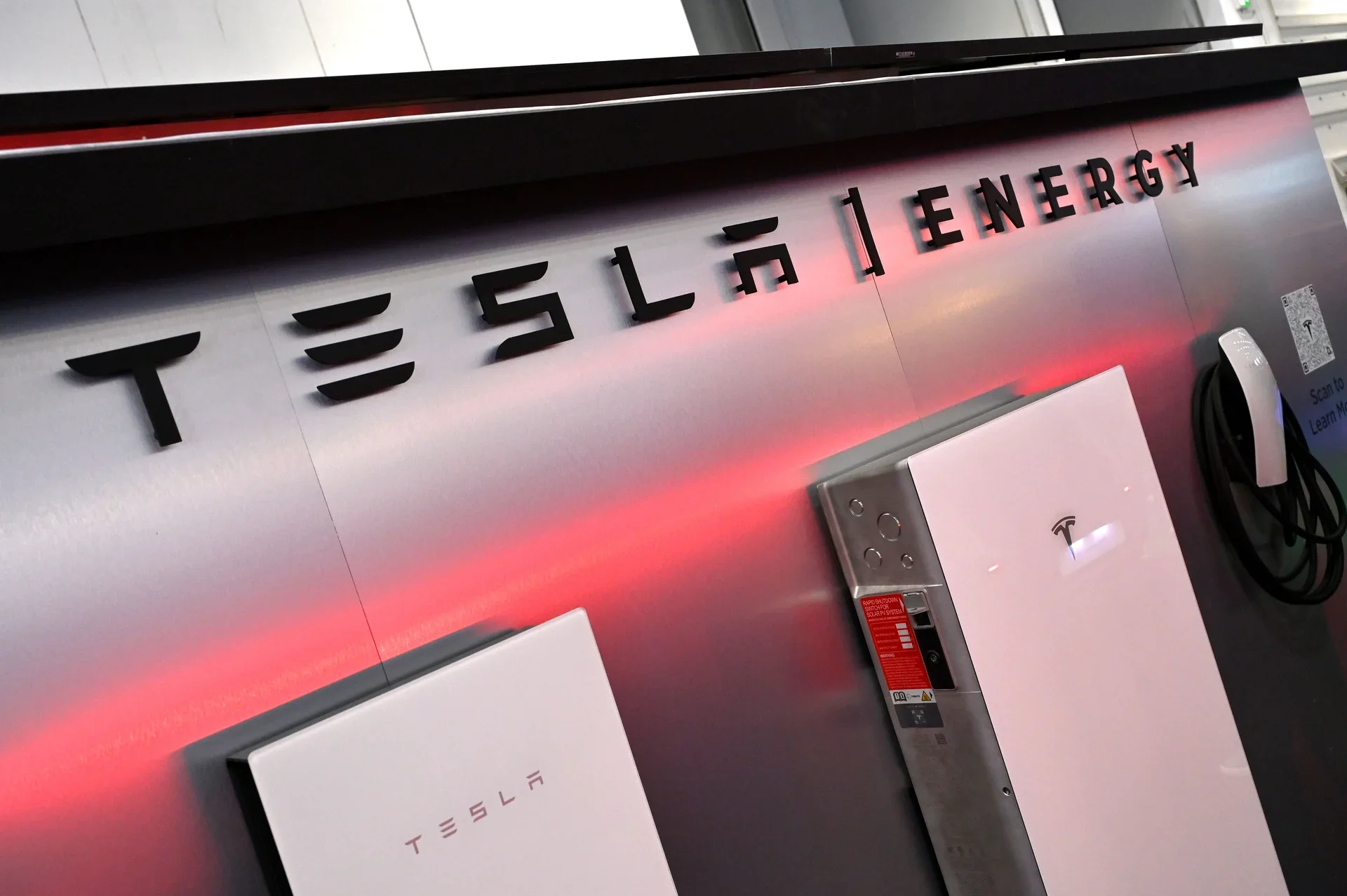
Tesla’s Energy Revolution: Mega Block and the AI-Powered Future
Why Tesla’s latest energy innovations are poised to reshape AI and global power grids.
The energy demands of artificial intelligence (AI) are skyrocketing, and Tesla is positioning itself at the forefront of this transformation with its upgraded Megapack and new Mega Block system. These advancements are not just incremental improvements—they’re strategic moves to address the massive energy needs of AI data centers and the broader shift toward decentralized, renewable-powered grids. Here’s why tech enthusiasts and investors should pay attention.
Key Takeaways
Tesla’s Mega Block enhances scalability: The new system integrates transformers and switchgear, reducing on-site assembly and boosting energy density by 20%, from 3.9 to 5 megawatt hours per unit.
AI is driving unprecedented energy demand: Data centers are scaling to gigawatt levels, with projections of 20–30 gigawatt facilities by 2030, creating a bottleneck in energy generation and storage.
Battery storage is critical for AI: Megapacks stabilize the erratic load profiles of AI data centers, protecting grids from sudden power swings and enabling off-grid solutions.
Decentralized energy is the future: Off-grid data centers using DC power from solar and batteries could bypass traditional grid bottlenecks, with Tesla leading the charge.
Transformers are a key bottleneck: Multi-year lead times for high-quality transformers make Tesla’s potential move to manufacture them a game-changer for rapid deployment.

Tesla's Robot Revolution: Unlocking Trillion-Dollar Potential in Humanoids and Beyond
Why Tesla's bets on AI-driven robots could redefine global industries—and how investors are missing the bigger picture.
Tesla stands at the forefront of transformative technologies, from humanoid robots poised to reshape labor markets to autonomous ride-sharing networks that could dominate urban mobility. These innovations aren't just incremental improvements; they're gateways to massive economic shifts, drawing on lessons from past disruptors like Nvidia and Amazon. For tech enthusiasts, understanding the underlying models and market dynamics reveals opportunities that traditional finance often overlooks.
Key Takeaways
Humanoid robots represent Tesla's most explosive growth driver, with potential unit economics suggesting profits per bot that could scale into trillions as production ramps up.
Robotaxis follow closely, offering a high-margin service model that leverages autonomous tech to disrupt transportation on a global scale.
Wall Street's short-term horizon—typically 12-18 months—blinds it to long-term disruptors, creating arbitrage for patient retail investors who model future scenarios.
Successful investments hinge on visionary leaders who tackle unsexy, high-barrier problems, building unassailable moats through persistence and innovation.
Retail investors outperform pros in innovative sectors by deeply researching theses, maintaining emotional discipline, and committing to multi-year horizons.
Disruption thrives on first-principles thinking: prioritizing mission-critical features like superior performance over perfection in non-essentials.
Historical examples show that enduring companies emerge from years of "wilderness" development, emerging with unbeatable advantages once they cross key thresholds.
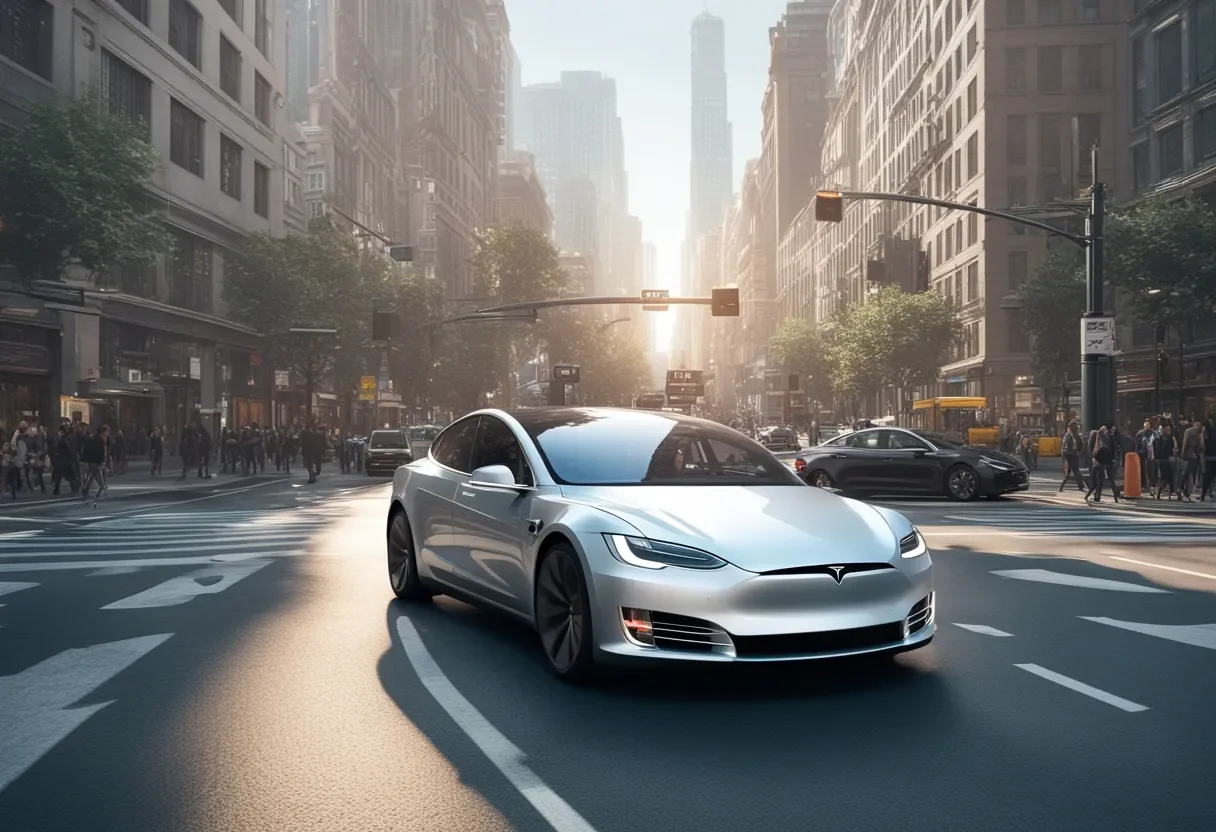
Tesla's Robotaxi Surge: Public Rollout Set to Transform Mobility
Unlocking Autonomy: Why Tesla's Next Move Could Redefine Urban Transport
Tesla's robotaxi service stands at a pivotal moment, with plans to open access to the general public starting next month. This shift promises lower-cost rides, massive efficiency gains, and a leap in vehicle utilization, potentially turning every Tesla into a revenue-generating asset while slashing personal car ownership expenses.
Key Takeaways
Tesla's robotaxi fleet in Austin uses Model Y vehicles with advanced Full Self-Driving software, currently operating with safety monitors but advancing toward unsupervised autonomy.
Expansion to public access is slated for September, beginning in Austin and potentially extending to California, with job postings indicating growth into cities like New York, Las Vegas, and Miami.
Operating costs could drop to around 60 cents per mile once safety drivers are removed, enabling profits of up to $2 per mile in high-demand areas like the Bay Area.
The service validates Tesla's hardware-first approach, embedding sensors and computers in mass-produced cars to gather billions of miles of real-world data for AI training.
Broader adoption may displace millions of ride-hailing jobs but could save thousands of lives annually by reducing accidents from human error, while increasing mobility access for underserved populations.
Regulatory hurdles remain, especially in California, where permits for driverless operations are pending, but Texas approvals pave the way for statewide scaling.

AI's Next Frontier: Navigating the Choppy Waters of Disruption
Why the AI Revolution Feels Like a Locked Door—and What’s on the Other Side
The AI landscape is buzzing with promise, but it’s also teetering on the edge of massive disruption. From self-driving taxis to the future of work, the tech world is grappling with a reality that’s both exhilarating and unsettling. Here’s what you need to know about where AI is headed, why it’s harder than it looks, and how it might reshape society in ways we’re only beginning to understand.
Key Takeaways
AI’s Progress Is Slower Than Hyped: Current advancements are incremental, focusing on refining existing capabilities rather than delivering transformative breakthroughs.
Physical World Disruption Outweighs Digital: The potential market for AI in physical applications (e.g., self-driving cars, robotics) dwarfs digital applications like coding or content creation.
Economic Upheaval Is Coming: AI-driven automation, like robotaxis, could displace workers (e.g., Uber drivers), raising questions about job transitions and societal impacts.
Deflation Could Redefine Wealth: Lower wages might coexist with cheaper goods and services, potentially improving quality of life despite smaller paychecks.
Human Connection and Exploration Will Thrive: Future economies may prioritize scarce resources like human attention, leading to growth in sports, entertainment, and space exploration.
A Choppy Transition Awaits: The path to an AI-driven future will be turbulent, with regulatory, economic, and societal hurdles complicating the journey.
The AI Revolution: Tesla, Nvidia, and the Future of Compute
Why Tesla and Nvidia Are Poised to Redefine the Global Economy
The AI revolution is reshaping industries, and at its core are two juggernauts: Tesla and Nvidia. Their advancements in artificial intelligence, robotics, and compute infrastructure signal a future where energy, data, and intelligence converge to create unprecedented economic value. From autonomous robotaxis to distributed inference networks, the synergy of these technologies could disrupt entire markets, leaving traditional players like Uber struggling to adapt. Here’s why the stakes are higher than ever and what it means for the future.
Key Takeaways
Tesla’s Robotaxi Dominance: Tesla’s robotaxi network, with dynamic pricing and unmatched cost efficiency, is set to capture significant market share from Uber and Waymo, potentially rendering traditional ride-hailing models obsolete.
Nvidia’s Compute Supremacy: Nvidia’s platform strategy fuels the AI boom, but its long-term margins may face pressure as compute becomes commoditized, creating opportunities for specialized players like Tesla.
Energy and Compute Synergy: Pairing energy storage (like Tesla’s Megapacks) with AI chips enables distributed inference, turning idle energy into valuable computational output.
Video Data as the Ultimate Resource: Video data’s infinite scalability makes it the backbone of AI training, giving Tesla a unique edge with its vast fleet of camera-equipped vehicles.
Retail Investing’s AI Edge: Advanced AI tools are empowering retail investors to uncover opportunities in stocks like Tesla, potentially increasing market liquidity and driving more IPOs.
The AI Chip Revolution: Tesla's Path to Unified Compute Dominance
Unlocking massive efficiencies in training and inference through innovative hardware partnerships and designs.
AI hardware is evolving at breakneck speed, outpacing traditional computing trends. Recent developments point to chips that handle both training massive models and running real-time inferences efficiently. This shift promises lower costs, faster scaling, and tighter integration with energy systems, paving the way for widespread embodied AI in vehicles, robots, and beyond.
Key Takeaways
Unified AI chips can perform both training and inference tasks, reducing costs by enabling mass production of identical hardware for diverse applications.
Panel-level integration allows for combining hundreds of chips into massive training substrates, improving communication speed and thermal management compared to wafer-based designs.
Hardware convergence integrates processing, memory, and networking on single boards, mirroring biological neurons for better efficiency.
Distributed compute in vehicles and robots could turn idle hardware into cloud resources, solving power and latency challenges.
AI demand accelerates sustainable energy adoption, with solar and batteries emerging as the most scalable solutions for powering data centers.
Future AI systems may enable real-time learning loops, blending training and inference for rapid adaptation without massive batch updates.
Partnerships with foundries like Samsung enable supply chain resilience, proximity to manufacturing hubs, and potential for custom optimizations.

Tesla's AI Frontier: Robots, Rides, and the Race to Superintelligence
Exploring the rapid advancements in humanoid robotics, autonomous transport, and AI that could multiply global economic output tenfold while navigating production hurdles and societal shifts
Humanoid robots are advancing faster than expected, with prototypes demonstrating precision in tasks like caregiving and factory work, while autonomous vehicles are hitting roads in select cities. These developments point to a future where machines handle dangerous jobs, boost productivity dramatically, and free humans to pursue meaning beyond labor—but scaling production and overcoming regulatory barriers remain key obstacles.
Key Takeaways
Humanoid robots could target a market of 20-50 billion units, generating trillions in revenue at scale, with initial focus on high-value roles like 24-hour medical assistance and hazardous industrial tasks.
Autonomous robotaxis, designed without steering wheels or pedals, have launched in Austin and are expanding to other U.S. cities, promising safer roads and efficiency gains, though regulatory approvals and public trust are slowing broader rollout.
AI progress is accelerating toward superintelligence, potentially curing diseases and eliminating poverty, but safety relies on rigorous truth-seeking and iterative improvements to align systems with human values.
Engineering humanoid robots demands replicating the human body's intricate mechanics, such as hand dexterity, drawing from automotive expertise to achieve lifelike precision and responsiveness.
A compelling long-term mission drives innovation, aligning teams on goals like sustainable energy and multi-planetary life, while rapid experimentation determines success over static products.
Societal challenges include job displacement for 19% of global workers in driving roles, fear of losing control in autonomous systems, and the need for policies like universal basic income to ensure equitable abundance.
By late 2025, robot production faces delays, with Tesla aiming for thousands of units despite setbacks, while AI models like Grok 4 integrate video generation and real-time search for enhanced usefulness.
Tesla’s AI Revolution: Samsung Chip Deal Signals a Bold Future
How Tesla’s $16.5 Billion Partnership with Samsung for the AI6 Chip Could Redefine AI, Robotics, and Supply Chains
Tesla’s $16.5 billion deal with Samsung to produce the AI6 chip, set to power autonomous vehicles, humanoid robots, and AI data centers starting in 2027, marks a pivotal moment for the company. This strategic move, coupled with Tesla’s advancements in Full Self-Driving (FSD), robotaxis, and the Optimus humanoid robot, underscores its transformation from an electric vehicle (EV) manufacturer to a leader in AI and robotics. Despite challenges in its core EV business, Tesla’s stock has shown resilience, reflecting investor optimism about its AI-driven future. Here’s what this means for Tesla, its supply chain, and the broader AI landscape.
Key Takeaways
Strategic Partnership: Tesla’s $16.5 billion deal with Samsung to produce the AI6 chip at its Texas foundry aims to secure a robust supply chain for AI-driven products, including self-driving cars and Optimus robots, starting in 2027.
Stock Performance: Despite weak EV sales and negative sentiment around Tesla’s political controversies, its stock has risen approximately 45% over the past year, driven by progress in FSD, robotaxis, and robotics.
AI6 Chip Versatility: The AI6 chip is designed for both AI training and inference, potentially reducing costs and improving efficiency across Tesla’s ecosystem of vehicles, robots, and data centers.
Supply Chain Diversification: Partnering with Samsung reduces Tesla’s reliance on TSMC and Nvidia, mitigating geopolitical risks tied to Taiwan and ensuring long-term chip supply for ambitious AI goals.
Humanoid Robot Ambitions: Tesla’s Optimus robot, with production targets of 5,000 units in 2025 and millions by 2030, could tap into a $38 billion market by 2035, with applications in logistics, manufacturing, and urban services.
Market Implications: The deal challenges Nvidia’s dominance in AI hardware and pressures TSMC to innovate, while positioning Samsung as a stronger player in the foundry market.
Tesla's Bold Leap into Custom AI Silicon
Unlocking the future of autonomous vehicles, humanoid robots, and massive-scale AI training through a game-changing partnership.
Tesla has just sealed a massive partnership that could reshape the AI hardware landscape, positioning the company to control its destiny in chip production while boosting U.S. manufacturing. This move addresses supply chain vulnerabilities, cuts costs, and accelerates innovation in everything from self-driving tech to robotics.
Key Takeaways
Tesla's new AI6 chip aims to handle both AI training and inference on a single architecture, optimizing for vehicles, robots, and data centers.
A $16.5 billion deal with Samsung taps into a Texas-based fab for production, enhancing efficiency and reducing reliance on overseas suppliers.
This strategy mirrors past vertical integration successes, like battery production, to secure supply for ambitious AI goals.
Broader implications include strengthening U.S. chip manufacturing amid global tensions and fostering competition that drives industry-wide advancements.
The partnership leverages expertise from key engineers to create specialized hardware tailored to real-world AI demands.
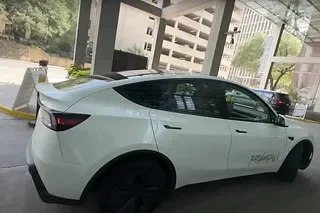
The Robotaxi Revolution: Unlocking Austin's Future of Autonomous Mobility
Redefining Commutes, Costs, and the AI-Driven World Ahead
Robotaxis are transforming urban life in Austin, slashing commuting costs while boosting productivity. Expansions signal rapid scalability, outpacing competitors and paving the way for highway integration. Beyond transport, AI ecosystems are emerging, blending seamless memory across devices and sparking innovations in delivery and societal structures.
Key Takeaways
Robotaxis in Austin now enable cost-effective commutes from suburbs, reducing parking fees from $50+ to near zero and adding productive time during rides.
Geofence expansions doubled in three weeks, with meme-shaped boundaries hinting at flexible, viral marketing and imminent broader coverage including highways.
Tesla's approach outperforms Waymo in scalability, potentially covering entire metro areas soon and offering perks like free employee transport at Gigafactories.
Highways are key to connecting rural and urban zones, enabling long-distance trips with smart fleet allocation and charging stops.
Grok integration in vehicles creates persistent AI memory, extending to ecosystems that could unify transport, devices, and even interplanetary travel.
AI competition is fierce, with xAI focusing on rapid innovation to challenge OpenAI's consumer lead through superior models and viral features.
Apple faces risks of stagnation in AI, potentially leading to hostile takeovers by cash-rich innovators valuing its supply chain under a trillion-dollar cap.
New primitives like drone deliveries (Zipline) and underground robots (Pipe Dream) promise cheaper, faster physical e-commerce, disrupting last-mile logistics.
Batteries drive all advancements; better, faster, cheaper energy storage is essential for drones, vans, and semis.
Societal shifts from AI job disruptions demand temporary redistribution mechanisms to foster entrepreneurship over permanent government dependency.
Tesla's India Gambit: High Prices Today, Autonomous Dominance Tomorrow
Revolutionizing Mobility in the World's Largest Market Through Data and AI
Tesla's recent entry into India marks a pivotal moment for electric vehicles and self-driving technology. By starting with the Model Y at premium pricing, the company positions itself to collect vast amounts of real-world data from one of the planet's most challenging driving environments. This could accelerate advancements in autonomy, enabling cheaper models and widespread adoption that bypasses traditional car ownership patterns.
Key Takeaways
Tesla launched the Model Y in India on July 15, 2025, with prices starting at around $71,500 due to high import tariffs, limiting initial appeal to a tiny fraction of the population.
The strategy focuses on long-term data gathering in India's dense, unpredictable roads to refine self-driving software, potentially leading to tariff reductions and more affordable vehicles.
Developing nations like India may skip mass personal car ownership, jumping directly to shared autonomous fleets, similar to how cell phones bypassed landline infrastructure.
Tesla's pure AI-driven approach to autonomy allows rapid scaling, as seen in recent expansions of its supervised robo-taxi service in Austin, outpacing competitors reliant on heavy mapping and sensors.
Future developments could include cheaper models, local manufacturing, and highway-capable self-driving, expanding robo-taxi networks across urban and suburban areas.

Grok 4 Ushers in a New Era of AI Dominance
Why Scale is Redefining the Race to Superintelligent Machines
The latest advancements in AI are reshaping industries at breakneck speed, with breakthroughs that promise to accelerate progress toward human-level intelligence. At the forefront is Grok 4, a model that's not only topping benchmarks but also introducing innovative approaches to reasoning and data handling. Dive in to explore how massive computing power and clever data strategies are giving one player a commanding lead, and what this means for the future of technology.
Key Takeaways
Grok 4 has achieved the highest scores on leading benchmarks, surpassing models from established players and establishing itself as the most capable AI available today.
Built on the principle that raw scale in compute and data outperforms complex shortcuts, this model leverages a colossal supercomputer setup with over 200,000 high-end GPUs, set to expand dramatically.
Innovative use of synthetic data and multimedia training, including video and audio, enables superior reasoning and positions future models to learn more like humans.
Despite its strengths, challenges like high costs—up to $300 per month for advanced access—and ethical concerns highlight ongoing debates about AI accessibility and safety.
The rapid rise of this technology underscores how resource advantages can create insurmountable leads, potentially accelerating the path to artificial general intelligence (AGI).
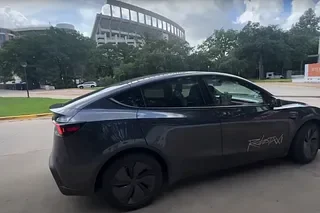
Tesla's Robotaxi Takes Austin by Storm: Rapid Expansion and Real-World Mastery
Pushing Boundaries in Autonomous Mobility: Why This Expansion Signals a Game Changer for Urban Transport
Tesla's Robotaxi service is accelerating its footprint in Austin, demonstrating how AI-driven autonomy can scale quickly and handle complex urban environments with ease. From navigating construction zones to making smart maneuvers in tight spots, the latest tests reveal a system that's not only reliable but also poised to outpace competitors in flexibility and efficiency. For tech enthusiasts tracking the evolution of self-driving tech, this update highlights key advancements in mapping, decision-making, and user experience that could reshape ride-hailing worldwide.
Key Takeaways
Tesla expanded its RoboTaxi network in Austin in just three weeks, covering new areas like North Austin and suburban spots, shaped humorously like a meme-inspired cowboy hat.
The service excels in challenging scenarios, including K-turns in dead-end parking lots, reversing out of tight spaces, and yielding to emergency vehicles.
Compared to rivals like Waymo, Tesla's approach relies less on detailed mapping and more on AI, enabling faster, non-strategic expansions into low-density areas.
Performance remains smooth and confident, avoiding highways for now but handling construction, pedestrians, and traffic with minimal hesitation.
Future potential includes highway access, fleet growth, and undercutting traditional ride-hailing prices once teleoperator ratios improve.