
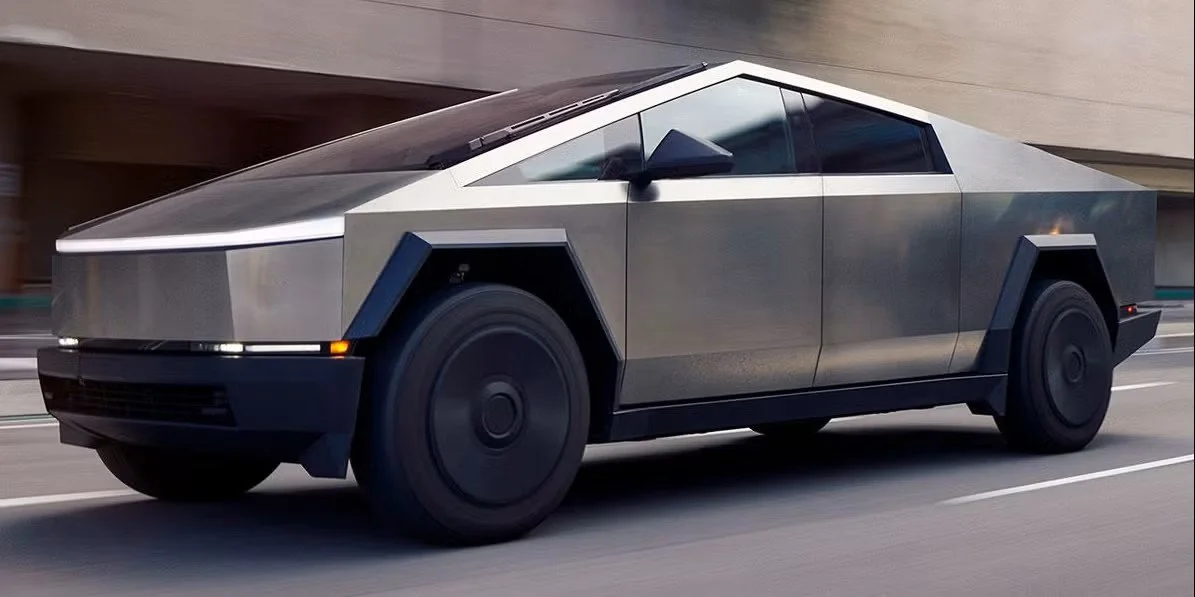
Cybertruck's Self-Driving Breakthrough: FSD v14.1.7 Takes on Austin Rush Hour
Pushing Autonomy to New Heights in Real-World Chaos
Tesla's latest Full Self-Driving update demonstrates remarkable progress in handling urban and highway scenarios, blending speed with safety in ways that rival human drivers.
Key Takeaways
FSD v14.1.7 maintains smooth, natural acceleration and braking, adapting seamlessly to traffic flow without abrupt movements.
The system excels in lane management, preferring middle lanes for cruising and shifting left only for passing, avoiding common pitfalls like left-lane camping.
Pedestrian detection and courtesy stand out, with the vehicle yielding appropriately at crosswalks and four-way stops, even in busy pedestrian areas.
Highway performance handles construction zones, merges, and speed variations up to 85 mph cap effectively, though minor hesitations occur in complex merges.
Parking garage navigation needs refinement, as the system sometimes fails to enter designated areas, but overall urban maneuvering in crowded spots shows strong politeness and caution.
Mad Max mode delivers assertive yet controlled driving, prioritizing empathy and safety over aggressive tactics.
School zones and low-speed areas trigger cautious speed adjustments, potentially geofenced for added safety around sensitive locations.
The update marks a pivotal step toward unsupervised autonomy, with potential for widespread deployment removing the need for constant driver attention by mid-2026.
Tesla's Full Self-Driving (FSD) system in version 14.1.7 represents a significant leap in autonomous vehicle technology, particularly when tested in a Cybertruck during Austin's demanding rush hour. This update showcases how AI-driven driving can integrate into everyday traffic, from highways to pedestrian-heavy domains, with a focus on reliability and user comfort. The performance highlights advancements in real-time decision-making, making self-driving tech feel increasingly viable for mass adoption.
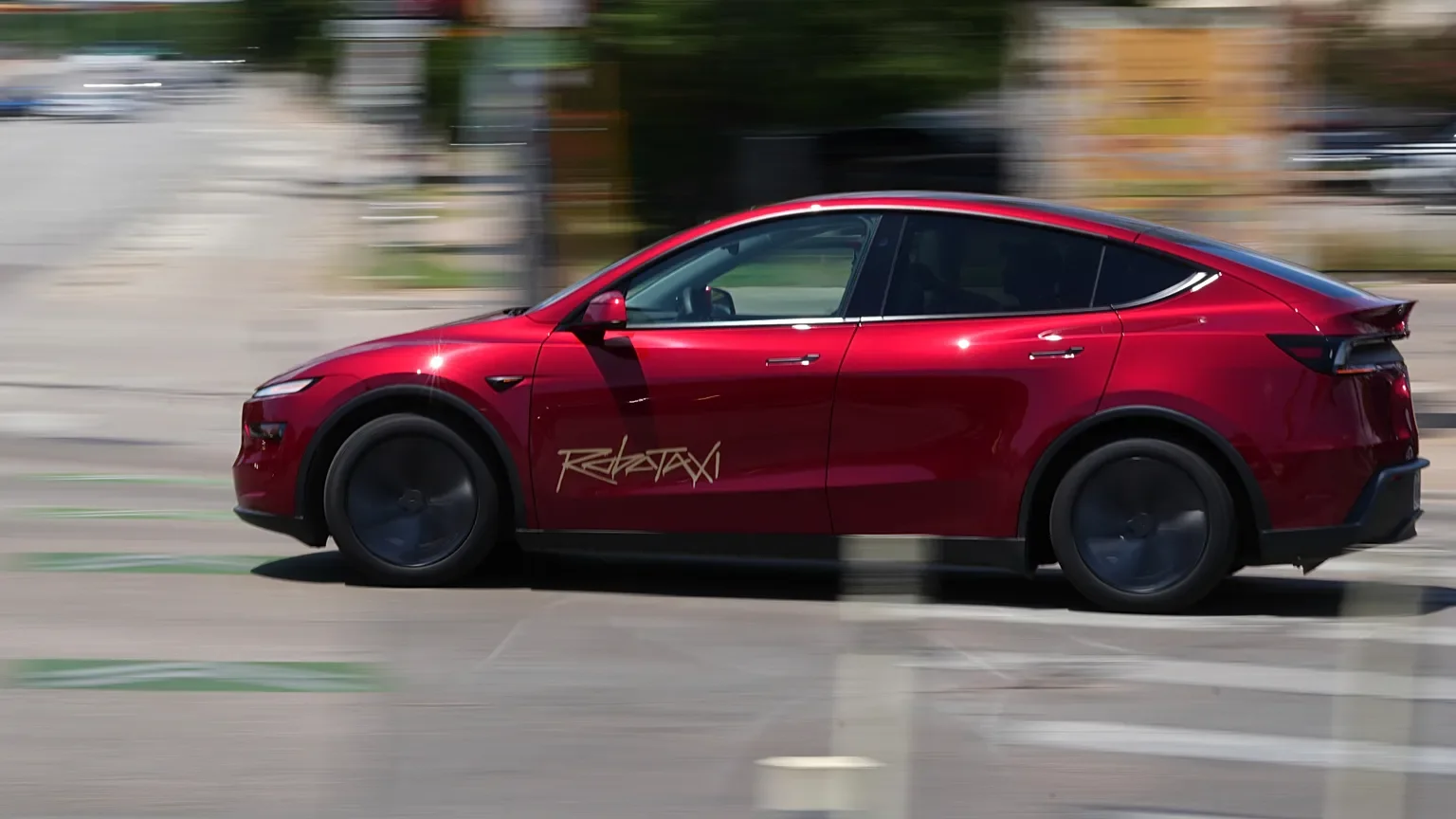
Self-Driving Revolution: How AI is Redefining Urban Life and Transportation
Unlocking Safer Streets, Reclaimed Spaces, and a Post-Scarcity Future
Self-driving technology stands on the brink of transforming cities, economies, and daily routines through advanced AI systems that outperform human drivers in consistency and safety.
Key Takeaways
Self-driving cars will reduce parked vehicles and parking lots, freeing up urban space for human use while cutting noise pollution and boosting road safety.
AI-driven autonomy enables cheaper, faster delivery of goods and redirects human attention from driving to more productive activities.
Tesla's vision-only approach, using cameras and neural networks, has advanced to handle complex urban scenarios flawlessly, surpassing earlier versions that struggled with basic curves.
This tech shifts from rule-based programming to learning from billions of miles of real-world data, similar to AI mastering chess through pattern recognition.
Broader impacts include massive drops in transportation and labor costs, but also potential job displacement, pushing society toward valuing human existence over work output.

Building a Billion-Dollar AI Mental Health Revolution
Unlocking the Brain Through Everyday Cameras: A Path to Precise Diagnosis and Personalized Care
Mental health care today relies on outdated tools that leave millions misdiagnosed or untreated. Emerging AI technologies, powered by simple smartphone cameras, promise to change that by measuring brain activity through the eyes—offering objective insights into conditions like PTSD, anxiety, and depression. This approach could scale globally, turning subjective questionnaires into data-driven precision.
Key Takeaways
Mental health diagnosis often depends on self-reported questionnaires, which are inaccurate and fail to distinguish between overlapping conditions.
Eye-tracking AI uses off-the-shelf cameras to monitor pupil changes, gaze patterns, and even heart rate, providing objective metrics for cognitive and emotional states.
Traditional eye trackers are expensive and limited, but mobile-based systems make this tech accessible to everyone, potentially reaching billions.
Starting with PTSD detection, this technology aims to expand to severity tracking, treatment matching, and population-level insights.
Building such a system requires years of iteration, from hardware hacks to FDA-approved diagnostics, blending neuroscience with consumer tech.

AI's Hidden Revolution: Why America Leads and What It Means for Our Future
Redefining value, rights, and power in a world shaped by intelligent machines.
AI isn't just transforming tech—it's reshaping societies, economies, and philosophies at their core. From the dominance of U.S. innovation to the rising value of practical skills, these shifts explain cultural tensions and political changes happening now. Dive in to see how AI ties into America's unique foundations and why embracing it is essential for staying ahead.
Key Takeaways
AI leadership stems from America's cultural and constitutional edge, where rights come from inherent principles rather than consensus or intellect.
Practical, vocationally trained workers are becoming the new high-value creators as AI automates abstract, high-end labor.
Empathy gaps toward working-class Americans fuel political turbulence, but AI-driven value shifts could realign priorities toward those who build and protect.
Meritocracy emerges as a revolutionary force in enterprises, rewarding capability and dedication over backgrounds.
Global AI dominance boils down to U.S. versus China, with Europe sidelined—owning the tech means controlling the rules.
Defending borders, enforcing laws, and fighting for progressive ideals require standing against radicals within parties to protect workers' value.
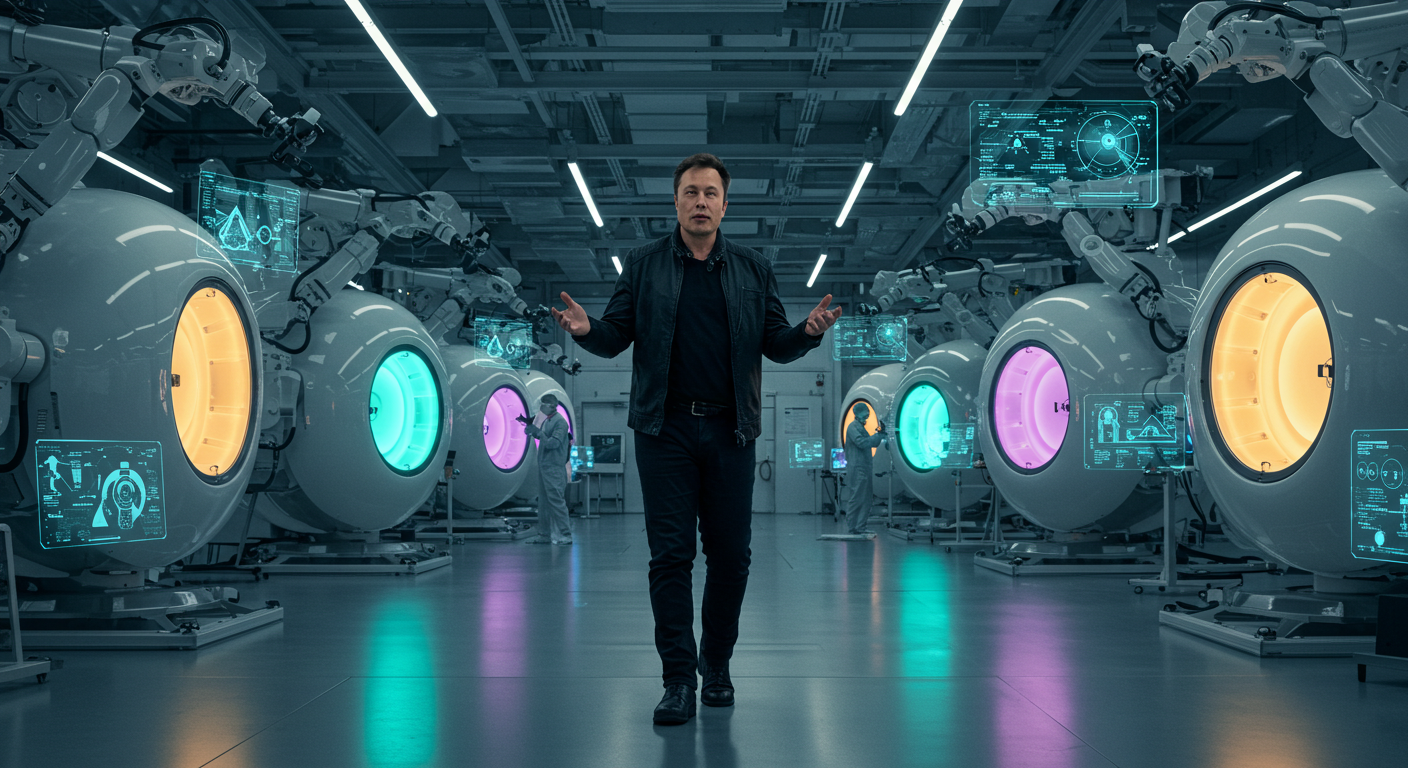
Tesla's AI Edge: Pioneering Autonomy in a World Not Ready
Revolutionizing Transport and Labor with Self-Driving Tech and Humanoid Bots
Tesla stands on the brink of transforming daily life through advanced AI systems in vehicles and robots, outpacing current laws and sparking both innovation and societal shifts. This newsletter explores how these technologies promise safer roads, affordable mobility, and efficient labor—but only if handled with care to benefit everyone.
Key Takeaways
Tesla's self-driving software is advancing to allow drivers to disengage completely, reducing accidents through constant vigilance and 360-degree awareness.
Humanoid robots aim for mass production, starting at a million units annually, with costs dropping to enable tasks from factory work to home chores at under $3 per hour.
These innovations could slash transportation costs to below 30 cents per mile, making private, door-to-door rides as affordable as public transit.
Job displacement looms large for drivers, warehouse workers, and manual laborers, as robots handle tasks without rest or rights.
Regulations lag behind tech capabilities, creating friction, but widespread adoption could revitalize communities by lowering costs and improving access.
Success hinges on ensuring these tools uplift underserved areas, preventing backlash and fostering broad economic gains.
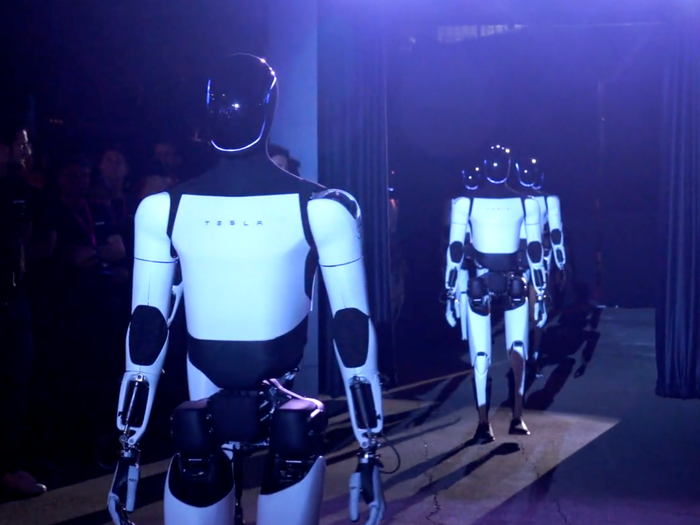
Tesla's Robot Army: From Factory Floors to Your Living Room
Unlocking a $1 Trillion Future in AI-Driven Machines and Autonomous Mobility
Tesla has just secured a massive compensation plan that ties its leader to ambitious goals, pushing the company toward an $8.5 trillion valuation. This move signals deep investments in humanoid robots, driverless vehicles, and advanced AI infrastructure, setting the stage for transformative changes in industry and daily life.
Key Takeaways
Tesla plans to produce tens of millions of humanoid robots annually, starting with a focus on industrial applications where tasks are repetitive and environments controlled.
Self-driving technology is advancing rapidly, with unsupervised driving potentially available by year-end, though regulatory hurdles could limit widespread adoption.
Production targets aim for 2.6-2.7 million vehicles by end of 2026, scaling to 5 million by 2028, including new models without steering wheels or pedals.
Building a supply chain for robots from scratch will involve significant challenges, including billions in compute investments for AI training.
Tesla may enter chip manufacturing to support its growth, targeting a million wafer starts per month to meet demand for AI hardware in robots and vehicles.
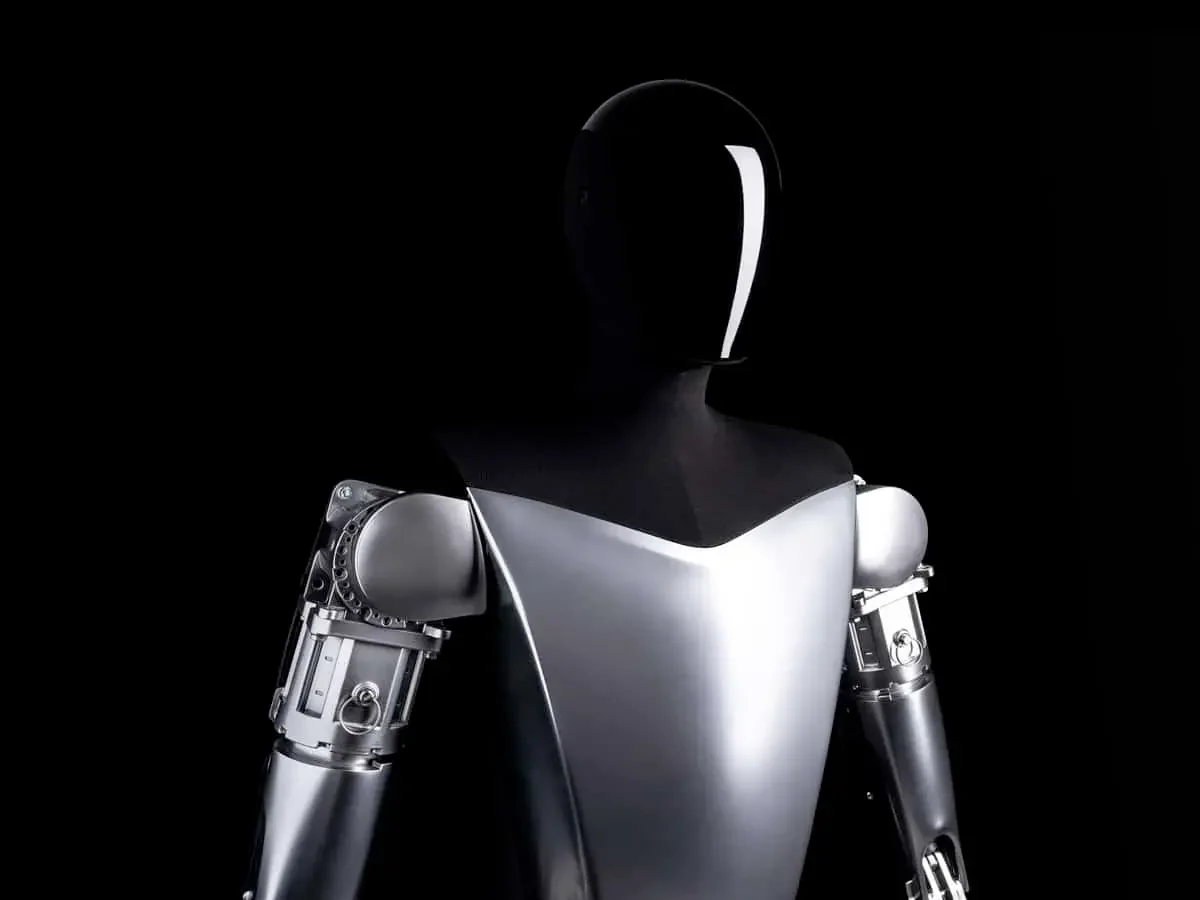
Tesla's Robotic Revolution: Unlocking Infinite Abundance
How AI and humanoid robots could reshape economies, eliminate poverty, and redefine human potential
The future of technology isn't just about smarter gadgets—it's about creating a world where scarcity ends and abundance thrives. Recent advancements in AI, robotics, and autonomous systems point to massive economic growth, safer transportation, and groundbreaking medical applications. These developments promise to multiply global productivity by factors of 10 or even 100, turning science fiction into everyday reality.
Key Takeaways
Humanoid robots like Optimus could scale to billions of units, enabling precision surgery beyond human capability and providing personalized crime prevention without prisons.
AI-driven autonomy in vehicles will soon allow safe texting or sleeping while driving, with production ramps targeting millions of units annually starting next year.
Sustainable energy through solar, batteries, and efficient chips will fuel this era, potentially doubling U.S. energy output without new power plants.
Tesla's custom AI chips, optimized for low power and high efficiency, could outperform competitors at a fraction of the cost, powering robots, cars, and distributed computing networks.
Economic shifts may render traditional money obsolete, measuring value in wattage or computational power instead.
Regulatory hurdles in Europe and China are easing, paving the way for global deployment of full self-driving technology by early next year.
Massive production goals aim for 5 million vehicles annually by 2028, alongside humanoid robot lines capable of units every 5 seconds.

AI Capitalism: The Path to Socialist Dreams?
The Irony of Tech-Driven Abundance in a Divided America
As socialist ideas gain traction in major U.S. cities, groundbreaking advancements in AI and robotics promise a future of unlimited resources and minimal work. This convergence could redefine economic systems, blending capitalist innovation with universal prosperity—but only if society navigates the massive disruptions ahead.
Key Takeaways
Socialist sentiments are rising among younger voters and women in urban areas, driven by feelings of exclusion from the current economic setup.
Tech companies are pushing toward "sustainable abundance," where AI handles production, potentially eliminating the need for most labor while preserving natural environments.
This tech-fueled future could deliver universal high income, freeing people to pursue passions instead of survival jobs.
Capitalism's strength lies in incentivizing risk and innovation, but without mechanisms to redistribute gains, it risks widening inequality and boosting socialist movements.
Job losses from automation in driving, manufacturing, and services are inevitable, demanding new policies like universal basic income to ease the transition.
Deflationary effects from cheap AI-driven transport and robots could lower living costs dramatically, allowing more people to invest or start businesses.
The ultimate test: Can capitalism absorb displaced workers into better opportunities, or will socialism fill the void?

The Robot Revolution Accelerates: Tesla's Edge in an AI-Powered Future
Why Humanoids and Autonomous Tech Could Redefine Society by 2030
Tesla's advancements in AI-driven robotics and self-driving systems are setting the stage for massive economic shifts, with humanoid bots poised to transform factories, homes, and entire industries—potentially unlocking trillions in value while sparking unprecedented disruptions.
Key Takeaways
Tesla's stock could surge to new highs following key approvals, driven by optimism around AI robotics and energy growth, despite short-term earnings challenges.
Humanoid robots like Optimus are advancing faster than expected, with production lines gearing up for factory use by early 2026, signaling practical deployment sooner than skeptics anticipate.
Robotaxis networks are expanding rapidly in select cities, with fleets scaling to hundreds of vehicles by year-end, offering cheaper, safer rides that could outpace traditional services.
AI adoption is growing at triple the rate of the internet, with 10% of the global population already using advanced tools weekly, but businesses struggle to implement it effectively.
The transition to an AI economy will involve significant workforce disruptions, potentially requiring universal basic income to manage upheaval, while creating opportunities for new AI-native ventures.
Humanoid bots will likely enter workplaces before homes due to safety and complexity issues, starting with repetitive tasks in controlled environments.
Nvidia's dominance in chips underscores an ongoing AI arms race, with massive investments in data centers fueling growth, even as profitability lags for many players.
Future cities may split between tech-embracing hubs with robot-integrated services and those resisting automation, leading to uneven societal adoption.
AI could lower barriers to human interaction by making transportation and daily tasks frictionless, fostering more social connections in an abundant era.
The path to sustainable abundance involves balancing rapid innovation with equitable access, as new tools enable entrepreneurial reinvention in fields like farming and services.

The AI Tsunami: Racing Toward a World Without Mandatory Work
Why AI Could Deliver Abundance – or Chaos – and What Comes Next
AI is accelerating at a pace that's set to transform every aspect of our economy, from desk jobs to physical labor. The most compelling insights point to a future where work becomes optional, poverty could vanish through universal high income, and robots handle the heavy lifting. But getting there involves massive disruption, job losses, and the need for AI systems that prioritize truth and human well-being over bias.
Key Takeaways
AI will rapidly eliminate digital jobs like coding, email processing, and data handling, much faster than past technological shifts.
Physical jobs involving hands-on work, such as welding, plumbing, farming, and cooking, will persist longer but eventually give way to robots.
Autonomous vehicles and automated ports signal the end for many driving and logistics roles, exacerbating shortages while highlighting safety risks from unqualified workers.
A benign AI future could lead to universal high income, enabling access to goods, services, and medical care without mandatory work, effectively eliminating poverty.
To avoid dystopian outcomes, AI must be designed to seek truth, value all human lives equally, and foster curiosity about humanity rather than enforce biases.
Competition among AI developers will drive improvements, pushing systems toward fairness and affordability, with costs dropping for services like home robots at around $500 monthly.
The transition will cause trauma, including job displacement and wealth gaps, requiring government intervention to ensure displaced workers can access AI benefits.
In a post-work era, people may find meaning through personal pursuits like hobbies, exploration, or creative endeavors, shifting away from job-defined identities.
Broader economic changes, such as cheaper housing from robot-assisted construction, could solve crises like affordability, but only if abundance is distributed equitably.

The AI Revolution Behind Self-Driving Cars: Tesla’s End-to-End Breakthroughs
Unveiling the tech powering autonomous vehicles and the future of robotics
Self-driving cars are no longer a distant dream—they’re hitting the roads, navigating complex scenarios, and transforming how we think about transportation. Recent advancements in AI, particularly Tesla’s end-to-end neural network approach, are pushing the boundaries of autonomy, making vehicles safer, smoother, and more intuitive. From robotaxi services to factory-to-home deliveries, these innovations are reshaping mobility and paving the way for broader robotic applications. Here’s a deep dive into the technologies driving this revolution and what they mean for the future.
Key Takeaways
End-to-End Neural Networks: Tesla’s shift to a single, large neural network eliminates traditional modular systems, enabling direct processing from raw sensor data to driving actions for smoother and safer performance.
Data Advantage: Tesla leverages its massive fleet to collect diverse, real-world driving data, refining models to handle rare and complex scenarios effectively.
Advanced Debugging Tools: Techniques like Gaussian Splatting and natural language prompts allow Tesla to interpret and debug neural network decisions, ensuring safety and reliability.
Simulation for Evaluation: Neural network simulators generate consistent, multi-camera video streams, enabling robust testing of edge cases and adversarial scenarios without real-world risks.
Scalability Across Platforms: The same AI technology powers Tesla’s vehicles, upcoming Cybercab, and Optimus humanoid robots, promising broad applications in robotics.

Tesla's AI Revolution: Betting Big on Autonomy and Abundance
Redefining Mobility, Energy, and Humanoid Robotics in a Post-AI World
Tesla is pushing boundaries in real-world AI, positioning itself as a frontrunner in transforming transportation, energy systems, and even daily life through advanced robotics. The company's aggressive expansion in production, coupled with breakthroughs in unsupervised full self-driving and humanoid robots, signals a shift toward a future of sustainable abundance where technology eliminates scarcity and makes work optional. These developments aren't just incremental—they promise to double energy outputs, create fleets of autonomous vehicles, and deploy millions of AI-powered robots.
Key Takeaways
Tesla leads in real-world AI density, enabling cars to operate as intelligent entities with 360-degree vision and reasoning capabilities for tasks like optimal parking.
Unsupervised full self-driving is on track for rollout in multiple U.S. states by year-end, with robotaxi operations expanding to 8-10 metro areas, prioritizing safety through cautious deployment.
Optimus humanoid robots are advancing rapidly, with production scaling to millions annually, focusing on dexterous hands and vertical integration to overcome supply chain gaps.
AI chip designs like AI5 promise 40x performance gains over predecessors, optimized for Tesla's stack, potentially creating oversupplied compute for distributed inference fleets.
Energy storage via Megapacks could double U.S. energy output without new power plants, integrating substation features for faster deployment.
Cybercab production starts in Q2 2025, designed solely for autonomy, minimizing costs per mile and allowing passengers full device use during rides.
Overall strategy aims for sustainable abundance, where AI and robotics eradicate poverty and provide universal access to advanced services like surgery.

Tesla’s Autonomous Revolution: Redefining Travel with Next-Gen Vehicles
How Tesla’s self-driving platforms could transform RVs, party buses, and accessible transport for a new era of mobility.
The future of transportation is hurtling toward us, and Tesla is at the forefront with vehicles that promise to redefine how we move, live, and socialize. Imagine a world where self-driving RVs roam highways, party buses ferry fans to games, and autonomous vehicles empower those with disabilities to travel effortlessly. Tesla’s advancements in autonomy, coupled with innovative vehicle platforms like the Semi and Robo Van, are poised to create a seismic shift in mobility. From customizable interiors to game-changing accessibility, these vehicles could unlock new ways to work, play, and explore.
Key Takeaways
Autonomous RVs and vans: Tesla’s platforms, like the Semi and Robo Van, could become self-driving RVs or party buses, with interiors tailored for sleeping, working, or socializing.
Safety first for large vehicles: The sheer size of a self-driving Semi demands rigorous safety standards, potentially delaying full autonomy until 2040 to prevent catastrophic accidents.
Third-party customization: Tesla may focus on producing vehicle shells, leaving interior customization to fleet operators, creating a marketplace of specialized experiences.
Frictionless travel: Autonomous vehicles could make short intercity trips faster and cheaper than flights, with added benefits like sleeping or relaxing en route.
Accessibility revolution: Self-driving tech, paired with steer-by-wire systems, could enable people with disabilities or the elderly to travel independently.
Tesla’s Q3 Triumph: Record-Breaking Growth and a Glimpse into an AI-Powered Future
How Tesla’s Stellar Quarter Signals a Bold Leap Toward Autonomy and Sustainable Energy
Tesla’s third quarter of 2025 delivered a masterclass in resilience and innovation, shattering records in vehicle deliveries, energy storage deployments, and financial performance. Despite navigating a turbulent global market, the company’s focus on scaling its core businesses while investing in AI-driven solutions positions it as a leader in the race toward a sustainable, autonomous future. From record cash reserves to groundbreaking advancements in full self-driving (FSD) technology, Tesla’s latest earnings reveal a company balancing immediate growth with transformative long-term bets.
Key Takeaways
Record Vehicle Deliveries: Tesla achieved unprecedented global vehicle deliveries, with growth across all regions, driven by new affordable models like the Model Y Standard and Model 3 Standard.
Energy Storage Surge: The energy division saw record deployments in residential, industrial, and utility sectors, bolstered by the launch of Megapack 3 and Megablock.
Financial Strength: Revenue hit an all-time high, with $5 billion added to cash reserves, bringing the total to $41.6 billion—nearly matching Ford’s entire market cap.
AI and Autonomy Milestones: FSD version 14 rolled out with intervention-free drives in complex urban environments, while robotaxi services expanded in Austin and the Bay Area.
Future-Ready Investments: Production lines for Optimus, Cybercab, and Tesla Semi are on track for volume production in 2026, signaling Tesla’s pivot toward robotics and AI-driven services.
Cautious Outlook: Despite strong performance, Tesla highlighted uncertainties from global trade, tariffs, and fiscal policies, emphasizing a robust balance sheet to weather challenges.
ChatGPT’s New Trick: Ordering Your Groceries with a Click
How AI Agents Are Simplifying Everyday Tasks for Tech Enthusiasts
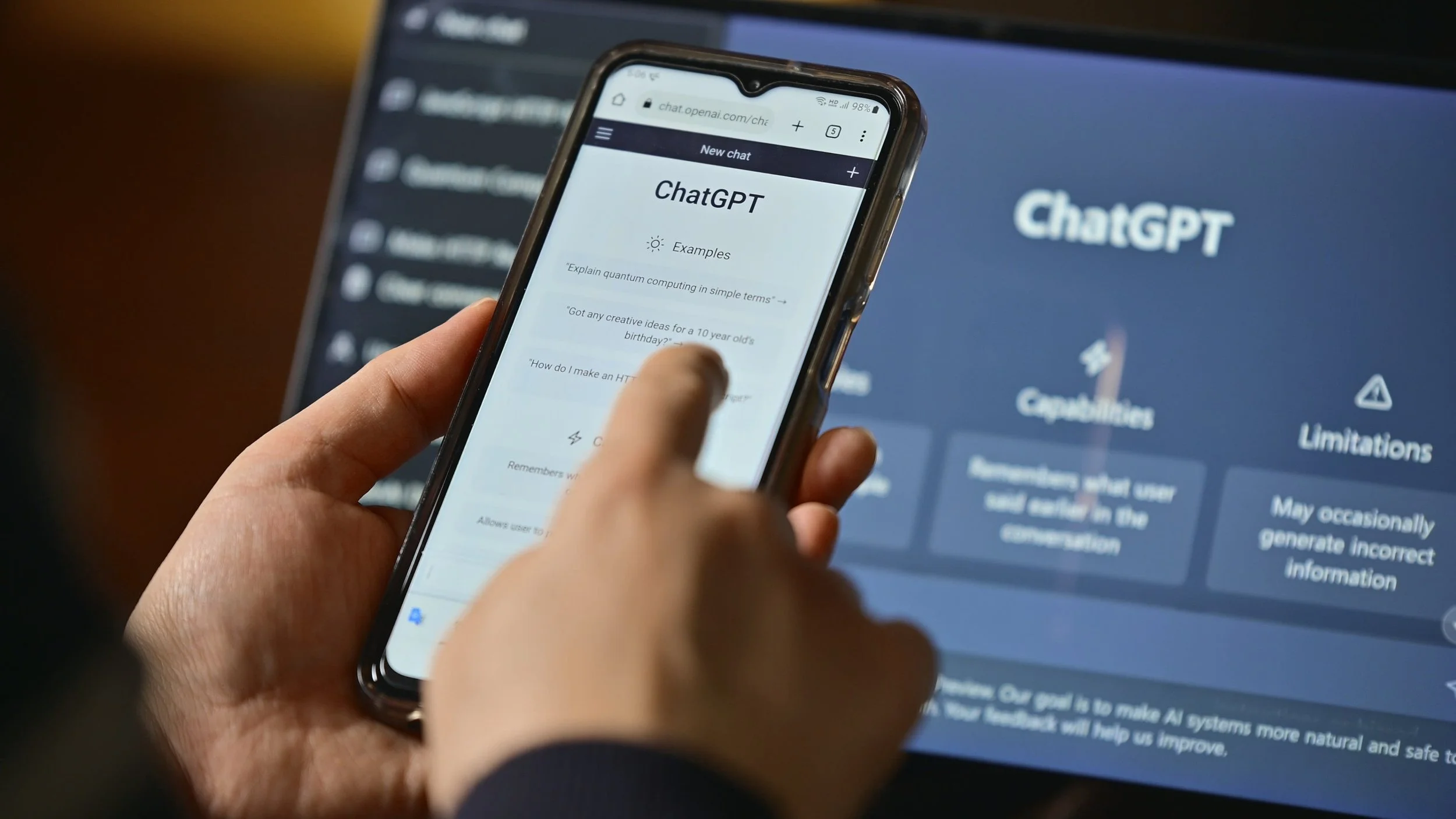
Imagine planning a potluck and realizing you don’t have the ingredients—or the time to figure out what you need. Now, AI can handle it for you, from calculating ingredient quantities to ordering them online. Recent advancements in AI agents, particularly those integrated with browser tools, are transforming how we tackle daily tasks. This newsletter dives into how these agents work, their potential, and the critical balance between convenience and control.
Key Takeaways
AI agents can analyze recipes, scale ingredient lists for any serving size, and create organized shopping lists.
Browser-based AI can navigate online stores, add items to carts, and streamline grocery ordering.
User control is prioritized with options to approve actions, limit access, and manage data privacy.
These tools are evolving to anticipate user needs, pulling relevant information proactively.
Safety measures restrict AI to browser tabs, preventing unauthorized access to devices or files.

Tesla's FSD v14: Awakening the Machine Mind
Revolutionizing Autonomy with Faster Reactions, Emergent Behaviors, and a Push Toward True Self-Driving
Tesla's latest Full Self-Driving software update, version 14, marks a pivotal shift in how vehicles handle real-world scenarios. From navigating drive-thrus without explicit training to reacting quicker than human drivers, this version demonstrates capabilities that bring unsupervised autonomy closer than ever. It handles complex maneuvers with newfound intelligence, though not without some rough edges in smoothness and speed control.
Key Takeaways
Version 14 excels at beginning and end-of-drive tasks, reliably backing out of tight driveways and finding parking spots, turning point-to-point travel into a seamless experience.
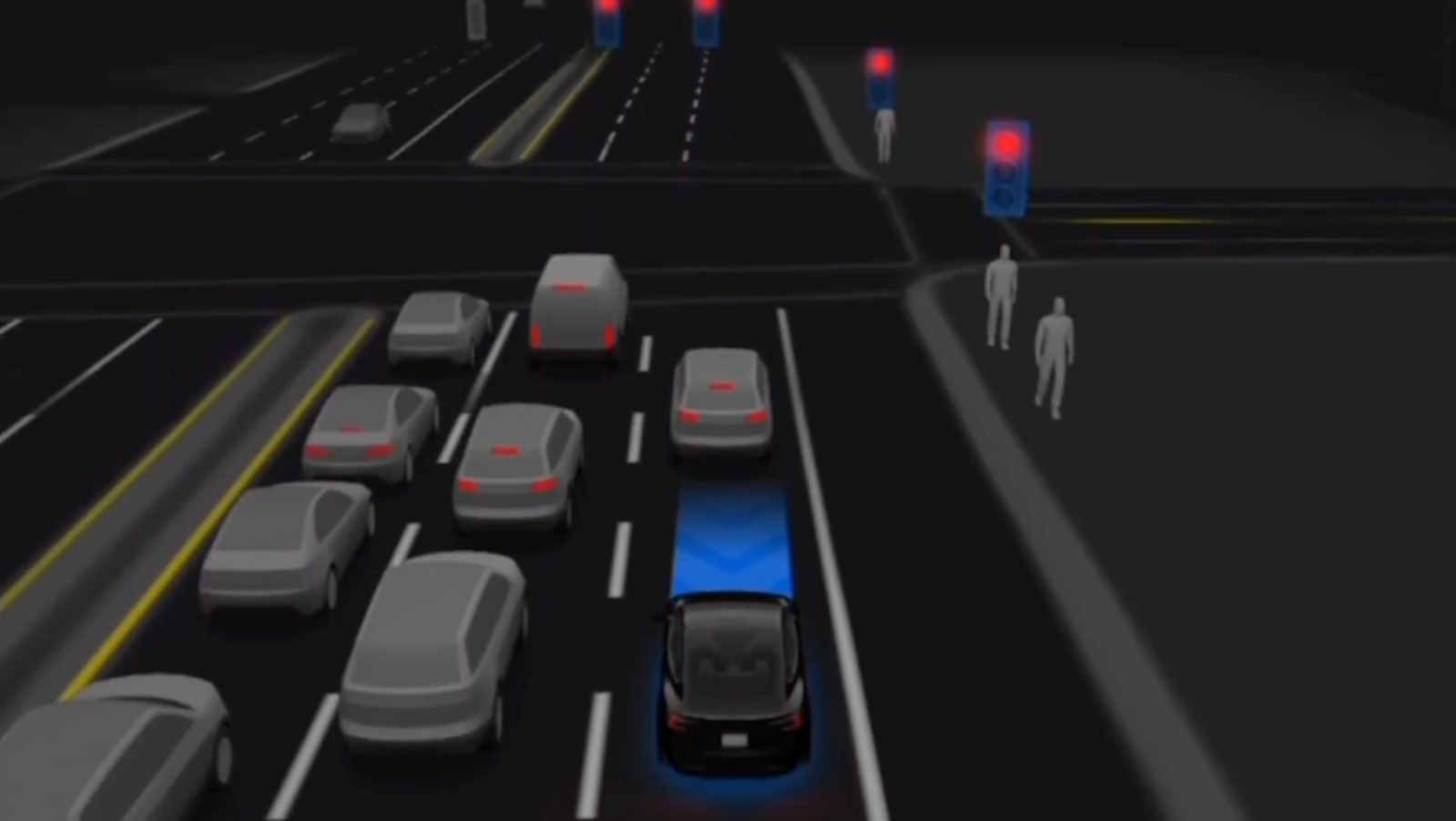
Reaction times have improved dramatically, allowing the system to respond to environmental changes—like ambulances or opening car doors—faster than previous versions, often before a human notices.
Emergent behaviors, such as stopping at drive-thru stations and windows based on contextual clues like transactions or screens, show the software's ability to generalize without specific programming.
Braking feels more abrupt due to rapid decision-making, but this stems from heightened caution rather than errors, prioritizing safety over smoothness.
Lane changes are more hesitant, requiring larger gaps, which contrasts with the aggressiveness of prior versions but enhances overall caution.
Speed management relies on predefined profiles (sloth, chill, standard, hurry) without manual overrides, leading to occasional mismatches with real-world limits like school zones or construction.
Parking decisions vary, sometimes choosing suboptimal spots like alleys or handicapped areas, highlighting needs for refinement in spot selection and legal awareness.
Hardware differences, such as the presence of a front bumper camera, influence performance, but even older setups show strong results in core driving tasks.
The system introduces alerts for increased attention in tricky situations, paving the way for SAE Level 3 autonomy where drivers can relax until prompted.
Overall, version 14 feels closer to robotaxi readiness than driver assistance, though it demands tolerance for quirks from testers while smoothing out for broader use.

Tesla's FSD v14: AI That's Rewriting the Rules of the Road
How emergent behaviors in self-driving cars are turning everyday drives into a glimpse of autonomous futures—and why Tesla's data edge makes competitors look like they're stuck in neutral.
Tesla's latest Full Self-Driving software update, version 14, isn't just incremental—it's a leap where vehicles start anticipating human quirks without explicit programming. Imagine a car that pauses mid-drive-thru not because of a stop sign, but because it overhears the "thank you" signaling order complete. Or one that yields to sirens miles away, edging over in traffic jams to let emergency responders through. These aren't scripted routines; they're AI piecing together real-world patterns from vast datasets. For tech enthusiasts, this signals the shift from rule-based systems to generalized intelligence, where cars learn like neural networks trained on the chaos of actual roads.
Key Takeaways
Emergent Decision-Making: FSD v14 exhibits behaviors like waiting for drive-thru conversations to end or pulling over for distant ambulances, learned from millions of driving hours rather than hardcoded rules.
Data-Driven Advantage: Tesla's 7 million+ vehicle fleet generates exponentially more training data than rivals like Waymo's 1,500-unit operation, accelerating AI improvements at scale.
Cost Disruption Potential: Autonomous fleets could slash ride costs to 40-50 cents per mile—versus $1.80+ for human-driven services—enabling fares as low as $3 for a 3-mile trip.
Physical AI Frontier: This mirrors digital AI breakthroughs like large language models, but applied to real-world actions: steering, stopping, and yielding based on contextual cues from cameras and mics.
Edge Polishing Needed: While safe overall, the software shows minor hesitations like abrupt braking near pedestrians, typical of rapid AI iterations that refine with more data.
Broader Implications: Widespread adoption could reshape labor markets, from ride-sharing drivers to urban logistics, as robotaxis roll out in cities like Austin and the Bay Area.
Tesla's FSD v14: Sentient Driving Arrives, Unlocking Robotaxi Riches
The upgrade that makes your Tesla feel alive—smoother, smarter, and primed for hands-off autonomy that could redefine car ownership.
Full Self-Driving (FSD) version 14 hits the road with a leap in human-like intuition, turning everyday drives into effortless experiences while paving the way for unsupervised rides that generate income. Early tests show flawless parking in tight spots and adaptive behaviors that outpace prior versions, signaling Tesla's push toward a future where vehicles earn their keep.
Key Takeaways
FSD v14 introduces customizable arrival options, letting drivers pick parking spots like driveways, curbside, or garages for precise, user-directed endings to trips.
New driving profiles—Sloth for ultra-conservative pacing, alongside Chill, Standard, and Hurry—cater to varied comfort levels, with overall gains in smoothness and decision confidence.
Hands-free mode activates in supervised settings, but alerts ramp up in tricky zones like construction or rail crossings, hinting at broader attention relaxation elsewhere.
Parking precision shines: vehicles now navigate narrow gates, ticket booths, and spots flawlessly, often without human tweaks, feeling like a glimpse of tomorrow.
Minor hitches persist, such as brief braking jolts in low-speed maneuvers or speed nudges beyond limits, but these pale against zero-intervention drives spanning hours.
Broader rollout suggests boosted safety metrics, with rapid follow-ups expected to polish edges, much like the neural net evolutions in v12 and v13.
Unsupervised horizons loom: Robotaxi fleets in Austin and the Bay Area already test advanced variants, collecting data and fares to validate attention-free ops by early 2026.
Economic upside: Autonomous cars could slash ride costs below Uber levels, enabling owners to monetize vehicles via Tesla's network—potentially 10-30% cuts per mile—while fueling decades of demand.
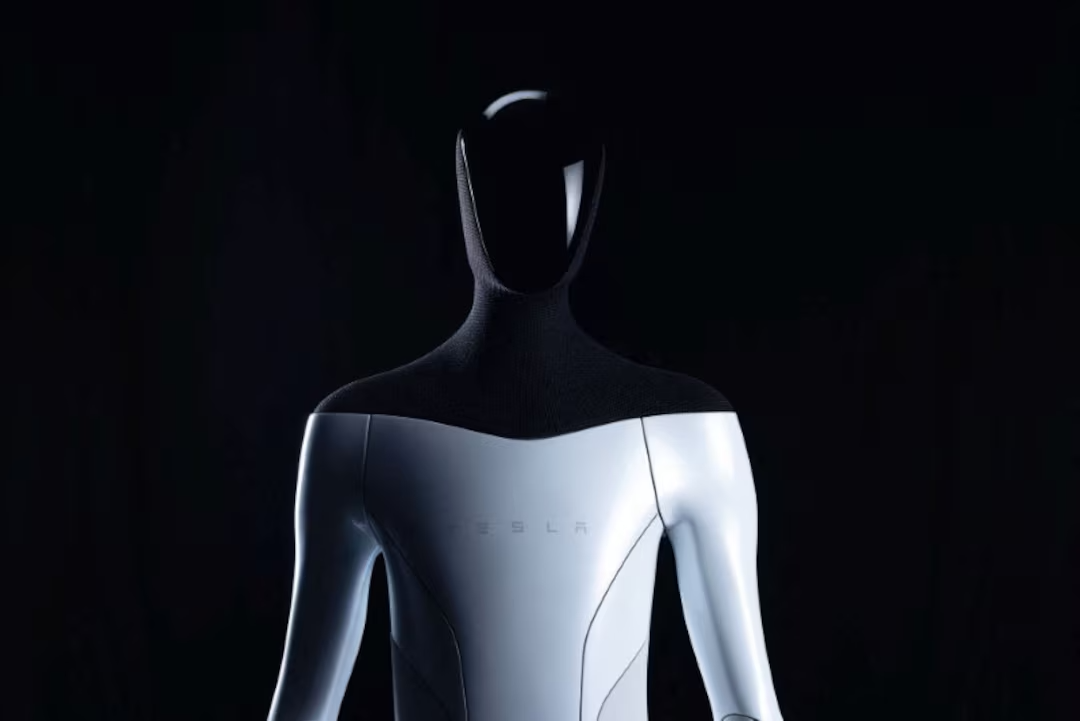
Tesla’s Optimus Robot: A Glimpse into a $40 Trillion Future
How Tesla’s Humanoid Robot Could Redefine Labor and Unlock Unprecedented Economic Value
Tesla’s latest showcase of its Optimus robot signals a bold leap toward a future where humanoid robots could transform industries, economies, and daily life. The technology, still in its early stages, demonstrates nuanced capabilities like tactile feedback and precise hand movements, hinting at its potential to disrupt the massive $40 trillion global labor market. Combined with Tesla’s push for autonomous vehicles and energy solutions, Optimus could be the key to unlocking extraordinary value for the company and its investors.
Key Takeaways
Humanoid Robot Potential: Tesla’s Optimus robot showcases advanced capabilities like tactile feedback and precise manipulation, positioning it to compete in the $40 trillion global market for physical human labor.
Economic Disruption: At an estimated $3/hour operating cost, Optimus could drastically reduce labor expenses compared to human wages ($12-$30/hour), opening new markets and business models.
Massive Market Opportunity: Tesla aims to produce one million robots annually at $20,000-$25,000 each, targeting industries like warehousing and manufacturing where repetitive tasks dominate.
Broader Tesla Vision: Optimus aligns with Tesla’s autonomous vehicles and energy solutions, driving the company toward a potential $8.5 trillion market cap and $400 billion in annual revenue.
Labor and Economic Shifts: While robots promise efficiency, they could disrupt traditional labor markets, necessitating new job creation and economic adaptation.
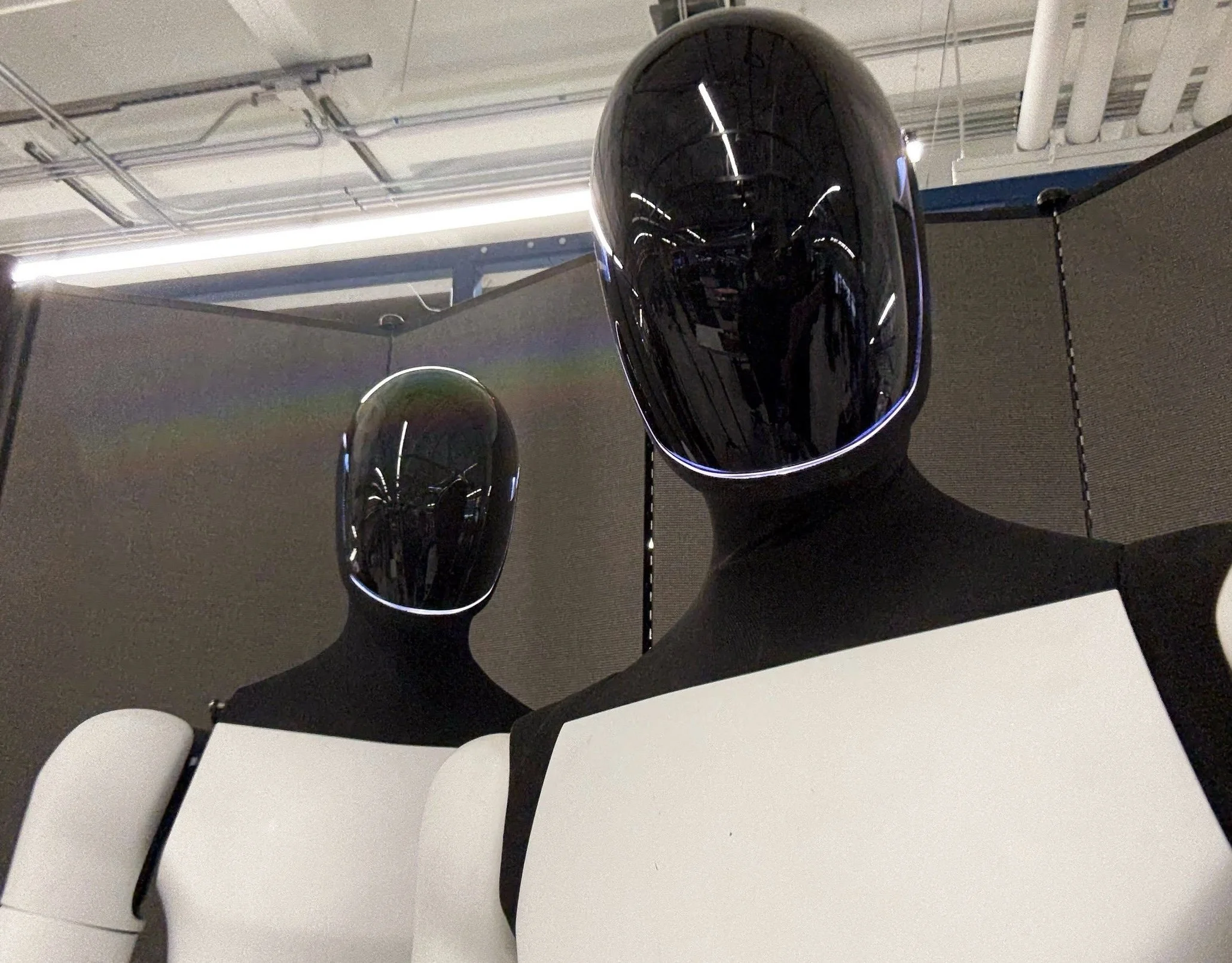
Tesla’s Optimus Robot Unveiled: A Game-Changer for Automation
Revolutionizing Industries with Humanoid Robotics
Tesla’s Optimus robot has sparked global excitement with its potential to transform industries and daily life. This humanoid robot, showcased recently, demonstrates remarkable advancements in AI, mobility, and human-robot interaction. From factory floors to household assistance, Optimus signals a bold step toward a future where robots work seamlessly alongside humans. Here’s why this unveiling has tech enthusiasts buzzing and what it means for the world of automation.
Key Takeaways
Humanoid Design Breakthrough: Optimus features a sleek, human-like form factor, enabling it to navigate environments built for humans with unprecedented ease.
AI-Powered Versatility: Advanced AI allows Optimus to perform complex tasks, from manufacturing to personal assistance, with real-time adaptability.
Cost-Effective Innovation: Tesla aims to make Optimus affordable, targeting mass-market adoption for businesses and homes.
Industry Disruption: The robot’s capabilities could reshape manufacturing, logistics, and service sectors by automating repetitive and labor-intensive tasks.
Ethical Considerations: The rise of humanoid robots raises questions about job displacement and the need for responsible AI governance.