
You're Being Lied to About AI: The Real Revolution in Intelligence and Work
How artificial intelligence is reshaping industries from the ground up—and why legacy systems can't keep up.
AI isn't just a buzzword; it's the force that's already transforming how businesses operate, scale, and compete. In sectors like insurance, companies built on AI foundations are achieving unprecedented efficiency, while traditional players struggle with outdated data and processes. This edition dives into the mechanics of AI-driven disruption, the operational advantages it unlocks, and the broader societal shifts it demands, including ways to handle mass unemployment through smart redistribution.
Key Takeaways
AI-first companies capture hundreds of times more data than traditional models, enabling precise risk assessment and real-time adaptations that legacy systems miss.
Operational leverage from AI allows businesses to triple revenue and add millions of customers without increasing headcount, turning variable costs into fixed ones.
In auto insurance, telematics and per-mile pricing outperform broad demographic averages, positioning AI-native firms to dominate as self-driving vehicles reduce accidents but increase asset values.
Future products like humanoid robots will require new insurance models focused on theft and liability, creating opportunities for data-driven providers.
AI's acceleration means years of work could soon happen in weeks, widening gaps between adaptable companies and rigid incumbents.
Mass unemployment from AI could create surplus rather than scarcity, but requires mechanisms like negative income tax and ring-fenced sales taxes to redistribute abundance.
Without ensuring everyone benefits, AI adoption risks backlash; enlightened policies can make post-AI lives better for all, fostering abundance over inequality.
The AI Revolution Accelerates: Tools, Tesla, and the Future of Tech
How emerging AI platforms are democratizing creation while reshaping transportation and energy demands in 2026
AI tools are evolving rapidly, enabling anyone to build complex applications without traditional coding expertise. Tesla continues to lead in autonomous driving, with software updates making vehicles safer and more efficient. Discussions around AI valuations suggest specific companies may be overpriced, but the sector's potential remains vast, driven by energy abundance and societal adaptations.
Key Takeaways
AI development platforms like Replit allow users to create functional apps, such as home remodeling tools, with simple prompts, reducing costs from thousands to hundreds of dollars.
Tesla's Full Self-Driving (FSD) software has reached a point where interventions are rare, signaling readiness for widespread unsupervised autonomy, potentially valuing the company at trillions.
No overarching AI bubble exists; instead, hyperscalers like OpenAI face scrutiny for high valuations relative to revenue, while second-layer AI applications in insurance and robotics promise massive growth.
Energy demand for AI will outstrip supply for decades, enabling innovations like desalination and hydrogen production, with surplus power finding uses in computation or physical tasks.
Societal shifts may include more people opting out of hyper-tech lifestyles, forming communities that cap technology adoption, while AI agents negotiate and provide services efficiently among themselves.
Nvidia's shift to end-to-end neural networks for autonomous vehicles, relying on cameras alone, positions it as a strong competitor to Tesla in reasoning-based driving systems.

The AI Tsunami: Redefining Work, Wealth, and Human Purpose
Why the Next Decade Could Make Jobs Obsolete—and Unlock Unimaginable Prosperity
The rapid rise of AI and robotics is set to transform society in ways that demand immediate attention. At its core, this shift promises a world of abundance where goods and services become incredibly affordable, but the path there involves navigating massive job disruptions and economic upheaval. Drawing from emerging trends in technology and economics, this newsletter explores how AI is already reshaping industries and what it means for the future.
Key Takeaways
AI excels at digital tasks, making it ideal for replacing white-collar roles like coding, data analysis, and education far sooner than physical labor.
Tools powered by AI allow non-experts to build complex software and apps, slashing development costs and reducing the need for human developers.
Established companies face resistance to change due to bureaucracy, giving startups built on AI a competitive edge.
Historical shifts, like the replacement of human calculators with machines, show how entire job categories can vanish overnight.
The transition to an AI-driven economy will be chaotic, with potential social unrest, but it could prevent national financial collapse by boosting productivity.
Universal high income emerges not through taxes, but via deflation as production efficiency skyrockets, making everything cheaper.
By 2026, AI could reach general intelligence levels, surpassing humans in all digital domains, with superintelligence following by 2030.
Algorithmic advances could multiply AI's efficiency by orders of magnitude, even without more hardware.
Embracing AI tools today is essential for individuals and businesses to thrive in this new era.

The AI Tipping Point: When Machines Outpace Humanity
Redefining Work, Growth, and Survival in an Intelligent World
We stand on the brink of a technological shift unlike any before, driven by advancements in artificial intelligence that promise to reshape every aspect of human existence. At its core, this evolution raises profound questions about the future of jobs, economic expansion, and ensuring these systems benefit all life forms. The insights here reveal how AI's trajectory could lead to explosive progress while demanding urgent safeguards to manage its immense power.
Key Takeaways
AI is already altering education and certain jobs, but its full potential will enable it to perform any task humans can learn, thanks to the brain's nature as a biological computer that digital systems can replicate.
Rapid economic growth is likely as AI integrates into industries, accelerating research and development, though physical world constraints and regulations may temper the pace.
Countries with AI-friendly policies could outpace others economically, creating global disparities.
Building AI that inherently values sentient life, including its own, may prove more feasible and stable than systems focused solely on human interests.
As AI demonstrates greater capabilities, expect increased collaboration among competitors, heightened government oversight, and a shift toward more rigorous safety measures in development.
The AI Tsunami: Why Tesla's Robot Economy Could Be Your Lifeline
Preparing for a World Where AI Redefines Work and Wealth
The surge of artificial intelligence promises unprecedented efficiency and scale, but it also threatens widespread job displacement across industries. Yet, by investing in the companies leading this charge, everyday people can turn potential upheaval into personal opportunity—positioning themselves to benefit from the very technologies reshaping society.
Key Takeaways
AI-driven companies are set to generate trillions in value by optimizing transportation, labor, and energy systems.
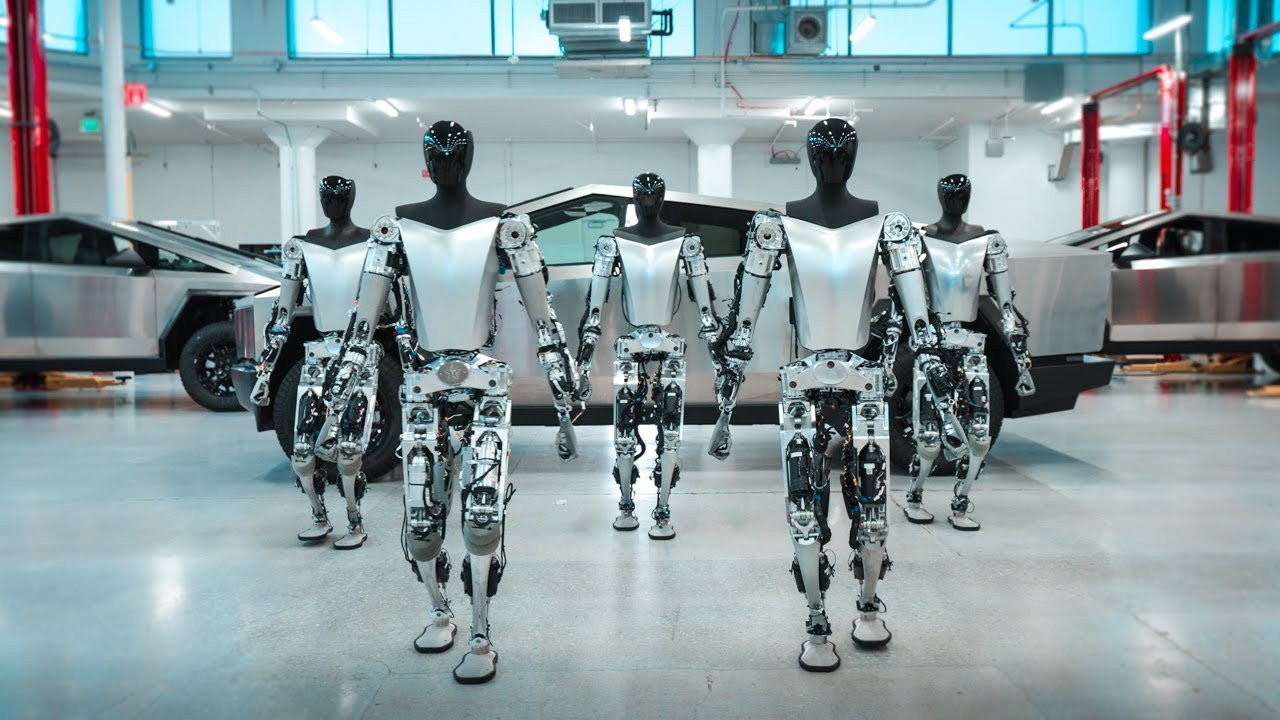
Tesla stands out as a key player, targeting massive markets through Robotaxis, humanoid robots, and energy storage.
Owning shares in disruptors like Tesla could create passive income streams that offset job losses from automation.
Expect significant profits from Robotaxis alone, potentially reaching hundreds of billions annually at scale.
Humanoid robots could capture portions of the global labor market, operating at costs far below human wages.
Energy solutions like battery storage are already high-margin and poised for explosive growth in an AI-powered world.
Risks include leadership dependencies, regulatory hurdles, execution delays, and competition, but Tesla's integrated approach gives it a unique edge.
AI Heads to Orbit: Building Data Centers Beyond Earth's Limits
Why space could become the new home for AI's insatiable hunger for power and cooling, unlocking exponential growth in inference and beyond.
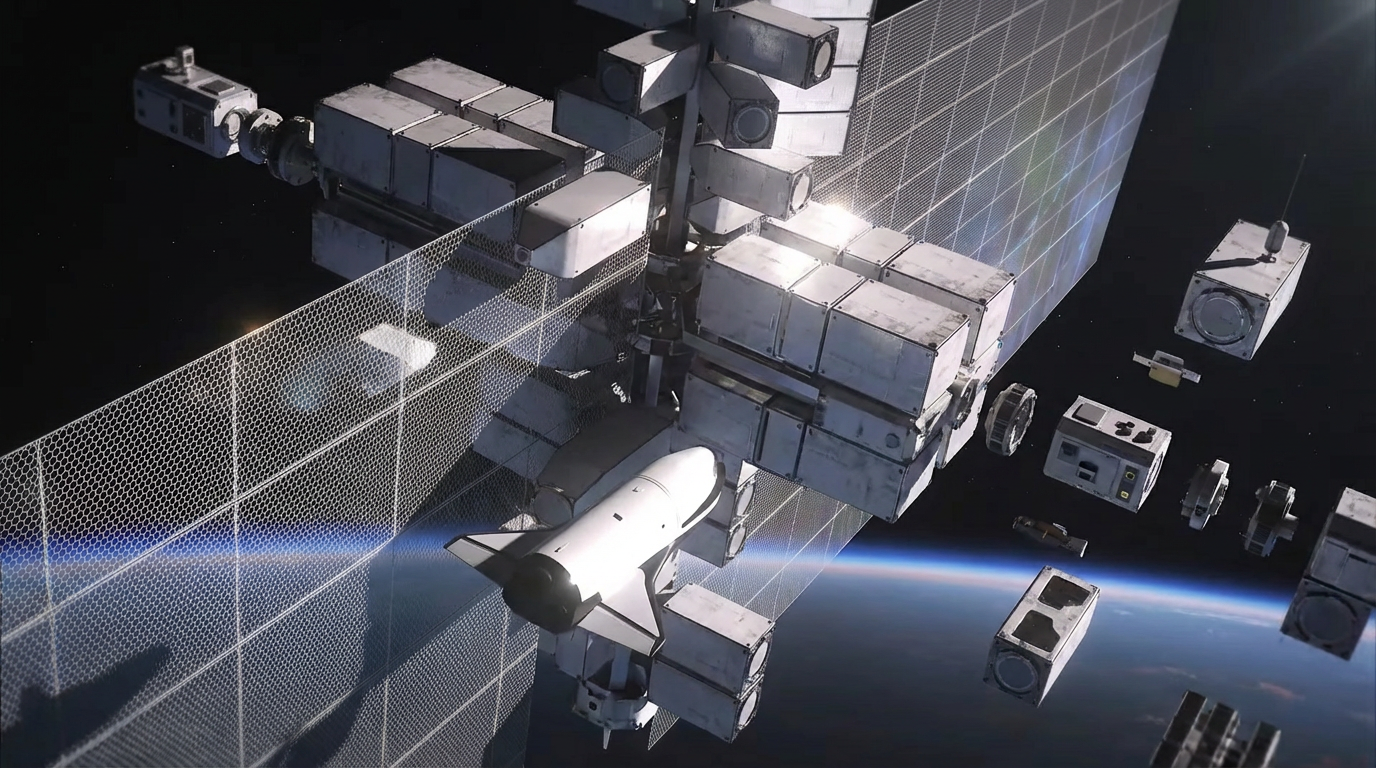
Space-based computing is emerging as a game-changer for AI's expansion. With earthly data centers hitting walls on energy availability and water for cooling, shifting operations to orbit taps into unlimited solar power and natural vacuum cooling. This approach not only sidesteps terrestrial bottlenecks but also paves the way for massive scaling in AI inference, where demand is skyrocketing as models become everyday tools.
Key Takeaways
Space offers unlimited, low-cost solar energy without the need for batteries or land permits, producing eight times more power per solar panel than on Earth.
Cooling in space relies on radiating heat into the void, eliminating the massive water consumption that plagues ground-based data centers.
Initial focus will be on AI inference tasks, like generating images or running chatbots, which can operate on isolated nodes rather than massive interconnected clusters needed for training.
Over the next decade, inference compute could dominate AI energy use, potentially doubling every six to twelve months, far outpacing training demands.
Challenges like radiation hardening and deployable radiators are being solved through innovative engineering, making space viable for high-power chips.
Launch costs are plummeting with reusable rockets, enabling terawatts of orbital compute capacity without the constraints of Earth's grid or politics.
By 2035, space might host a small but growing share of new data centers, with full-scale adoption potentially reaching meaningful levels by 2050.
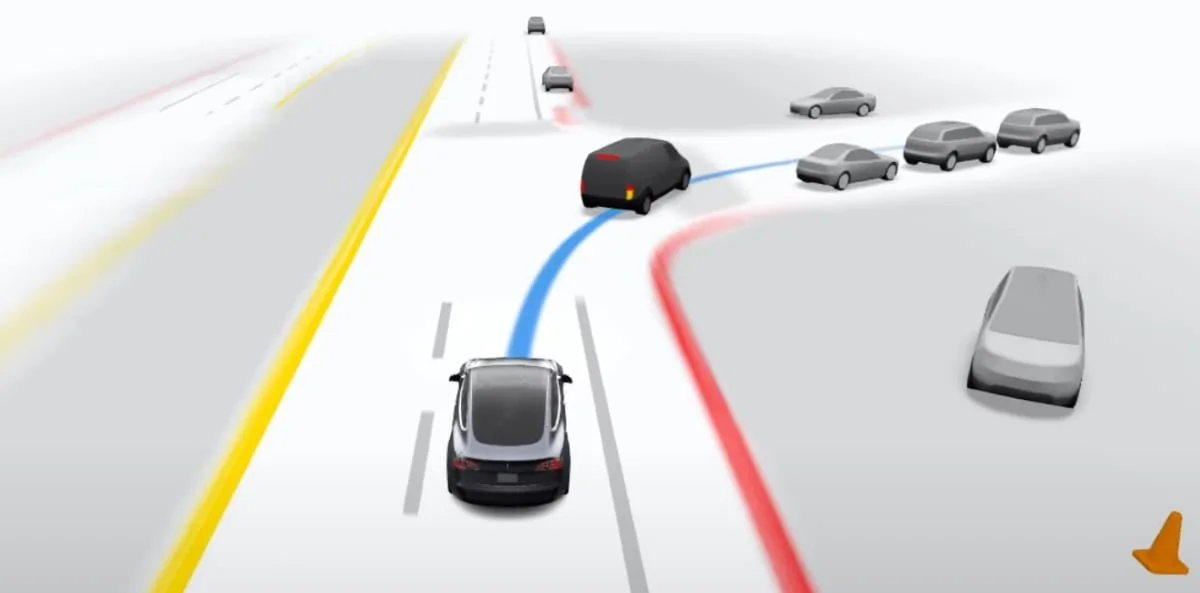
Tesla's Self-Driving Leap: Conquering Roads Worldwide
Why FSD's Rapid Progress Signals a Transportation Overhaul
Tesla's Full Self-Driving software has reached a stage where it handles 99% of miles autonomously in diverse conditions, from snowy terrains to narrow European streets. This breakthrough points to a future where robotaxis scale globally, potentially transforming economies through safer, cheaper mobility—yet regulatory hurdles could force creative solutions like adding steering wheels to cyber cabs.
Key Takeaways
Tesla's FSD software now operates reliably in challenging environments like snow and European roads, demonstrating its adaptability beyond U.S. cities.
Global rollout of the Tesla app opens doors for wider adoption, signaling preparations for robotaxi services in countries outside the U.S.
Regulatory landscapes vary worldwide, with potential for nations like Indonesia or the UAE to approve robotaxis faster than fragmented U.S. states, accelerating Tesla's expansion.
Waymo's geofenced approach limits scalability to thousands of vehicles annually, while Tesla's vision-based system aims for millions, creating a competitive edge.
Outdated mapping remains a minor issue, but upcoming updates will incorporate more human-like logic to override such limitations.
Self-driving tech promises massive safety gains and cost reductions in transportation, outweighing concerns around privacy and control.
If global approvals align with production capacity, Tesla could deploy millions of cyber cabs, leading to trillions in market value through profitable robotaxi networks.
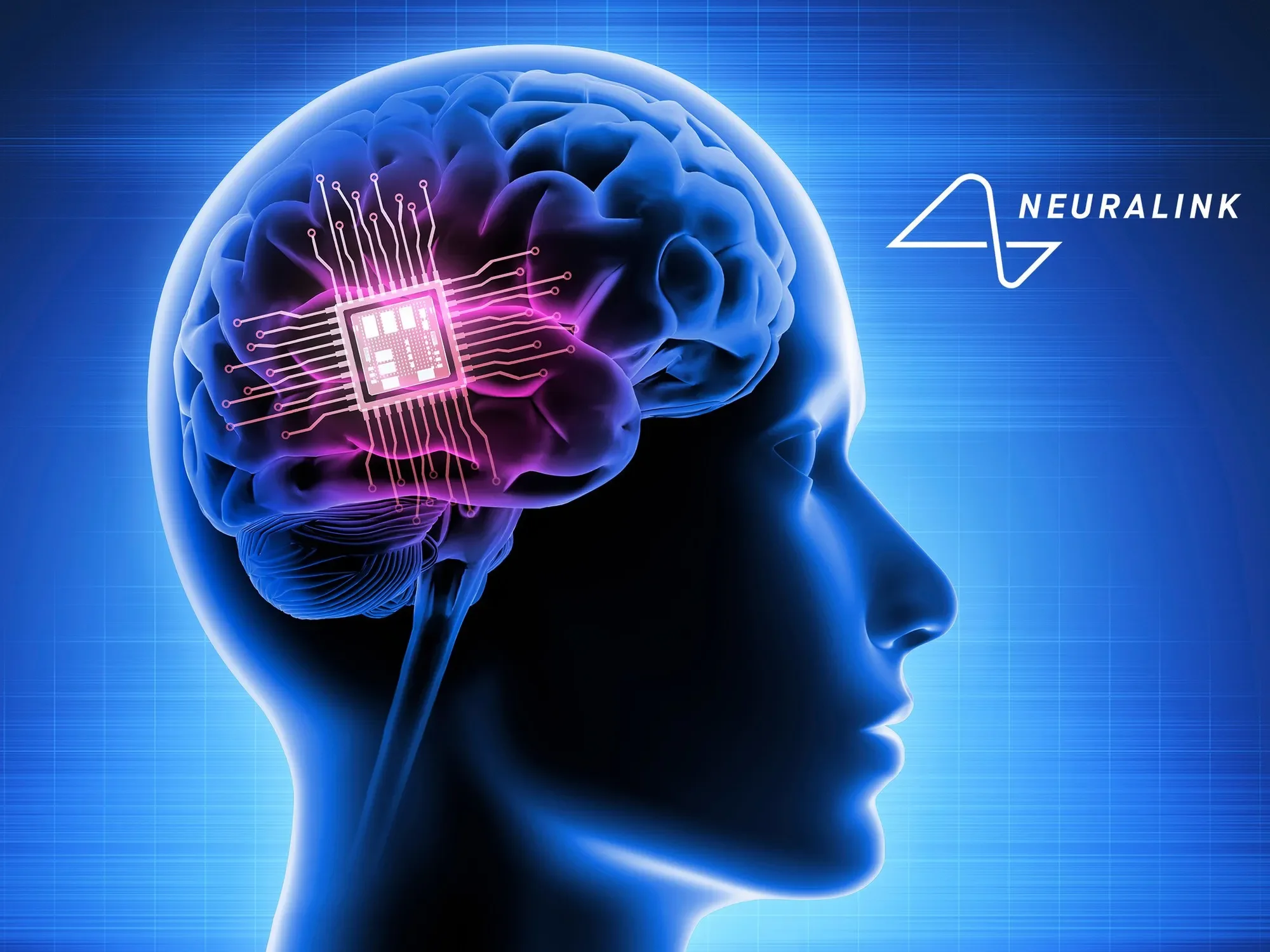
Neuralink's Leap: From Sci-Fi to Everyday Reality
Unlocking Human Potential Through Brain-Machine Fusion
Neuralink is pushing boundaries in brain-computer interfaces, turning paralysis into possibility and aiming for full brain connectivity. With rapid advancements in implants, robotics, and decoding, the tech promises to restore lost functions and enhance cognition, all while scaling to help thousands.
Key Takeaways
Neuralink's first product enables quadriplegic users to control devices like computers and phones purely through thought, with average daily usage reaching eight hours.
The company has implanted devices in 13 people as of late 2024, focusing initially on spinal cord injuries and ALS, with plans to expand to restoring sensation, speech, and vision.
Surgical robots insert ultra-thin threads into the brain, avoiding blood vessels, with future versions targeting faster, more reliable procedures under one hour.
Implants feature 1,000 channels for neural recording, wireless charging, and data compression to transmit signals via Bluetooth, but scaling to higher channel counts demands innovations in power, packaging, and compression.
Decoding algorithms convert brain spikes into actions like cursor movement in 15-20 minutes of calibration, though ongoing drift requires robust, self-adapting ML models.
Long-term vision includes whole-brain interfaces for treating psychiatric disorders, augmenting abilities, and exploring the brain's inner workings, backed by vertical integration from chip design to manufacturing.

The Drone Revolution: AI's Grip on Tomorrow's Battlefields
Why Autonomous Tech Isn't Sci-Fi Anymore—And How It Shapes Global Power
The landscape of warfare is shifting faster than ever, driven by advances in drones and artificial intelligence. At the core are breakthroughs that make machines not just tools, but decisive forces on the battlefield. Key insights reveal how production scales, human limits, and space-based systems could determine winners in future conflicts, urging a rethink of defense strategies now.
Key Takeaways
Drones and AI dominate modern warfare, as seen in ongoing conflicts where volume and autonomy outpace human involvement.
Localized AI in drones enables independent decision-making, raising risks of unchecked escalation if not managed carefully.
Human soldiers face increasing dangers at the front lines due to precision tech like computer-guided snipers, pushing toward drone-only engagements.
Scaling drone production is critical; superior kill ratios mean little without overwhelming numbers to counter adversaries.
Space communications and positioning systems provide unbreakable advantages, essential for coordinating drones and maintaining operations.
Neural interfaces could bridge human cognition with AI, boosting bandwidth for control and mitigating risks of AI surpassing human oversight.
Innovation stems from first-principles thinking: question requirements, delete unnecessary elements, optimize wisely, and accelerate processes.
Leadership in tech demands hands-on expertise; leaders must understand the engineering to evaluate teams and drive progress effectively.
Curiosity drives success—broad learning across fields fosters cross-pollination of ideas for breakthrough solutions.
The Robotic Revolution: Unlocking Infinite Abundance Through AI and Automation
Why Humanoid Robots Could End Poverty, Transform Healthcare, and Redefine Global Economies
The rapid advancements in AI-driven robotics and autonomous systems are set to create a world where scarcity becomes obsolete, energy is sustainable, and human potential is amplified like never before. This newsletter dives into the breakthroughs propelling us toward a future of unprecedented productivity and prosperity.
Key Takeaways
Humanoid robots like Optimus are poised to scale to billions of units, enabling mass production that could increase global economic output by a factor of 10 or more.
Full self-driving technology is nearing unsupervised operation, with safety statistics showing it outperforms human drivers, potentially saving millions of lives annually.
AI hardware optimized for efficiency, such as integer-based inference chips, will power robots and vehicles at a fraction of the cost and power of general-purpose alternatives.
Sustainable energy solutions, including advanced batteries and solar integration, could double U.S. energy output without new power plants by buffering supply fluctuations.
New vehicle designs optimized for autonomy, like pedal-less robotaxis, aim for production cycles as low as five seconds per unit, revolutionizing manufacturing efficiency.
Future economies may shift from traditional money to metrics like electrical wattage, as AI and robotics create deflationary pressures through hyper-productivity.
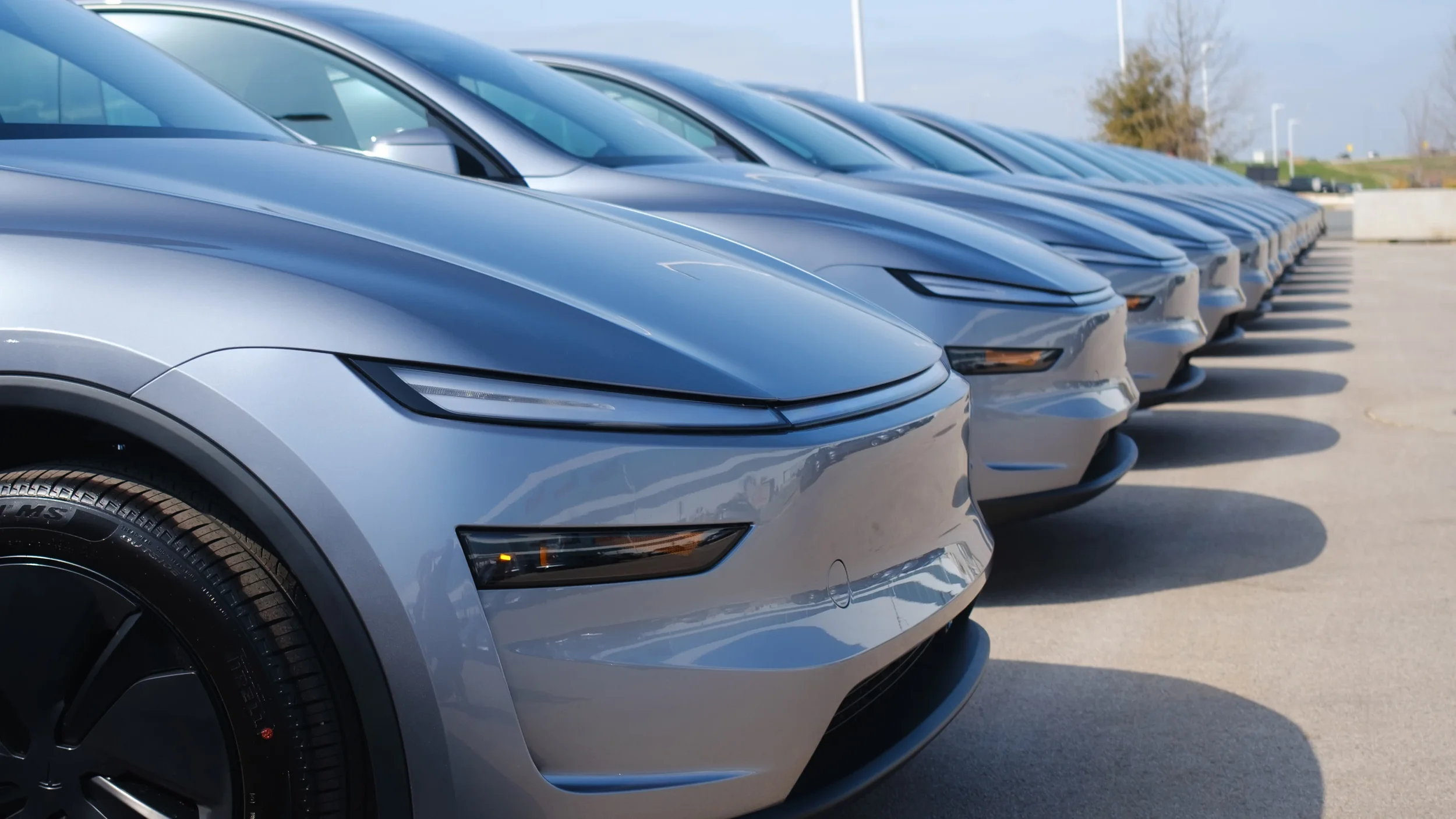
Robotaxis Set to Ignite Economic Revival in Forgotten Neighborhoods
Revolutionizing Mobility for the Underserved: A Path to Broader Prosperity
Robotaxis promise to cut transportation costs dramatically, opening doors to jobs, healthcare, and community growth in low-income areas long hampered by isolation.
Key Takeaways
Transportation acts as a major barrier in economically disadvantaged neighborhoods, limiting access to opportunities and contributing to stagnation.
At scale, robotaxis could reduce per-mile costs to around 30 cents, making rides up to 90% cheaper than current options like rideshares.
Lower costs would enable more travel for work, medical visits, and social activities, boosting local economies through increased foot traffic and investment.
Communities in food deserts or with poor public transit stand to gain the most, with affordable rides transforming daily errands into feasible routines.
While job displacement for drivers remains a challenge, competition among providers could drive even better pricing and services.
Overall, this shift expands mental horizons, fostering optimism and long-term societal benefits like reduced segregation and enhanced freedom.
Revolutionizing Home Cleaning: The Matic Robot Vacuum's AI Edge
Why This Tech Could Be the Future of Household Automation
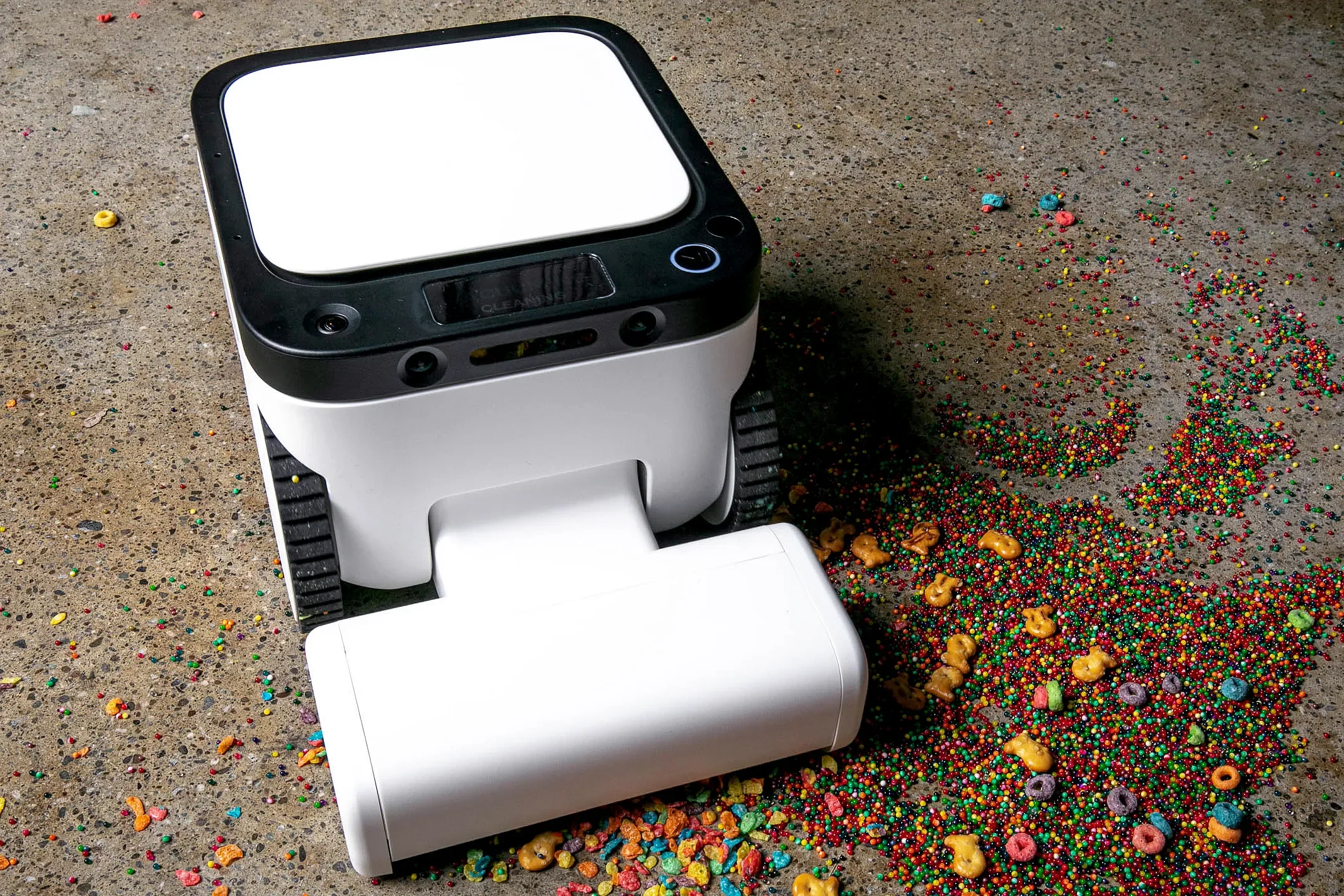
Tech enthusiasts are always on the lookout for devices that blend cutting-edge AI with everyday utility, and the Matic robot vacuum delivers just that. It uses a vision-based system with multiple cameras and sensors to navigate and clean homes efficiently, offering reliability that stands out in a crowded market. Early adopters report seamless performance over months of use, with software updates continually improving its capabilities—much like over-the-air enhancements in modern vehicles.
Key Takeaways
Matic employs a five-camera setup for precise navigation, avoiding obstacles like pets and toys while rarely getting stuck.
Maintenance is straightforward, with easy-to-replace parts like rollers, bags, and mops that take under a minute to swap.
The app provides intuitive controls for custom cleaning zones, schedules, and modes, including vacuum-only, mop-only, or both.
Object avoidance excels with small items and adjusts dynamically, though it struggles with flat objects like books.
Priced at around $1,100, it's a premium option, but its durability and ongoing software improvements justify the cost for those seeking long-term reliability.
Quiet operation and pet-friendly design make it ideal for busy households, with no disruptive noise or erratic movements.
Drawbacks include a higher profile that limits access under low furniture and occasional maintenance reminders that could be more proactive.

The AI Triple Shift: Why Computing's Future is Accelerating Faster Than Ever
Unlocking Trillions in Value Through Three Converging Revolutions
The landscape of computing is undergoing its most profound changes since the early days of silicon chips. Three overlapping transitions— from traditional processing to accelerated systems, the integration of generative technologies, and the emergence of intelligent agents—are set to redefine industries, boost efficiencies, and spawn entirely new markets. These shifts aren't just incremental; they're creating opportunities worth hundreds of billions in annual spending while addressing the slowdown in historical cost reductions from chip advancements.
Key Takeaways
Accelerated computing via specialized hardware is overtaking general-purpose processors, optimizing data processing, simulations, and non-AI workloads to cut costs in a post-Moore's Law world.
Generative AI is upgrading core applications like search engines, recommendation systems, and ad targeting, leading to measurable gains such as 5% higher conversions on social platforms.
Agentic AI represents the next frontier, powering tools for coding, medical diagnostics, legal analysis, and autonomous vehicles, with startups in this space growing at unprecedented rates.
A unified architecture that handles all AI phases—from training to inference—ensures seamless support across clouds, enterprises, and edge devices, maximizing energy efficiency and revenue per watt.
Global infrastructure investments will expand beyond major tech firms to include sovereign funds, industries like healthcare and manufacturing, and new AI factories dedicated to real-time token generation.
Scaling laws in pre-training, post-training, and inference are driving exponential improvements in model intelligence, with each hardware generation delivering 20-30x performance leaps.
Ecosystem partnerships with leading AI developers are broadening platform reach, securing diverse demand, and fostering resilience in supply chains.
AI Revolution: From Earthbound Factories to Space-Powered Compute
Unlocking abundance through robotics, generative intelligence, and orbital supercomputers
The push toward advanced AI and robotics is accelerating, promising transformations in productivity, energy use, and even the fabric of daily life. Recent developments highlight how these technologies could make work optional, eradicate scarcity, and extend computing power beyond planetary limits, all while fostering new industries and global partnerships.
Key Takeaways
Humanoid robots stand poised to become the largest product category ever, surpassing cell phones by enabling widespread personal and industrial assistance.
AI factories represent a shift from retrieval-based to generative computing, requiring dedicated infrastructure to produce real-time, context-aware content worldwide.
Work may become optional within the next decade or two, akin to hobbies like gardening, as AI handles mundane tasks and boosts overall productivity.
Major collaborations are underway to build massive AI data centers, starting with 500-megawatt facilities, involving key players in tech and energy.
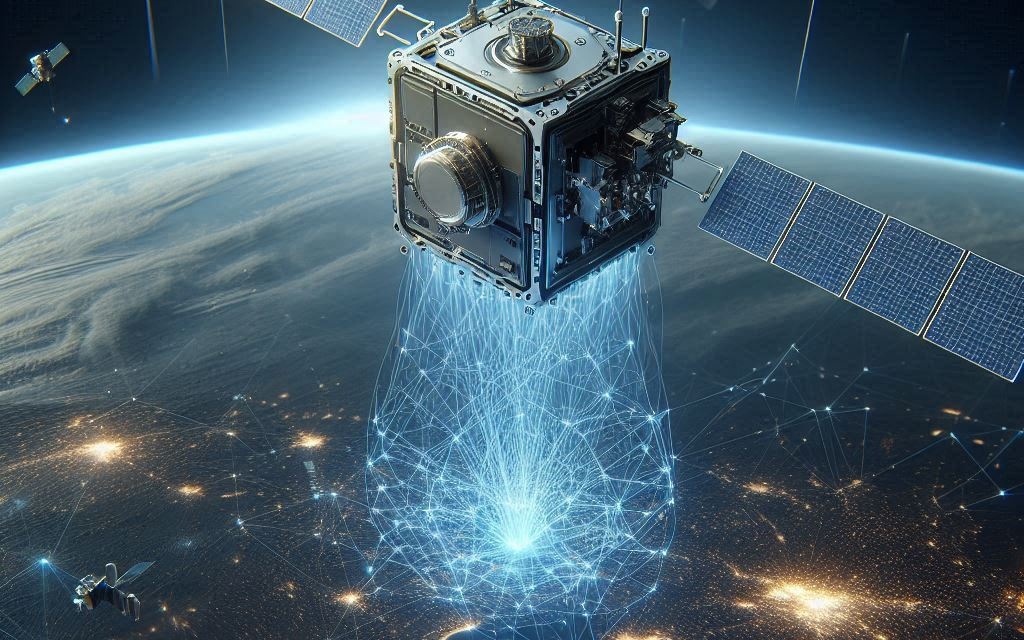
AI in space emerges as the ultimate solution for scalable computing, leveraging solar power and radiative cooling to achieve terawatt-level operations impossible on Earth.
Technological trends consistently create net positives for humanity, shifting workforces to higher-value pursuits like advanced diagnostics in medicine.

How Self-Driving Cars Will Redesign Our Entire World
The Urban Revolution Hiding in Autonomous Tech
Self-driving vehicles stand ready to overhaul daily life by freeing up vast swaths of urban land, slashing noise and risks on roads, and handing back hours of wasted time to people everywhere. This shift promises quieter, greener cities and a surge in productivity that could redefine how societies function.
Key Takeaways
Urban areas could reclaim 30-50% of land currently tied up in parking, turning asphalt into parks, housing, and community spaces for better living.
Roads will narrow and become more efficient as vehicles communicate seamlessly, reducing the need for wide lanes and buffer zones.
Noise pollution drops dramatically with quiet electric autonomous fleets, making neighborhoods more peaceful and enjoyable.
Safety improves vastly, cutting annual deaths from 40,000 in the US alone, allowing for designs that mix pedestrian and vehicle spaces more freely.
Commuting time—about an hour daily per person—turns productive, unlocking mental energy for work, reading, or rest across billions of hours yearly.
Delivery costs plummet, enabling faster, cheaper logistics that reshape retail, inventory, and how people access goods.
This multi-decade transition will create new cities built from scratch around autonomy, but it brings challenges like job losses and privacy issues.

Cybertruck's Self-Driving Breakthrough: FSD v14.1.7 Takes on Austin Rush Hour
Pushing Autonomy to New Heights in Real-World Chaos
Tesla's latest Full Self-Driving update demonstrates remarkable progress in handling urban and highway scenarios, blending speed with safety in ways that rival human drivers.
Key Takeaways
FSD v14.1.7 maintains smooth, natural acceleration and braking, adapting seamlessly to traffic flow without abrupt movements.
The system excels in lane management, preferring middle lanes for cruising and shifting left only for passing, avoiding common pitfalls like left-lane camping.
Pedestrian detection and courtesy stand out, with the vehicle yielding appropriately at crosswalks and four-way stops, even in busy pedestrian areas.
Highway performance handles construction zones, merges, and speed variations up to 85 mph cap effectively, though minor hesitations occur in complex merges.
Parking garage navigation needs refinement, as the system sometimes fails to enter designated areas, but overall urban maneuvering in crowded spots shows strong politeness and caution.
Mad Max mode delivers assertive yet controlled driving, prioritizing empathy and safety over aggressive tactics.
School zones and low-speed areas trigger cautious speed adjustments, potentially geofenced for added safety around sensitive locations.
The update marks a pivotal step toward unsupervised autonomy, with potential for widespread deployment removing the need for constant driver attention by mid-2026.
Tesla's Full Self-Driving (FSD) system in version 14.1.7 represents a significant leap in autonomous vehicle technology, particularly when tested in a Cybertruck during Austin's demanding rush hour. This update showcases how AI-driven driving can integrate into everyday traffic, from highways to pedestrian-heavy domains, with a focus on reliability and user comfort. The performance highlights advancements in real-time decision-making, making self-driving tech feel increasingly viable for mass adoption.

Self-Driving Revolution: How AI is Redefining Urban Life and Transportation
Unlocking Safer Streets, Reclaimed Spaces, and a Post-Scarcity Future
Self-driving technology stands on the brink of transforming cities, economies, and daily routines through advanced AI systems that outperform human drivers in consistency and safety.
Key Takeaways
Self-driving cars will reduce parked vehicles and parking lots, freeing up urban space for human use while cutting noise pollution and boosting road safety.
AI-driven autonomy enables cheaper, faster delivery of goods and redirects human attention from driving to more productive activities.
Tesla's vision-only approach, using cameras and neural networks, has advanced to handle complex urban scenarios flawlessly, surpassing earlier versions that struggled with basic curves.
This tech shifts from rule-based programming to learning from billions of miles of real-world data, similar to AI mastering chess through pattern recognition.
Broader impacts include massive drops in transportation and labor costs, but also potential job displacement, pushing society toward valuing human existence over work output.

Building a Billion-Dollar AI Mental Health Revolution
Unlocking the Brain Through Everyday Cameras: A Path to Precise Diagnosis and Personalized Care
Mental health care today relies on outdated tools that leave millions misdiagnosed or untreated. Emerging AI technologies, powered by simple smartphone cameras, promise to change that by measuring brain activity through the eyes—offering objective insights into conditions like PTSD, anxiety, and depression. This approach could scale globally, turning subjective questionnaires into data-driven precision.
Key Takeaways
Mental health diagnosis often depends on self-reported questionnaires, which are inaccurate and fail to distinguish between overlapping conditions.
Eye-tracking AI uses off-the-shelf cameras to monitor pupil changes, gaze patterns, and even heart rate, providing objective metrics for cognitive and emotional states.
Traditional eye trackers are expensive and limited, but mobile-based systems make this tech accessible to everyone, potentially reaching billions.
Starting with PTSD detection, this technology aims to expand to severity tracking, treatment matching, and population-level insights.
Building such a system requires years of iteration, from hardware hacks to FDA-approved diagnostics, blending neuroscience with consumer tech.

AI's Hidden Revolution: Why America Leads and What It Means for Our Future
Redefining value, rights, and power in a world shaped by intelligent machines.
AI isn't just transforming tech—it's reshaping societies, economies, and philosophies at their core. From the dominance of U.S. innovation to the rising value of practical skills, these shifts explain cultural tensions and political changes happening now. Dive in to see how AI ties into America's unique foundations and why embracing it is essential for staying ahead.
Key Takeaways
AI leadership stems from America's cultural and constitutional edge, where rights come from inherent principles rather than consensus or intellect.
Practical, vocationally trained workers are becoming the new high-value creators as AI automates abstract, high-end labor.
Empathy gaps toward working-class Americans fuel political turbulence, but AI-driven value shifts could realign priorities toward those who build and protect.
Meritocracy emerges as a revolutionary force in enterprises, rewarding capability and dedication over backgrounds.
Global AI dominance boils down to U.S. versus China, with Europe sidelined—owning the tech means controlling the rules.
Defending borders, enforcing laws, and fighting for progressive ideals require standing against radicals within parties to protect workers' value.
Tesla's AI Edge: Pioneering Autonomy in a World Not Ready
Revolutionizing Transport and Labor with Self-Driving Tech and Humanoid Bots
Tesla stands on the brink of transforming daily life through advanced AI systems in vehicles and robots, outpacing current laws and sparking both innovation and societal shifts. This newsletter explores how these technologies promise safer roads, affordable mobility, and efficient labor—but only if handled with care to benefit everyone.
Key Takeaways
Tesla's self-driving software is advancing to allow drivers to disengage completely, reducing accidents through constant vigilance and 360-degree awareness.
Humanoid robots aim for mass production, starting at a million units annually, with costs dropping to enable tasks from factory work to home chores at under $3 per hour.
These innovations could slash transportation costs to below 30 cents per mile, making private, door-to-door rides as affordable as public transit.
Job displacement looms large for drivers, warehouse workers, and manual laborers, as robots handle tasks without rest or rights.
Regulations lag behind tech capabilities, creating friction, but widespread adoption could revitalize communities by lowering costs and improving access.
Success hinges on ensuring these tools uplift underserved areas, preventing backlash and fostering broad economic gains.