
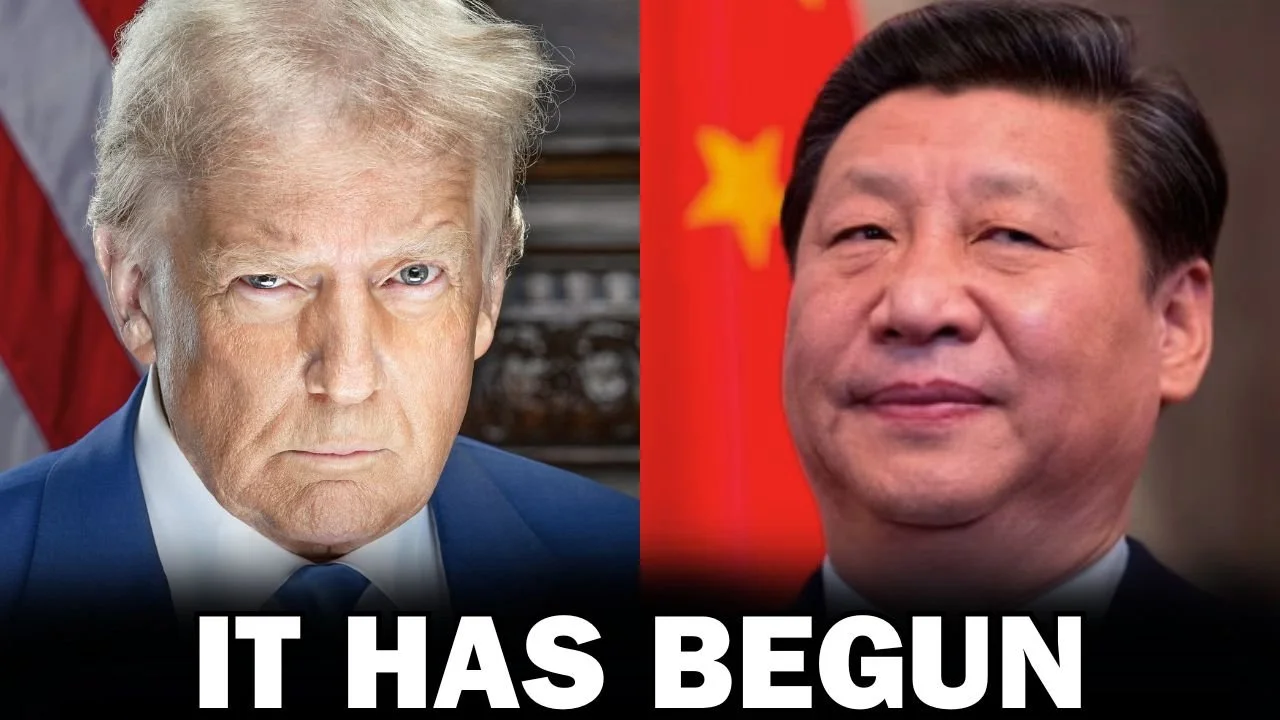
China's Tech Dominance and US Response
China's manufacturing prowess in EVs and batteries positions it as a global powerhouse, controlling essential resources for future technologies like robotics and AI. This dominance challenges US and European automakers, urging a reevaluation of trade and innovation strategies to secure independence.
Key Takeaways
China's EV sales surged from 5% to 50% of its market in five years, outpacing global competitors.
Control over 90% of magnet production enables potential shutdowns of Western assembly lines.
Dependencies on Chinese batteries extend to AI data centers and military tech, creating national security vulnerabilities.
Negotiations highlight needs for diversified supply chains and alliances with democracies like Europe, Japan, and Korea.
Automation and AI adoption in the US could reduce reliance on foreign manufacturing, fostering domestic innovation.
Delving deeper, China's strategic investments since the 1990s have built monopolies in rare earths, magnets, and battery tech, fueling advancements in drones, fighter jets, and energy storage. This leverage stems from policies like Made in China 2025, which accelerated electrification and reduced oil imports. In autos, foreign brands once dominated, but now Chinese EVs lead, with exports flooding Europe at over 10% of new sales. The US faces risks from overcapacity in China, prompting tariffs and potential decoupling into democratic and authoritarian blocs. Embracing AI and robotics domestically offers a path to counter this, ensuring competitiveness without full isolation.

US-China Trade War: Tariffs and Tech Dominance
In this episode, Michael Dunne joins us to unpack the intensifying rivalry between the US and China, revealing how tariffs serve as tools in a broader geopolitical struggle. Key insights highlight China's manufacturing prowess and the West's push for innovation amid shifting global dynamics.
Key Takeaways
China's dominance in electric vehicles and battery supply chains stems from integrated control over mineral processing and massive production scale.
Tariffs act as barriers to protect domestic industries, drawing from China's own historical use of high duties to build automotive strength.
Cultural factors, including a high tolerance for hardship and state-directed subsidies, give China a competitive edge in targeted sectors.
US leverage lies in alliances with Europe, Japan, and Korea, alongside advancements in AI and robotics to counter overcapacity risks.
Potential outcomes include accelerated conflicts over Taiwan or a realignment of hemispheres, with innovation as the West's primary defense.
The discussion traces back to foundational moments like secret diplomatic openings in the 1970s, which initially aligned against common threats but evolved into direct economic confrontations. Today, US actions aim to rally allies against China's export-driven model, which floods markets with low-cost goods in EVs, solar, and steel. While China benefits from unified long-term planning, the US counters with regulatory reforms to boost refining capacity for rare earths and foster humanoid robotics for automated manufacturing. Vulnerabilities emerge in infrastructure infiltration and demographic shifts, urging a focus on securing hemispheric resources from Canada to Panama. As AI races intensify, the emphasis shifts to commercializing innovations globally to avoid isolation, with risks of hybrid warfare or supply chain disruptions looming if alliances falter.

US-China Trade: Tariffs, AI, and Manufacturing's Future
This video dives into the evolving US-China trade landscape, spotlighting the strategic use of tariffs, the rise of AI and robotics, and the cultural shifts needed to bolster US manufacturing. With a new administration prioritizing domestic industry, the discussion reveals critical insights into competing with China's manufacturing dominance and leveraging innovation to secure a competitive edge.
Key Takeaways
Tariffs on Chinese imports, like 100% on cars, aim to protect and incentivize US manufacturing.
China’s manufacturing scale, driven by low-cost labor and robotics, outpaces global competitors.
AI and humanoid robotics could be the US’s edge, but they risk disrupting domestic labor markets.
Reciprocity in trade, like localized FSD systems, could balance national security and innovation.
Freedom of speech fuels US innovation, a key advantage over China’s state-controlled system.
The video examines the seismic shifts in US-China economic relations, particularly after a new administration’s focus on domestic manufacturing. It highlights how tariffs, initially introduced to curb Chinese car imports, are now a tool to drive investment in US production. China’s manufacturing prowess—producing three times as many cars as the US and dominating electric vehicle supply chains—poses a formidable challenge. The discussion explores China’s “export or die” mentality, fueled by overcapacity and a cultural drive to reclaim global dominance, rooted in its “Middle Kingdom” identity. Meanwhile, the US faces a cultural hurdle: a preference for cheap goods that has eroded its industrial base. The solution? Strategic tariffs to make imports costlier, paired with incentives for local production. The video also delves into AI and robotics as game-changers, with the US potentially leapfrogging China by automating labor, though this risks disrupting domestic jobs. Innovations like localized Full Self-Driving (FSD) systems could address privacy concerns while fostering reciprocal trade. The conversation underscores the need for patience, alliances with manufacturing-savvy nations like Japan and Korea, and leveraging free speech to maintain an innovative edge.