
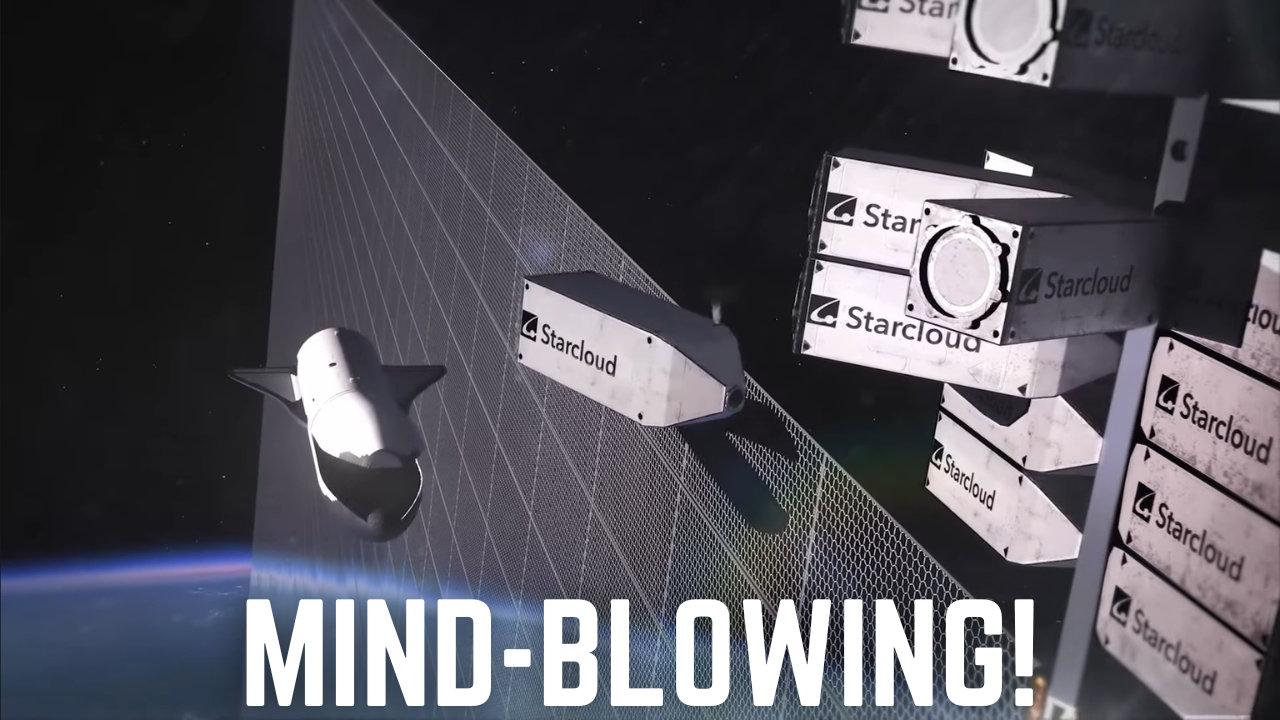
AI Data Centers Revolutionize Space Computing
Explore how orbiting data centers harness endless solar energy and vacuum cooling to supercharge AI, outpacing terrestrial bottlenecks with groundbreaking efficiency.
Key Takeaways
Space offers limitless solar power, eliminating battery needs and slashing costs by avoiding land permits and water usage.
Radiative cooling in vacuum handles extreme heat from dense GPU racks, far superior to Earth's evaporation towers.
Initial focus on inference tasks like chatbots and video generation, with training clusters following as tech scales.
Radiation shielding and deployable radiators solve key challenges, enabling long-term orbital operations.
Future orbits like sun-synchronous provide constant sunlight, supporting low-latency AI for global users.
Diving deeper, space computing taps into orbits where satellites stay sunlit 24/7, generating eight times more energy per solar panel than on Earth. This setup sidesteps grid demands and environmental hurdles, ideal for surging AI demands from agents automating businesses to real-time video creation in games and interfaces. Early missions have successfully run large language models, proving viability despite radiation risks addressed through innovative shielding that scales with satellite size. As launch costs drop via reusable rockets, expect a flood of orbital nodes, potentially shifting new data center builds skyward by the next decade, paving the way for exawatt-scale AI infrastructure.