
Tesla's FSD V14: Self-Driving Breakthrough Unveiled
In this live session, we explore Tesla's FSD V14, showcasing near-flawless autonomous driving in cities like Boston and Manhattan. Regulatory hurdles and industry disruption are discussed, highlighting Tesla's lead in self-driving tech.

Farzad Q&A - 10/21/2025
Join Farzad and his community for an open, unscripted Q&A about technology, investing, business, and the future of innovation. In every session, Farzad answers community questions, breaks down complex topics with clarity, and shares practical insights on building, scaling, and thinking long-term in tech.
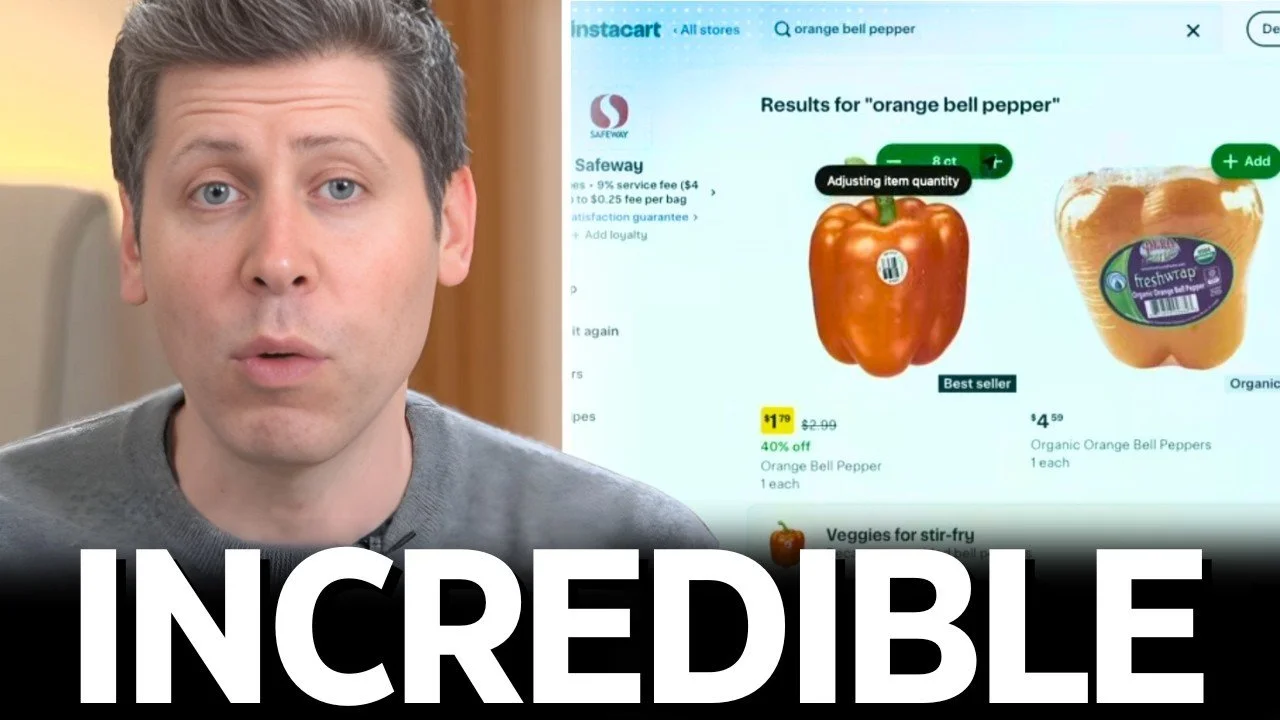
ChatGPT Orders Groceries for Your Potluck!
Discover how ChatGPT transforms everyday tasks like grocery shopping for a potluck into a seamless experience using its agent mode in the Atlas browser. This episode dives into the power of AI to handle real-world tasks efficiently, offering practical insights for tech enthusiasts looking to streamline their lives.
Key Takeaways
ChatGPT calculates ingredient quantities for recipes, adjusting for serving sizes like a potluck for eight.
Agent mode in Atlas browser enables ChatGPT to order groceries on platforms like Instacart.
Built-in safeguards ensure ChatGPT only accesses browser tabs, with user control over logged-in site permissions.
Optional browser memories enhance personalized suggestions but can be managed or disabled for privacy.
Users can review and modify AI-generated orders before finalizing purchases.
The video showcases ChatGPT’s ability to simplify meal prep by analyzing a recipe webpage, calculating ingredient needs for eight people, and organizing a shopping list by grocery aisle. With a single click, the agent mode takes over the browser to order meat and produce via Instacart, leveraging user preferences like preferred stores. The process is fast, intuitive, and collaborative, allowing users to intervene at any point. Safety is prioritized with strict tab-only access and options to limit data sharing, such as using incognito mode for sensitive tasks. This technology hints at a future where AI agents handle personal and professional tasks, adapting to user needs with custom instructions and proactive suggestions.
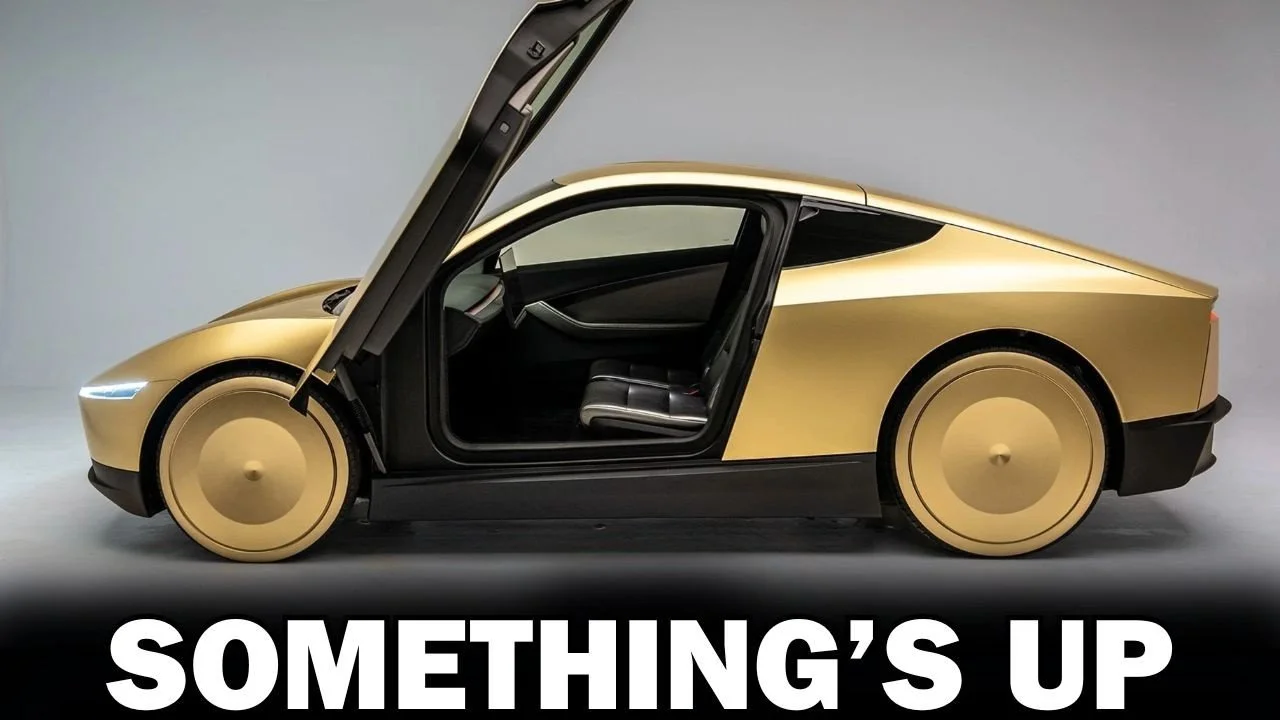
Tesla Cybercab: Steering Wheel Version Ahead?
Tesla's unboxed manufacturing for Cybercab promises the fastest production line yet, targeting 2 million units annually by 2027-2028. Yet regulatory caps limit driverless vehicles to 2,500 per year in the US, creating risks of idle capacity without a fallback plan.
Key Takeaways
Unboxed process enables parallel assembly for smaller, faster Cybercab production using fewer materials.
US regulations cap driverless fleets at 2,500 vehicles yearly; federal changes expected but uncertain timeline.
Existing Tesla fleet (Model 3/Y) can supplement robotaxi networks via owner opt-in during peak demand.
Cybercab slashes operating costs to 30¢/mile vs. Uber's $1.80+, offering consistent, safer rides at $1/mile.
Global markets like Europe, China, India favor affordable steered variants for immediate sales.
This setup demands high-volume orders to justify billion-dollar lines, where fixed costs dominate. Driverless approvals hinge on evolving federal frameworks, data requirements, and interstate compatibility—variables too risky for full reliance. A Cybercab-like vehicle with controls bridges the gap: same chassis, ~$30K price, self-driving capable, sellable now in weeks. It counters EV tax credit loss, competes in price-sensitive regions, and keeps factories humming at 100% utilization. Tesla's pivot-prone strategy favors this over betting solely on rapid regulatory shifts across US, Europe, and China, where data security concerns loom for foreign AVs.
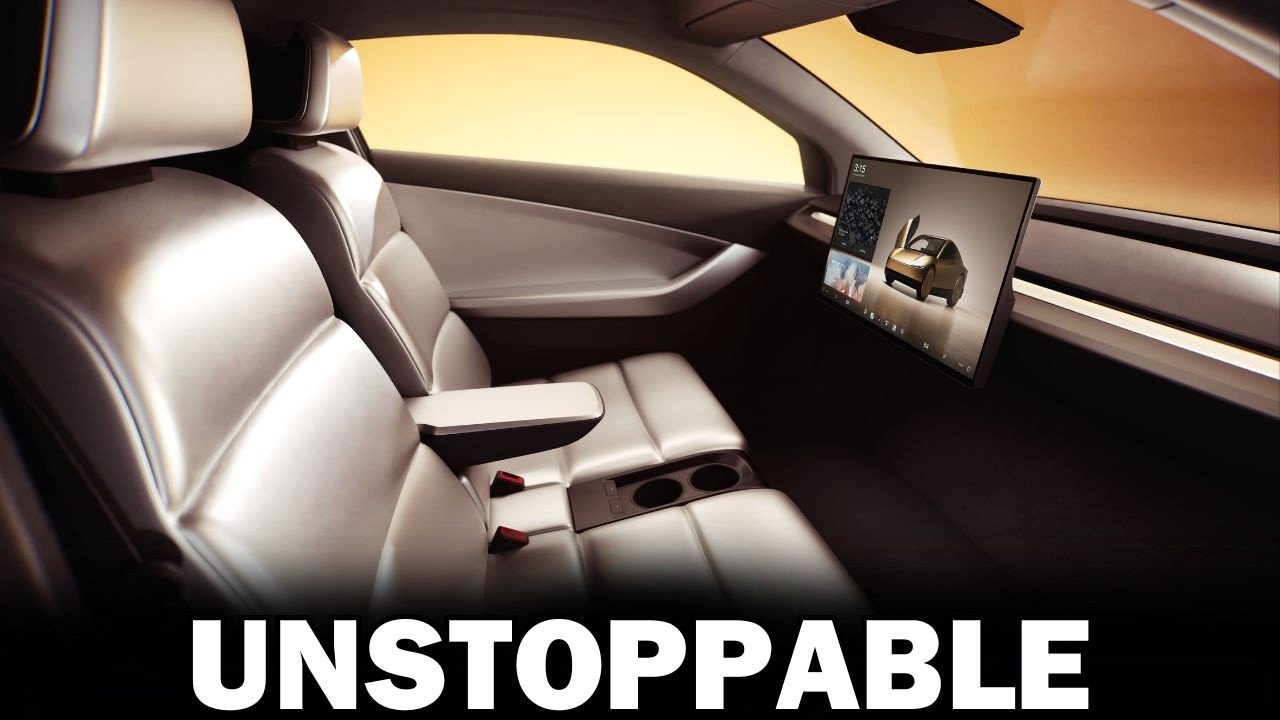
Tesla's Autonomous Revolution: Disruption Ahead
Tesla's advancements in autonomy and robotics promise transformative efficiency gains, reshaping industries and offsetting economic pressures through lower operational costs.
Key Takeaways
Tesla's self-driving tech could dominate global fleets, rendering human-driven services uncompetitive.
Ride-sharing platforms face collapse without adopting autonomous networks, with disruptions hitting by 2030.
Humanoid robots, trained via AI like autonomous vehicles, will handle repetitive tasks in factories within five years.
Broader adoption of robotics may drive deflation, countering inflation from excessive money printing.
Economic policies lag behind rapid tech changes, leading to unforeseen unemployment and societal readjustments.
Delving deeper, Tesla's full self-driving capabilities position it to capture a vast market of over a billion vehicles worldwide, gradually replacing traditional cars with autonomous ones. This shift threatens established players, as self-driving options offer superior cost, safety, and privacy. In robotics, the same AI framework enables humanoid units to learn tasks through video training, starting with simple repetitions and evolving to complex operations by 2040, with production scaling to millions annually. Software improvements, not hardware, will drive progress, reducing per-hour costs to under $5. Amid fiscal excesses, this tech influx could create deflationary pressures by slashing labor expenses, potentially stabilizing economies despite policy shortcomings like short-term political focus and lack of proactive planning.
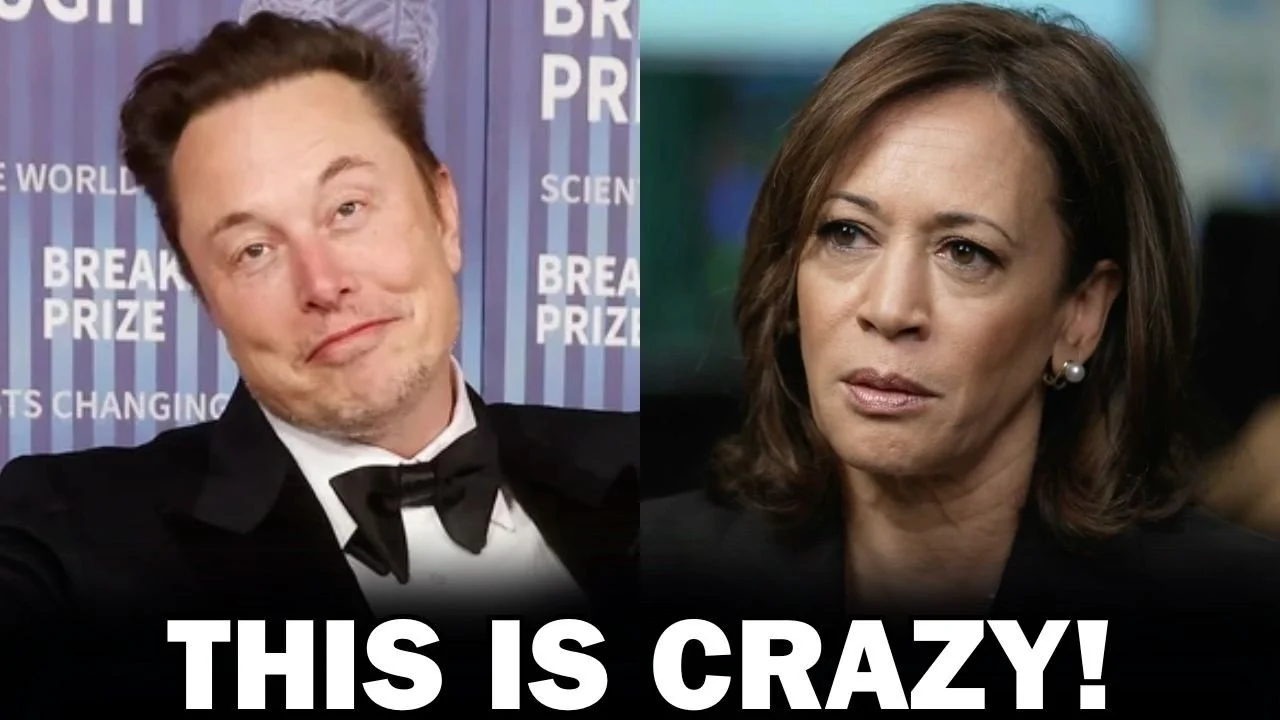
Kamala Harris Apologizes to Elon Musk
This video unpacks a pivotal moment in tech and politics: Kamala Harris’ public apology to Elon Musk for snubbing him at a 2021 EV summit, highlighting his transformative contributions. It explores Musk’s dramatic political shift and the far-reaching impact of his companies, from Tesla’s self-driving cars to SpaceX’s reusable rockets, setting the stage for a redefined global economy.
Key Takeaways
Kamala Harris acknowledges the mistake of excluding Elon Musk from a 2021 EV summit.
Musk’s shift from Democrat to Republican support reshapes political dynamics.
Tesla’s Full Self-Driving (FSD) software nears human-free operation, revolutionizing transport.
SpaceX’s Starship aims to make space travel economical with full reusability.
Musk’s innovations could counter global competition, especially from China.
The video begins with Harris’ apology, recognizing Musk as a key innovator in electric vehicles and space exploration. This follows a 2021 incident where Tesla was overlooked at an EV summit, prompting Musk’s pivot to supporting Republicans. Tesla’s advancements in Full Self-Driving (FSD) software, trained on millions of hours of driving data, are nearing a point where vehicles may not require human oversight. This could slash transportation costs to 25–50 cents per mile, compared to 70–80 cents for traditional car ownership, paving the way for a transportation-as-a-service model. Meanwhile, SpaceX’s Starship, designed for full reusability, could reduce space travel costs dramatically, enabling frequent launches and even intercontinental transport. These innovations, alongside projects like Tesla’s humanoid robots and Neuralink, position Musk’s companies as critical to U.S. competitiveness, particularly against China’s manufacturing prowess. The episode underscores the need for regulatory changes to accommodate these disruptions and highlights a new website, Farzad.fm, for exclusive Musk-related content.

Kim Java's EV Journey: From Hollywood to YouTube Star
Kim Java, a prominent figure in the electric vehicle (EV) community, shares her inspiring story in this engaging episode. From her early days chasing an acting career in Hollywood to becoming a leading voice in the EV space, Kim’s journey is one of resilience, reinvention, and relatability. Tech enthusiasts will appreciate her candid insights into building a successful YouTube channel, her approach to staying neutral in polarized discussions, and how she leverages her background to connect with a diverse audience.
Key Takeaways
Kim transitioned from acting in LA to creating a family-oriented EV and smart home tech YouTube channel.
Her channel evolved from casual Tesla videos to a broad platform covering EVs, solar, and lifestyle tech.
She emphasizes consistency and audience engagement as critical to building a successful content career.
Kim uses AI to gauge audience sentiment and refine content, while staying mindful of its limitations.
Her balanced perspective helps navigate the divisive politics surrounding EV culture and industry figures.
Kim’s story begins in Everett, Washington, where her early passion for acting led her to LA after high school. After facing the challenges of the acting world, she returned to Seattle to study nutrition, eventually meeting her husband, a meteorologist. Together, they moved to Atlanta, where their shared interest in EVs sparked a YouTube channel. Starting with a Nissan Leaf and later a Tesla Model X, Kim and her husband built a platform that resonates with families and EV enthusiasts alike. Her channel now covers electric cars, smart home tech, and sustainable energy, reflecting her holistic approach to content creation. Kim’s ability to connect with her audience through authenticity and her focus on real-world consumer perspectives sets her apart. She also shares how she manages dyslexia, uses AI to inform her content strategy, and maintains neutrality in a polarized online landscape, offering valuable lessons for aspiring creators.
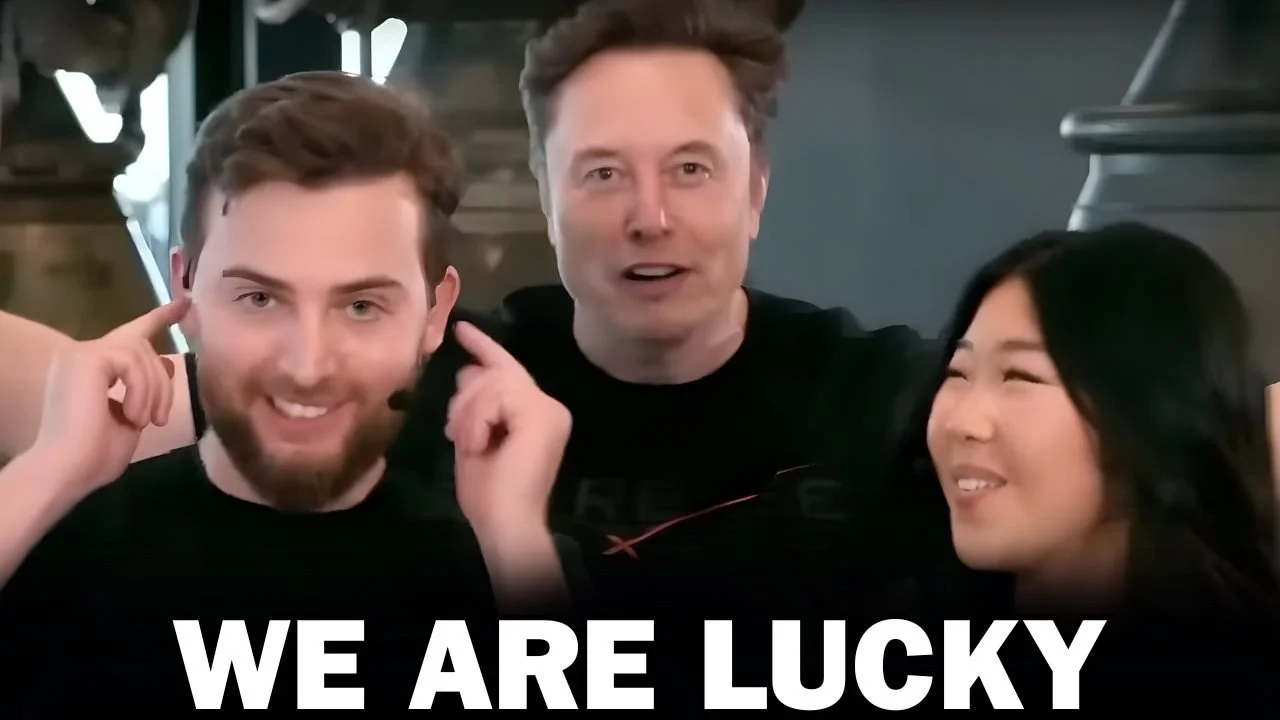
Elon Musk's Impact on Tech and National Security
This video dives into the profound influence of Elon Musk on American innovation and national security, highlighting his relentless drive to push technological boundaries. From pioneering electric vehicles to enabling American astronauts to reach space, Musk’s vision and execution have accelerated progress that might have been delayed by decades. His unique approach, rooted in first-principles thinking and a hyperfocus on purpose, sets him apart as a rare blend of visionary and executor, making him a pivotal figure in shaping the future.
Key Takeaways
Musk’s companies, like Tesla and SpaceX, have driven breakthroughs in electric vehicles and space exploration.
His first-principles approach challenges conventional industry practices, bypassing unnecessary research.
Musk’s purpose-driven mindset fuels his ability to tackle complex challenges with clarity and focus.
His accessibility and direct engagement on platforms like X make him uniquely relatable for a global figure.
Musk’s work aligns with a mission to make humanity multi-planetary, addressing existential risks.
The discussion emphasizes Musk’s role in transforming industries by rejecting traditional methods, such as excessive market research, and instead relying on intuitive, purpose-driven decisions. For example, Tesla’s bold entry into China succeeded without conventional consumer studies, showcasing Musk’s confidence in universal demand for innovative products. His companies—SpaceX, Starlink, and others—form a cohesive strategy to advance humanity’s survival, from sustainable energy to interplanetary colonization. Despite personal flaws, his contributions to national security and technological leadership are undeniable, fueled by an intense sense of urgency to safeguard humanity’s future. His neurodivergent traits, like hyperfocus, enable him to manage multiple ventures with unparalleled dedication, making him a standout example of the American Dream.
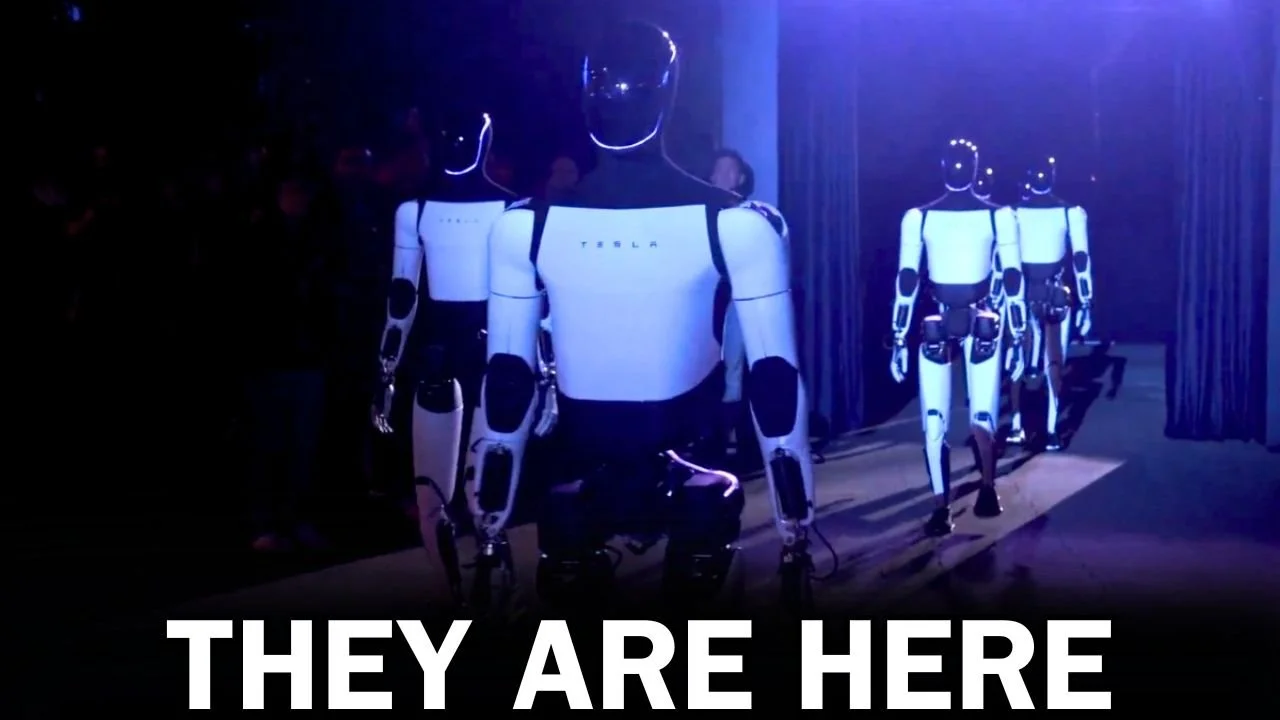
Humanoid Robots & Robotaxis: The Future Arrives by 2026
Get ready for a transportation revolution! This episode dives into the imminent arrival of Tesla’s unsupervised Full Self-Driving (FSD) and the game-changing Cybercab, set to redefine mobility. We unpack how these innovations could outpace competitors like Uber and Waymo, transforming urban travel by mid-2026.
Key Takeaways
Tesla’s FSD V14 rollout expected by late 2025, with unsupervised driving by mid-2026.
Robotaxis without safety drivers could scale in cities like Austin and Arizona soon.
Cybercab’s design may require steering wheels initially due to regulatory hurdles.
Autonomous ridesharing offers cheaper, safer, and more private experiences than Uber.
Tesla’s fleet synergy enhances data collection, accelerating robotaxi deployment.
The conversation highlights Tesla’s aggressive push toward fully autonomous vehicles, with FSD V14 expected to roll out to the public by late 2025, potentially enabling unsupervised driving by mid-2026. This leap could allow drivers to ride in the backseat, fundamentally changing personal transport. The discussion also covers Tesla’s robotaxi strategy, starting with expansions in Austin and Arizona, where safety drivers may be phased out within months. This move signals confidence in Tesla’s AI, poised to collect critical data from diverse driving scenarios, enhancing system reliability.
The Cybercab, Tesla’s dedicated robotaxi, sparks debate about whether it will launch without a steering wheel, given regulatory uncertainties. While some expect rapid regulatory alignment, others see a phased approach with initial manual controls. The episode draws parallels with Waymo’s success in the Bay Area, where users prefer autonomous rides for privacy, safety, and convenience, despite higher costs. Tesla’s ability to undercut prices while offering these benefits could disrupt ridesharing giants like Uber, potentially replacing their fleet with millions of Cybercabs. This shift, driven by Tesla’s data-driven “flywheel effect,” positions the company to dominate urban mobility, making driverless transport the norm in major cities by 2028.
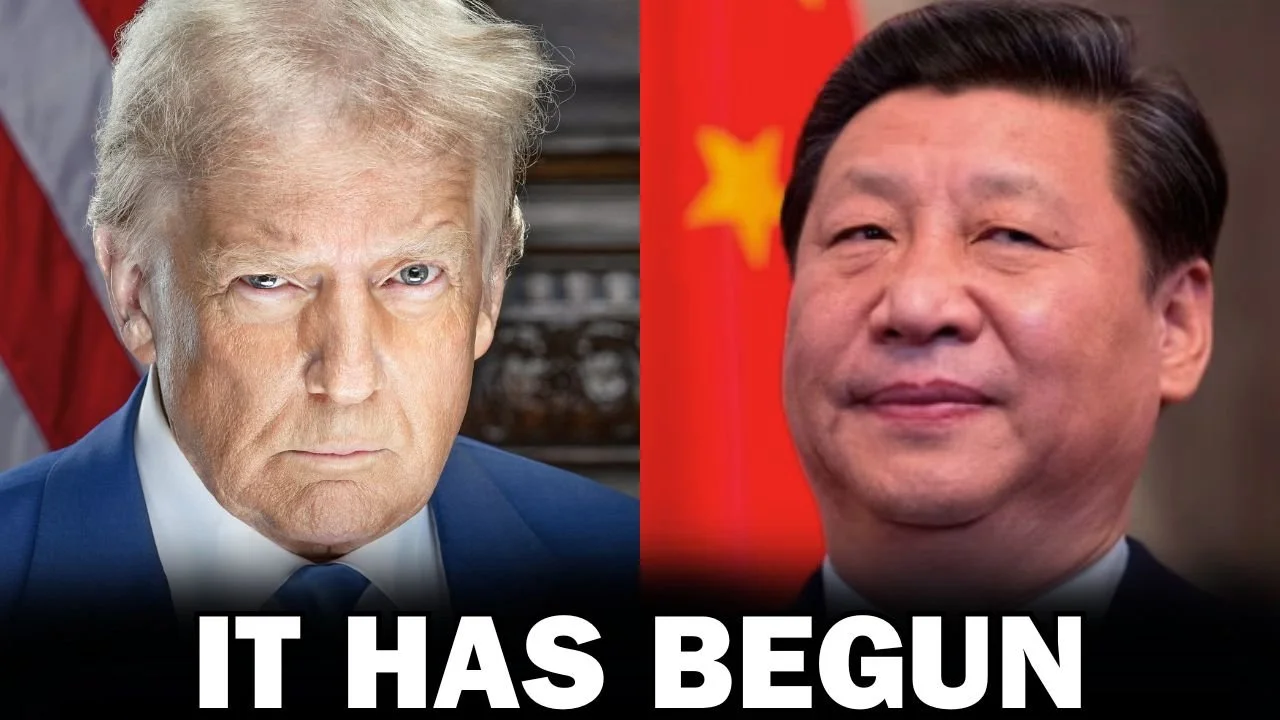
China's Tech Dominance and US Response
China's manufacturing prowess in EVs and batteries positions it as a global powerhouse, controlling essential resources for future technologies like robotics and AI. This dominance challenges US and European automakers, urging a reevaluation of trade and innovation strategies to secure independence.
Key Takeaways
China's EV sales surged from 5% to 50% of its market in five years, outpacing global competitors.
Control over 90% of magnet production enables potential shutdowns of Western assembly lines.
Dependencies on Chinese batteries extend to AI data centers and military tech, creating national security vulnerabilities.
Negotiations highlight needs for diversified supply chains and alliances with democracies like Europe, Japan, and Korea.
Automation and AI adoption in the US could reduce reliance on foreign manufacturing, fostering domestic innovation.
Delving deeper, China's strategic investments since the 1990s have built monopolies in rare earths, magnets, and battery tech, fueling advancements in drones, fighter jets, and energy storage. This leverage stems from policies like Made in China 2025, which accelerated electrification and reduced oil imports. In autos, foreign brands once dominated, but now Chinese EVs lead, with exports flooding Europe at over 10% of new sales. The US faces risks from overcapacity in China, prompting tariffs and potential decoupling into democratic and authoritarian blocs. Embracing AI and robotics domestically offers a path to counter this, ensuring competitiveness without full isolation.
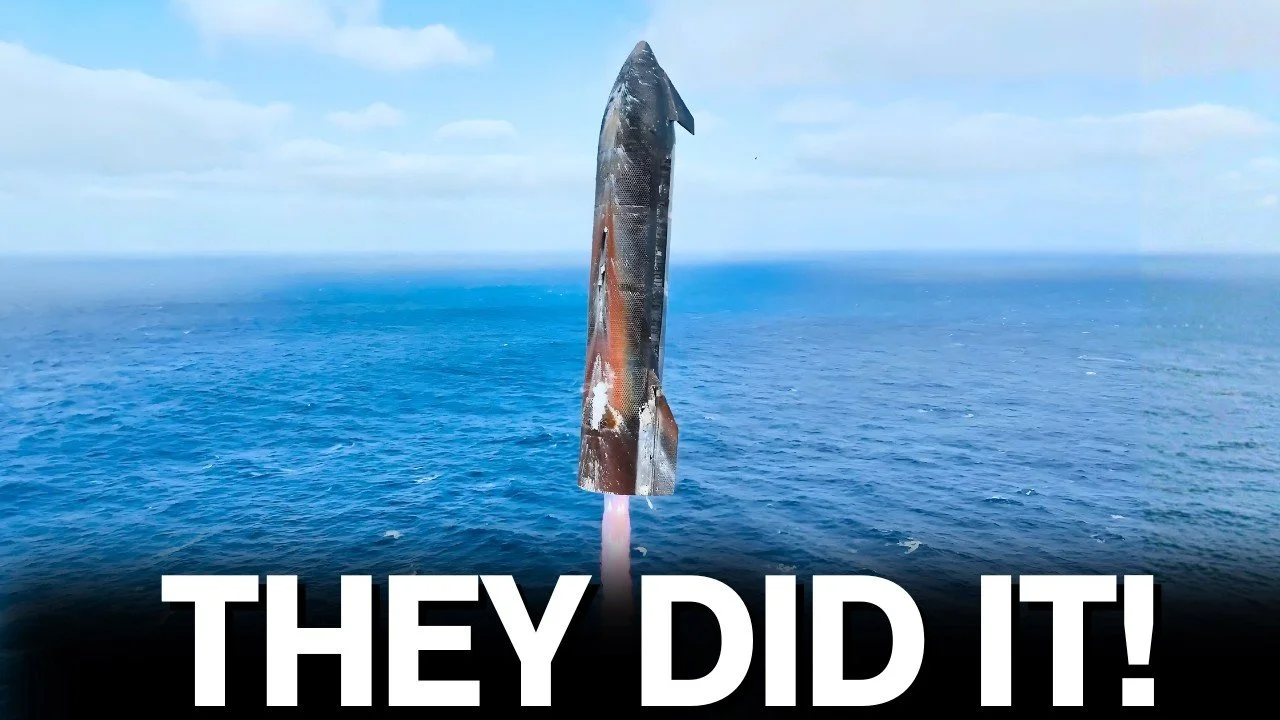
Starship's Epic Flight 11: Rocket Launch & Reentry Breakdown
Get ready for an inside look at SpaceX’s Starship Flight 11, a thrilling test flight packed with groundbreaking moments. From a flawless liftoff to a high-stakes reentry, this episode captures the raw power and innovation driving the future of space exploration, with key experiments like missing tile tests and payload deployment stealing the show.
Key Takeaways
Starship achieves successful liftoff with all 33 Raptor engines firing on the Super Heavy booster.
Hot staging executed perfectly, separating Starship for its suborbital trajectory.
Payload deployment of eight Starlink simulators completed, testing future V3 satellite capabilities.
Raptor relight in space marks a critical step toward orbital missions.
Reentry tests with missing heat shield tiles push Starship’s resilience to the limit.
Banking maneuver during reentry simulates future return-to-launch-site landings.
Starlink’s real-time data and video feed provide stunning views and critical engineering insights.
This video takes you through the high-octane journey of Starship’s Flight 11, starting with a thunderous liftoff powered by 33 Raptor engines on the Super Heavy booster. The mission nails hot staging, where Starship separates mid-flight, igniting its six Raptor engines to continue its ascent. The booster performs a boost-back burn and a V3-style landing burn, splashing down in the Gulf of Mexico, while Starship heads for a suborbital trajectory. In space, the payload door opens to deploy eight Starlink simulators, mimicking the V3 satellites that will add 60 terabits per second of capacity per launch—20 times more than Falcon 9. A single Raptor engine relights in space, a key test for future orbital burns. The reentry phase is a nail-biter, with intentional missing heat shield tiles exposing bare steel to extreme heat, testing the vehicle’s limits. A banking maneuver simulates a return-to-launch-site approach, while Starlink’s 120 megabits of bandwidth delivers real-time HD video and telemetry, even through the plasma field of reentry. The episode wraps with a soft splashdown in the Indian Ocean, marking another milestone in Starship’s quest for rapid reusability and interplanetary travel.
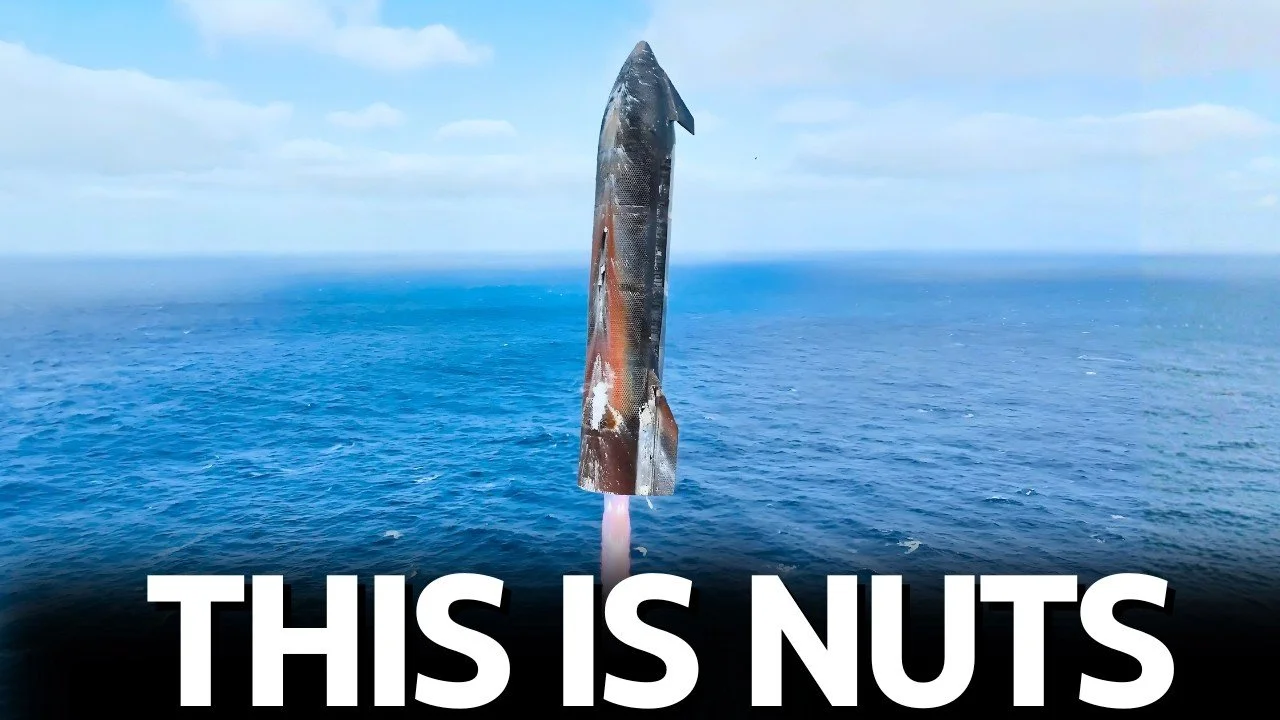
SpaceX Starship Flight 11: Epic Launch and Landing
SpaceX’s Starship Flight 11 delivers jaw-dropping moments, from a successful booster landing to Starship’s suborbital ascent. This episode captures the raw power and precision of the launch, showcasing engineering milestones like hot staging and payload deployment, offering tech enthusiasts a front-row seat to space exploration’s future.
Key Takeaways
Successful 13-engine booster landing burn mimics future tower catches.
Hot staging executed flawlessly, with all six Starship Raptor engines igniting.
Starship deploys eight Starlink simulators, proving payload capabilities.
Suborbital trajectory achieved, with Starship landing in the Indian Ocean.
Booster splashes down in the Gulf after a precise boost-back burn.
The video kicks off with the Super Heavy booster’s liftoff, powered by 33 Raptor engines, soaring over the Gulf. The hot staging maneuver separates Starship, igniting its six Raptor engines for its suborbital climb. The booster performs a boost-back burn with 13 engines, followed by a landing burn using a V3 configuration, splashing down in the Gulf. Starship, meanwhile, deploys eight Starlink simulators, showcasing its potential to deliver 60 terabits per second of network capacity per launch—20 times more than Falcon 9. The spacecraft achieves nominal orbit insertion and lands in the Indian Ocean, marking a successful test of its in-space objectives. The energy at Starbase is electric, with the crowd celebrating each milestone.
Farzad Q&A - 10/14/25
Join Farzad and his community for an open, unscripted Q&A about technology, investing, business, and the future of innovation. In every session, Farzad answers community questions, breaks down complex topics with clarity, and shares practical insights on building, scaling, and thinking long-term in tech.
Tesla's FSD V14: The Dawn of Unsupervised Robotaxis
Get ready for a seismic shift in transportation! Tesla’s Full Self-Driving (FSD) version 14 marks a pivotal moment, potentially enabling unsupervised autonomous driving for millions of vehicles. This episode dives into how Tesla’s advancements in AI and affordability could redefine the auto industry and challenge competitors like Waymo and Uber.
Key Takeaways
Tesla’s FSD V14 achieves near-human reaction times, paving the way for unsupervised driving.
Over 3 million Tesla vehicles could receive software updates for hands-free operation.
Tesla’s $30,000 vehicles outperform costly competitors, leveraging AI and vast data.
Robotaxi trials in Austin signal Tesla’s scalable, cost-effective autonomous network.
Competitors like Waymo and Uber face challenges due to Tesla’s data-driven approach.
Tesla’s journey from a niche automaker to a mass-market disruptor has reached a new peak with FSD V14. This software update brings Tesla closer to unsupervised self-driving, where drivers can ride without monitoring the vehicle. Unlike competitors, Tesla’s approach relies on a neural network trained by millions of vehicles, capturing real-world scenarios like drive-thru interactions. This data advantage allows Tesla to refine its AI rapidly, achieving superhuman perception and reaction times. With production capacity for 2 million vehicles annually, Tesla can deploy robotaxis at scale, potentially flooding markets like Austin with affordable autonomous cars. This threatens traditional ride-sharing models, as Tesla’s low-cost vehicles could offer cheaper fares without human drivers. While regulatory hurdles and final safety validations remain, Tesla’s path to widespread autonomy seems inevitable, positioning it to dominate the future of transportation.

Tesla FSD v14: Game-Changing Autonomy Insights
FSD v14 marks a leap in Tesla's autonomy, delivering end-to-end driving with human-like decision-making that outpaces prior versions in perception and response.
Key Takeaways
Enhanced beginning and end-of-drive capabilities allow seamless backing out from tight spaces and parking in varied spots.
Rapid reaction times to environmental changes, like ambulances or pedestrians, improve safety but introduce brief brake taps for caution.
Emergent behaviors emerge, such as navigating drive-thrus by detecting transactions via cameras, without specific training.
Hesitancy in lane changes and speed profile adjustments signal a shift toward more conservative, context-aware driving.
Path to SAE Level 3 autonomy appears close, with new alerts for increased attention paving the way for relaxed supervision on highways.
This update transforms Tesla vehicles into more sentient systems, excelling in unprotected turns, obstacle avoidance, and low-speed maneuvers. While smoothness issues like abrupt braking persist, the core advancements in neural network processing enable quicker adaptations to dynamic scenarios, from railroad crossings to construction zones. Hardware 4 models benefit from front cameras for precision, yet hardware 3 compatibility remains a focus for broader rollout. Overall, v14 edges closer to robotaxi viability, prioritizing safety over aggressive actions, with future iterations likely refining speed limits and parking logic for polished performance.
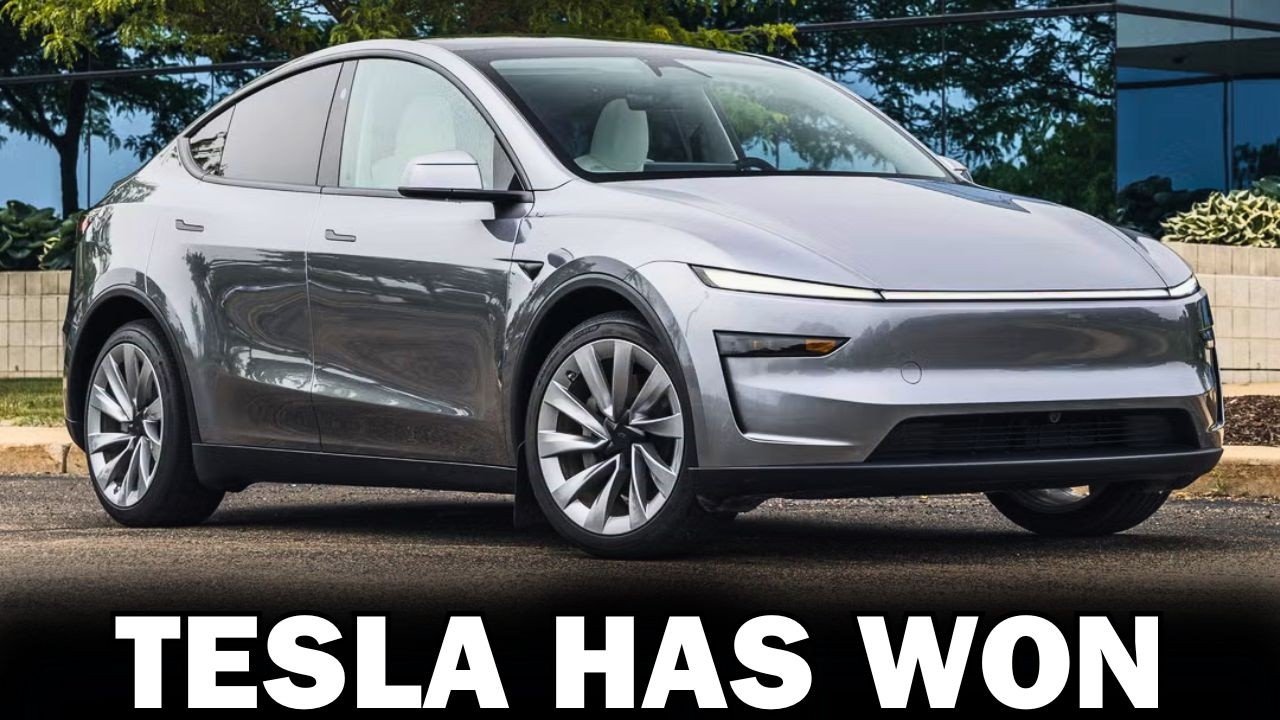
Tesla FSD v14: AI-Driven Autonomy Unleashed
Tesla's FSD v14 isn't just an update—it's a leap where vehicles process surroundings like never before, handling nuanced real-world scenarios with eerie precision. From pausing mid-conversation at a drive-thru to edging aside for a firetruck in gridlock, these aren't scripted moves; they're AI inferring context from millions of driving hours.
Key Takeaways
FSD v14 uses microphones and cameras to detect audio cues, like order completion phrases, without hardcoded rules—pure emergent AI behavior.
In parking garages, the system recognizes temporary barriers (e.g., ticket arms) and waits for human actions, trained on fleet-wide patterns.
Emergency response shines: vehicles pull over for sirens and lights, timing blinkers ahead of passing cop cars or ambulances, even in dense traffic.
Tesla's edge over rivals like Waymo? End-to-end AI on 7M+ vehicles collects data at scale, enabling generalization vs. sensor-heavy, code-dependent approaches.
Future implications: Robotaxis could slash ride costs to $0.40–$0.50/mile, disrupting labor markets as fares drop 75% below Uber equivalents.
Diving deeper, FSD v14 exemplifies end-to-end neural networks fed by Tesla's massive dataset—over 7 million cars logging diverse interactions daily. This lets the AI generalize: spotting a drive-thru window via side cameras, it holds position until a transaction wraps (card handed back, bag received), blending visual and auditory inputs seamlessly. No explicit programming for "wait for 'thank you'"—just patterns from real drives. Similarly, in urban chaos, it nudges right to clear paths for stalled firetrucks, then merges back once safe, anticipating lane flow. Compared to Waymo's 1,500-unit fleet relying on lidar and heuristics, Tesla's vision-only stack scales exponentially, pushing updates to 2M new vehicles yearly. Early quirks like hesitant braking around pedestrians are ironing out, paving for unsupervised autonomy. This tech's ripple: affordable robotaxis in Austin already undercut Uber by 80%, fueling debates on AI's labor shakeup—from Sanders' warnings to Musk's nods. It's physical AI at warp speed, turning everyday drives into proof of concept.
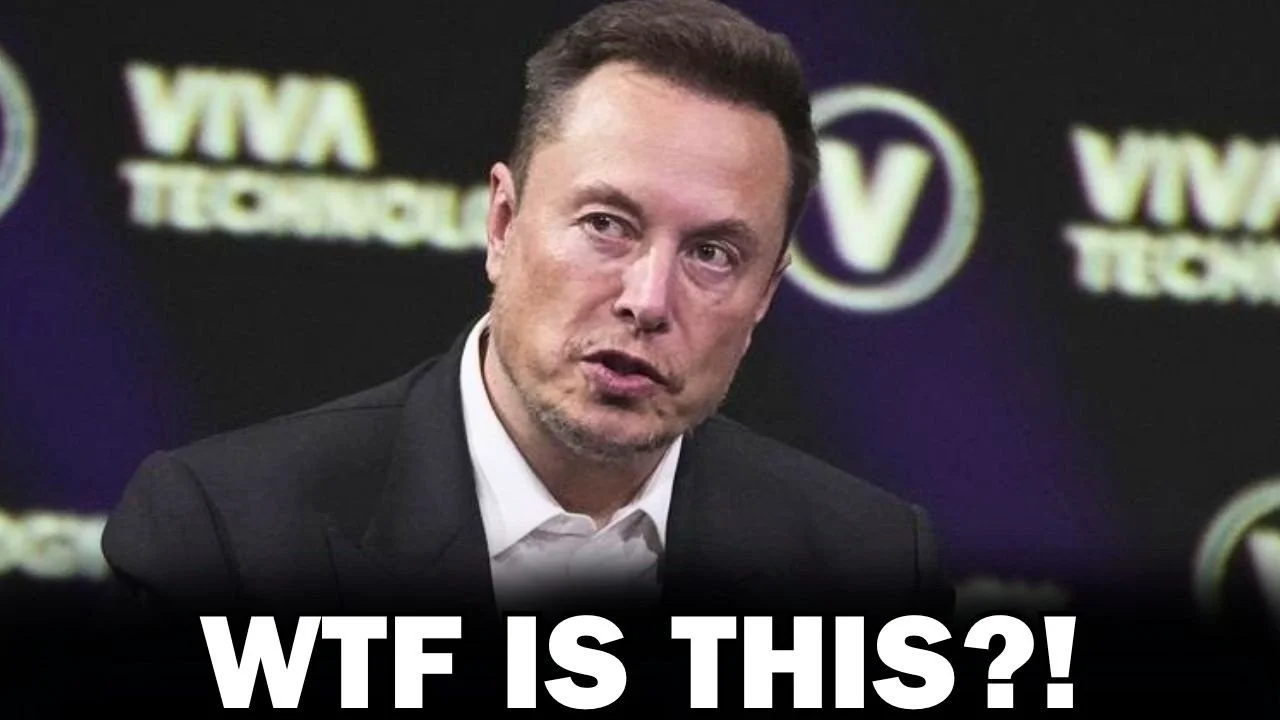
Tesla's Affordable EVs & Bold Autonomy Bet
Tesla’s latest move to launch more affordable Model 3 and Model Y vehicles, coupled with a heavy focus on full self-driving (FSD) technology, signals a pivotal shift in their strategy. This episode dives into the implications of these changes and why Tesla is betting big on autonomy to drive growth, potentially reshaping the EV market.
Key Takeaways
Tesla unveiled Model 3 ($37K) and Model Y ($39K), undercutting the U.S. average car price of $50K.
Loss of the $7,500 EV tax credit offsets affordability, keeping prices near previous levels.
Tesla’s current lineup can’t hit their 3M-unit goal; FSD and cybercab are critical for growth.
Cybercab, a driverless two-seater, aims for 2–3M units annually but faces regulatory hurdles.
FSD v14 shows promise, navigating drive-thrus and parking autonomously.
Tesla’s new Model 3 and Model Y aim to capture the mass market with prices significantly below the U.S. average for new vehicles. However, the expiration of the $7,500 EV tax credit means these cars are only marginally cheaper than prior models with incentives. The Model 3, starting at $37,000, offers strong value with solid range and performance, while the $39,000 Model Y sacrifices more features, nudging buyers toward premium trims. Tesla’s current production capacity supports 3 million units annually, but existing models like the Cybertruck, S, X, and upcoming Roadster won’t push volume beyond 2–2.2 million units. The cybercab, a fully autonomous two-seater, is Tesla’s answer, designed for high-volume production but limited by regulations allowing driverless operation only in Texas and Arizona. Tesla’s banking on FSD v14’s advancements, like navigating drive-thrus and parking lots, to make their vehicles the go-to choice over competitors like Toyota or Honda, offering lower maintenance and no gas costs. A potential “all-in” ownership model—covering leasing, charging, insurance, and FSD for a flat monthly fee—could further boost appeal. By 2026, Tesla’s direction will clarify, with autonomy and cybercab poised to disrupt markets like Uber, offering rides at under 40 cents per mile. Regulatory speed and Tesla’s ability to scale driverless tech will decide their success.
Tesla's Affordable EV Revolution Unveiled
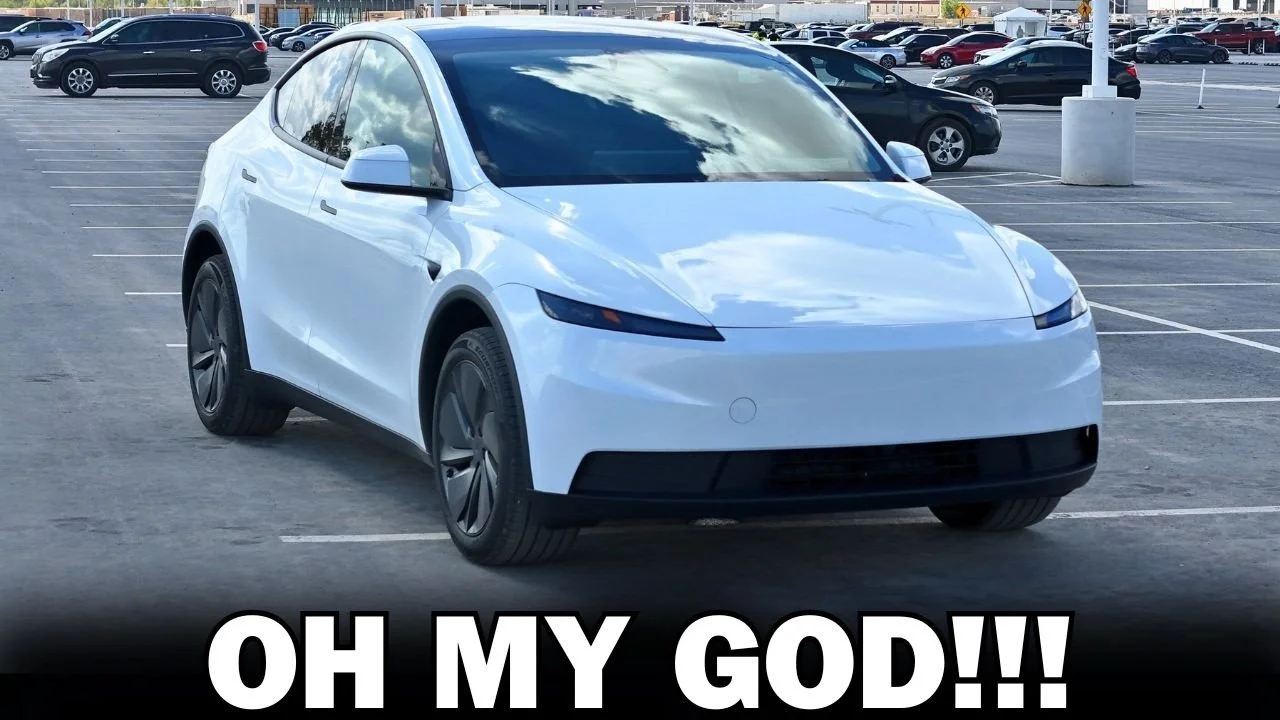
Tesla just redefined entry-level EVs with two new models under $30K, delivering 300+ mile ranges and Autopilot basics—perfect for accelerating global electrification without premium costs.
Key Takeaways
Model Y Compact starts at $25,000 with 320-mile range and rapid charging for urban commuters.
Model 3 Lite priced at $28,000, featuring advanced battery tech for 350 miles and semi-autonomous driving.
Both integrate Tesla's latest software for over-the-air updates, cutting ownership costs by 40%.
Production ramps up in 2026, targeting 500K units annually to challenge legacy automakers.
Sustainability focus: recycled materials and zero-emission drivetrains slash carbon footprints.
Diving deeper, these releases stem from Tesla's push to democratize EVs amid rising demand for affordable green transport. The Compact variant emphasizes efficiency with a streamlined design and LFP batteries for longevity, ideal for city dwellers facing range anxiety. Meanwhile, the Lite builds on the iconic Model 3 platform, adding ventilated seats, premium audio, and enhanced safety suites like automatic emergency braking. Backed by gigafactory expansions, this duo promises quicker delivery times and ecosystem perks like Supercharger access, positioning Tesla to capture 20% more market share in emerging economies. For tech-savvy drivers, it's a gateway to seamless connectivity via the Tesla app, from preconditioning to energy monitoring—all without compromising on thrill or reliability.
Tesla FSD v14: Sentient Self-Driving Breakthrough
Tesla's FSD v14 transforms everyday drives into seamless experiences, with AI-driven decisions that mimic human intuition—cutting interventions and boosting confidence on roads.
Key Takeaways
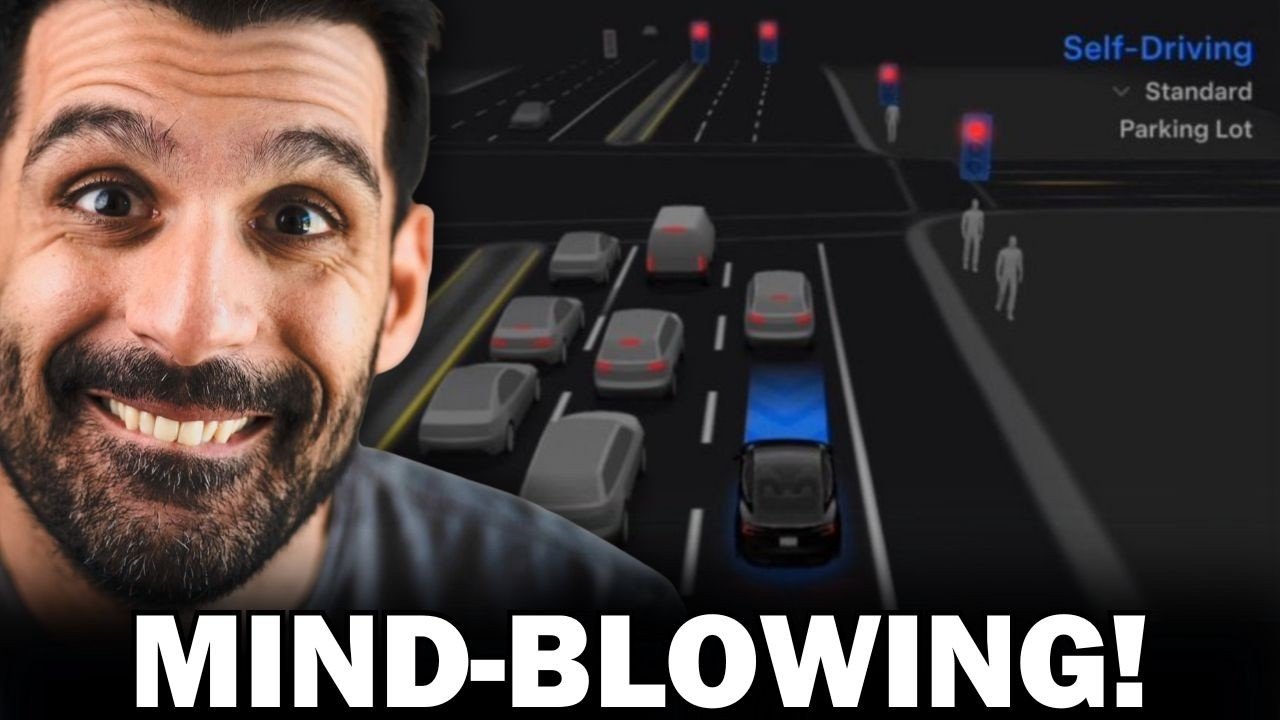
Enhanced arrival options let drivers choose precise parking spots like driveways or curbside, executing maneuvers with pinpoint accuracy.
New driving profiles—Sloth for ultra-conservative pacing, up to Hurry—tailor speed and lane changes for personalized control.
Hands-free mode activates in supervised settings, while alerts in tricky spots like construction zones signal evolving trust in the system.
Parking garages and tight gates now handle flawlessly, pulling tickets and slotting between lines without hesitation.
Robotaxi testing in Austin and Bay Area gathers real-world data, paving the way for unsupervised FSD by early 2026, potentially at a premium subscription.
This update marks a leap in Tesla's neural net evolution, building on v13's foundation with broader rollout to everyday owners. Users report zero interventions over hours of mixed urban drives, though minor hitches like brief low-speed braking persist—issues Tesla's rapid follow-ups are poised to polish. The AI core excels at reading nuanced environments, from dodging glare to threading narrow paths, outpacing rigid competitors. Paired with upcoming affordable models, v14 positions Tesla's fleet for robotaxi revenue streams, where vehicles earn passively via network miles. Underpinning this is the same vision tech fueling Optimus robots, hinting at unified AI across mobility and labor—deployable yet, but accelerating toward ubiquity.
Tesla's Optimus Bot: Revolutionizing Labor and AI
Tesla’s latest showcase of the Optimus robot highlights its potential to redefine physical labor and artificial intelligence, aligning with the company’s ambitious vision for growth. This episode dives into the robot’s advanced capabilities and its connection to Elon Musk’s massive compensation package, offering tech enthusiasts a glimpse into a transformative future.
Key Takeaways
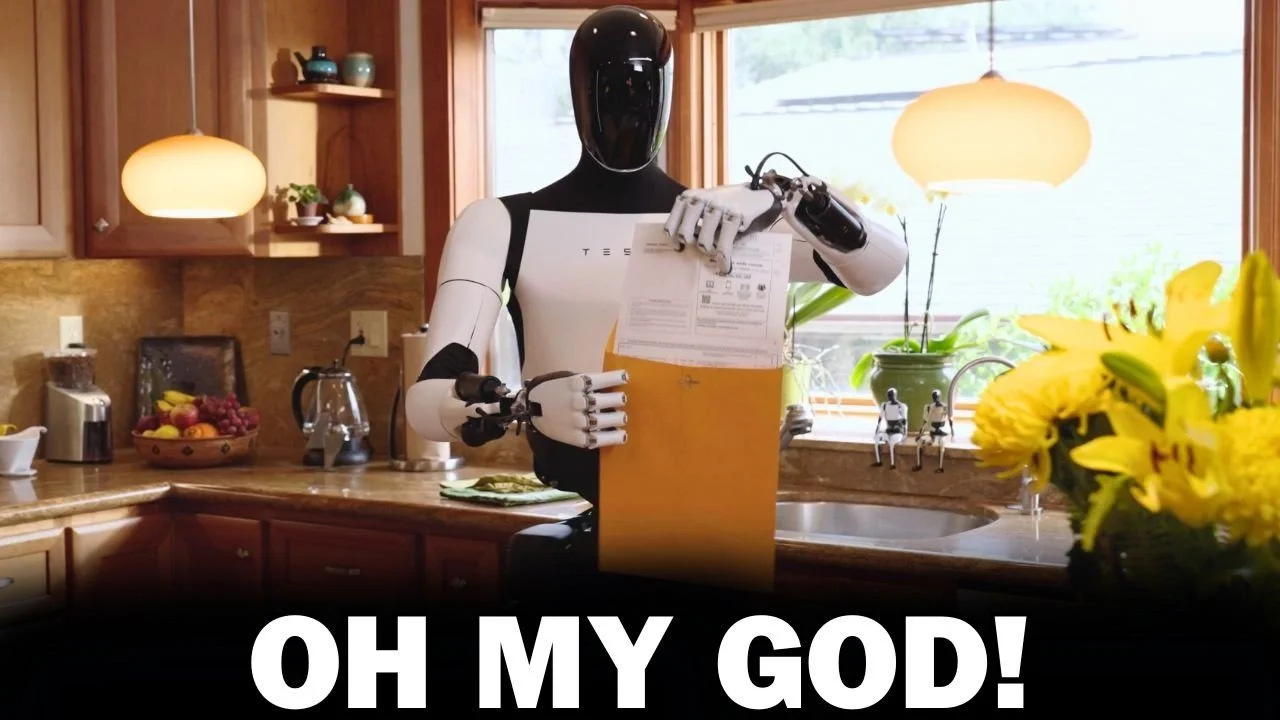
Tesla’s Optimus robot demonstrates nuanced tasks like scrolling an iPad and pulling paper from an envelope.
The robot’s next-generation hand design enhances its ability to manipulate objects, critical for real-world tasks.
Targeting a $40 trillion global labor market, Optimus could disrupt industries with a $3/hour cost compared to human labor.
The robot’s development ties to Elon Musk’s compensation plan, aiming for an $8.5 trillion market cap.
Tesla’s broader AI and autonomy push includes self-driving cars and a new affordable vehicle reveal.
The video emphasizes Tesla’s strategic pivot toward humanoid robotics, with Optimus performing tasks like handling tools and scrolling devices, showcasing tactile feedback and precision. The robot’s next-generation hand, designed for real-world manipulation, marks a leap toward practical applications in warehouses and factories. By targeting repetitive tasks, Optimus could lower costs to $3/hour compared to human wages of $12–$30/hour, opening new markets while disrupting traditional labor. This aligns with Tesla’s broader AI and autonomy goals, including self-driving cars and energy solutions, all tied to Musk’s compensation package, which hinges on achieving an $8.5 trillion market cap. The episode also previews Tesla’s upcoming affordable vehicle, set to launch at around $35,000, reinforcing the company’s multifaceted growth strategy.