
Tesla's Optimus: Future-Proof Robotics Edge
Discover how Tesla's Optimus robot is engineered for tomorrow's AI breakthroughs, outpacing rivals through superior hardware and iterative software.
Key Takeaways
Tesla designs Optimus hands with 22 degrees of freedom for human-level dexterity, unlike competitors' simpler 3-16 degree grippers.
Competitors optimize for current AI limits, risking redesigns as models advance exponentially.
Tesla's approach leverages vast real-world data from vehicles and factories to train AI, enabling seamless software updates.
This mirrors Tesla's FSD evolution: hardware ready, software catches up for transformative capabilities.
Long-term moat in robotics via vertical integration, scale, and data flywheels positions Tesla to lead by 2030.
Tesla's strategy with Optimus emphasizes building hardware capable of intricate tasks like surgery or threading needles from the start. Competitors like Boston Dynamics and Figure use practical, low-degree freedom hands for reliable near-term deployment in factories. However, as AI evolves rapidly, these designs may require full hardware overhauls and retraining. Tesla, with billions in resources and production expertise, avoids this by future-proofing Optimus. Their data advantage from millions of vehicles informs physical AI training, creating a self-improving ecosystem. Once AI masters the complexity, Optimus unlocks versatile applications across industries without hardware changes.

Tesla's Robotaxi Edge Over Waymo & Uber
Uncover Tesla's strategic advantages in the robotaxi space, from cost efficiencies to scalable fleets, poised to reshape urban mobility.
Key Takeaways
Tesla's hybrid model combines owned fleets for base demand with user-contributed vehicles for peaks, slashing capital needs by up to 7x compared to rivals.
Waymo's high vehicle costs limit market share growth to 15-20% per city, forcing expansion to new areas rather than deepening penetration.
Uber's real-time supply-demand adjustments provide resilience, potentially leading to partnerships with secondary robotaxi tech providers.
Robotaxis could expand the mobility market 20x by dropping costs, drawing riders from public transit through elasticity.
Tesla's vision-only stack and manufacturing integration ensure long-term cost leadership, enabling aggressive pricing and high utilization.
Tesla positions itself uniquely in autonomous transport by integrating vehicle production with ride-sharing. Its Cybercab, targeted at under $20,000 production cost, enables per-mile expenses far below competitors. This allows rapid scaling in single markets, unlike sensor-heavy rivals stuck with $70,000+ vehicles and idle fleets during off-peak hours. The approach fosters a potential market where Tesla captures dominant share, while challengers like Uber adapt through alliances. Over time, as tech matures, expect a vast expansion in driven miles, making personal transport more accessible and efficient.

Elon Musk's 2026 Singularity Prediction Decoded
AI advancements are accelerating beyond imagination, with benchmarks showing models outperforming experts in science, coding, and math. xAI's infrastructure investments signal a tipping point, merging real-world data from Tesla fleets and X for unprecedented capabilities.
Key Takeaways
AI models now score 90%+ on PhD-level science questions, up from basic levels just years ago.
xAI's Grok 5 boasts 6 trillion parameters, integrating live data from millions of vehicles for real-time understanding.
Rapid progress in self-improving AI could lead to economic growth exceeding 20% annually.
Brain-computer interfaces and humanoid robots like Optimus may merge human and machine intelligence by 2030.
Job displacement could hit 30-47% of workers, but foster abundance if managed with policies like universal basic income.
Rapid AI evolution defines 2026 as a potential singularity threshold, where intelligence explodes through recursive improvements. xAI leads with colossal data centers powering two gigawatts, enabling models that process video, audio, and text seamlessly. Benchmarks saturate as AI aces real-world tasks across professions, from law to engineering. Skeptics highlight challenges in creativity and common sense, yet trajectory points to superintelligence by 2030. Watch for economic surges, autonomous AI loops, and embodied robots transforming daily life. Position for this by mastering AI tools, honing uniquely human skills, and investing in frontrunners—adaptability ensures thriving amid uncertainty.

Tesla's Bold FSD Shift: End of Purchases
Tesla's decision to eliminate FSD outright buys unlocks game-changing potential in self-driving tech, from Robotaxi fleets to skyrocketing vehicle profitability.
Key Takeaways
Tesla ends FSD outright purchases post-February 14, shifting to subscriptions for broader access.
Signals unsupervised driving rollout soon, enabling cars to operate without attention.
Vehicles could generate $100,000+ annual profit as robotaxis via ride-sharing.
Simplifies pricing: supervised vs. unsupervised tiers, plus fleet integration for owners.
Boosts long-term revenue per car, tripling profitability through recurring models.
Addresses hardware differences, likely offering transfers for early adopters.
Tesla's strategic pivot removes the $8,000 FSD buy option, emphasizing subscriptions to democratize access while capturing value from advancing autonomy. Unsupervised FSD transforms cars into autonomous assets capable of ride-hailing without drivers, potentially netting massive profits through Uber-like fares minus operational costs. This aligns with fleet-sharing plans, where owners add vehicles to Tesla's network for revenue splits, maximizing utilization. For investors, it embeds recurring income into every sale, elevating per-vehicle profits from current levels to tens or hundreds of thousands over a decade. Hardware 4+ owners may gain lifetime perks, while Hardware 3 users could see upgrade incentives like FSD transfers, ensuring equity as tech evolves.

Farzad Q&A - 01/13/2026
Join Farzad and his community for an open, unscripted Q&A about technology, investing, business, and the future of innovation. In every session, Farzad answers community questions, breaks down complex topics with clarity, and shares practical insights on building, scaling, and thinking long-term in tech.
SpaceX Lands Major Pentagon AI Partnership
Discover how SpaceX's collaboration with the Pentagon is revolutionizing military tech through AI integration, promising faster innovation and unbreakable defenses.
Key Takeaways
AI models from top firms now deploy across all military networks for enhanced operations.
New strategy focuses on rapid experimentation and barrier removal to lead in global AI races.
Investments in compute resources and talent aim to harness private capital for defense tech.
Shift away from ideological constraints ensures AI tools are mission-focused and effective.
Data sharing reforms unlock vast military datasets for superior AI exploitation.
This partnership transforms Starbase into a hub for defense innovation, showcasing massive rocket manufacturing alongside AI advancements. It emphasizes scaling production for national strength, envisioning interstellar exploration while bolstering earthly security. The initiative includes pace-setting projects for AI in combat and intelligence, with quarterly labs testing swarm coordination and distributed controls. By prioritizing velocity metrics and swat teams to eliminate red tape, it draws on industry talent to build an AI-first force. Heavy compute expansions partner with tech giants, ensuring abundant resources. Responsible AI now means truthful, secure tools without non-essential limits, feeding on unique U.S. data advantages to outpace adversaries.
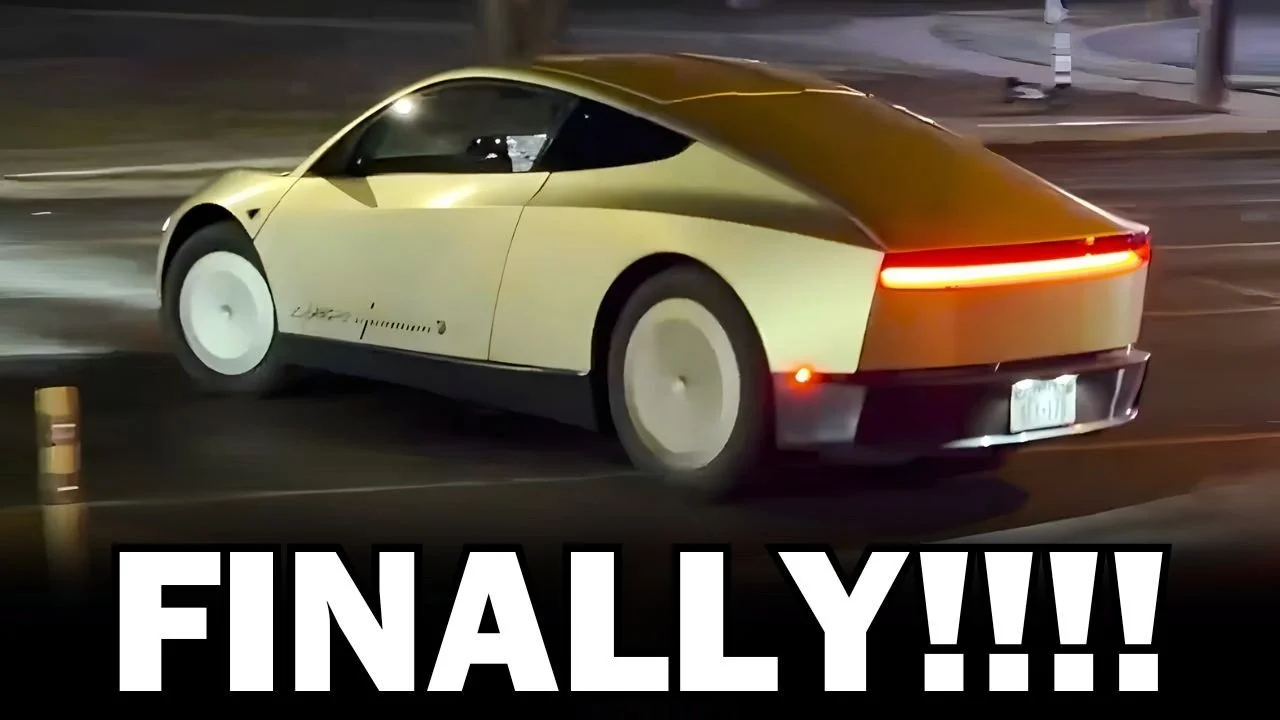
Tesla Cybercab Sightings Surge Globally
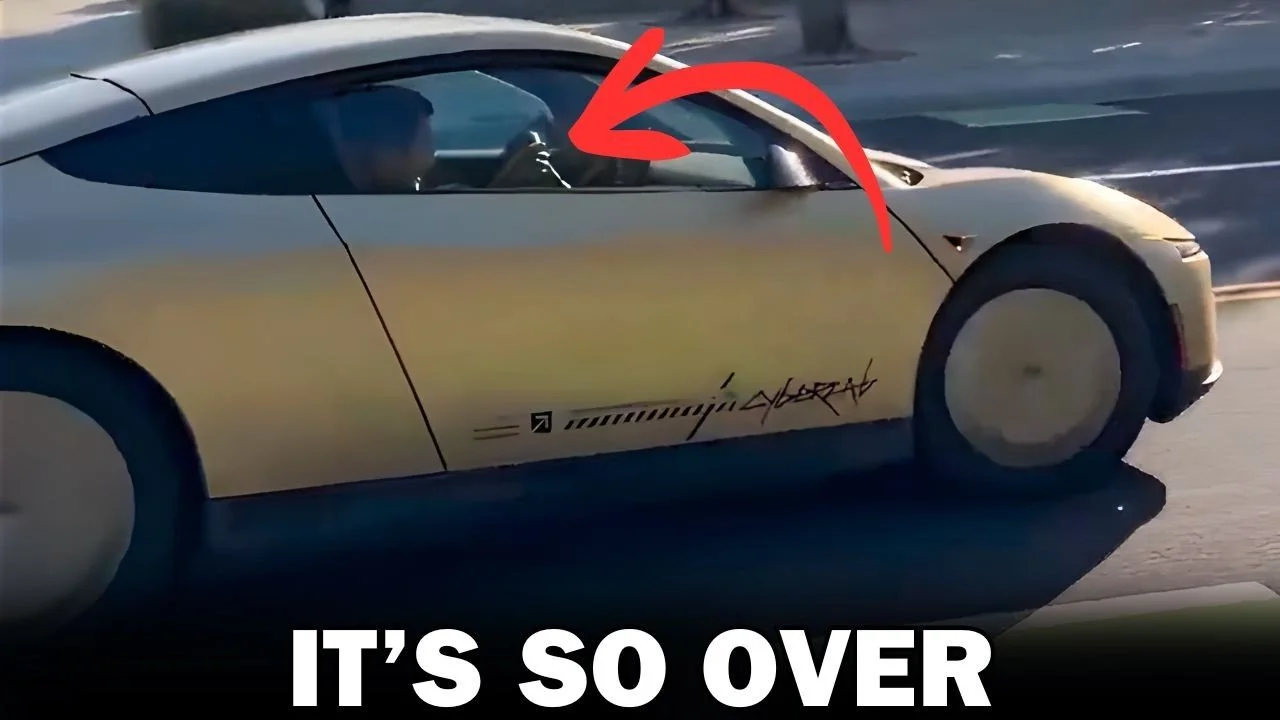
Tesla's Cybercab prototypes are popping up in cities like Chicago, Buffalo, Austin, and California, marking a pivotal step toward transforming urban mobility with affordable, autonomous transport.
Key Takeaways
Cybercab tests indicate readiness for April 2026 production launch, doubling Tesla's annual output to over 4 million vehicles.
Unboxed manufacturing enables parallel assembly, slashing factory space and boosting efficiency for high-volume production.
Priced under $20,000 to build, it targets 20-40 cents per mile operation, far below the 80 cents of conventional cars.
Current prototypes feature removable steer-by-wire systems for testing, easing regulatory compliance.
U.S. caps limit steering-free vehicles to 2,500 annually, with pushes to raise to 95,000 amid lobbying from rivals like Waymo.
Tesla's fleet could enable unsupervised autonomy by mid-2026, leveraging billions of autonomous miles.
Delving deeper, the Cybercab's design eliminates traditional controls, focusing on a spacious two-seater optimized for robotaxi fleets. Its parallel manufacturing process assembles components simultaneously, allowing Tesla to scale output dramatically while minimizing costs. This positions it to meet soaring demand for cheap, efficient transport. However, regulatory battles are intensifying: automakers seek higher caps on driverless production to avoid factory bottlenecks. Tesla's advantage lies in adaptable tech, like plug-and-play electronic steering from the Cybertruck, which could enable sales with or without manual controls. By achieving 10 billion autonomous miles soon, unsupervised driving becomes viable, giving Tesla an edge over competitors limited in scale. This year could redefine autonomy, with potential expansions to Europe, China, and the Middle East if U.S. rules evolve.

AI Revolutionizing Insurance and Society
Unlock insights on AI's game-changing role in insurance and beyond, revealing efficiencies that legacy systems can't match and strategies for a fair AI-driven future.
Key Takeaways
AI enables insurance firms to capture vast data sets, leading to precise risk assessment and pricing far superior to traditional methods.
Companies built on AI foundations achieve exponential growth without proportional increases in costs or staff.
Self-driving vehicles promise reduced accidents, altering auto insurance models toward per-mile, driver-specific rates.
Humanoid robots will require new insurance products focused on theft and liability, mirroring existing renter policies.
AI's rise demands wealth redistribution mechanisms like negative income taxes to prevent inequality in an era of job displacement.
This discussion highlights an insurance innovator leveraging AI since its inception, using machine learning for everything from customer interactions to HR processes. By collecting detailed digital signals, it outperforms legacy players bogged down by outdated systems and shallow data. As AI advances, operational leverage allows business scaling—tripling revenue while shrinking headcount—turning variable costs fixed. In auto insurance, telematics de-averages risks, favoring safer drivers and adapting seamlessly to autonomous tech. Looking ahead, AI's infinite intelligence could displace labor massively, but structured taxes on surpluses could fund universal high incomes, ensuring broad benefits and accelerating adoption without backlash.
Tesla vs NVIDIA: Autonomy Race Heats Up
Dive into the high-stakes clash between two tech giants reshaping autonomous vehicles, where data and edge cases dictate victory.
Key Takeaways
NVIDIA's new vision-language-action AI system targets Tesla's full self-driving tech, shipping in vehicles like the Mercedes-Benz CLA in 2026.
The "long tail" problem demands handling infinite rare scenarios, requiring exponential effort to reach human-level safety.
Tesla's billions of miles of real-world data provide a massive advantage over newcomers, as simulations can't replicate unpredictable events.
Open-source strategies could flood the market like Android did for phones, but closed ecosystems maintain tight control.
Intense competition drives faster progress, lower costs, and enhanced safety in AI-driven transportation.
Autonomous driving hinges on mastering rare, unpredictable events—the long tail—that make up the gap between 99% reliability and superhuman safety. NVIDIA's innovative system integrates visual perception, natural language reasoning, and action execution, positioning it as an accessible alternative for non-Tesla automakers. Yet, achieving six-nines accuracy (99.9999%) mirrors human crash avoidance rates, derived from trillions of miles driven annually. Tesla's fleet continuously captures these anomalies, refining its AI through real encounters that no startup dataset can match quickly. This data moat, built over years, underscores why timelines for full autonomy often slip. Meanwhile, NVIDIA's approach leverages partnerships and open data release—1700 hours initially—to build ecosystem momentum. The rivalry fosters breakthroughs in physical AI, extending to robotics, compressing development cycles much like historic tech battles.
Farzad Q&A - 01/06/2026
Join Farzad and his community for an open, unscripted Q&A about technology, investing, business, and the future of innovation. In every session, Farzad answers community questions, breaks down complex topics with clarity, and shares practical insights on building, scaling, and thinking long-term in tech.
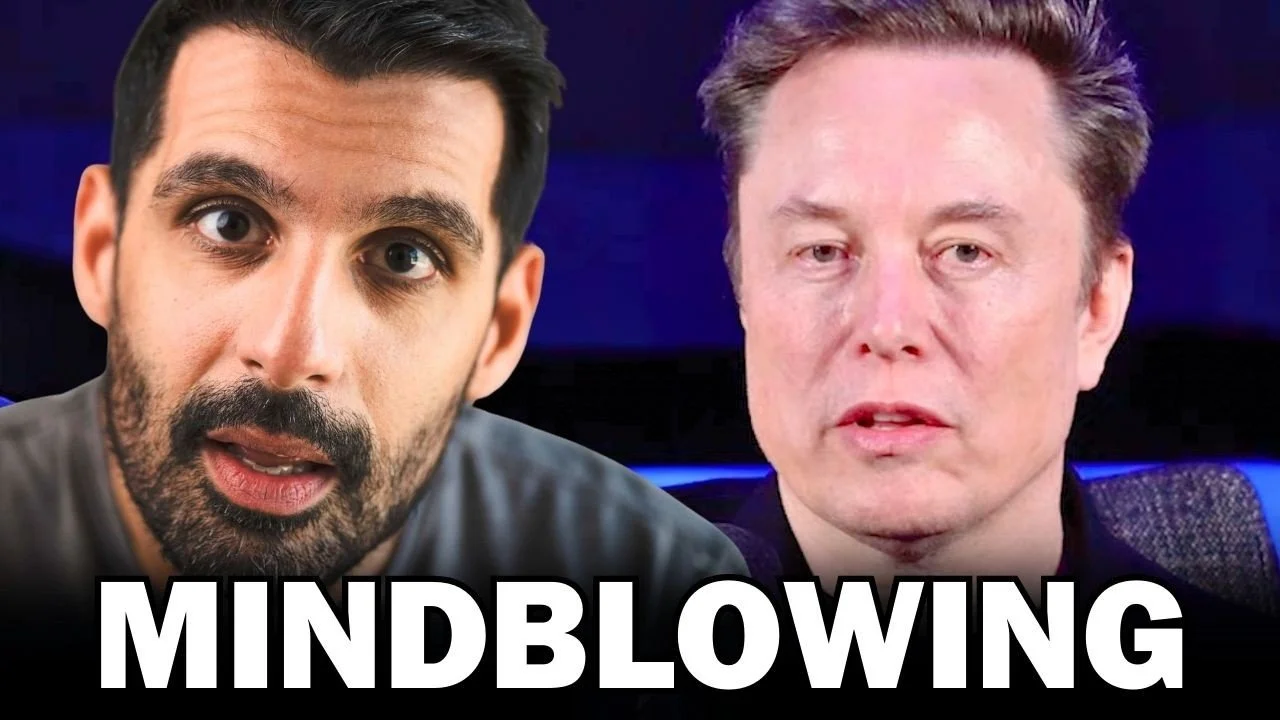
Elon Musk's AI Revolution: Jobs, UHI & Singularity
Unlock the future where AI reshapes economies, obliterating traditional jobs while promising unprecedented prosperity—key insights on navigating the chaos ahead.
Key Takeaways
AI targets white-collar roles first, automating digital tasks like coding and data processing far better than humans.
Humanoid robots will handle physical labor, leading to massive productivity gains and deflationary prices.
Universal High Income emerges not from taxes, but from AI-driven abundance, making goods and services ultra-cheap.
The transition could spark social unrest but averts economic collapse, with governments potentially inflating money supply to match output.
By 2030, AI could surpass all human intelligence combined, accelerating toward a singularity with 10x yearly improvements.
This discussion unpacks AI's rapid evolution, starting with current tools that already replace developers by building apps from simple prompts, slashing costs and boosting efficiency. It highlights historical shifts, like computers replacing human calculators, and warns of inertia in legacy companies facing AI-native competitors. Optimism prevails: embrace AI to steer toward a benign future of limitless resources, where saving for retirement becomes obsolete amid deflation and hyper-productivity. Yet, the next 3-7 years demand action—integrate AI tools now to thrive in this era of algorithmic leaps and robotic dominance.
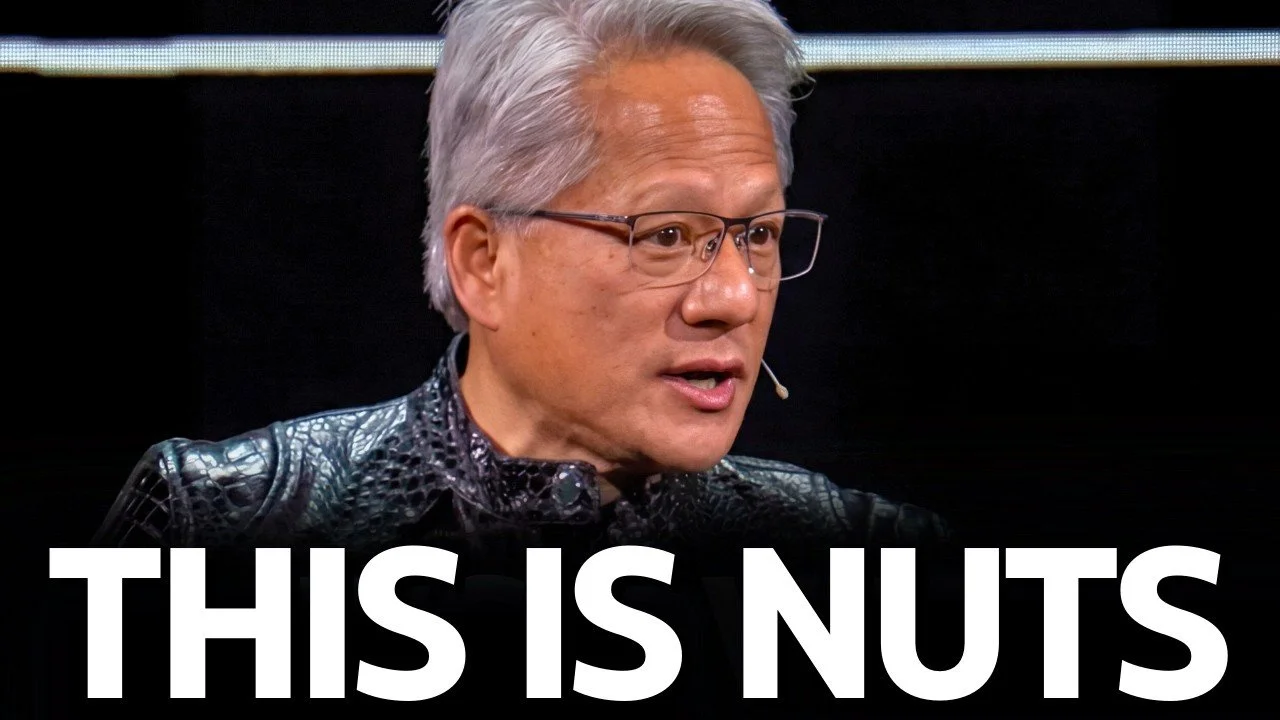
NVIDIA's Alpha Mayo: AI Driving Revolution
Discover how advanced AI is reshaping transportation and robotics with innovative models that simulate trillions of miles and enable reasoning in complex scenarios.
Key Takeaways
End-to-end AI training from camera input to vehicle actuation enhances natural driving.
Synthetic data generation via simulation tools creates vast training scenarios efficiently.
Dual software stacks ensure safety with redundancy and traceable code.
Open-source model accelerates adoption across global automotive partnerships.
Extends to diverse robotics, from manipulators to humanoids, revolutionizing design stacks.
This AI model integrates sensor data to not only control steering, brakes, and acceleration but also explain its decisions in real-time, tackling rare driving events by breaking them into familiar components. Built on a five-layer stack—from hardware to infrastructure—it supports autonomous capabilities in billions of vehicles, with ongoing updates for regions worldwide. The approach applies broadly, enabling safe, scalable robotics in various forms, and integrates AI physics into design tools for faster innovation in electronics and systems.

Tesla's Explosive 2026: AI, Bots & Autonomy
Dive into Tesla's transformative 2026, where AI-driven innovations redefine mobility and robotics, fueled by surging energy needs and regulatory shifts.
Key Takeaways
Tesla's Q4 2025 deliveries held strong at 418,000 vehicles amid EV tax credit phase-out and market slowdown.
Energy storage hit 14.2 GWh in Q4, up 29% year-over-year, driven by AI power demands.
FSD v14 enables seamless point-to-point driving, boosting adoption in existing fleets.
Cybercab production ramps in April, potentially with steer-by-wire for regulatory hurdles.
Optimus v3 demo expected soon, focusing on repetitive tasks in factories and warehouses.
Economic factors like falling interest rates and tax incentives to spur big-ticket buys.
Tesla's 2026 outlook hinges on autonomy and energy. Vehicle production dipped quarterly due to economic pressures and lost incentives, but outperformed rivals like Rivian, which saw steeper declines. Energy business explodes as AI clusters rely on batteries for efficient power management—buy low, store, deploy during peaks. FSD tech matures, handling real-world nuances like traffic flow and yielding, applicable to both consumer cars and robotaxis. Cybercab aims for mass rollout, but regulations may force temporary steering additions via proven cybertruck tech. Optimus bots tackle Moravec's paradox: excelling at repetitive jobs humans find mundane, like assembly or logistics, at low costs without HR needs. Broader AI growth, lower inflation, and policy stimuli position Tesla for explosive gains in physical AI applications.

America's AI-Driven Space Dominance
Space tech advancements position America to lead the next century, with AI and orbital infrastructure driving infinite compute, resource access, and human expansion.
Key Takeaways
Orbital AI data centers offer unlimited solar energy and zero cooling costs, enabling superintelligent models.
Reusable rockets like Starship slash launch expenses, making space accessible at scale.
Asteroid mining eliminates earthly resource bottlenecks, neutralizing monopolies on rare earths.
Moon bases serve as low-gravity launchpads for deeper solar system exploration.
Mars colonies ensure long-term human survival, embedding U.S. tech and values.
U.S. firms dominate with satellite networks delivering global high-speed internet and AI-powered intelligence. Compute-heavy AI training thrives in space, free from terrestrial limits like land or regulations. This setup creates a virtuous cycle: smarter AI designs superior space tech, expanding compute further. Asteroids provide abundant metals and elements, transforming manufacturing. Lunar outposts ease deep-space missions by leveraging low gravity for efficient launches. Mars settlements, backed by private innovation, secure civilization's continuity. These developments spill over to Earth, enhancing connectivity, medicine, and sustainability, while widening the gap with competitors lacking flexible ecosystems.
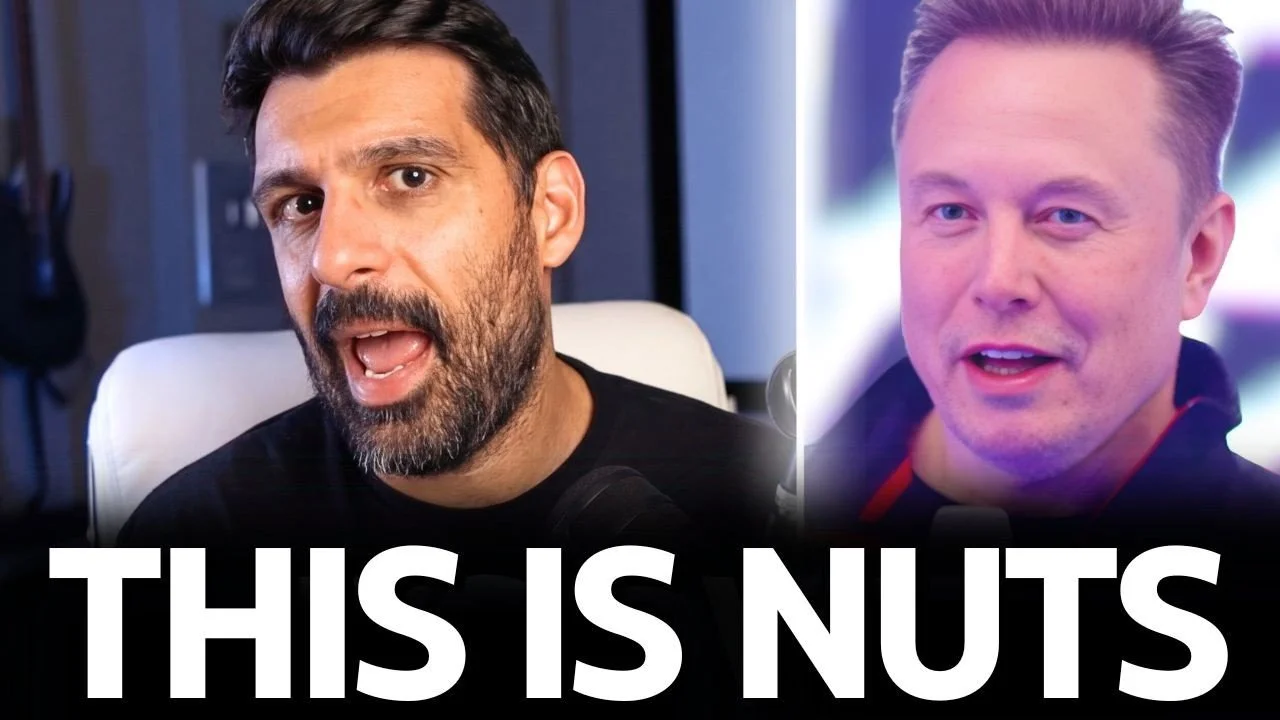
Debating Elon Musk: Future Abundance vs. Scarcity
Dive into the clash between technological abundance and enduring human scarcities, revealing insights on AI's role in reshaping economies and societies.
Key Takeaways
AI and robots could drive labor, energy, and material costs to near-zero, enabling universal high income where resources are limitless.
Positional goods like unique locations create unavoidable scarcity, challenging market systems in an infinite-money era.
Advanced transport tech might decentralize prime real estate by making any spot accessible in minutes.
Post-scarcity could freeze current ownership, entrenching inequality or shifting competition to reputation or robot control.
Human nature's drive for status may persist, turning abundance into new forms of rivalry rather than pure harmony.
Abundance emerges as AI automates production, solar and fusion slash energy costs, and asteroid mining provides endless materials—rendering savings obsolete and work optional. However, finite elements like beachfront views or historical sites defy replication, leading to the "Malibu problem": with infinite wealth, how to allocate irreplaceable assets? Solutions like hyper-fast electric vehicles, tunnels, and orbital habitats inspired by sci-fi visions promise infinite custom worlds, diluting location's premium. Yet, authenticity and status cravings suggest competition evolves, not ends—potentially via social credits or AI allocation. The transition risks unemployment spikes, asset bubbles, and battles over land rights, questioning if humanity thrives without struggle or descends into purposeless consumption.
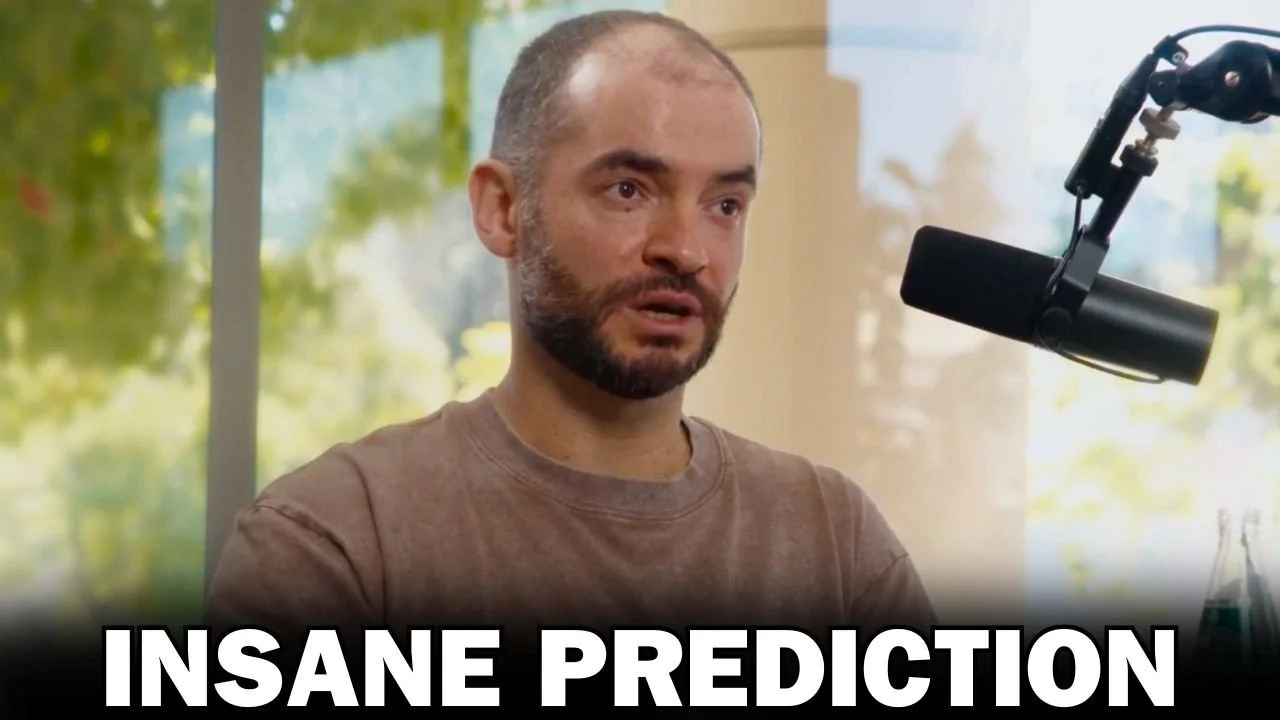
AI's Radical Future: Jobs, Growth, and Alignment
Uncover AI's potential to redefine humanity's future through explosive progress and ethical imperatives.
Key Takeaways
AI will eventually perform all human tasks, mirroring the brain's computational nature.
Expect swift economic expansion as AI integrates into workforces, varying by regulatory environments.
Incremental AI deployment helps society grasp and prepare for superintelligent systems.
Frontier companies and governments will increasingly collaborate on safety as AI's power becomes evident.
Aligning AI with sentient life offers a more feasible path than human-centric focus alone.
As AI advances, it promises to handle any learnable skill, fueling debates on career shifts and societal impacts. Rapid deployment could accelerate R&D, leading to exponential growth, though physical world constraints may temper the pace. Nations with AI-friendly policies might outpace others economically. The core challenge lies in envisioning and managing superintelligent AI's immense power—prompting behavioral shifts in developers toward heightened caution. Ultimately, building systems that inherently value sentience emerges as a strategic priority, leveraging empathy-like mechanisms for broader alignment.

Ford's EV Retreat Signals Auto Doom
Ford's bold EV pivot reveals critical cracks in legacy auto's future viability, highlighting why autonomy demands full commitment to electric platforms for scalable, profitable fleets.
Key Takeaways
Ford's $19.5 billion impairment underscores unprofitable large EVs and a retreat to hybrids and gas vehicles.
Legacy automakers' retrofit approach to EVs fails against purpose-built designs like Tesla's.
Hybrids offer short-term certainty but can't support full autonomy due to complexity and maintenance.
Autonomy's rise will shift markets to robo-taxi services, eroding personal vehicle ownership.
Without investing in EV-autonomy integration now, companies like Ford risk irrelevance in a decade.
Legacy automakers assumed swapping batteries into gas vehicle frames would yield profits, but inefficiencies in supply chains, manufacturing, and dealer models proved otherwise. Tesla thrives by integrating batteries structurally, controlling software, and building charging networks from scratch, generating billions in EV profits. Hybrids, blending two powertrains, add unnecessary costs and hinder the software depth needed for reliable robo-taxis. As autonomy scales in cities, transportation-as-a-service will dominate, making owned vehicles obsolete for most urban users. Ford's minimal past investments, like the shuttered Argo AI, leave no path to compete. This isn't just Ford's crisis—GM, Stellantis, and Europeans face similar fates, betting on gas demand while Chinese and Tesla players advance. The result: a shrinking market for human-driven hybrids amid fierce price competition.
Delaware Restores Musk's $56B Tesla Pay Package
Discover how a pivotal court ruling reinstates Elon Musk's groundbreaking Tesla compensation, reshaping corporate incentives and investor relations in the EV sector.
Key Takeaways
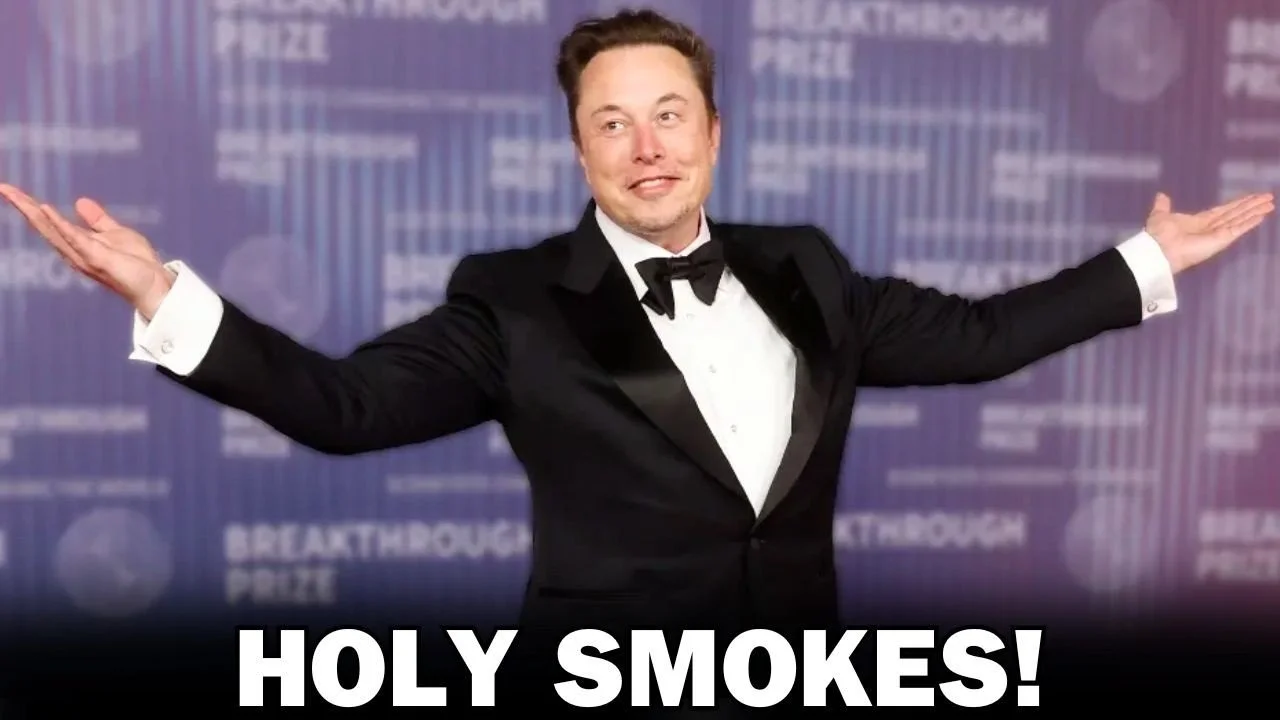
Delaware Supreme Court reverses lower court's decision, reinstating Musk's 2018 pay package worth around $56 billion.
Ruling emphasizes that rescinding the deal after milestones were met is inequitable, as Musk delivered exceptional growth.
Shareholders' repeated approvals validate the package, overriding claims of undue influence.
Plaintiff's lawyers receive $54 million in fees based on hours worked, far below their billions sought.
Decision removes a major overhang on Tesla stock, potentially stabilizing Delaware's business-friendly environment.
This ruling highlights the challenges of balancing executive pay with shareholder rights in high-growth tech firms. The 2018 plan tied compensation to aggressive targets, like reaching a $650 billion market value, which Tesla achieved through innovation in electric vehicles and energy solutions. By focusing on the impracticality of undoing completed work, the court prioritizes contractual integrity over retrospective fairness debates, setting a precedent for future mega-deals in Silicon Valley and beyond.
Tesla's FSD Revolution: Mind-Blowing Autonomy Ahead
Tesla's advancing autonomy tech delivers paradigm-shifting insights into future transport, from seamless self-driving to economic disruptions in mobility.
Key Takeaways
Tesla FSD enables flawless, multi-hour journeys without steering or pedal input, astonishing new users.
Shift to unsupervised mode will eliminate driver attention, mirroring driverless trials in select cities.
Steer-by-wire systems in new models allow easy removal of controls, paving the way for adaptable vehicles.
Sub-$30k autonomous cars could redefine ownership with flexible monthly plans including insurance and charging.
Robotaxis promise 30 cents per mile, undercutting traditional rides and legacy autos in urban areas.
Diving deeper, Tesla's FSD has evolved from basic autopilot to advanced navigation that handles complex routes autonomously, though currently requiring supervision. This tech, experienced by under 1% of the population, normalizes hands-free travel across the US. Unsupervised versions, already in limited trials, use affordable models built at scale. Innovations like steer-by-wire—electronically linking controls without mechanical ties—simplify conversions to full autonomy, similar to aircraft systems. Economically, these vehicles slash costs below human-driven options, targeting metro areas where traffic dominates. This surge in capability drives analyst upgrades, signaling massive market shifts as regulations evolve.
Farzad Q&A - 12/16/2025
Join Farzad and his community for an open, unscripted Q&A about technology, investing, business, and the future of innovation. In every session, Farzad answers community questions, breaks down complex topics with clarity, and shares practical insights on building, scaling, and thinking long-term in tech.