

Mind-Powered Speech: How Brain Implants Are Restoring Voices Lost to ALS
A single neural device now decodes thoughts into fluent, personalized words—bypassing damaged nerves entirely and handing independence back to patients who once faced total silence.
Brain-computer interfaces have crossed a critical threshold. They now let people with advanced ALS generate clear speech simply by intending to talk, using a voice that sounds exactly like their own from before the disease took hold. The result is not just communication—it is restored identity, reduced exhaustion, and a direct bridge from brain to the world.
Key Takeaways
The implant records activity from thousands of individual neurons in the brain’s speech motor cortex at once, translating raw signals into synthesized words without any muscle movement.
Patients produce speech by silently mouthing or simply thinking the words, eliminating the fatigue and frustration that come with trying to force damaged vocal muscles.
Voices are rebuilt from pre-illness recordings, so loved ones hear the exact tone and personality they remember from years earlier.
Calibration happens quickly through guided sentence practice, with models improving from near-zero accuracy to fluent output in a single session.
Users gain immediate practical control—turning on lights, playing games, or holding extended conversations—while also contributing real-time data that accelerates future versions.
The entire experience is low-burden: same-day discharge after surgery, home charging, and an app that keeps everything intuitive.

Tesla’s Autonomous Revolution: Redefining Travel with Next-Gen Vehicles
How Tesla’s self-driving platforms could transform RVs, party buses, and accessible transport for a new era of mobility.
The future of transportation is hurtling toward us, and Tesla is at the forefront with vehicles that promise to redefine how we move, live, and socialize. Imagine a world where self-driving RVs roam highways, party buses ferry fans to games, and autonomous vehicles empower those with disabilities to travel effortlessly. Tesla’s advancements in autonomy, coupled with innovative vehicle platforms like the Semi and Robo Van, are poised to create a seismic shift in mobility. From customizable interiors to game-changing accessibility, these vehicles could unlock new ways to work, play, and explore.
Key Takeaways
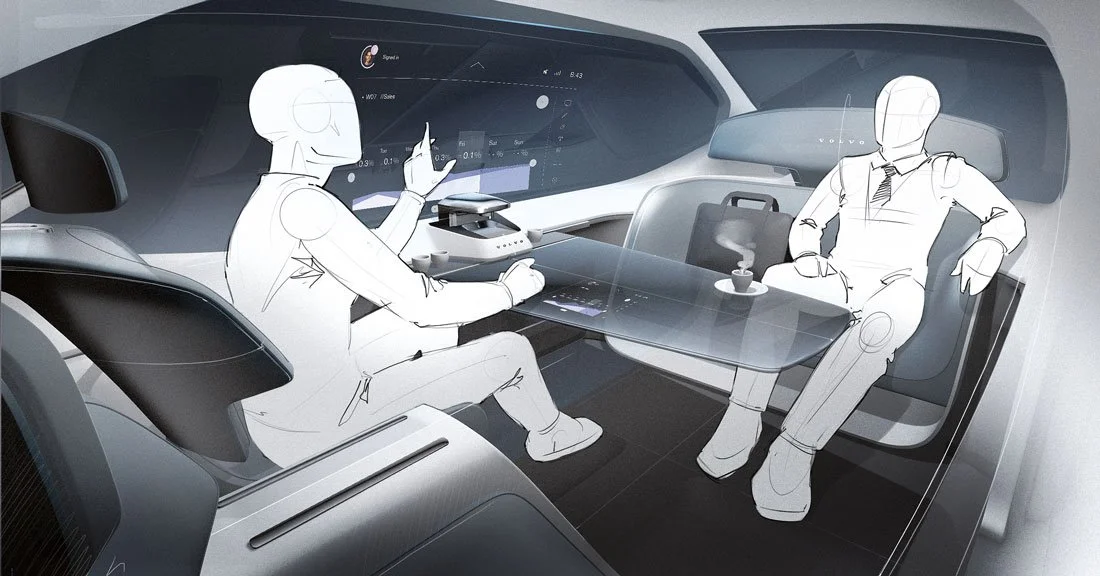
Autonomous RVs and vans: Tesla’s platforms, like the Semi and Robo Van, could become self-driving RVs or party buses, with interiors tailored for sleeping, working, or socializing.
Safety first for large vehicles: The sheer size of a self-driving Semi demands rigorous safety standards, potentially delaying full autonomy until 2040 to prevent catastrophic accidents.
Third-party customization: Tesla may focus on producing vehicle shells, leaving interior customization to fleet operators, creating a marketplace of specialized experiences.
Frictionless travel: Autonomous vehicles could make short intercity trips faster and cheaper than flights, with added benefits like sleeping or relaxing en route.
Accessibility revolution: Self-driving tech, paired with steer-by-wire systems, could enable people with disabilities or the elderly to travel independently.
Autonomous Vehicles: Redefining Travel and Lifestyle
Revolutionizing Mobility with Self-Driving Tech
Tesla's upcoming Cybercab is set to reshape the electric vehicle landscape by blending cutting-edge autonomy with practical design adaptations, potentially delivering a sub-$30,000 car that drives itself without constant supervision. This move addresses production bottlenecks and regulatory hurdles, paving the way for high-volume sales starting in 2026.
Key Takeaways
Autonomous tech turns vehicles into movable rooms, enabling interiors optimized for work, sleep, sightseeing, partying, or RV living.
Larger vehicles like semis require higher safety standards due to potential for massive destruction in accidents, delaying full autonomy rollout.
Self-driving RVs and vans could compete in size and use cases, with third-party customization likely handling interior configurations.
Fleet models similar to airlines will allow providers to tailor vehicles for specific experiences, adding them to networks for on-demand access.
Highway autonomy already feels mature, paving the way for hybrid services on long routes that beat short flights in time and cost.
Self-driving tech lowers barriers to social outings, boosting attendance at events like sports games or conventions through convenient, fun group transport.
Accessibility improves dramatically for people with disabilities or elderly individuals, as vehicles handle navigation without traditional controls.