
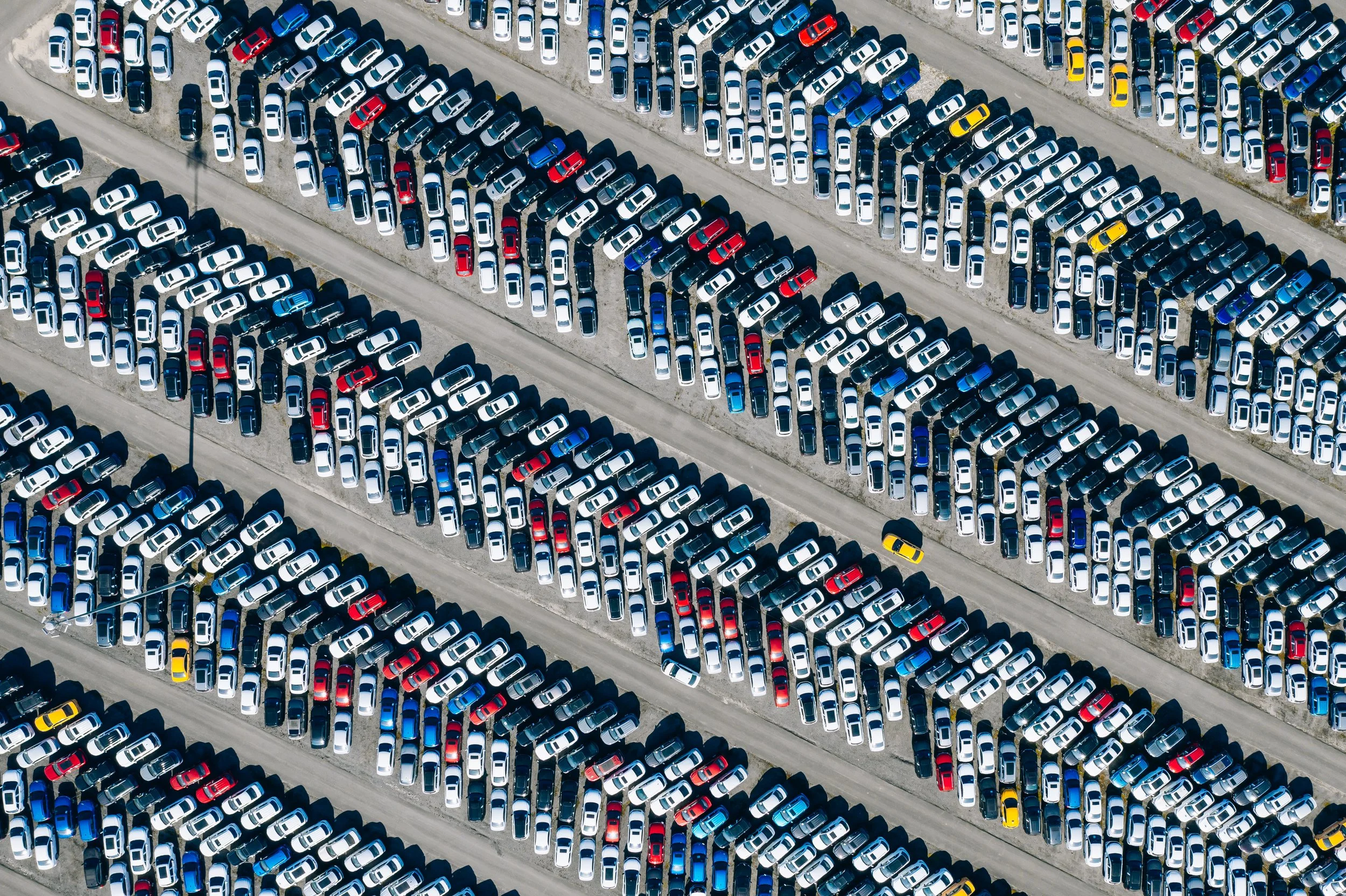
The Car Market Collapse: Why Buying Now Could Cost You $72,000
Brace for the Autonomy Shockwave That's About to Crush Vehicle Values
The rapid rollout of unsupervised full self-driving technology stands poised to slash transportation costs by up to two-thirds, making personal car ownership obsolete in many areas and triggering a massive drop in used car prices. For anyone eyeing a new vehicle, the math points to staggering opportunity costs—potentially turning a $40,000 purchase into an $8,000 asset in just four years while missing out on investments that could double that money.
Key Takeaways
Unsupervised autonomous driving approval could arrive in major U.S. markets within 12-18 months, fundamentally shifting car ownership from essential to optional.
Current average new car costs around $48,000, with typical depreciation hitting 60% in four years—but autonomy could double that loss to 80% or more in disrupted markets.
Robotaxis aim for 25-30 cents per mile operating costs, undercutting personal vehicle ownership's 70-80 cents per mile and saving users $10,000 annually.
Leasing transfers depreciation risk to lenders, making it a smarter short-term play than buying outright amid uncertainty.
Rural or specialized needs (like work trucks or large families) justify purchases, but urban commuters face the biggest risks.
Investing saved funds in AI and autonomy-related stocks could yield 15% annual growth, turning $40,000 into $80,000 over four years—a $72,000 swing versus car depreciation.
Watch Austin's used car market post-Texas FSD approval as an early indicator of nationwide impacts.

Tesla's Autonomous Empire: Why the Game Is Already Over
Revolutionizing Mobility and Labor in Ways We Can't Ignore
The shift to fully autonomous vehicles and humanoid robots isn't just on the horizon—it's accelerating faster than most realize, with profound implications for industries, jobs, and economies. This transformation promises cheaper, safer transport and ultra-efficient labor, but it also signals massive disruptions that societies aren't prepared for. Here's what tech enthusiasts need to know about the impending changes.
Key Takeaways
Tesla's self-driving technology positions it to dominate global transportation, potentially rendering ride-sharing giants uncompetitive by the decade's end.
Humanoid robots, built on the same AI frameworks as autonomous cars, will handle repetitive tasks in factories within five years, expanding to complex jobs like cooking by 2040.
Over a billion vehicles worldwide mean the transition to autonomy will be gradual, but the total market opportunity is enormous.
Widespread adoption of robots could drive labor costs below $5 per hour, creating deflationary pressures that might counterbalance recent excessive money printing.
Governments lack the foresight and structure to proactively address job losses affecting millions, leading to reactive economic adjustments.
Competitors in self-driving tech lag far behind, with production capacities limited to thousands of units annually compared to Tesla's scale.