
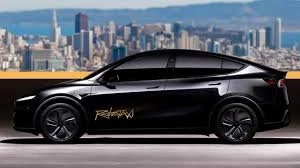
Tesla's Robotaxi Breakthrough: Unsupervised Rides Begin in Austin
The first truly driverless Tesla robotaxis are now carrying paying passengers in Austin, Texas—using standard Model Y vehicles with no human in the front seat. This milestone, combined with third-party insurance slashing rates by 50% on FSD miles, signals that Tesla's vision-based autonomy has reached a level of safety and capability that could reshape transportation economics worldwide.
Key Takeaways
Tesla has launched public robotaxi rides in Austin with fully unsupervised vehicles—no safety driver or monitor inside the car—starting with a small number mixed into the existing fleet.
The service uses unmodified Model Y vehicles equipped with the same camera-only hardware and AI software available in consumer Teslas.
A major insurer now offers roughly 50% lower per-mile rates for miles driven with Tesla's Full Self-Driving (FSD) engaged, based on real-world data showing sharply reduced accident risk.
Removing the human driver collapses operating costs to energy, maintenance, and repairs—potentially dropping per-mile expenses to 40-60 cents versus $2+ for human-driven rides.
Tesla's camera-based, data-driven approach—trained on billions of miles from its global fleet—enables scalability far beyond sensor-heavy competitors, with potential for rapid expansion to new cities and countries.
Future production of the purpose-built Cybercab, lacking steering wheel or pedals, could push Tesla's annual output beyond 5 million self-driving-capable vehicles.
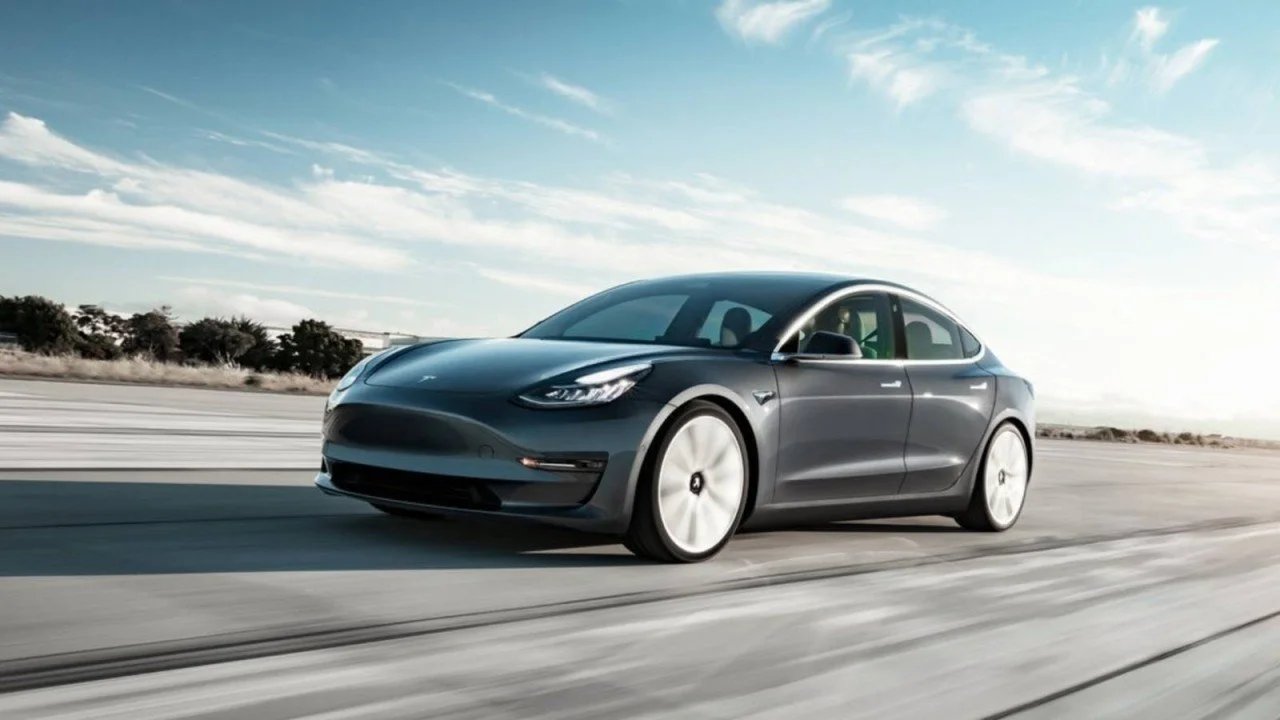
Tesla's Game-Changer: No More Buying FSD Outright After February 14
Why This Shift Could Unlock a Trillion-Dollar Robotaxi Era
Tesla's decision to eliminate outright purchases of Full Self-Driving (FSD) software marks a pivotal turn toward unsupervised autonomy and widespread Robotaxi deployment. This move positions every Tesla vehicle as a potential revenue generator, transforming personal cars into autonomous assets capable of earning owners substantial income while reshaping urban mobility and boosting the company's long-term profitability.
Key Takeaways
Tesla will stop selling FSD for a one-time $8,000 fee after February 14, shifting entirely to a subscription model starting at $99 per month.
This signals that unsupervised FSD—where drivers no longer need to pay attention—is imminent, potentially arriving by mid-2026, dramatically increasing vehicle value.
Vehicles with unsupervised capabilities could function as robotaxis, generating up to $100,000 in annual profit per car by operating without human intervention.
Existing FSD owners may receive lifetime access, possibly including unsupervised features, while hardware 3 owners could get transfer options to newer models.
The change simplifies pricing, maximizes fleet participation in a future Robotaxi network, and could triple or quadruple Tesla's profit per vehicle through recurring revenue.
The Tesla Tsunami: How Self-Driving Cars Are About to Upend Transportation Forever
Redefining Mobility in a World of Autonomous Machines
Tesla's full self-driving technology is reaching a tipping point, delivering flawless performance over long distances without human input. This isn't just incremental progress—it's setting the stage for a massive shift where cars become robots on wheels, slashing costs and reshaping how we move from place to place.
Key Takeaways
Tesla's supervised full self-driving software already handles hours-long trips without touching the wheel or pedals, normalizing what once felt like science fiction.
Unsupervised autonomy is imminent, enabling cars to operate without constant attention, similar to ongoing trials in select cities.
Steer-by-wire systems make it simple to remove traditional controls, paving the way for affordable vehicles that blend human and robotic driving.
At under 30 cents per mile, autonomous transport undercuts human-driven options, disrupting ride-hailing, taxis, and legacy automakers.
Urban areas, where most miles are driven, stand to benefit most from this tech, eliminating the hassle of traffic and distracted drivers.
Analyst upgrades reflect growing recognition of this potential, with stock targets climbing amid a 50% rise over six months.
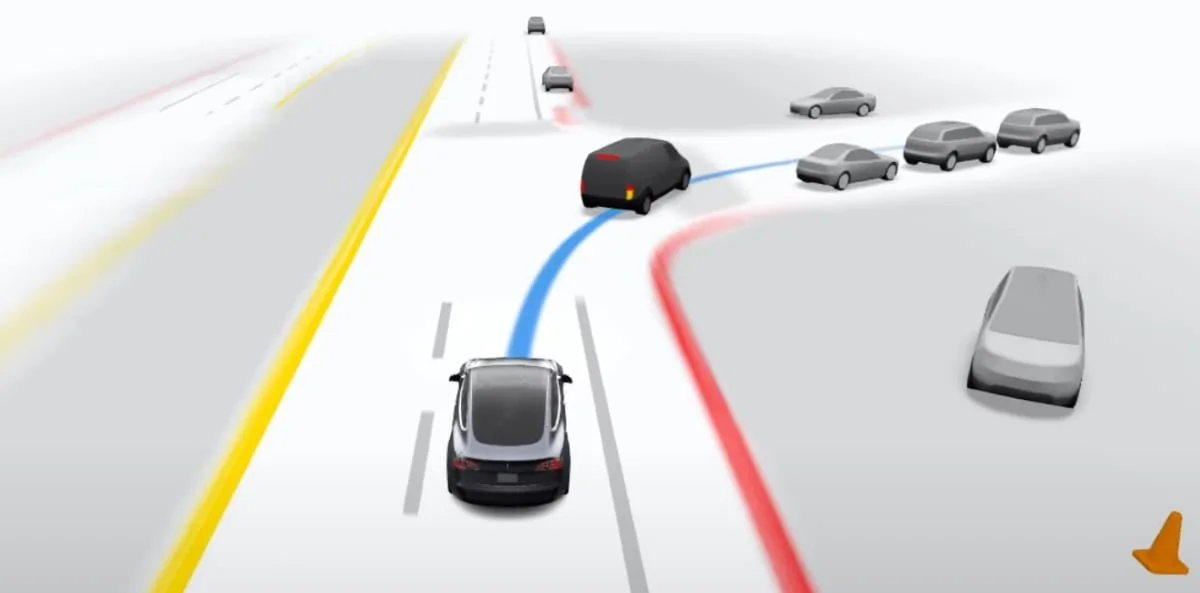
Tesla's Self-Driving Leap: Conquering Roads Worldwide
Why FSD's Rapid Progress Signals a Transportation Overhaul
Tesla's Full Self-Driving software has reached a stage where it handles 99% of miles autonomously in diverse conditions, from snowy terrains to narrow European streets. This breakthrough points to a future where robotaxis scale globally, potentially transforming economies through safer, cheaper mobility—yet regulatory hurdles could force creative solutions like adding steering wheels to cyber cabs.
Key Takeaways
Tesla's FSD software now operates reliably in challenging environments like snow and European roads, demonstrating its adaptability beyond U.S. cities.
Global rollout of the Tesla app opens doors for wider adoption, signaling preparations for robotaxi services in countries outside the U.S.
Regulatory landscapes vary worldwide, with potential for nations like Indonesia or the UAE to approve robotaxis faster than fragmented U.S. states, accelerating Tesla's expansion.
Waymo's geofenced approach limits scalability to thousands of vehicles annually, while Tesla's vision-based system aims for millions, creating a competitive edge.
Outdated mapping remains a minor issue, but upcoming updates will incorporate more human-like logic to override such limitations.
Self-driving tech promises massive safety gains and cost reductions in transportation, outweighing concerns around privacy and control.
If global approvals align with production capacity, Tesla could deploy millions of cyber cabs, leading to trillions in market value through profitable robotaxi networks.
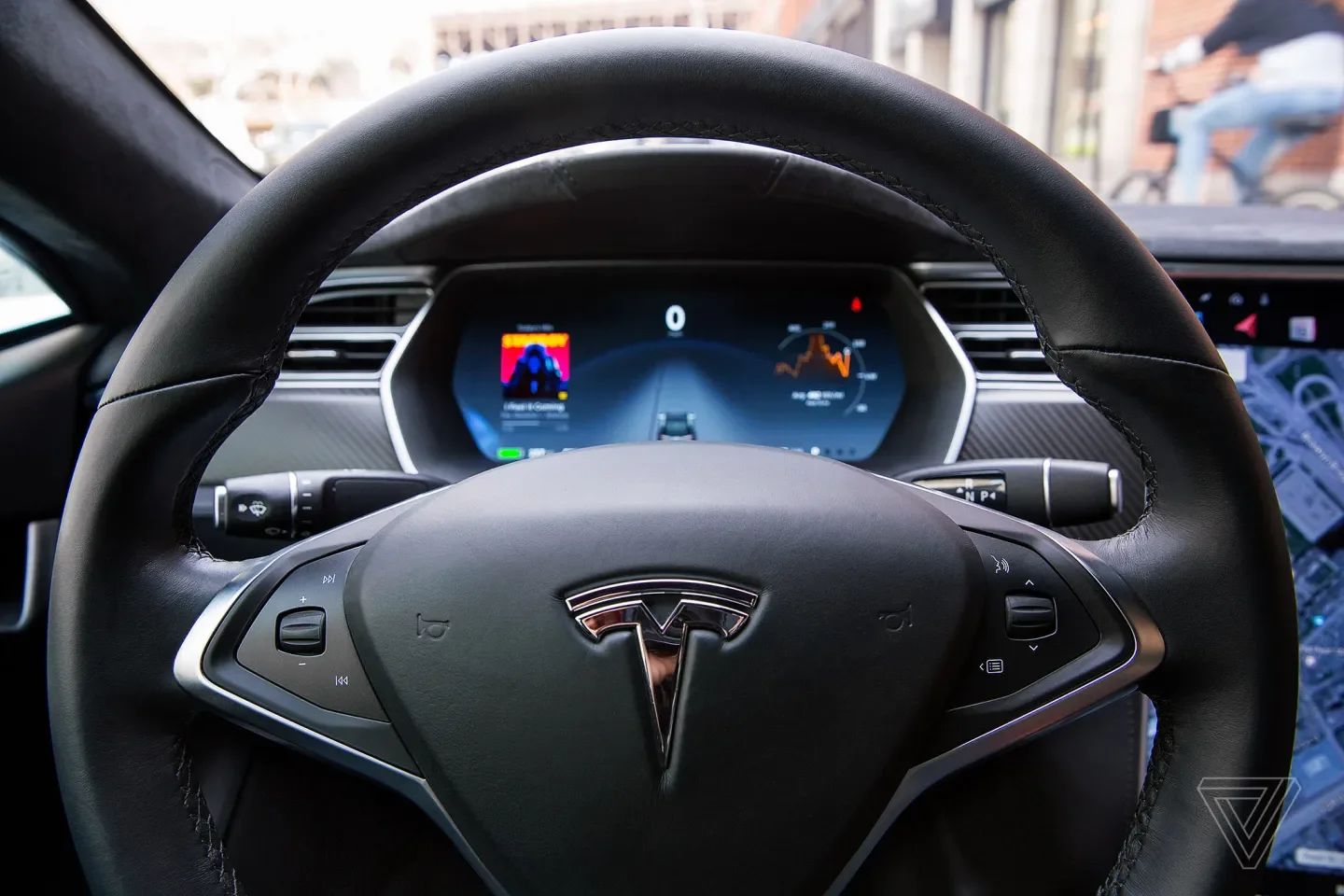
Tesla's Autonomous Leap: Robotaxis, Cybercab, and the Road to Trillion-Dollar Value
Revolutionizing Mobility with Self-Driving Tech at the Forefront
Tesla is on the cusp of major breakthroughs in autonomous vehicles, from expanding robotaxi fleets to deploying advanced software across diverse models. These developments point to lower costs for riders, flexible manufacturing, and potential partnerships that could reshape the auto industry.
Key Takeaways
Tesla aims to deploy over 1,000 robotaxis in the Bay Area and 500 in Austin by year-end, signaling a shift to unsupervised operations.
The latest full self-driving software update performs exceptionally on the Cybertruck, demonstrating adaptability to different vehicle sizes.
Robotaxi fares are already half the price of traditional rideshares, with even greater savings expected once safety monitors are removed.
A dedicated robotaxi vehicle without steering wheels or pedals is set for unveiling soon, alongside possible variants for regulated markets.
Tesla's software could be licensed to other manufacturers, accelerating the adoption of affordable self-driving cars under $30,000.
The upcoming shareholder vote is expected to approve a massive compensation plan tied to ambitious valuation goals.

Tesla's Robotaxi Revolution: Accelerating Autonomy in Austin and Beyond
Redefining Urban Mobility with Self-Driving Tech at Scale
Tesla's rapid rollout of its Robotaxi network in Austin marks a pivotal shift in autonomous transportation, blending AI-driven expansion with practical strategies to navigate regulatory landscapes. This development unlocks new ways for everyday users to experience self-driving vehicles, from city-wide coverage to affordable personal ownership models that could outpace fleet operations.
Key Takeaways
Tesla's Robotaxi network in Austin expanded from a small South Austin area to cover about 80% of the city in just four months, now including high-traffic zones like the Domain in the northwest and a large portion of east Austin.
Current challenges include long wait times due to a limited fleet of around 18-20 vehicles, far short of the 50-100 needed to service the expanded area effectively.
The network uses standard Model Y vehicles, which Tesla produces at a rate of over 1.2 million units annually, enabling quick scaling once safety data supports it.
Regulatory limits cap production of steering-wheel-free vehicles at 2,500 per year without exemptions, pushing Tesla toward models with optional steering wheels and pedals to comply with federal and state rules.
Future strategy focuses on selling low-cost autonomous vehicles (around $20,000 to build) on subscription plans of $400-600 monthly, including maintenance, insurance, and self-parking features, potentially generating more revenue than robotaxi fleets in the next 3-5 years.
Advanced AI in the latest Full Self-Driving (FSD) software allows seamless operation across diverse U.S. environments, setting the stage for unsupervised autonomy that lets vehicles handle everything from parking to service visits independently.