
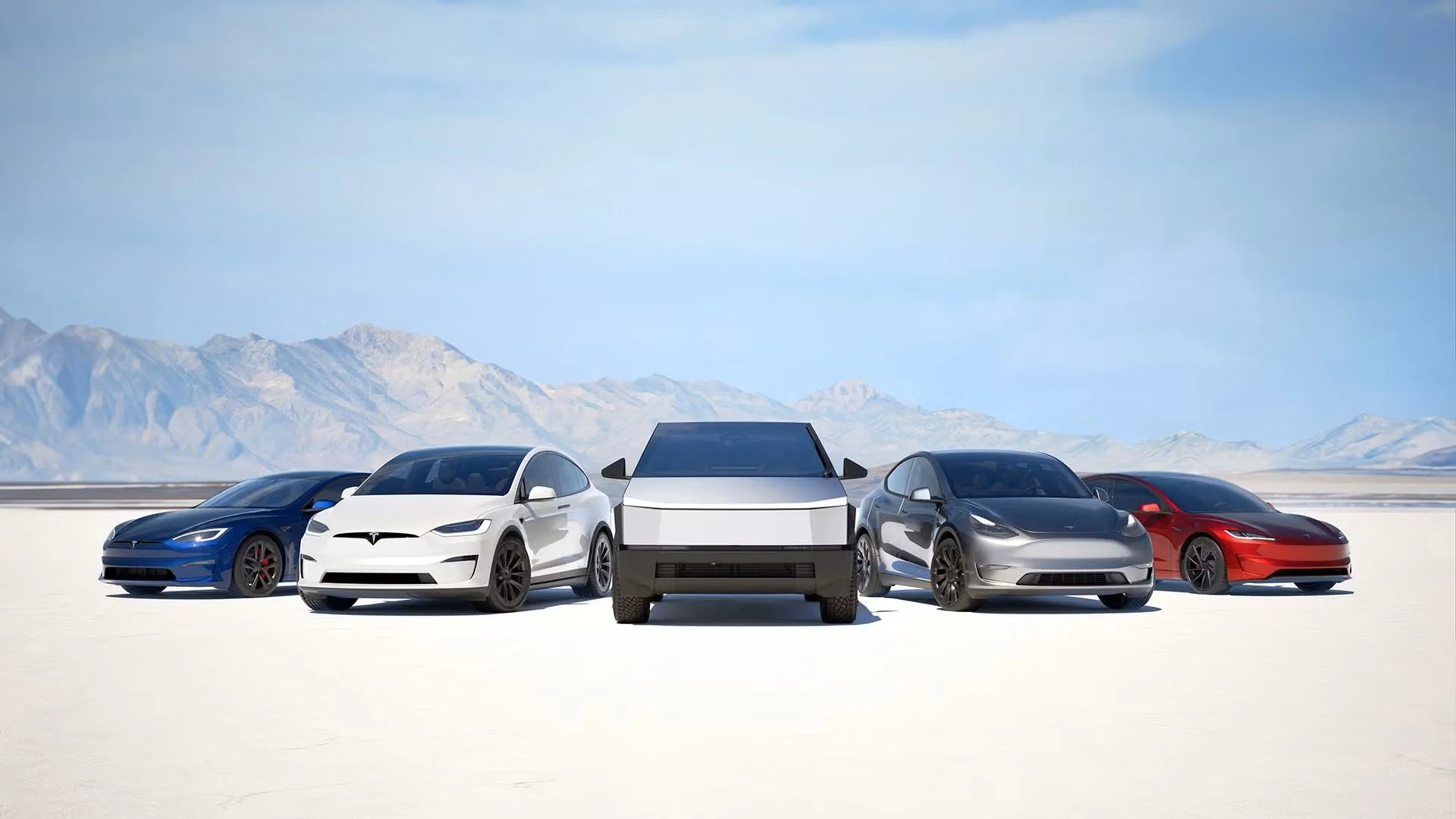
Tesla's Fleet Awakening: The Dawn of Unsupervised Autonomy
Unlocking Millions of Self-Driving Cars Overnight – And Why It Crushes the Competition
Tesla's latest move in Austin marks a pivotal shift in autonomous driving, turning everyday vehicles into fully independent machines. This isn't just about robotaxis in select cities; it's about transforming over six million existing cars into assets that drive, earn, and redefine mobility through a simple software push.
Key Takeaways
Tesla has enabled unsupervised full self-driving (FSD) in Austin robotaxis, allowing passengers to ride without any human oversight.
Over six million Tesla vehicles already on roads come equipped with FSD hardware, ready for activation via software updates.
Tesla's data advantage, with over seven billion miles driven, dwarfs competitors and accelerates neural network improvements.
Unlike rivals relying on expensive custom fleets and detailed city mapping, Tesla's approach scales instantly across any location.
Regulatory changes in 2026, including federal preemption, could enable nationwide unsupervised driving.
This shift boosts Tesla's car sales by offering unmatched features, like vehicles that earn money or run errands autonomously.
The business model favors capital efficiency, as customers own and maintain the vehicles while Tesla provides the software capability.
Full Self-Driving Revolution: Why Tesla Owns the Road Ahead
Reshaping Transportation Through AI Scale and Data Dominance
Autonomous vehicles are transforming mobility, slashing costs, boosting safety, and upending industries. Tesla's data-driven approach positions it to dominate, outpacing rivals and making human drivers obsolete in years.
Key Takeaways
Tesla's neural network learns from billions of real-world miles, enabling rapid improvements without predefined maps, unlike competitors reliant on detailed city-specific data.
Manufacturing scale gives Tesla a 200x edge over players like Waymo, allowing faster fleet growth and lower operational costs down to 30 cents per mile.
Robotaxi economics could generate massive margins, with rides cheaper than Uber, potentially eliminating the need for personal car ownership in urban areas.
Safety data shows autonomous systems far outperforming human drivers, pressuring regulators to approve widespread deployment to save lives.
Job displacement looms large, affecting millions in driving professions, signaling broader AI impacts on labor markets.

The Robot Driver Bet: Insurance Giants Stake Billions on AI Outdriving Humans
Why a 50% insurance slash for self-driving Teslas signals the end of human error on roads—and massive savings ahead
Autonomous driving tech has reached a tipping point where data shows machines handle roads far safer than people, leading to dramatic insurance cuts that could reshape transportation economics for everyone.
Key Takeaways
Insurance rates for Tesla owners drop 50% when the car drives itself, based on verified data showing AI reduces crash risks significantly.
Average US car insurance costs $2,300 yearly and keeps rising due to repair expenses and distractions, but AI could halve accidents and reverse that trend.
Machines eliminate common crash causes like fatigue, impairment, and poor judgment, reacting faster with full 360-degree awareness.
This partnership accesses real-time vehicle data for precise risk pricing, setting a model where software updates make cars safer—and cheaper to insure—over time.
Broader impact: Traditional insurers must adapt or lose customers, while Tesla gains a competitive edge no other automaker matches yet.
Long-term shift: Human-driven cars may face higher premiums as AI proves safer, potentially saving thousands of lives annually by cutting US road deaths in half.
Tesla's Robotaxi Breakthrough: Unsupervised Rides Begin in Austin
The first truly driverless Tesla robotaxis are now carrying paying passengers in Austin, Texas—using standard Model Y vehicles with no human in the front seat. This milestone, combined with third-party insurance slashing rates by 50% on FSD miles, signals that Tesla's vision-based autonomy has reached a level of safety and capability that could reshape transportation economics worldwide.
Key Takeaways
Tesla has launched public robotaxi rides in Austin with fully unsupervised vehicles—no safety driver or monitor inside the car—starting with a small number mixed into the existing fleet.
The service uses unmodified Model Y vehicles equipped with the same camera-only hardware and AI software available in consumer Teslas.
A major insurer now offers roughly 50% lower per-mile rates for miles driven with Tesla's Full Self-Driving (FSD) engaged, based on real-world data showing sharply reduced accident risk.
Removing the human driver collapses operating costs to energy, maintenance, and repairs—potentially dropping per-mile expenses to 40-60 cents versus $2+ for human-driven rides.
Tesla's camera-based, data-driven approach—trained on billions of miles from its global fleet—enables scalability far beyond sensor-heavy competitors, with potential for rapid expansion to new cities and countries.
Future production of the purpose-built Cybercab, lacking steering wheel or pedals, could push Tesla's annual output beyond 5 million self-driving-capable vehicles.
Tesla's Hidden Moat in Self-Driving Tech: Why the Race Isn't Even Close
The Data Wall NVIDIA Can't Climb—Yet
The battle for autonomous vehicles is intensifying, with new players stepping up to challenge established leaders. At its core, success hinges on mastering rare, unpredictable scenarios that no simulation can fully capture. Tesla's vast real-world data collection sets it apart, creating a lead that could take competitors years to close, while pushing the entire field forward through fierce rivalry.
Key Takeaways
Autonomous driving requires handling not just common scenarios but an endless array of rare edge cases, known as the long-tail problem, which demands exponential effort to solve.
Tesla's fleet of millions of vehicles has accumulated billions of miles of real-world data, giving it a decisive edge in training AI for these unpredictable situations.
NVIDIA's new AI system for self-driving, set to debut in production vehicles soon, represents a bold open-source approach aimed at widespread adoption, but it starts with limited data compared to Tesla.
Competition in this space accelerates innovation, improves safety, and compresses timelines, benefiting consumers even if one company maintains a lead.
Achieving human-level safety in self-driving tech means reaching reliability rates of 99.9998% or better, a benchmark that has delayed timelines across the industry.
Tesla's Robotaxi Leap: Driverless Rides Hit the Streets
Unleashing mass-scale autonomy that's cheaper, faster, and ready to dominate global roads.
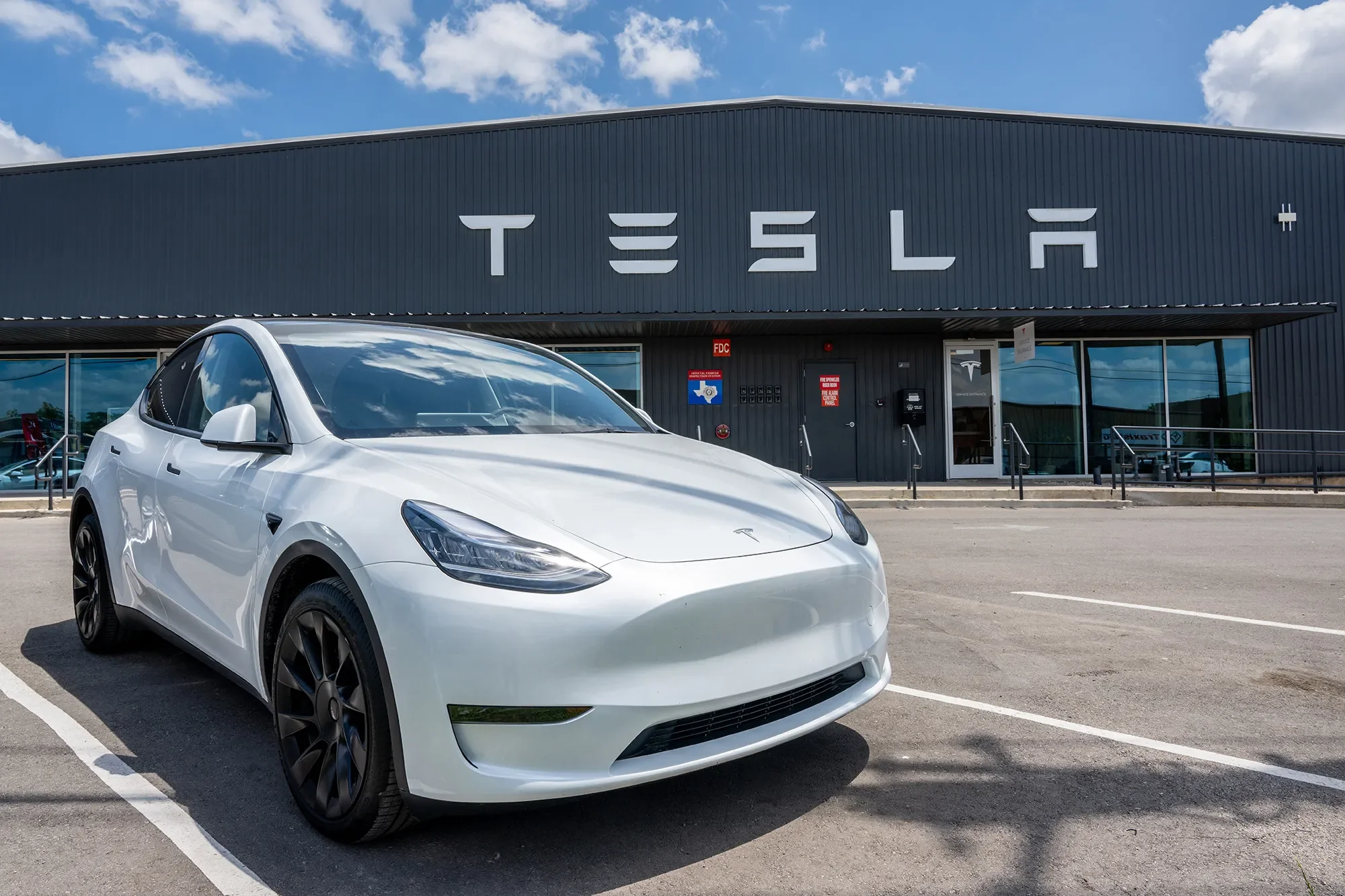
Tesla has just unlocked a new era in autonomous vehicles by deploying Robotaxis in Austin, Texas, without any human supervisors on board. This milestone showcases how a standard production car, built at massive scale, can now handle full self-driving tasks using only cameras and AI—outstripping competitors in speed and cost efficiency. For tech enthusiasts, this signals a rapid shift toward widespread adoption, with profound effects on manufacturing, ridesharing, and daily mobility.
Key Takeaways
Tesla's Model Y, a mass-produced vehicle costing around $30,000 to build, now operates as a fully autonomous Robotaxi without human intervention.
Deployment happened in Austin just months after the app's launch, far quicker than competitors who took years to reach similar unsupervised operations.
Tesla's camera-only AI system contrasts with rivals' complex sensor arrays, enabling faster scaling to millions of units annually.
This tech extends beyond Robotaxis to personal vehicles, potentially making Tesla the default choice for buyers seeking hands-off driving.
Broader implications include labor disruptions in driving and manual work, as the same AI powers upcoming humanoid robots.
Tesla's Self-Driving Leap: Conquering Roads Worldwide
Why FSD's Rapid Progress Signals a Transportation Overhaul
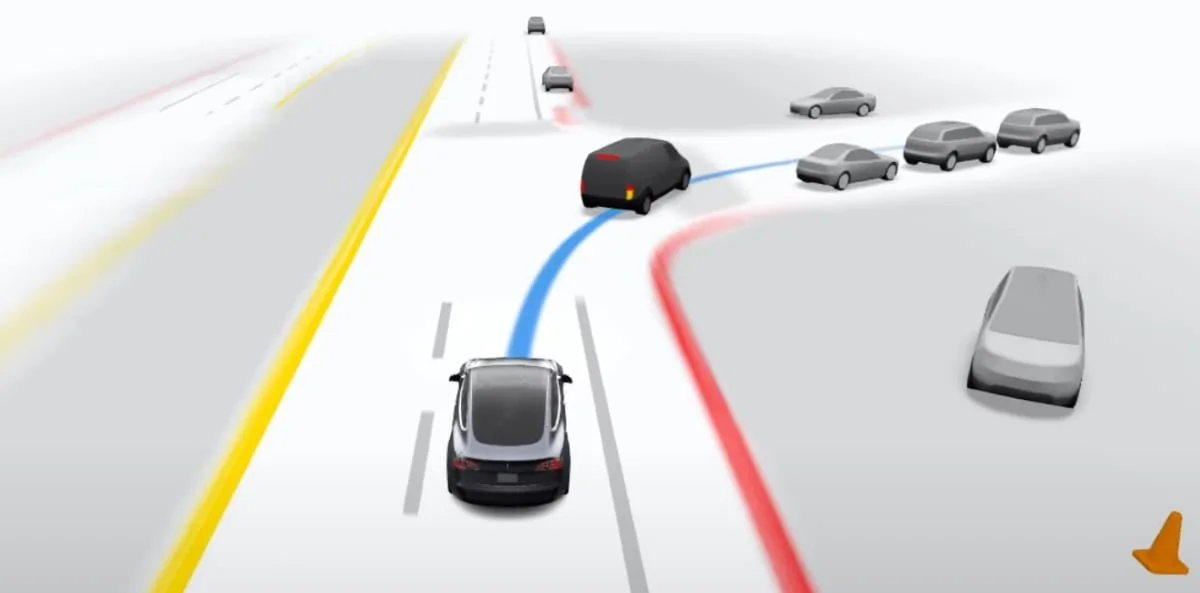
Tesla's Full Self-Driving software has reached a stage where it handles 99% of miles autonomously in diverse conditions, from snowy terrains to narrow European streets. This breakthrough points to a future where robotaxis scale globally, potentially transforming economies through safer, cheaper mobility—yet regulatory hurdles could force creative solutions like adding steering wheels to cyber cabs.
Key Takeaways
Tesla's FSD software now operates reliably in challenging environments like snow and European roads, demonstrating its adaptability beyond U.S. cities.
Global rollout of the Tesla app opens doors for wider adoption, signaling preparations for robotaxi services in countries outside the U.S.
Regulatory landscapes vary worldwide, with potential for nations like Indonesia or the UAE to approve robotaxis faster than fragmented U.S. states, accelerating Tesla's expansion.
Waymo's geofenced approach limits scalability to thousands of vehicles annually, while Tesla's vision-based system aims for millions, creating a competitive edge.
Outdated mapping remains a minor issue, but upcoming updates will incorporate more human-like logic to override such limitations.
Self-driving tech promises massive safety gains and cost reductions in transportation, outweighing concerns around privacy and control.
If global approvals align with production capacity, Tesla could deploy millions of cyber cabs, leading to trillions in market value through profitable robotaxi networks.
Tesla's Robot Army: From Factory Floors to Your Living Room
Unlocking a $1 Trillion Future in AI-Driven Machines and Autonomous Mobility
Tesla has just secured a massive compensation plan that ties its leader to ambitious goals, pushing the company toward an $8.5 trillion valuation. This move signals deep investments in humanoid robots, driverless vehicles, and advanced AI infrastructure, setting the stage for transformative changes in industry and daily life.
Key Takeaways
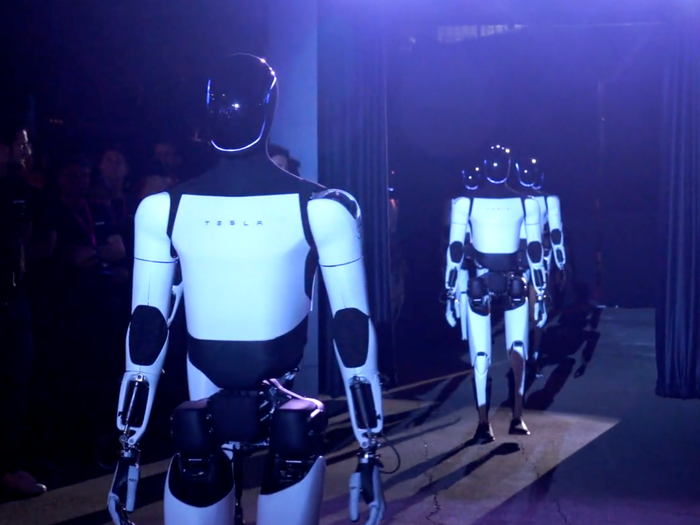
Tesla plans to produce tens of millions of humanoid robots annually, starting with a focus on industrial applications where tasks are repetitive and environments controlled.
Self-driving technology is advancing rapidly, with unsupervised driving potentially available by year-end, though regulatory hurdles could limit widespread adoption.
Production targets aim for 2.6-2.7 million vehicles by end of 2026, scaling to 5 million by 2028, including new models without steering wheels or pedals.
Building a supply chain for robots from scratch will involve significant challenges, including billions in compute investments for AI training.
Tesla may enter chip manufacturing to support its growth, targeting a million wafer starts per month to meet demand for AI hardware in robots and vehicles.
Tesla's Autonomous Leap: Robotaxis, Cybercab, and the Road to Trillion-Dollar Value
Revolutionizing Mobility with Self-Driving Tech at the Forefront
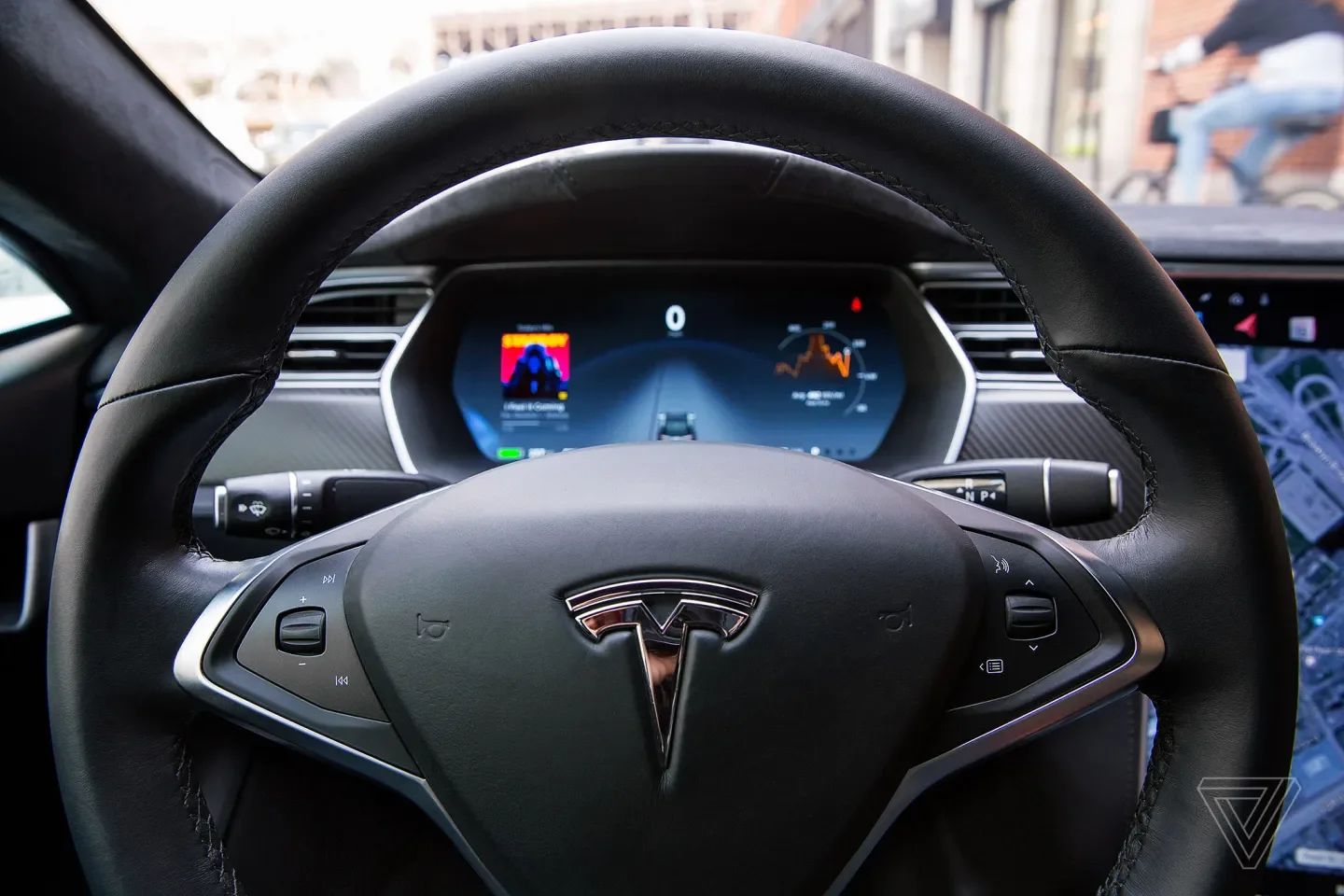
Tesla is on the cusp of major breakthroughs in autonomous vehicles, from expanding robotaxi fleets to deploying advanced software across diverse models. These developments point to lower costs for riders, flexible manufacturing, and potential partnerships that could reshape the auto industry.
Key Takeaways
Tesla aims to deploy over 1,000 robotaxis in the Bay Area and 500 in Austin by year-end, signaling a shift to unsupervised operations.
The latest full self-driving software update performs exceptionally on the Cybertruck, demonstrating adaptability to different vehicle sizes.
Robotaxi fares are already half the price of traditional rideshares, with even greater savings expected once safety monitors are removed.
A dedicated robotaxi vehicle without steering wheels or pedals is set for unveiling soon, alongside possible variants for regulated markets.
Tesla's software could be licensed to other manufacturers, accelerating the adoption of affordable self-driving cars under $30,000.
The upcoming shareholder vote is expected to approve a massive compensation plan tied to ambitious valuation goals.

Tesla's Robotaxi Revolution: Accelerating Autonomy in Austin and Beyond
Redefining Urban Mobility with Self-Driving Tech at Scale
Tesla's rapid rollout of its Robotaxi network in Austin marks a pivotal shift in autonomous transportation, blending AI-driven expansion with practical strategies to navigate regulatory landscapes. This development unlocks new ways for everyday users to experience self-driving vehicles, from city-wide coverage to affordable personal ownership models that could outpace fleet operations.
Key Takeaways
Tesla's Robotaxi network in Austin expanded from a small South Austin area to cover about 80% of the city in just four months, now including high-traffic zones like the Domain in the northwest and a large portion of east Austin.
Current challenges include long wait times due to a limited fleet of around 18-20 vehicles, far short of the 50-100 needed to service the expanded area effectively.
The network uses standard Model Y vehicles, which Tesla produces at a rate of over 1.2 million units annually, enabling quick scaling once safety data supports it.
Regulatory limits cap production of steering-wheel-free vehicles at 2,500 per year without exemptions, pushing Tesla toward models with optional steering wheels and pedals to comply with federal and state rules.
Future strategy focuses on selling low-cost autonomous vehicles (around $20,000 to build) on subscription plans of $400-600 monthly, including maintenance, insurance, and self-parking features, potentially generating more revenue than robotaxi fleets in the next 3-5 years.
Advanced AI in the latest Full Self-Driving (FSD) software allows seamless operation across diverse U.S. environments, setting the stage for unsupervised autonomy that lets vehicles handle everything from parking to service visits independently.

Tesla's Cybercab Pivot: Unlocking Mass-Market Autonomy
Revolutionizing Affordable EVs with a Regulatory Twist
Tesla's upcoming Cybercab is set to reshape the electric vehicle landscape by blending cutting-edge autonomy with practical design adaptations, potentially delivering a sub-$30,000 car that drives itself without constant supervision. This move addresses production bottlenecks and regulatory hurdles, paving the way for high-volume sales starting in 2026.
Key Takeaways
Tesla plans to equip the Cybercab with a steering wheel and pedals if needed, allowing it to bypass strict U.S. regulations that cap driverless vehicle sales at 2,500 units per year.
This design flexibility positions the Cybercab as an affordable EV option below the Model 3's price point, targeting under $30,000 to expand market reach.
Production ramps up mid-2026 on a new assembly line with capacity for around 800,000 units annually, but regulations in the U.S., Europe, and China limit demand for fully driverless models without controls.
Tesla's advanced autonomy tech is nearing completion, enabling unsupervised full self-driving (FSD) capabilities that could make the Cybercab a game-changer for everyday commuting.
By adding traditional controls, Tesla avoids idle factories and maximizes output, drawing from past pivots like the Model Y to meet safety standards while pushing innovation.

Tesla's AI Revolution: Betting Big on Autonomy and Abundance
Redefining Mobility, Energy, and Humanoid Robotics in a Post-AI World
Tesla is pushing boundaries in real-world AI, positioning itself as a frontrunner in transforming transportation, energy systems, and even daily life through advanced robotics. The company's aggressive expansion in production, coupled with breakthroughs in unsupervised full self-driving and humanoid robots, signals a shift toward a future of sustainable abundance where technology eliminates scarcity and makes work optional. These developments aren't just incremental—they promise to double energy outputs, create fleets of autonomous vehicles, and deploy millions of AI-powered robots.
Key Takeaways
Tesla leads in real-world AI density, enabling cars to operate as intelligent entities with 360-degree vision and reasoning capabilities for tasks like optimal parking.
Unsupervised full self-driving is on track for rollout in multiple U.S. states by year-end, with robotaxi operations expanding to 8-10 metro areas, prioritizing safety through cautious deployment.
Optimus humanoid robots are advancing rapidly, with production scaling to millions annually, focusing on dexterous hands and vertical integration to overcome supply chain gaps.
AI chip designs like AI5 promise 40x performance gains over predecessors, optimized for Tesla's stack, potentially creating oversupplied compute for distributed inference fleets.
Energy storage via Megapacks could double U.S. energy output without new power plants, integrating substation features for faster deployment.
Cybercab production starts in Q2 2025, designed solely for autonomy, minimizing costs per mile and allowing passengers full device use during rides.
Overall strategy aims for sustainable abundance, where AI and robotics eradicate poverty and provide universal access to advanced services like surgery.

Why Tesla Might Build a Cybercab with a Steering Wheel After All
Unveiling the hidden logic behind Tesla's robotaxi ambitions—and how a hybrid approach could supercharge global adoption.
Tesla's push into fully autonomous vehicles like the Cybercab promises to reshape transportation, but the road ahead involves navigating production efficiencies, regulatory mazes, and fierce market dynamics. At its core, this shift could unlock ultra-low-cost rides, disrupt giants like Uber, and open doors in emerging economies—all while hedging against uncertainties that might otherwise idle billion-dollar factories.
Key Takeaways
Tesla's new unboxed manufacturing process could enable production of up to 2 million Cybercab-like vehicles annually by late 2027 or 2028, far outpacing current lines due to parallel assembly techniques.
Current U.S. regulations cap driverless vehicles without steering wheels or pedals at 2,500 units per year, creating a massive bottleneck for mass production unless federal changes arrive swiftly.
Achieving full autonomy requires not just technological readiness but regulatory approval, including data on millions of miles driven, and a potential national framework to standardize rules across states.
A Cybercab variant with manual controls could fill production gaps, tap into global demand for affordable EVs in markets like Europe, China, and India, and leverage existing Tesla fleets for on-demand robotaxi surges.
Operating costs for autonomous rides could drop to around 30 cents per mile, undercutting Uber's model and offering consistent, private experiences at half the price or less.
International risks, including data privacy concerns and geopolitical tensions, make a steerable version essential for scaling beyond the U.S. without waiting for worldwide approvals.

Tesla's FSD v14: Awakening the Machine Mind
Revolutionizing Autonomy with Faster Reactions, Emergent Behaviors, and a Push Toward True Self-Driving
Tesla's latest Full Self-Driving software update, version 14, marks a pivotal shift in how vehicles handle real-world scenarios. From navigating drive-thrus without explicit training to reacting quicker than human drivers, this version demonstrates capabilities that bring unsupervised autonomy closer than ever. It handles complex maneuvers with newfound intelligence, though not without some rough edges in smoothness and speed control.
Key Takeaways
Version 14 excels at beginning and end-of-drive tasks, reliably backing out of tight driveways and finding parking spots, turning point-to-point travel into a seamless experience.
Reaction times have improved dramatically, allowing the system to respond to environmental changes—like ambulances or opening car doors—faster than previous versions, often before a human notices.
Emergent behaviors, such as stopping at drive-thru stations and windows based on contextual clues like transactions or screens, show the software's ability to generalize without specific programming.
Braking feels more abrupt due to rapid decision-making, but this stems from heightened caution rather than errors, prioritizing safety over smoothness.
Lane changes are more hesitant, requiring larger gaps, which contrasts with the aggressiveness of prior versions but enhances overall caution.
Speed management relies on predefined profiles (sloth, chill, standard, hurry) without manual overrides, leading to occasional mismatches with real-world limits like school zones or construction.
Parking decisions vary, sometimes choosing suboptimal spots like alleys or handicapped areas, highlighting needs for refinement in spot selection and legal awareness.
Hardware differences, such as the presence of a front bumper camera, influence performance, but even older setups show strong results in core driving tasks.
The system introduces alerts for increased attention in tricky situations, paving the way for SAE Level 3 autonomy where drivers can relax until prompted.
Overall, version 14 feels closer to robotaxi readiness than driver assistance, though it demands tolerance for quirks from testers while smoothing out for broader use.

Tesla's FSD v14: AI That's Rewriting the Rules of the Road
How emergent behaviors in self-driving cars are turning everyday drives into a glimpse of autonomous futures—and why Tesla's data edge makes competitors look like they're stuck in neutral.
Tesla's latest Full Self-Driving software update, version 14, isn't just incremental—it's a leap where vehicles start anticipating human quirks without explicit programming. Imagine a car that pauses mid-drive-thru not because of a stop sign, but because it overhears the "thank you" signaling order complete. Or one that yields to sirens miles away, edging over in traffic jams to let emergency responders through. These aren't scripted routines; they're AI piecing together real-world patterns from vast datasets. For tech enthusiasts, this signals the shift from rule-based systems to generalized intelligence, where cars learn like neural networks trained on the chaos of actual roads.
Key Takeaways
Emergent Decision-Making: FSD v14 exhibits behaviors like waiting for drive-thru conversations to end or pulling over for distant ambulances, learned from millions of driving hours rather than hardcoded rules.
Data-Driven Advantage: Tesla's 7 million+ vehicle fleet generates exponentially more training data than rivals like Waymo's 1,500-unit operation, accelerating AI improvements at scale.
Cost Disruption Potential: Autonomous fleets could slash ride costs to 40-50 cents per mile—versus $1.80+ for human-driven services—enabling fares as low as $3 for a 3-mile trip.
Physical AI Frontier: This mirrors digital AI breakthroughs like large language models, but applied to real-world actions: steering, stopping, and yielding based on contextual cues from cameras and mics.
Edge Polishing Needed: While safe overall, the software shows minor hesitations like abrupt braking near pedestrians, typical of rapid AI iterations that refine with more data.
Broader Implications: Widespread adoption could reshape labor markets, from ride-sharing drivers to urban logistics, as robotaxis roll out in cities like Austin and the Bay Area.
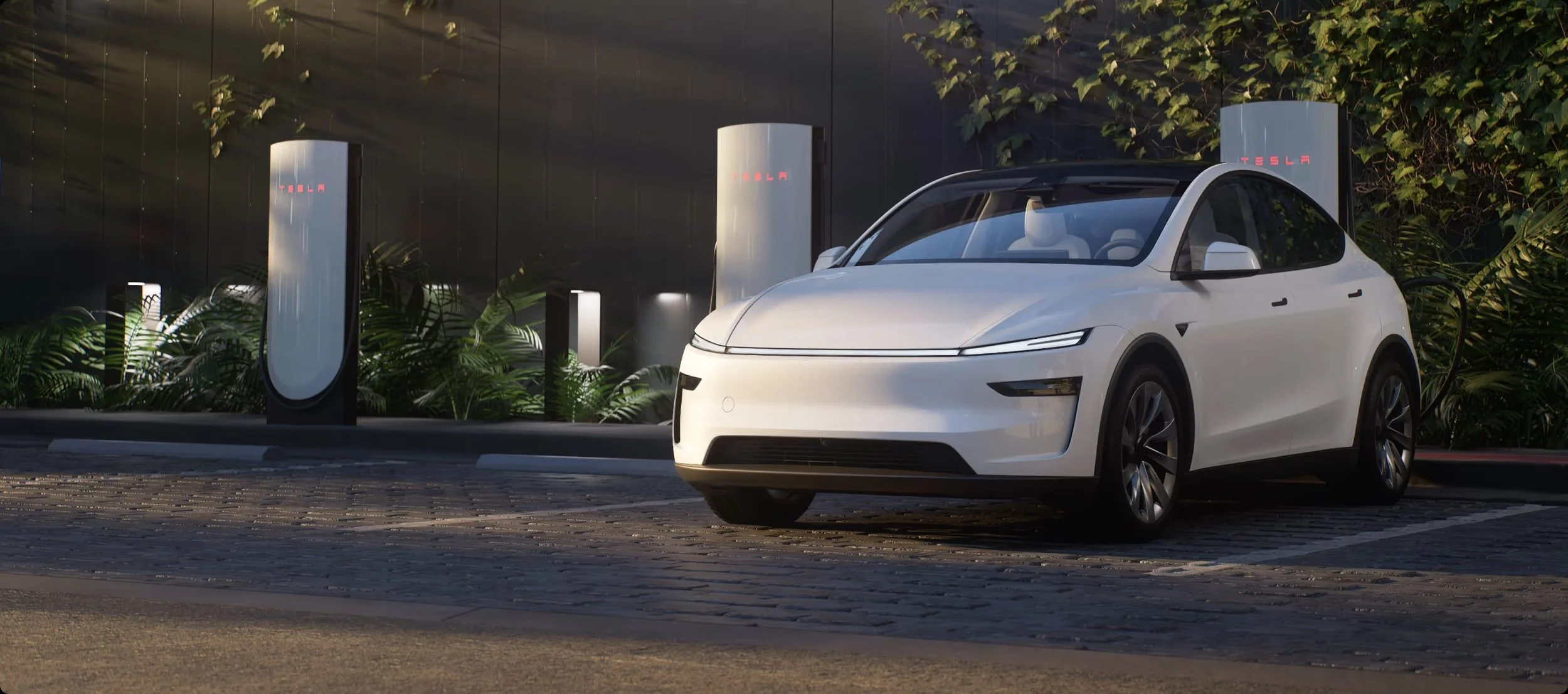
Tesla's Budget EV Breakthrough: The Affordable Model Y Uncovered
Revamping Accessibility in Electric Vehicles Amid Shifting Incentives
Spy shots from Texas highways and firmware leaks have pulled back the curtain on Tesla's push for a more budget-friendly Model Y variant. This stripped-down crossover targets everyday drivers by trimming premium features while keeping the essentials intact, all to maintain production momentum and gather vast amounts of driving data for advancing full self-driving tech.
Key Takeaways
Tesla's affordable Model Y features simplified exterior elements like no front or rear light bars, a front bumper camera, and smaller 18-inch wheels for better efficiency.
Interior cuts include no glass roof, no rear screen, cloth or basic vegan leather seats without ventilation, and a basic audio system to reduce manufacturing costs.
Expected pricing lands between $35,000 and $40,000, making it competitive without relying on expired US EV tax credits.
Production ramps up in the second half of 2025, with rear-wheel-drive as the base option and potential all-wheel-drive upgrades.
This model supports Tesla's strategy to flood roads with vehicles, accelerating data collection for autonomous systems and software revenue.
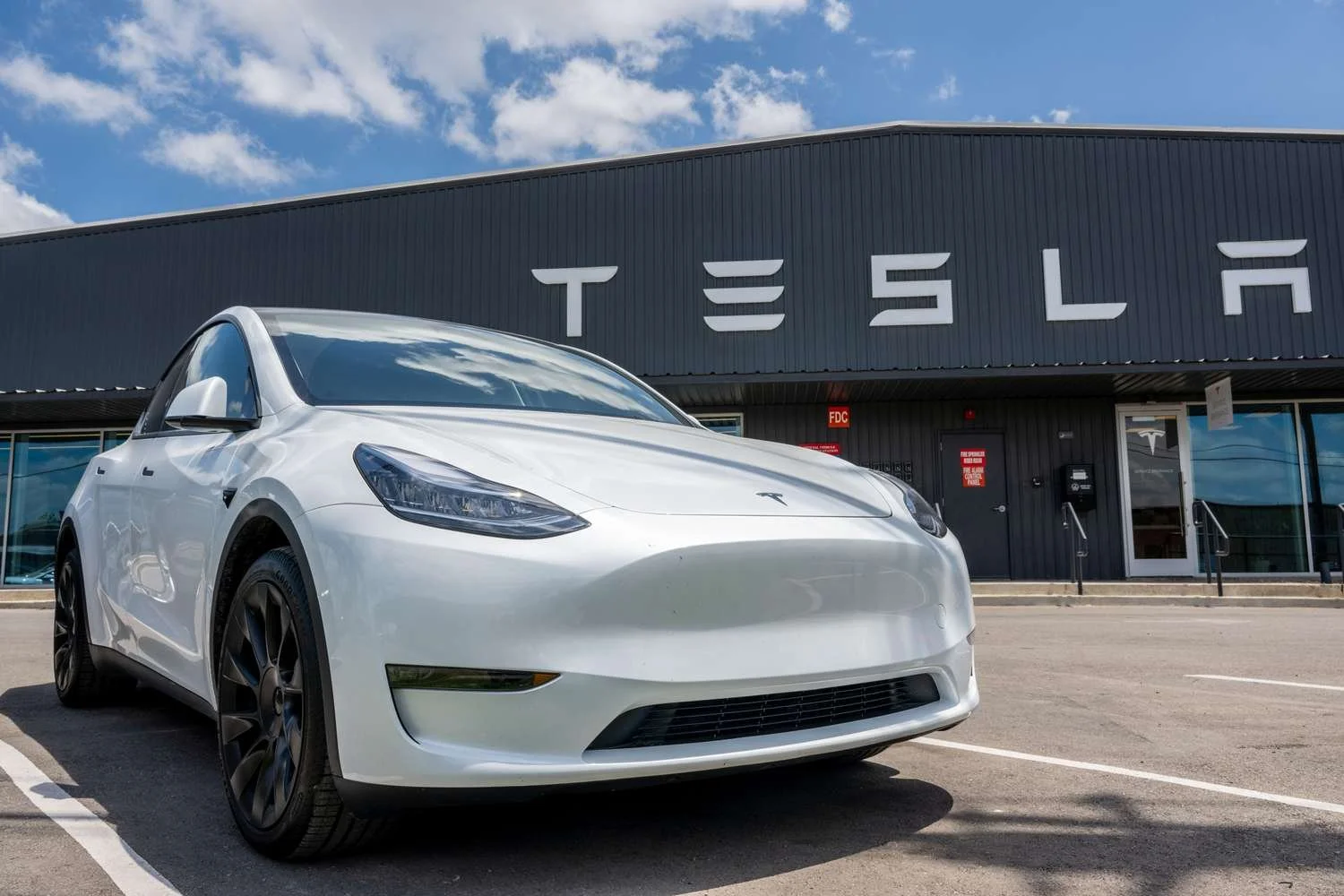
Tesla’s Q3 Triumph: Record Deliveries, AI Ambitions, and a Path to Affordable EVs
Why Tesla’s third quarter signals a bold pivot to AI-driven growth and mass-market appeal
Tesla’s third quarter of 2025 delivered a stunning performance: over 497,000 vehicles delivered, 447,000 produced, and a record 12.5 gigawatt-hours of energy storage deployed. These numbers not only defy skeptics who predicted Tesla’s decline but also highlight a strategic shift toward inventory management, cost reduction, and a future powered by autonomous driving and affordable vehicles. For tech enthusiasts, this moment underscores Tesla’s evolution from a carmaker to a physical AI powerhouse with ambitions far beyond traditional automotive.
Key Takeaways
Record-Breaking Quarter: Tesla delivered 497,000 vehicles and deployed 12.5 GWh of energy storage, marking a high for both metrics.
Inventory Strategy Shift: Delivered 50,000 more vehicles than produced, reducing built-up inventory and leveraging the expiring U.S. EV tax credit.
Affordable EVs on Horizon: Plans for a more affordable Model Y and Model 3 with reduced features to hit a 3-million-vehicle annual production goal.
FSD as a Game-Changer: Full Self-Driving (FSD) version 14 aims for unsupervised driving, potentially making Tesla’s vehicles a compelling alternative to traditional cars.
AI and Robotics Vision: Tesla’s driverless network and upcoming Cybercab and Semi projects position it to dominate AI-driven mobility, outpacing competitors like Uber.
Financial Strength: Expected to add $3.5–5 billion in cash from operations, with high-margin energy storage (30%) boosting profitability.

Tesla's Epic Comeback: Record Deliveries Signal a New Era in EVs
Why Tesla's Q3 2025 Could Redefine the Auto Industry's Future
Tesla stands on the brink of its largest quarter yet, with delivery numbers poised to shatter records and margins climbing back toward healthier levels. As EV demand evolves without federal tax credits, the company is shifting gears toward affordable options and advanced autonomy, even as rivals like BYD face their first sales dips in years. This moment highlights Tesla's resilience in a volatile market, offering fresh opportunities for growth through software and innovative vehicles.
Key Takeaways
Tesla's Q3 2025 deliveries are forecasted at 512,000 units, surpassing the previous record of 495,000 from Q4 2024.
Gross margins could rebound to around 17% or higher, thanks to high volume and minimal price cuts, driven by urgency around the expiring EV tax credit.
Competitors like BYD are experiencing their first year-over-year sales decline in five years, amid supply chain strains and reduced subsidies.
Tesla plans to introduce more affordable models, potentially stripped-down versions of the Model 3 or Y, sold at cost with profits from recurring software like Full Self-Driving (FSD).
Upcoming FSD V14 promises unsupervised driving, a massive leap that could generate thousands in annual revenue per vehicle through subscriptions.
The Cybercab, a fully autonomous vehicle without steering wheel or pedals, represents Tesla's long-term vision, though regulatory hurdles limit near-term sales.

Tesla’s Record-Breaking Q3 2025: Model Y Surge and FSD Ambitions
Why Tesla’s Third Quarter Could Redefine Electric Vehicle Dominance
Tesla is poised to deliver a blockbuster third quarter in 2025, with projections pointing to a record-breaking number of vehicle deliveries, driven by skyrocketing demand for the Model Y and strategic moves to capitalize on expiring U.S. tax credits. The company’s focus on Full Self-Driving (FSD) technology and production ramps signals a bold push to reclaim its edge in the electric vehicle (EV) market, even as competition intensifies. Here’s what tech enthusiasts need to know about Tesla’s trajectory and what’s fueling this comeback.
Key Takeaways
Record Delivery Projections: Analysts forecast Tesla will deliver around 488,000 vehicles in Q3 2025, potentially nearing 500,000, a new quarterly high, driven by strong Model Y demand.
Model Y Inventory Crunch: Low inventory levels, especially in the U.S., reflect surging demand, with some regions like Austin, Texas, reporting zero new Model Y stock within a 200-mile radius.
U.S. EV Tax Credit Impact: The impending expiration of the $7,500 federal EV tax credit on September 30, 2025, is spurring a rush of orders, with buyers securing binding purchase agreements to lock in savings.
Model Y L Success in China: The six-seater Model Y L has sold out for September 2025 in China, pushing delivery dates to October, highlighting robust demand in Tesla’s second-largest market.
FSD as a Game-Changer: Tesla’s advancements in Full Self-Driving (FSD) version 14, expected in late 2025, could significantly boost demand by offering safer-than-human driving capabilities, potentially transforming the company into a leader in autonomous transportation.
Production and Pricing Adjustments: Tesla is considering increasing Model Y production and prices in response to demand, balancing profitability with market expansion.